Key Highlights
-
Plastic Free July is a global movement that asks you to stop using plastic during the month of July.
-
The plastic free July challenge is important because plastic pollution hurts the environment, leads to climate change, and makes your plastic footprint bigger.
-
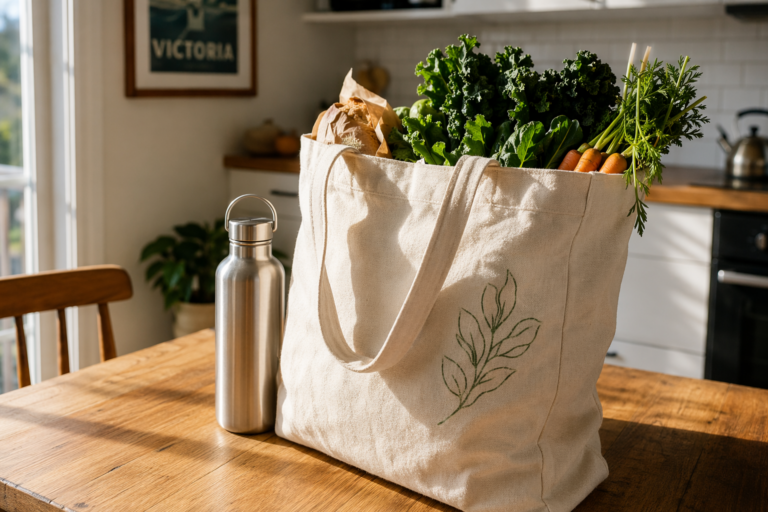
You can start by using simple swaps. Try reusable containers, a refillable bottle, or cloth shopping bags.
-
All the small things you do are still good, especially when there is collective action in homes, schools, and workplaces.
-
In Canada, local work can help make our communities clean and build better habits for the long run.
Introduction
Plastic Free July is a global movement that is all about being plastic free for the month of July. This is your chance to think about what you use day to day. The idea is simple. Use less throwaway plastic and try out better habits when you can. There is no better time than now to start. You can make one small change or a few. This month is a good way for you to begin.
Understanding Plastic Free July and Its Importance in Canada
Plastic Free July started in Western Australia in 2011. It came from simple roots and has now become a worldwide effort. The important initiative of the Plastic Free Foundation helps people use less throwaway plastic and start habits that can last.
Why does this matter in Canada? Plastic pollution can do real harm to the environment. It puts more waste in landfills and hurts water life too. When you cut out plastic you do not need, you lower the pressure on our communities, waterways, and animals. Looking at the bigger picture, going plastic free is worth it.
What is Plastic Free July?
Plastic Free July is a month-long challenge that asks people to use less plastic in simple, hands-on ways. It first started with a small team working in the government. They wanted to do something after they saw how much waste stayed after recycling, and where all this waste was going.
Now, the plastic free july campaign is known around the world. It is more than a small project. It’s a global movement with millions who take part. The main goal is not just to talk about plastic for one month. It is also to help people change habits at home, in their communities, with businesses, and with their governments.
This is the reason the idea is important. Most people use plastic without thinking every day. This challenge helps you stop and see what you use, and look for ways to use less. When you do plastic free july, you can start new habits that last longer than just this one month.
Why Participating Matters for Canadians
Single-use plastic is a big problem, and the people in Canada are part of it too. Each year, a large amount of plastic pollution gets into the water. This affects the shores, rivers, lakes, and oceans. This kind of waste can hurt marine life and also breaks down into tiny plastic particles.
It is not just the environment. There is a human side. With this issue, the information shows that it can be bad for human health. People can be exposed to chemicals that are linked to trouble with hormones and with having children. Plastic consumption is also connected to greenhouse gases. Making and throwing away plastic puts these gases out into the air.
Your choices help make a difference. If more people do less with plastic bags or bottles, there will be less waste. People will also buy less stuff they don’t need. This creates greater demand for better systems. When we all act together in Canada, we help build cleaner towns and healthier ecosystems for everyone.
Beginner’s Guide: How to Start Your Plastic Free July Journey
If you are an eco newbie, it’s best to start simple. The plastic free july challenge is not about being perfect. It is about seeing the plastic items you use most and swapping the easy ones out first.
Look at what you use in your day, like shopping bags, drink bottles, or food storage. Changing these things will make you part of the solution. The next parts here will give you a starter list, some tools you can use, and an easy checklist for plastic free changes through the month.
What You’ll Need to Get Started (Essentials, Resources & Support)
You do not need a perfect zero-waste kit to get going. A few simple things can really help you skip single-use items. These will not make your daily life harder at all. Think of the, as your starting point. It’s not a test.
Some items that can help include:
-
reusable shopping bags kept by the door or in your car
-
a refillable water bottle for work, school, or travel
-
reusable containers for leftovers, snacks, or takeout
-
basic reminders from social media groups that share ideas and keep you going
Having support from others means a lot. Following Plastic Free July online gives you many new ideas, which helps if you get stuck. You can also ask your family or friends to join you. This makes it easier to remember what to do and stick with your routine for the month.
Step-by-Step Guide to Going Plastic Free
A good checklist keeps the plastic free july campaign manageable. Instead of trying to change everything at once, move step by step. That approach makes sustainable practices feel realistic and helps you lower your plastic footprint over time.
Use this simple guide:
|
Step |
What to do |
|---|---|
|
1 |
Track the plastic you use for one week. |
|
2 |
Pick two or three items you can replace easily. |
|
3 |
Carry your reusables so they are ready when needed. |
|
4 |
Shop with less packaging where possible. |
|
5 |
Share progress and ideas with others for support. |
Once you have a basic plan, the challenge feels less overwhelming. The next two sections break down what to look for first and which swaps usually give the quickest wins.
Step 1: Identify Single-Use Plastics in Your Daily Life
Start with a simple plastic audit. Over a few days, pick up and write down all the single use plastic you throw out. You might see more plastic than you think, because these things often go out with the trash and we do not notice.
Take a close look at the plastic you use a lot, like plastic shopping bags, disposable cups, plastic bottles, and snack wrappers. Check spots like the kitchen, bathroom, car, lunch bag, and your desk for plastic packaging you find again and again.
Doing this will help you see where your changes will have the most effect. If you see one plastic item every single day, that could be the best spot to start. You do not have to get rid of all your plastic at one time. Look for the biggest patterns, and then try swapping out one or two items first.
Step 2: Simple Swaps and Alternatives for Everyday Items
Now for the easy wins. After you find out which items you use a lot, swap them for reusable versions. Try to choose ones that fit your routine. These small changes can cut waste without making shopping or meal prep hard.
Try options like these:
-
swap plastic shopping bags for cloth bags or a strong tote bag
-
use a reusable straw instead of grabbing a plastic one
-
change bottled soap or shampoo to bar soaps
-
go for beeswax wraps instead of cling film
-
bring your own cup or bottle when you head out
What makes these swaps good is the fact that they’re simple. Keep them where you need them most. You can leave them by the door, in your backpack, or in the car. The easier they are to grab, the more likely you will use them as part of your routine.
Getting Involved: Community, Family, and Creative Ideas
Going plastic free is much easier when you do it with others. What you do to make a change matters. But when people take action together, it often helps at home, at work, and out in your neighbourhood too.
When the group joins in, you help the push for cleaner oceans and a better planet. It can also make the journey more fun. You can join an online group, set up a cleanup event, or make it something the whole family does. Here are some ways people in Canada can get involved together and keep things moving.
Joining Local and Online Communities in Canada
You do not have to try to do everything by yourself. Online communities can give you new ideas, help to keep you going, and make it easier to stick to your goals when you are trying to build new habits. These groups are the place to get lists with quick swaps, challenge prompts, and tips that work in real life.
You can get involved by:
-
following social media pages that talk about Plastic Free July ideas and news
-
joining challenge groups that share easy goals for each week
-
using resources that come from the Plastic Free July Foundation for advice and ideas
Taking action in your own city or town is a good thing too. Cleaning up the park, beach, or side of the road can help people see how everyone can make a spot better. If you want a small way to start, ask a few friends to join you, post some photos on social media, and cheer other people on as they take first steps toward less plastic in their favourite place.
Fun Ways Families, Workplaces, and Schools Can Participate
Plastic Free July is better when you make it something you do together. The whole family, groups at school, or people where you work can all join in. You can turn it into a fun challenge instead of a must-do rule. This way, everyone finds the new habits easier to follow. It also helps people feel good about making progress.
Here are some simple ideas:
-
do a plastic audit at your home or in the classroom
-
have a plastic-free potluck and use reusable dishes and containers
-
tell your workplace to get better at recycling or add more water stations
-
pick vendors with sustainable packaging for your local events
-
plan a cleanup at your favourite place, like a park or a beach
Doing these will create a real positive impact. People learn by doing things. Kids can see how waste can be bad for marine life and the food chain. Adults can speak up for better choices in spots they share. This lets all people play a part in building new habits that work for the long term.
Conclusion
As we finish our look at Plastic Free July, you can see that being part of this challenge helps lower plastic pollution in Canada. When you make small choices in your day, it helps the earth and shows others a better way. If you want to be more plastic free, or if you are just starting out, remember each step matters. You will start something good in your group or neighbourhood. Join in, share with people, and let’s aim for a better future for all. Are you ready to join the challenge? Start your plastic free journey today and watch the good you can bring!
Frequently Asked Questions
What impact does Plastic Free July have on plastic pollution in Canada?
Plastic Free July is here to help stop plastic pollution. The challenge asks people to say no to single-use plastic items and to start new, better habits. The message from the Plastic Free July Foundation gets shared, so more people know about the environmental impact of plastic. It also helps protect marine life and gives support to anyone who wants to help out in their town. By doing this, everyone can be part of keeping the oceans cleaner, too.
How can I overcome common challenges during Plastic Free July?
Keep your focus on small changes. Don’t worry about being perfect. Try to pick two or three easy swaps. Do them over and over. These swaps will help you create new habits. When you feel less motivated, use social media. You can get new ideas and reminders there. Reducing plastic consumption is a slow answer to the waste made by the process of plastic production.
Are there online communities or resources for more ideas?
Yes. Online groups and social media are good spots to find checklists, share ideas, and get support. You can also get help that matches the Plastic Free Foundation message. These places will often give you real ways to swap out plastic items and change to sustainable practices that last.
How can I help children get involved in Plastic Free July?
Get kids involved in the plastic free july challenge. Let them help look for plastic at home. You can pack snacks in reusable containers. Join a cleanup with them. Teach simple facts about marine life and the food chain. Show them why what they do matters. This is a good way for us all to make a positive impact for future generations.