
TL;DR: National Acadian Day falls on August 15 every year, marking the Feast of the Assumption. The most iconic tradition is the tintamarre—a loud, joyful street procession where participants make as much noise as possible. In 2026, major celebrations take place across New Brunswick, Nova Scotia, Prince Edward Island, and beyond.
Every August 15, something extraordinary happens across Atlantic Canada. Streets fill with noise—deliberate, celebratory, unapologetic noise. Pots, pans, horns, drums, and voices blend into a single roar that echoes through towns and cities from Moncton to Cheticamp. This is the tintamarre, and it sits at the heart of National Acadian Day.
The Acadian people have been celebrating August 15 since 1881, when delegates at the first Acadian National Convention chose the date to align with the Feast of the Assumption. It was a deliberate act of cultural identity—a way of saying: we are here, we have survived, and we are not going anywhere. Over 140 years later, that message still rings loud. Literally.
If you’re planning to take part in the 2026 celebrations, this guide covers everything you need to know—from the history of the tintamarre to the best places to celebrate across Atlantic Canada.

What is the Tintamarre, and Why Does It Matter?
The word tintamarre comes from Old French and roughly translates to “uproar” or “din.” The tradition involves participants taking to the streets at a set time—typically 5:00 p.m. on August 15—armed with anything that makes noise. Pots and wooden spoons are popular choices. So are whistles, bells, and homemade instruments.
The chaos is the point.
The tintamarre is a deliberately raucous act of visibility. For the Acadian people, who faced the Grand Dérangement—the forced deportation carried out by British colonial authorities between 1755 and 1764—the right to exist openly and loudly is not something to take for granted. The noise asserts presence. It says: we are still here.
In communities where Acadian culture had been suppressed or marginalized for generations, the tintamarre became a form of joyful resistance. Today, it has evolved into a beloved communal tradition—one that draws thousands of participants, including many who are discovering Acadian culture for the first time.
When is National Acadian Day 2026?
National Acadian Day 2026 falls on Saturday, August 15, 2026. The Saturday date makes it especially significant this year, as weekend celebrations tend to draw larger crowds and allow for extended programming, concerts, and community events.
The tintamarre typically begins at 5:00 p.m. local time, though individual communities may adjust their schedules. Check local event listings closer to the date for confirmed times.
Where to Celebrate National Acadian Day 2026 in Atlantic Canada
Moncton, New Brunswick
Moncton is the unofficial capital of Acadian Canada and hosts one of the largest National Acadian Day celebrations in the country. The city’s Dieppe waterfront and downtown core typically come alive with live music, cultural performances, and a massive tintamarre procession. Expect crowds in the tens of thousands. If you want to experience the full scale of August 15, Moncton is the place to be.
Caraquet, New Brunswick

Caraquet, on the Acadian Peninsula, is home to the Festival Acadien de Caraquet—one of the longest-running Acadian festivals in the world. The festival typically runs through the first two weeks of August, culminating with National Acadian Day celebrations on the 15th. The town’s deep cultural roots make it one of the most authentic places to experience Acadian music, food, and tradition.
Cheticamp, Nova Scotia
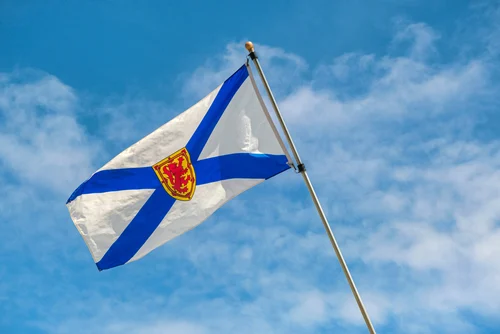
Cheticamp is a predominantly Francophone community on Cape Breton Island, and it celebrates National Acadian Day with genuine community spirit. The tintamarre here takes on a smaller, more intimate character—but that’s part of the charm. Local musicians, traditional crafts, and Mi-Carême heritage add texture to the day’s festivities.
Summerside, Prince Edward Island

Summerside hosts an annual Acadian festival that spans several days around August 15. The city’s large Acadian population brings real energy to the celebrations, with street performances, traditional Acadian food, and a tintamarre procession through the downtown core.
Church Point (Pointe-de-l’Église), Nova Scotia
Home to the Université Sainte-Anne—the only French-language university in Nova Scotia—Church Point is a hub of Acadian academic and cultural life. National Acadian Day festivities here reflect that identity, blending community celebration with a strong sense of cultural pride.
How to Participate in the Tintamarre
You don’t need an invitation. The tintamarre is open to everyone.
Grab a pot, a wooden spoon, a whistle, or a noisemaker of any kind. Show up at the designated location in your community at 5:00 p.m. on August 15. Make noise. That’s it.
Many participants wear Acadian colours—blue, white, and red, with a single gold star representing the Virgin Mary. You’ll see flags, face paint, and traditional dress throughout the procession. But there’s no dress code. What matters is showing up and adding your voice—or your noise—to the celebration.

The Meaning Behind the Acadian Flag and Colours
The Acadian flag, adopted in 1884, is based on the French tricolour with the gold star of the Virgin Mary added to the blue stripe. It remains one of the most recognizable symbols of Acadian identity.
The colours carry weight. Blue, white, and red are shared with France—a nod to Acadian French heritage. But the gold star sets the Acadian flag apart, linking it to the Feast of the Assumption and the deep Catholic roots of the Acadian community.
During National Acadian Day, the flag appears everywhere: on porches, in windows, painted on faces, and draped over shoulders.
National Acadian Day Beyond Atlantic Canada
Acadian communities exist well beyond the four Atlantic provinces. Significant populations live in Quebec (particularly the Gaspésie region and the Magdalen Islands), Ontario, and across the United States—especially in Louisiana, where Acadian settlers became the ancestors of the Cajun people.
Many of these communities hold their own August 15 celebrations, from Cajun festivals in Lafayette, Louisiana, to community gatherings in Quebec’s Acadian corridors. If you’re not in Atlantic Canada, you may still find a celebration nearby.

National Acadian Day Is for Everyone
You don’t need to have Acadian heritage to celebrate August 15. The day is an open invitation—to learn, to celebrate, and to make noise alongside a community that has fought hard for its place in Canadian history.
The tintamarre is the perfect entry point. It asks nothing of you except your presence and your voice. And in that shared noise, something quietly powerful takes place: a moment of collective recognition that a culture, once nearly erased, is still very much alive.
Frequently Asked Questions
What date is National Acadian Day in 2026?
National Acadian Day 2026 falls on Saturday, August 15, 2026. August 15 is the permanent date for the holiday, chosen in 1881 to coincide with the Feast of the Assumption.
What is the tintamarre at Acadian Day celebrations?
The tintamarre is a deliberately loud street procession held at 5:00 p.m. on August 15. Participants bring noisemakers—pots, pans, whistles, drums—and march through the streets together. The tradition symbolizes Acadian visibility and survival. It is open to everyone, regardless of heritage.
Where are the biggest National Acadian Day celebrations in Canada?
The largest celebrations typically take place in Moncton, New Brunswick, which draws tens of thousands of participants. Other major celebrations occur in Caraquet (NB), Summerside (PEI), Cheticamp (NS), and Church Point (NS). The Festival Acadien de Caraquet, which runs throughout early August, is one of the most established Acadian cultural festivals in the country.
Who are the Acadian people?
The Acadian people are a distinct French-speaking community descended from French colonists who settled in Atlantic Canada (then called Acadia) in the early 17th century. They are known for surviving the Grand Dérangement—the forced British deportation of 1755 to 1764—and rebuilding their communities and culture across generations.
Do I need to be Acadian to participate in National Acadian Day?
No. National Acadian Day celebrations are open to everyone. The tintamarre in particular welcomes all participants. Wearing blue, white, and red is common but not required. Showing up is what counts.
Is National Acadian Day a statutory holiday in Canada?
National Acadian Day is not a federal statutory holiday, but it holds official recognition. In New Brunswick, August 15 is recognized as a provincial holiday. In other provinces, it is observed as a cultural celebration without being a paid day off.