
Key Highlights
-
Learning Russian greetings helps you handle social interactions in Russian culture.
-
The way you greet someone can change based on the level of formality and who you are talking to.
-
“Здравствуйте” (Zdrastvuite) works as a universal greeting in most settings, but “Привет” (Privet) is only said to friends.
-
People also use different russian greetings depending on the time, such as “Доброе утро” for good morning.
-
If you know these common greetings, you show a sign of respect and make effective communication easier.
-
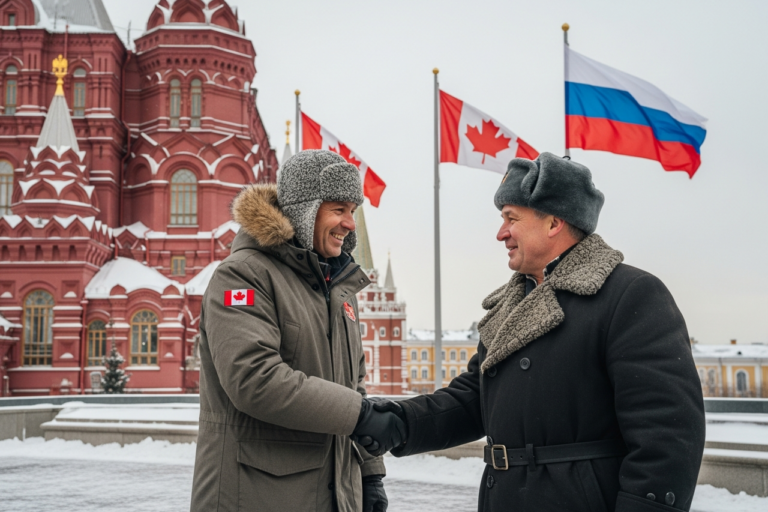
In russian culture, a firm handshake is normal when you meet someone, while hugs or other gestures are just for close relationships.
Introduction
Are you thinking about a trip to Russia, or are you just interested in the country’s culture? One good way to get started is to learn how people say hello there. The way people greet each other can show a lot about their habits and the things they think are important in life. For Canadians, picking up on these parts of russian greetings is about more than words. It helps you make real social interactions with others and show respect. This guide will help you learn the basics of russian greetings. It will make it easier for you to talk with people and help you have better social interactions from your very first hello.
Understanding Russian Greeting Customs for Canadians
In Russia, how you greet people is important. The way you say hello changes with the level of formality and how well you know someone. Picking the right russian greetings is a sign of respect. It shows you have good cultural awareness.
If you come from Canada and are used to being more casual, you need to pay attention to these customs. Knowing when to use a formal or informal greeting can help you make a good first impression. In russian culture, these small things matter more than in Canada. They show respect for the other person. That is what makes russian greetings stand out from the way most folks say hello at home.
The Significance of Greetings in Russian Culture
In Russian culture, a greeting is about more than saying “hello.” It is the first step you take in any talk with someone. It sets the mood for what will come next in the chat. The usual formal greeting is “Здравствуйте” (Zdrastvuite). The meaning comes from words that wish a person to be healthy and well. When you say it, you are not only saying hello, but also wishing the other person good health.
A greeting like this is a big sign of respect. It’s important to use the right greeting for who you are talking to. This could be a professor, shopkeeper, or someone you meet for the first time. Making this choice shows that you know about their culture and that you respect them.
If you try to get the correct pronunciations right, people notice your effort. Even if you are new to the language, working on how you say greetings means a lot. It tells people you care about their language, and you want to connect. Most people like when you do this. If you are in a formal situation, always use “Здравствуйте” as your formal greeting. This works well when you meet someone for the first time, with elders, or at work because it shows true politeness.
Key Differences Between Canadian and Russian Greetings
Canadian greetings are usually easy-going. People often say, “Hey, how’s it going?” to anyone, like a barista or a coworker. In Russia, greetings are more strict. There is a clear difference between a formal greeting and an informal greeting.
When you meet someone for the first time, talk to an elder, or work in a professional place in Russia, you use the formal greeting “Здравствуйте” (Zdrastvuite). If you’re with friends, family, or people you know well, the informal greeting “Привет” (Privet) is okay. You should not use informal greeting with someone you do not know or with someone higher up. That can come across as disrespectful.
The level of formality is also important with touching. In Canada, friends might hug each other easily. In Russia, hugs and kissing on the cheek are only for very close family members and friends. Knowing which russian greetings to use and what to do shows respect and helps you fit in better.
Essential Tools and Resources for Learning Russian Greetings
Ready to start with some Russian greetings? The first step is to get to know the Russian alphabet. It helps you say each word the right way. There are many tools out there, so you can practice and get the feel for speaking like someone who has talked in Russian for years.
If you want to know how native Russian speakers talk, listen to them. This is a good way to learn how words should sound. Here, you will find ideas for apps, online resources, and tips you can use. These will help you learn key phrases and give you more confidence when you talk with others.
Recommended Language Apps and Online Resources
Starting to learn a new language is now easy because of the help we get from apps. Language apps are a good way to learn Russian greetings when you are busy. The apps give you lessons you can follow, and many let you hear audio from native speakers. This is important, so you can say each Russian word the right way.
Many of the apps give you a good way to find basic phrases, more words, and even talk about the culture. Try to find things that let you use your own voice and match it with a native speaker. This way, you get feedback you can use to do better. It helps you get a better accent and feel confident.
Here are some types of resources to look for:
-
Lingvist: Good for building new words and learning phrases in context.
-
Rocket Languages: Gives you fun lessons with audio and a focus on saying things the right way.
-
YouTube Channels: Some channels are all about teaching the Russian language. You can watch free lessons on Russian greetings and start small talks there.
-
Online Dictionaries: Try ones that play sound, so you can hear how a new Russian word sounds and repeat it.
Pronunciation Guides and Audio Practice Tips
Getting russian pronunciation right might look hard at first. But with the right steps, you can do it. One of the best ways is to keep listening to native russian speakers. Listen to how they say each part of the word and the beat in their voice.
You can find many websites and apps that share audio for russian greetings and other common phrases. Use these often. Play the sound clip, then try to copy what you hear. It is good to record your own voice, too. Play it back and see how close your russian pronunciation matches with the native russian speakers. This will help you find where you need to get better.
Don’t worry about saying things out loud, even when you are alone. It is important to use your mouth, tongue, and lips to practice. Doing this will help you remember how it feels to say the words right. Over time, your russian greetings will sound better and more like those from native russian speakers.
Step-by-Step Guide to Mastering Russian Greetings
Are you ready to learn Russian greetings? This comprehensive guide will help you start with small and clear steps. The first step is to know how to tell which greeting to use for different people.
After that, we will go over the most common greetings and help you say them well. By following these steps, you will learn the basics, so you can greet people in Russia with confidence and be respectful.
Step 1: Recognizing Formal vs. Informal Greetings
The most important thing to know about russian greetings is the level of formality. When you meet someone for the first time, talk to an older person, or speak with a boss or professor, use a formal greeting. The go-to formal greeting is “Здравствуйте” (Zdrastvuite).
An informal greeting is for family members close in age, friends, and colleagues you know well. The most used casual greeting is “Привет” (Privet). If you use this with a stranger, it may seem too friendly and come off as impolite.
So, when you meet strangers, elders, or need to be professional, stick with the formal greeting. If you are with friends or people you know in a relaxed, easy setting, an informal greeting is fine. This basic rule will help you know what to do in most russian social situations.
Step 2: Practicing Common Russian Greeting Phrases
Now that you know the difference between formal and informal, it’s time to practice some common greetings. Russians often greet each other based on the time of day, much like we do in Canada. Learning these phrases will make your interactions feel more natural.
Saying “Доброе утро” (Dobroe utro) for “good morning” or “Добрый вечер” (Dobryi vechir) for “good evening” shows a greater command of the language and culture. These phrases are generally neutral and can be used in most situations, making them very useful to know.
Here is a table of common Russian greetings for different times of the day to help you practice.
|
Russian Phrase |
English Equivalent |
When to Use |
|---|---|---|
|
Доброе утро |
Good morning |
In the morning, until noon |
|
Добрый день |
Good afternoon |
From noon until about 5 p.m. |
|
Добрый вечер |
Good evening |
In the evening, after 5 p.m. |
|
Привет |
Hi |
Anytime, with friends and family |
Step 3: Perfecting Pronunciation and Intonation
The last step is to work on your Russian pronunciation. This can help you with effective communication. People will notice that you try, but getting the correct pronunciations will make it even better. There are some sounds in Russian that may sound new if you speak English, so you will need to practice.
Start with the main ones. For example, “Здравствуйте” (Zdrastvuite) can be hard to say. You can make it easier by breaking the word down: ZDRAST-vooy-tyeh. It helps to hear it from a real person or audio first. Then say it slow at the start, and later go a bit faster. Look for the syllables that are stressed, since they change what the word means.
You do not have to make it perfect right away. Your main goal is for people to get what you say. If you listen and talk more, your russian pronunciation will get better without you thinking about it. A language app with voice tools can also give quick feedback. This lets you hear how you sound. Over time, you will learn and fine-tune your accent.
Common Russian Greetings and Their Meanings
Let’s talk about the most common Russian greetings you will hear and use. Knowing these phrases gives you a look into Russian culture. It helps to know when to say “good morning” or “good evening,” because it shows good manners and respect for others.
The most common way to say hello is “Здравствуйте” (Zdrastvuite). It is a greeting you can use anytime and with anyone. It is simple and works in almost every situation. Let’s see some more phrases for different times of the day and for greeting different people.
Everyday Phrases for Different Times of Day
Russians, like those who speak English, use different greetings to fit the time of day. When you use these phrases, it shows you want to speak the language and get it right. People notice, and it means a lot. These greetings can be used with anyone, so they are a safe and polite way to say hello.
If you meet someone in the morning, you say “Доброе утро” (Dobroe utro). When the day moves on, you start saying “Добрый день” (Dobryi den’). These simple changes help your Russian greetings sound more real.
Here are the key phrases for russian greetings to know:
-
Доброе утро (Dobroe utro): Good morning. Say this until noon.
-
Добрый день (Dobryi den’): Good afternoon. Use this from noon to 5 p.m.
-
Добрый вечер (Dobryi vechir): Good evening. Use this after 5 p.m.
-
Спокойной ночи (Spakoinai nochi): Good night. This isn’t a greeting. It’s what you say when someone goes to bed, just like “sleep well.”
This way, you use the right greeting at the right time of the day. It helps you sound good when speaking Russian, no matter who you are talking to.
How to Greet Friends, Strangers, and Colleagues
Knowing who you talk to matters when picking the right greeting in Russia. With close friends and family, people use a simple and warm “Привет” (Privet). It is the usual informal greeting. Some may say things like “Здоро́во!” (Zdorovo!), which is close to “Howdy!” and you hear that between male friends.
When you greet strangers, elders, or in business meetings and other formal settings, you must use a formal greeting. “Здравствуйте” (Zdrastvuite) is best here. It shows respect and is the right way to greet someone formally. Men often shake hands in these situations.
For colleagues, what greeting you use can depend on your workplace and your relationship. You can start with a formal “Здравствуйте.” Later, you may switch to “Добрый день” (Dobryi den’) if things get less formal. If you are not sure what to do, choose a formal greeting.
Cultural Etiquette and Non-Verbal Communication
In russian culture, how you greet someone is not just about what words you say. Non-verbal cues like how you shake hands or use gestures mean a lot in social interactions. Giving a firm handshake shows a sign of respect. That is true, especially in formal or business meetings.
But there are also some things you should not do. Knowing this unspoken way of meeting people in russia is as important as saying the right greetings. Up next, we’ll talk about the dos and don’ts of non-verbal talk when you meet someone in russia. This will help you not make a mistake with their culture.
Handshakes, Gestures, and What to Avoid When Greeting in Russia
In Russian culture, people often give a firm handshake when greeting each other. This is mostly between men in formal or business settings. Men who know each other well do this, too. When you shake hands, it is good to look the other person in the eye.
But other gestures, like you see in Canada, need to be used carefully. Hugging or kissing on the cheek is something close friends and family members do. You would not do this with someone you do not know well or with people at work. Using these gestures with acquaintances is not considered normal and may feel a bit too close.
Here are a few tips about what to do and what not to do when you want to greet someone:
-
Do: Give a firm handshake if you meet someone in a formal setting.
-
Don’t: Shake hands over a door threshold. People think this brings bad luck. Step inside first.
-
Don’t: Use casual greetings like “What’s up?” or “Чё, как?” unless you are very friendly with the person.
-
Avoid: Using gestures that seem too familiar, such as hugging, unless the person is a close friend or family member.
This helps keep greetings respectful in russian culture.
Conclusion
In short, knowing and using Russian greeting customs can help you have better talks when you meet Russian speakers. If you understand how important these greetings are in their culture, you will find it easier to get along and build good connections. Try to see if there is any formality, how words are said, and also notice their body language. These things can make your greeting stand out.
When you get ready to visit or just want to learn more about Russian culture, give yourself some time to learn these customs. If you want to learn more about this new culture, you might use language resources or join a conversation group to get better at it. Happy greeting!
Frequently Asked Questions
What is the most common way to say hello in Russian?
The most common way to say hello in Russian is “Здравствуйте” (Zdrastvuite). This russian word is good for many things. You can use this greeting in any place, formal or just normal talk. Native russian speakers use it a lot to show respect. Because of that, it is a safe choice when you are in russian culture.
How do Russians greet each other at formal events?
At formal events or business meetings, people in Russian culture use a formal greeting. They say “Здравствуйте” (Zdrastvuite). This shows respect and matches the level of formality. When greeting someone for the first time, this is common. The greeting often comes with a firm handshake.
Are handshakes appropriate in all greeting situations in Russia?
A firm handshake is a common part of russian culture. You often see it in social interactions and business meetings. Men use it the most. You might see a handshake in informal situations with friends, but not as much between men and women or between women, unless they are at work.
What should Canadians avoid when greeting someone in Russian?
Canadians should not use too casual ways to talk when in formal social interactions. Do not use informal Russian greetings like “Привет” (Privet) when you meet strangers or older people. You should not use friendly gestures like hugging, as russian culture keeps these for people you know well. Always pay attention to the level of formality in these social interactions.