Key Highlights
-
In Tanzanian culture, greeting etiquette is very important. If you do not greet someone, it can be seen as rude.
-
Learning a few simple greetings in Swahili, like “Jambo” or “Habari,” can really help you talk with the local people.
-
There are swahili phrases you can use for different times of the day. Using them is a good way to show polite behaviour and that you care about tanzanian culture.
-
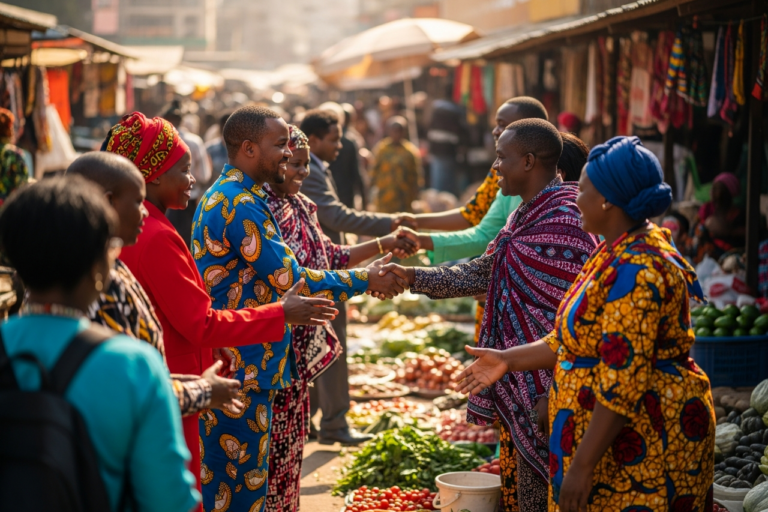
Handshakes are a big part of greeting. They might last the whole chat or visit.
-
When you meet older people, it is good to greet them in a more formal way. This shows respect and is a key part of how people do things there.
-
Using simple greetings and other swahili phrases will let you connect with the local people and get to know tanzanian culture even more.
Introduction
Welcome to Tanzania. This special place in East Africa is known for the friendly people and beautiful land. If you have some Swahili knowledge, it will help you a lot in this country. When you know how to greet the local people, you do more than just show good manners. You also get to connect with them and learn more about Tanzanian culture in a real way. This guide will show you all the greetings you need. It will help you go around Tanzania with confidence and a friendly smile.
Common Ways to Greet in Tanzania
The most common way to greet someone in Tanzania is more than saying a quick hello. Greeting etiquette is very important there. We need to take the time to say a few nice things first. It shows you respect people and care about their culture. Using simple words can help you start friendly talks and make people feel good.
For every day, you usually hear “Jambo” or “Habari.” “Jambo” is a simple, friendly hello. It is easy to remember for tourists. If you want to sound like a local, try using “Habari.” If you use these swahili greetings, people will notice your effort. It is okay if you do not say it just right. They will like that you try with these common ways to greet them using simple words and good greeting etiquette.
Everyday Swahili Greetings and Their Meanings
Learning a few everyday Swahili phrases can make your time in Tanzania much better. Using these simple greetings will help you connect with people you meet. Many travellers know “Jambo,” as a friendly way to say hello, but using other swahili words can help you sound more real.
“Habari” is one of the most useful swahili phrases. It means “How are you?” or “What’s the news?” It is good when you want to start talking with someone. If you are speaking with younger people, they might say “Mambo!” or “Vipi!” These swahili words mean “What’s up?” If someone says “Habari?” to you, just answer “Nzuri,” which means “Good.”
Here are some simple greetings and everyday swahili phrases to use:
-
Asante: Thank you
-
Karibu: You’re welcome
-
Tafadhali: Please
-
Ndio: Yes
-
Hapana: No
Formal vs. Informal Greetings in Tanzanian Culture
Understanding the difference between formal and informal greetings is key to navigating social situations in Tanzania respectfully. The greeting you choose often depends on the age and status of the person you are addressing. Formal greetings are used for elders and people in positions of authority.
Informal Swahili greetings, on the other hand, are perfect for peers and casual encounters. Don’t worry too much about perfect pronunciation; native speakers appreciate the effort. If someone greets you with the friendly “Jambo,” a simple “Jambo” in return is a perfectly acceptable and warm response.
Here’s a quick guide to different greetings:
|
Greeting Type |
Swahili Phrase |
Meaning/Usage |
|---|---|---|
|
Informal |
Mambo! / Vipi! |
“What’s up?” Used among peers and younger people. |
|
General |
Jambo / Habari |
“Hello” / “How are you?” Widely used and versatile. |
|
Formal |
Shikamoo |
A respectful greeting for elders. |
|
Response to Shikamoo |
Marahaba |
The reply an elder gives to “Shikamoo.” |
Time-Based Greetings and Politeness
In Tanzanian culture, people use special greetings for each time of day. This is seen as the polite thing to do, and people there will notice your effort. When you use the right swahili phrases for morning, noon, or evening, people can see that you respect their customs and the way they live.
Most of the time, you can greet people for different times of day by putting something after the word “Habari.” Doing this small thing helps your greeting fit the time of day, so it sounds friendly and right. If you pay attention as you travel, you will see that these easy changes matter a lot in everyday talks.
Morning, Afternoon, and Evening Greetings
Using time-based greetings can be a good way to show respect. It is simple to learn and to use these phrases in Swahili. Many of them use the word “Habari” and then add words for the time of day.
If you want to start the day right, saying “Good morning” is always seen as nice. It is also good to use another greeting during the afternoon or in the evening. This lets people know that you care about their day. People will give you a friendly smile if you say “Habari za asubuhi” in the morning, or “Habari za mchana” later in the day. When the sun goes down, saying “Good evening” is a kind way to meet someone.
Here are some main greetings for different times:
-
Habari za asubuhi? – Good morning?
-
Habari za mchana? – Good afternoon?
-
Habari za jioni? – Good evening?
-
Usiku mwema – Good night
Respectful Greetings for Elders and Community Leaders
In Tanzania, people show respect to elders and leaders in the community. The way you greet someone is very important for good and harmonious social interactions, and it helps build strong community bonds. When you meet someone who is older or who has power, there is a special greeting that shows you respect them.
The most common and polite way to greet elders is to say “Shikamoo.” This word means that you honor them and feel humble. The elder often answers with “Marahaba.” This means, “I accept your respect.” This kind of greeting is a big part of the Tanzanian culture and people truly like it.
If you learn and use this simple, kind tradition, people will see you as someone who cares. It will show that you want to honour their way of life. Being respectful will help you have good, close moments with the people of Tanzania.
Non-Verbal and Physical Greeting Customs
Non-verbal greetings are a big part of how people talk with each other in Tanzania. These greetings go beyond just using words. Giving a warm handshake is very common, and people see it as important. The way you show your body language—like giving a friendly smile or how you stand—can show just as much warmth and respect as words can.
When you meet someone, a handshake is a normal thing to do. But in Tanzania, be ready for the handshake to last longer than what you might get at home in Canada. This long handshake means people want to be friendly and build a connection. Knowing these signs with your body is just as important as learning what people say with words.
The Role of Handshakes, Smiles, and Body Language
Your body language is an important way to talk to people in Tanzania. When you meet someone, a warm handshake is the main way to greet. You should always use your right hand for the handshake, because the left hand is not seen as clean. The handshake could feel light, and at times, fingers may cross, or someone may hold the other person’s wrist.
A friendly smile can be understood by everyone and is a big part of greeting. It helps break the ice and shows that your intentions are good. When you make soft eye contact, it tells the other person that you are paying attention and that you respect them. If you see someone from far, a friendly wave is a simple way to say hi.
Here are some key non-verbal cues you should keep in mind:
-
Always give a warm handshake with your right hand.
-
Add a friendly smile when you greet.
-
Make gentle eye contact to show you are listening to them.
-
Sometimes, the handshake can last for the whole conversation. It’s normal here.
Greetings to Avoid and Important Etiquette Tips
While people in Tanzania are often quick to forgive, knowing some basic greeting etiquette will help you avoid feeling out of place. One big point is, you should not turn away when local people greet you. If you do not answer, it seems rude to them. There is a real cultural emphasis on making a connection, so take some time to interact with others.
There are not a lot of greetings that you must avoid. The main thing is to be careful with who you are talking to and where you are. For example, using a term like “Mambo!” is far too informal for an elder. When you are not sure, it is better to stay more formal. It is also important to use your right hand when you give or get things from others or shake hands.
Here are a few tips for good greeting etiquette:
-
Do not use your left hand to greet, hand over, or get anything.
-
Do not go too fast with a greeting; give time to check in about how they are.
-
Be polite to elders; use the proper titles with your greetings.
-
Always reply to local people’s greetings. This shows you respect them.
Conclusion
To sum up, knowing how people greet each other in Tanzania helps make your trip better. It also shows that you respect Tanzanian culture. When you use Swahili phrases or simple hand signs, you can make good connections with the people in Tanzania. Doing this shows that you care to learn from them and want to be part of their ways. So, when you are in Tanzania next time, try these greetings. They really can go a long way in closing gaps and making your time with people there special. If you want to know more about Tanzanian culture or you need help planning your trip, just ask for more tips!