Key Highlights
-
To make a good impression, start with simple Ukrainian greetings. You can say “Pryvit” (Привіт) for informal talks. Use “Dobryi den” (Добрий день) when you want to be more formal.
-
The time of day changes the greeting. For example, say “Dobroho ranku” (Доброго ранку) to tell someone “good morning.”
-
Ukrainian culture values using the right words for each talk. Try to know when it is good to be formal or informal in your greetings.
-
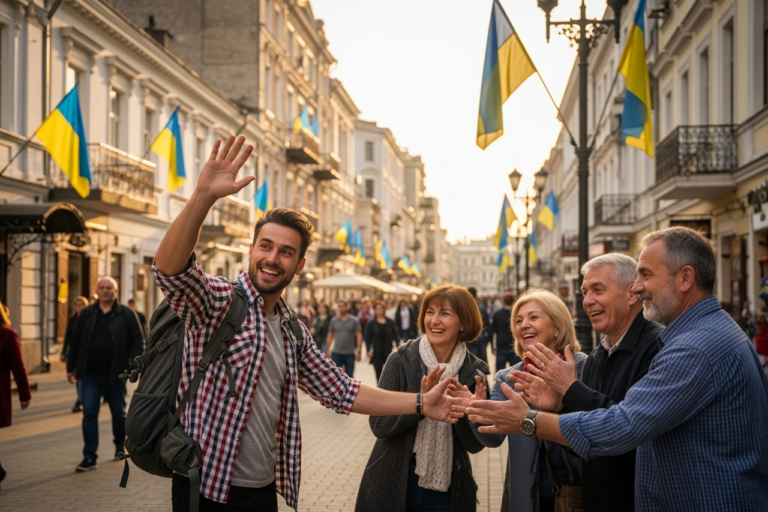
When you meet someone for the first time, use polite gestures. Things like a firm handshake and direct eye contact matter a lot if you want people to see you in a good way.
-
It is not only important to start ukrainian greetings. Being able to answer them shows you know about their ways too.
Introduction
Are you planning to go to Ukraine or want to talk with people from Ukraine in Canada? Learning some simple Ukrainian greetings is a good way to show respect and connect with them. Saying “good day” and other easy phrases can help you with polite talk. These phrases give you the chance to start nice conversations and meet people. This guide will show you the main greetings in Ukrainian. It will help you feel better as you learn about the rich culture and language of Ukraine.
Essential Ukrainian Greetings for Canadians
Starting to learn the Ukrainian language begins with some basic greetings. If you know how to say “hello” in Ukrainian, you can talk to people and show that you want to learn about their local culture. These words help open the door to friendly talks.
The most common Ukrainian greetings change depending on who you are with. When with friends, you might use the informal greeting “Pryvit” (Привіт). When you want to be polite or are talking with someone you don’t know well, “Dobryi den” (Добрий день) is the usual choice. Let’s look at these and a few other common Ukrainian greetings.
Common ways to say “hello” and “hi” in Ukrainian
When you want to greet someone in Ukrainian, the word you choose will depend on how formal the situation is. If you are with friends, family, or people close to your age, “Pryvit” (Привіт) is what you should use. It means “hi” in English and people say it often. You might also see “pryvityk” (привітик) in a text message. That way to say hello is friendly and cute.
If you are in formal settings, like meeting someone for the first time, talking to older people, or in professional environments, you should use “Dobryi den” (Добрий день). This means “good day.” It is a formal and very common way to greet someone in Ukrainian.
Here are the main ways to say hello:
-
Pryvit (Привіт): This is an informal “hi” and is great for friends or casual times.
-
Dobryi den (Добрий день): This is a formal “hello” or “good day,” and it can be used in almost any formal setting.
Time-specific greetings: Morning, afternoon, and evening phrases
Just like in Canada, Ukrainians often greet each other based on the time of day. Using these phrases shows a deeper level of politeness and awareness. You can start your day by wishing someone a good morning, which is a warm gesture in both formal and informal settings.
As the day progresses, your greeting will change. While “Dobryi den” (Добрий день) works for most of the day, there are specific phrases for the morning and evening. For instance, “Dobryi vechir” (Добрий вечір) is used once it gets dark outside. A fun fact is that a famous Ukrainian Christmas carol begins with this phrase.
Here’s a simple table to help you remember these greetings for any time of the day.
|
English Greeting |
Ukrainian Greeting |
Pronunciation |
When to Use |
|---|---|---|---|
|
Good morning |
Доброго ранку |
[dobroho ranku] |
In the morning, before 12 p.m. |
|
Good day/afternoon |
Добрий день |
[dobryi den’] |
From morning until about 6 p.m. |
|
Good evening |
Добрий вечір |
[dobryi vechir] |
In the evening, after it gets dark. |
Understanding Greeting Etiquette in Ukraine
It is not just about the words you say. Knowing how to greet people is important for making a good impression. Ukrainian culture values politeness and respect. You need to use the right level of formality when talking to someone. It is important to know when to be formal or informal. This helps you talk well with others.
If you meet new people or see your work friends, pay attention to these simple social rules. Good manners and using the right tone will help you get along better. Even small things can matter a lot. In the next sections, you will learn how to use this etiquette in different situations.
Formal vs. informal greetings: How to address friends and strangers
In Ukraine, it is important to know when to use formal or informal greetings. If you are with close friends, family, or young people your age, you want to use informal greetings. “Pryvit” (Привіт) is the best choice for these people. It is like saying “hi” or “hey.” This helps keep things warm and easy between you.
But for formal settings, you need to use a different greeting. If you meet strangers, talk to older people, or are in professional environments, a formal greeting is best. Say “Dobryi den” (Добрий день). It shows you know the rules and are polite. It is a safe way to greet people you do not know well.
Knowing when to use these greetings matters. If you use an informal greeting when you talk to an elder or in work settings, it could look bad. If you use a formal greeting with a close friend, you may sound unfriendly. So, change your language to fit who you are talking with. This will show you get and respect the social rules.
Key gestures, customs, and polite phrases for first meetings
When you meet someone for the first time in Ukraine, what you do with your body is just as important as what you say. A firm handshake is a good and polite way to greet both men and women, and is mostly used when things are formal or work-related. Be sure to add direct eye contact to your handshake. This will show that you mean what you say and you feel sure about yourself.
Using a few polite phrases can also help when you give your greeting for the first time. After shaking hands, people often ask the other person how they are or say it is nice to meet them. These small bits make you look involved and friendly at the same time.
Here are a few main customs and phrases that most people remember in Ukraine:
-
“Yak spravy?” (Як справи?): You can ask this in Ukraine to say “How are you?” It is a polite way to keep things going after saying hello.
-
“Duzhe pryemno” (Дуже приємно): This is a short way to say “Nice to meet you.”
-
Maintain direct eye contact: This shows you respect the other person and you are honest right from the start.
These words and customs make your first time meeting someone in Ukraine go well and help you make a good first impression.
Beginner’s Guide: How to Greet Someone in Ukraine
Are you ready to use what you just learned? This beginner’s guide will help you greet people in Ukraine with confidence. The learning journey into the Ukrainian language starts with simple phrases. Make sure to use the right greeting when you meet people. It’s the first thing you should do.
You don’t need to be perfect right away. Trying to speak the language matters most. People in Ukraine will notice your effort and be happy. Let’s break this into easy steps, so you can start well.
What you need to get started: Language basics and helpful resources
You do not have to be an expert to get started with the Ukrainian language. If you focus on some basic phrases, it will help you a lot when you meet new people. For learners, the most important thing is to know the sounds and learn a few key expressions. Watching videos that help with pronunciation can also be very good.
The Ukrainian alphabet might look a bit hard at first, but you can start by learning how to say some greetings. This will help you talk to people right away. When you feel more sure, you can add new words to your vocabulary.
Here are the most important greetings to know before you go on your trip:
-
“Pryvit” (Привіт): This is “hi” when you talk to friends.
-
“Dobryi den” (Добрий день): This means “hello” in a more formal way.
-
“Dobroho ranku” (Доброго ранку) and “Dobryi vechir” (Добрий вечір): You use these for “good morning” and “good evening.”
Step-by-step guide/process
This step-by-step guide will help you with your first greetings in Ukrainian. Think of it as an easy way to start: use basic Ukrainian phrases, pick the right greeting, add some simple gestures, and get ready to respond. When you follow these steps, you can feel good and get ready for all kinds of moments, even formal times.
For a formal greeting, start with “Dobryi den” (Добрий день). Give a firm handshake. It is good to keep eye contact, too. Next, you can say your name or ask a polite question, like “Yak spravy?” (Як справи?), which means “How are you?”
Here’s a quick look at what to do:
-
Step 1: Think about the place and use the right greeting.
-
Step 2: Add the right body language, like a handshake.
-
Step 3: Be ready to speak if someone greets you first.
Step 1: Choosing the right greeting for the situation
The first thing you need to do is pick the right greeting. The greeting you use will depend on the time of day, who you are talking to, and what the situation is. Is it early or late in the day? Are you having a chat with a friend or meeting a new business contact? Asking these questions can help you find the right greeting for the moment.
In various situations, it is helpful to know some basic greetings. If you are not sure what to use, you can say the formal “Dobryi den” (Добрий день). This greeting works in the store, at the train station, or at work. It is a good choice when you need to be safe and polite.
When you feel more easy using greetings, you can use ones that match the time of day. Saying “Dobroho ranku” (Доброго ранку) in the morning or saying “Dobryi vechir” (Добрий вечір) in the evening or at night shows you care. Taking the time to pick the right greeting is always a good idea.
Step 2: Using respectful gestures and etiquette
Once you have chosen your words, your actions and behaviour start to matter. The way people in the local culture use body language is important, and using it right will help you get a good impression. People value politeness a lot, and what you do can matter as much as what you say.
When you meet someone for the first time, a firm handshake is what most people do. It shows respect and makes you look confident. It works for both men and women. When you shake hands, try to look into their eyes. This helps build trust and shows you are honest and paying attention in your greeting.
It is best not to use casual moves, like patting someone on the back, when you first meet. Stick to a handshake and give them a warm smile. This way of being polite will be liked and appreciated in the local culture.
Step 3: Responding to Ukrainian greetings appropriately
Knowing how to greet someone is important, but knowing how to answer is just as key. If someone says hello in Ukrainian, your answer can help the talk keep going. It also helps you leave a good impression. The easiest way is just to say the same greeting you heard.
For example, if a person says “Pryvit” (Привіт), you can say “Pryvit” to them. If they use the formal “Dobryi den” (Добрий день), you should answer with “Dobryi den.” Doing this shows you get the level of formality and want to match the politeness.
After the first greeting, someone may ask, “Yak spravy?” (Як справи?), which means “How are you?” You can answer with “Dobre, diakuyu” (Добре, дякую). That means “Good, thank you.” Using these basic phrases makes it easier to talk and feel natural with your Ukrainian friends or people you just met.
Conclusion
In short, learning ukrainian greetings can help you enjoy your time with ukrainian people. It’s good to know the phrases, the right ways to greet, and how to be polite. When you use a friendly “привіт” (privit) for your friends or a polite “доброго дня” (dobroho dnya) for others, it shows respect for ukrainian traditions. Using these simple greeting words lets you make a good first impression and connect with new people. Remember, a greeting is a small thing that can start a big, important conversation. If you want to learn more about ukrainian greetings, reach out to us for a free consultation and start your adventure.
Frequently Asked Questions
What are the most important greetings to know before traveling to Ukraine?
If you go to Ukraine, you should know how to say hello in different ways. “Pryvit” (Привіт) is used in informal situations. If you are in a more formal setting, “Dobryi den” (Добрий день) is the right way to greet people. It is also good to remember “diakuyu” (дякую), which means thank you. These words will help you get along with people every day during your trip.
How do I greet someone formally versus informally?
You can use informal greetings like “Pryvit” (Привіт) when you talk to friends or people you know well. When you meet new people, talk to older folks, or be in a work place, it’s better to say “Dobryi den” (Добрий день). The level of formality you use shows the respect you have for them and the situation.
Are there specific customs or gestures to use when meeting someone?
Yes, when you meet someone for the first time, it’s good to use a firm handshake. Make direct eye contact. After your hello, use polite words like “Duzhe pryemno” (Дуже приємно), which means “Nice to meet you.” This is a good way to show proper greeting.
How should I respond if someone greets me in Ukrainian?
When you hear Ukrainian greetings, the best way to reply is to use the same greeting. If someone says “Pryvit,” you can just say “Pryvit” back to them. This way, the talk goes well and you show that you get what is being said. It works well when you meet new people and want the talk to start in a good way. Using the right Ukrainian greeting helps open up the chat.