Key Highlights
Here are the main things you need to know about greeting etiquette in Saudi Arabia:
-
The most common greeting in arabic is “As-salamu alaykum,” and it means “Peace be upon you.”
-
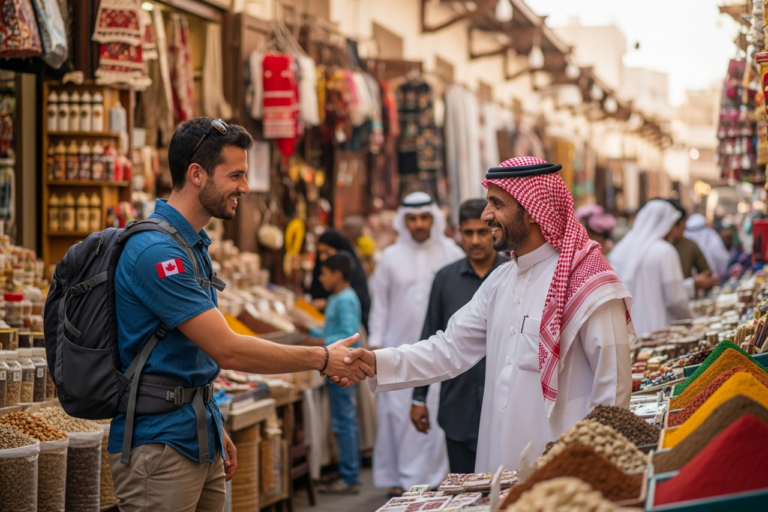
In arab culture, people usually greet each other with a handshake using the right hand, especially when it comes to business.
-
When you greet saudis of the opposite gender, it is good to start with a verbal greeting. You should wait for the other person to begin any physical contact.
-
It is a good idea to learn some basic arabic greetings. This shows that you respect the local etiquette and understand their ways.
-
Being respectful toward elders is a big part of the custom. People often use special greetings and kind titles to the elders.
Introduction
If you want to travel to Saudi Arabia or talk with Saudi colleagues, you should know some local customs. Making a good first impression starts with a simple greeting. In Saudi Arabia, people care a lot about respect and being polite. If you learn the right way to say hello, you will stand out in a good way. The guide below will help you understand Arabic greetings and ways to greet people in Arabia. With this, you can feel sure when meeting others and handle any social situation with ease.
The Importance of Greetings in Saudi Arabia for Canadians
For Canadians who travel to Saudi Arabia or want to do business there, knowing the greeting etiquette is very important. It is not just being polite—it shows that you respect Arab culture. People in Saudi Arabia are known for being warm and welcoming. The right greeting can really help start things off well when you meet someone.
If you try to use a few Arabic words, it means a lot. This can help you make trust and connect with new friends or business partners. It also shows you know how much their ways and culture mean from the start. First impressions really do matter in Saudi Arabia. Let’s take a look at the social rules for meeting people and see why it is such a big part of Arab culture.
Understanding Social Norms and First Impressions
In Saudi Arabia, people value tradition and respect in their social rules. The way you greet someone is important and can shape the way others see you. A friendly and polite greeting can help you make good connections. But if you greet someone the wrong way, you might upset them by accident.
You should know that greetings in Arabia have their own form of etiquette, while Canada is more casual. For example, people don’t use first names right away in Saudi Arabia. When meeting someone older or when in a formal place, using a first name can look too friendly. It is normal to use titles like ‘Mr.’, ‘Mrs.’, ‘Doctor’, or ‘Professor’ until you are asked to switch to first names.
When you pay attention to these small things, people see that you care and respect their culture. Standing up when someone comes in the room or talking in a soft and polite tone also helps show good manners. These steps can help you start good relationships right from the first greeting.
[saudi arabia, first names, greeting, arabia, etiquette]
Why Proper Greetings Matter in Saudi Culture
Greetings are a big part of social life in Saudi culture. They show respect, community, and hospitality. For saudis, a greeting is more than just saying “hello.” It is a way to recognize someone’s presence and their place in a group. Using proper arabic greetings is a great way to show respect.
The words used in each greeting have deep and good meanings. For instance, when someone says “As-salamu alaikum,” it means they wish peace for the other person. When you use these arabic greetings, you also join a tradition that brings goodwill and helps people feel close to each other.
In the end, when you try to greet people the right way, you show that you care and that you respect their culture. Even a small gesture like this can help you get along with saudis better. They might feel more at ease and friendly with you. It’s an easy way to cross cultural lines and make real connections.
Common Ways to Greet Someone in Saudi Arabia
When you meet someone in Saudi Arabia, you will hear the greeting “As-salamu alaykum.” It means “Peace be upon you.” This is used by Muslims and non-Muslims. It is the main Arabic greeting. You can use it any time, and for both formal and informal settings.
The usual response is “Wa alaykum as-salam.” It means “And upon you, peace.” There are more ways to greet people, depending on when and where you meet. Next, we will look at some traditional greetings in Saudi Arabia, and talk about what they mean.
Traditional Arabic Greetings and Their Meanings
Arabic greetings have a lot of meaning, and many come from Islam. The saying “As-salamu alaykum” is the most common greeting. People use it every day, and it shows a wish for peace and good things.
But “As-salamu alaykum” is not the only greeting you can hear. Another one is “Ahlan wa sahlan.” It means “welcome.” People use this a lot when someone comes to their home or when there is an event. If you want to be more easy-going, you can just say, “Ahlan” for “hello.”
Here are some more arabic greetings you might come across and what they mean:
-
Sabah al-khair: This means Good morning. People often say, “Sabah al-noor” back, which means “morning of light.”
-
Masaa al-khair: This one means Good evening. The answer might be “Masaa al-ward,” and that means “evening of flowers.”
-
Marhaban: This is a simple way to say “hello.” It’s not tied to any religion.
-
Abu…: This means ‘father of.’ People use this with the eldest son’s name—like Abu Ahmad—to show respect and that they know each other.
All of these are part of the way people greeting others in Arabic life and show the close ties with islam, the language, and showing respect—especially when talking about the eldest son
How to Say Hello in the Saudi Arabic Dialect
Many Arabic greetings are used in most places where people speak Arabic. Still, there are different ways of speaking in each region. In Saudi Arabia, people use the same main greetings. The way they say the words and some everyday phrases can be a bit different. The most important greeting, “As-salamu alaykum,” is always used. People everywhere in arabia know it.
If you want to say hello in a casual way with Saudis, you might hear “Keefak?” It means “How’s it going?” The answer you get depends on who you talk to. If the person is a man, he might say “Mneeh.” If she is a woman, she might say “Mneeha.” Still, if you come to saudi arabia, it is best to use formal and popular arabic greetings. People find this safe and polite.
When you try to learn arabic greetings, the saudis you meet will be glad. Even saying a few words in arabic shows you want to get to know their culture. This is a simple thing you can do. It helps people talk to you in a friendly and open way.
Cultural Customs and Etiquette During Greetings
When you look at arab culture, greetings are about more than words. Etiquette here means using certain gestures and following social rules. For saudis, the way you act while greeting is just as important as what you say. This shows respect to people around you.
You need to know the rules about handshakes, how close you stand to someone, and the way you act with men and women. The way saudis greet each other is not always the same as in Canada. But, if you learn about their greeting style, you will find it easier to get along with people. Let’s talk about the right gestures and what to think about when it comes to gender.
Appropriate Physical Gestures: Handshakes, Kisses, and Personal Space
Physical gestures are a big part of greetings in Saudi Arabia. There are some clear rules you need to know. In business settings, most people will do a handshake. You should always use your right hand for this. The left hand should not be used to greet, eat, or hand things to others. People in Saudi Arabia see the left hand as not clean.
Friends in Saudi Arabia, if they know each other well and are the same gender, might greet in a more friendly way. For example, men sometimes kiss each other’s cheeks three times. They also put a hand on the other person’s shoulder. Women might hug and give kisses to greet each other. But this kind of friendly physical contact is only for people who are very close.
Here are a few important things about physical gestures in Saudi Arabia:
-
Use only your right hand when you do a handshake.
-
Give a gentle handshake and not a strong one.
-
If two male friends in Saudi Arabia are very close, they might touch noses. This means they trust each other a lot.
-
If you don’t know what to do, let the other person start the greeting or physical contact.
Gender Considerations: How Men and Women Should Greet Each Other
Greeting someone of the opposite gender in Saudi Arabia is different from the way it is done in the West. You need to pay close attention to what is right and expected in saudi arabia. Unrelated men and women do not have physical contact. This is an important rule you need to know, and you must respect it.
When a man greets a woman, he should say hello with words. He can also nod his head and smile. He should wait and see if she wants to shake hands. If she does not reach out her hand, he should not feel bad about it. This is her choice and a part of life in arabia. It is best to never start a handshake with a Saudi woman.
When a woman greets a man, she should also give a greeting using words. If the man is used to Western ways, he might offer his hand, but it is best to let him make the first move. Following this kind of etiquette in greeting helps show you respect what Saudis value most about their culture and it will be noticed and liked by the people you meet.
A Beginner’s Guide to Greeting Etiquette in Saudi Arabia
Are you ready to learn how to greet people in Saudi Arabia? This guide will help you feel more sure of yourself when you say hello to others in Arabia. The first thing you need is to know a bit of the Arabic language and also understand the culture behind each greeting.
When you use the right greeting words and show respect in how you act, you give a great first impression. So, let’s get started with some easy Arabic words you need for a greeting. After that, you can use the step-by-step tips to use this knowledge in real life, right in Saudi Arabia.
What You’ll Need to Get Started: Language Basics and Cultural Awareness
You don’t have to be fluent in Arabic to get started. You can learn a few important Arabic greetings and polite phrases. This will show that you have respect and want to learn about the culture. Try to say the words the right way and understand when to use them.
It is important to know more than new words. You want to learn about the culture as well. Greetings help you give respect and build new relationships. You also show that you know about the rules of the culture with these greetings. You need to know the right time to shake hands. You should know how to talk to elders. You also need to understand the rules when you talk to someone of the opposite gender.
Here are a few basic phrases to help grow your vocabulary:
-
Kaefa haaluk?: How are you?
-
Ana min Canada: I am from Canada.
-
Shukran: Thank you.
-
Min fadlek: Please.
Step-by-Step Guide to Greeting Like a Local
Greeting someone in Saudi Arabia can be broken down into a few simple steps. Following this process will help you navigate social interactions with confidence and show respect for local etiquette. The key is to be observant, polite, and mindful of cultural norms.
First, always start with a verbal greeting. This is your foundation. Next, assess the situation to determine if a physical gesture is appropriate. Finally, follow up with polite conversation. This structure works in almost any setting, from a casual meeting to a formal business introduction.
Here’s a simple table to guide your greeting process with Saudis:
|
Step |
Action |
Details |
|---|---|---|
|
1 |
Offer a Verbal Greeting |
Start with “As-salamu alaykum” and a smile. |
|
2 |
Observe and Assess |
Note the other person’s age, gender, and the formality of the setting. |
|
3 |
Use the Right Physical Gesture |
For same-gender greetings, a right-handed handshake is standard. For opposite-gender, a nod is safest. |
|
4 |
Engage in Polite Conversation |
Ask “Kaefa haaluk?” (How are you?) to continue the interaction. |
Step 1: Using the Right Words and Phrases
The first thing you need for a good greeting is the right words. In most places where people speak Arabic, you can use “As-salamu alaykum” to say hello. This is a polite way to greet someone. People know it everywhere. The usual answer you will get is “Wa alaykum as-salam.”
After you say hello, it is polite to ask how the other person is. To do this, you can say “Kaefa haaluk?” Most people will say, “Bekheir, alhamdulillah.” This means, “I’m fine, praise be to God.” This helps you start a short chat and keep things friendly.
When you want a polite way of speaking in Arabic, try these phrases:
-
Shukran: Thank you.
-
Afwan: You’re welcome / Excuse me.
-
Min fadlek: Please.
-
Jazakallahu khairan: This is a formal way to say thank you. It means “May God reward you with goodness.”
Step 2: Body Language and Respectful Behaviours
Your body language says a lot during a greeting. Stand in a way that is both respectful and friendly. A smile is always good, as it shows you mean well in any situation. When you go in for a handshake, use your right hand every time. Make sure the handshake is gentle and not too strong.
Be sure to think about personal space. If you know someone well and are the same gender, greetings can be warmer. But if you just met, keep a bit more space. Do not start any physical contact besides a handshake. Let the other person make the first move if they feel like it. This shows you care about their comfort and are mindful of etiquette.
It is also good etiquette to stand up when someone walks into the room, especially if they are older. This is one way to show respect. When you are talking with someone, look at their eyes to show you are taking part in the conversation. At the same time, try not to stare too long, as this could make someone uneasy.
Formal vs. Informal Greetings in Different Situations
Yes, the type of greeting you use in Saudi Arabia does change based on the situation. “As-salamu alaykum” is a good greeting that you can use in many cases. The way you say it, how you stand, and what you talk about after can be different if you are in a business setting or just with friends.
It is important to know these differences so you can be polite in any place in Saudi Arabia. In a business setting, you should use more careful words and maybe say certain titles. If you are with friends, you can be more easygoing. Let’s see how you can greet someone in Saudi Arabia in business settings and with friends.
Meeting Elders, Officials, and in Business Settings
In business settings or when you meet elders and officials, your greeting should show a high level of respect. Always use titles unless someone says you do not have to. Call them ‘Mr.’, ‘Mrs.’, ‘Doctor’, or use a professional title like ‘Sheikh’.
When you greet an elder, a warm greeting means deep respect. It is good to greet the most senior person in the room first. Use your right hand if you do a handshake, but let the senior person offer the handshake.
Here are some key tips for formal greetings:
-
Stand up as a sign of respect when an elder or senior official comes into the room.
-
Use formal titles and last names.
-
If you know a man’s eldest son’s name, you can call him ‘Abu’ and then his eldest son’s name to show respect.
-
Keep your body language polite, calm, and respectful.
Social Gatherings, Friends, and Everyday Interactions
In places where people are just hanging out, greetings are easy and warm. You can still say “As-salamu alaykum” to start things off. But the mood is lighter than in business or formal meetings. There is more physical contact, but only among folks of the same gender.
Between good friends, you may see men give each other three kisses on the cheek. Sometimes, they hold the other person’s shoulder, too. Women may greet each other with hugs and cheek kisses. As a guest, you do not need to do this first. Still, don’t be shocked if someone you get close to gives you this greeting as your friendship grows.
You will hear more casual talk in the group, and there may be some slang. It is good to follow the same style as the people around you. Be sure to smile and keep an open mind. This will help you fit in and have a good time at the social gathering.
Polite Phrases Beyond the Initial Greeting
After you start with a greeting, it is good to know a few more polite Arabic phrases. These can help you keep the talk going and be friendly. If you know how to say thanks, say sorry, or send good wishes, it shows respect. It also helps you make a good mark on people.
These words help keep that feeling of warmth from your first greeting. If you use phrases like “jazakallahu khairan” (May God reward you with goodness) instead of just saying thank you, it shows you really mean it. People like it when you are true in what you say. Let’s learn some of these main phrases for greeting others in Arabic.
Offering Thanks, Apologizing, and Expressing Good Wishes
In Saudi culture, people really value when you say thanks. You can say “Shukran” to thank someone and it will be fine. But when you say “Jazakallahu khairan,” you show even more thanks. This short phrase is a nice way to wish for something good to happen to the person who helped you, asking God to give them goodness.
Being able to say sorry matters too. If you bump into someone by mistake or make a little error, you can say “Afwan” which means “excuse me,” or “Asif,” which stands for “sorry.” “Law samaht” is used when you want to politely get someone’s attention, like saying “pardon me” in English.
People use kind words a lot when they meet each other or chat. You might hear “Alhamdulillah,” which means “praise be to God.” Folks use it to show happiness or to thank God when things go right. Picking up words like these and using them at the right times will help make your talks with others feel much warmer and nicer.
-
Jazakallahu khairan: May God give you goodness (a heartfelt thank you).
-
Alhamdulillah: Praise be to God (used to show thanks or joy).
-
Law samaht: Excuse me / If you please (a polite way).
-
Asif: Sorry.
Saying Goodbye Politely in Saudi Arabia
Just like there is a polite way to greet someone, there is also a polite way to say bye in both English and Arabic. It is good to leave people with the same respect you showed when you said hello. This helps you leave a good mark on them at the end.
One polite way to say goodbye is “Ma’assalama.” It means “with peace.” Many people use this when they say goodbye.
Another nice phrase is “Fi aman illah.” This means “in God’s protection.” People often use it if they are going on a trip, maybe to a masjid in Makkah or somewhere else. Most of the time, the other person will say it back. It’s a way to wish them safety and show you care.
In Arabic, when someone is going to bed, you say “Tisbah ‘ala kheir.” It means “may you wake up to goodness.” This is not said when you first meet but is used only when it is time to say goodnight. When you use the right goodbye, it shows you know the etiquette and you understand the culture.
Conclusion
In the end, knowing how greetings work in Saudi Arabia is good for Canadians who want to meet people and fit in. If you learn what these greetings mean and why they matter, you can show respect and feel sure when you speak with others. These words and actions are important, and they show you value Saudi traditions. So, when you find yourself in a formal or casual setting, saying the right greeting and using the right gesture helps a lot. For anyone wanting to really enjoy Saudi hospitality, it’s worth jumping in and learning more. If you want to get more out of your time in Saudi Arabia, you can get help that’s made just for you.
Frequently Asked Questions
Is it important to use Arabic greetings with Saudi locals?
Yes, this is very important. When you use arabic greetings with Saudis, it shows that you respect arab culture and follow good etiquette. It helps to use a few words in arabic, as people see that you care. This can help you make a strong and good link with them. Locals feel more comfortable and liked when you do this.
Are there different greetings for formal and informal situations?
Yes, greetings can change based on where you are or who you are with. In business settings, people use formal greetings. They call each other by their titles and use reserved body language. At social gatherings with friends, greetings are more relaxed. People often show more warmth. The main Arabic greeting stays the same, but the etiquette you follow will be different.
Are handshakes appropriate when greeting people in Saudi Arabia?
Handshakes are common when you greet Saudis of the same gender. You should always use your right hand. For greeting someone of the opposite gender, do not start any physical contact. The best and most respectful etiquette is to give a verbal greeting instead. You should only shake hands if they use their hand first.
How do children greet elders in Saudi culture?
In Arab culture, children learn to be very respectful when they greet older people. They usually show this by kissing the elder’s hand, forehead, or shoulder. This is a strong way to show respect. It is an important part of Saudi etiquette. These greetings help keep family and community values strong.
Keywords: arab culture, greeting, etiquette