
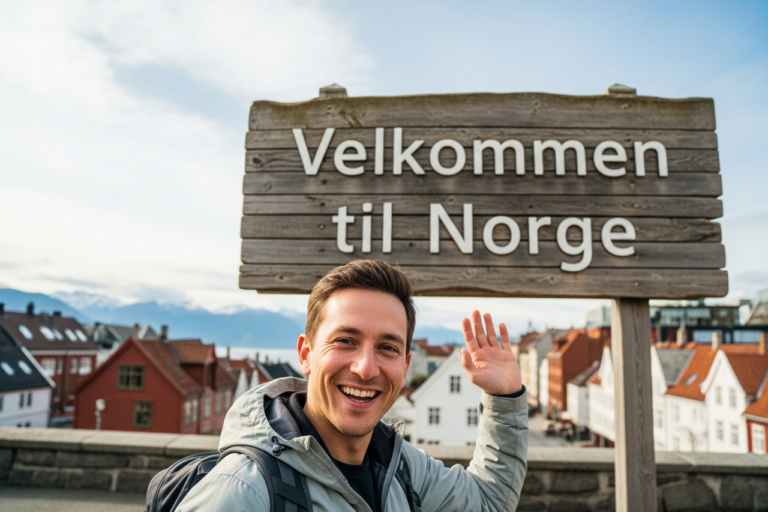
Key Highlights
-
In Norway, the word “hei” is the most common way to say hello. You can use this friendly and casual word in almost any situation.
-
There are some polite norwegian greetings you use at different times of the day. “God morgen” means good morning, “god dag” means good day, and “god kveld” means good evening.
-
People there like to keep their personal space. When you meet someone, it is normal to give a firm handshake and to use eye contact with them as a greeting.
-
People often keep casual greetings like “heisann” for close friends and family only.
-
If you know the difference between formal and casual greetings in Norway, you will make a good impression with others.
Introduction
Are you planning a trip to Norway? If you are a Canadian visitor, learning about local customs can help you enjoy your trip even more. One thing to pay attention to is norwegian greetings. People in Norway are friendly and like to help, but the way the, greet people may not be like what you do in Canada. If you know how to say hello in Norway, it can help you talk with others and feel welcome. This guide will help you learn the main greetings and what to expect when you meet someone. That way, you can feel good and make a great first impression when you talk with people in Norway.
Greetings in Norway: What Canadians Should Expect
If you are a Canadian tourist visiting Norway for the first time, learning norwegian greetings can be quite easy. Norwegians often say a simple “hei” when they meet people during the day. If you want to be polite or if it is a special event, use greetings with the time of day, like “god morgen” for good morning. The customs around greetings in Norway are not hard to follow. Knowing when to use each phrase will help you show respect and it will make talking with others go better.
It is important to know these small differences so you do not make common mistakes. A lot of Canadians like more physical greetings, but Norwegians usually do not. They will offer a handshake and not a hug, especially when you meet for the first time. When you learn about these norwegian greetings, you can meet people and be sure you are doing it right. This way, you feel confident and can get to know their culture even better.
1. Saying “Hei” – The Universal Norwegian Hello
When you start to learn the Norwegian language, you will see that “hei” is one of the most useful Norwegian words. People say it just like “hi” in English. “Hei” is also the most common of all Norwegian greetings. It works well in almost any place. You can say it when you walk into a shop, meet someone in the street, or begin to talk with someone.
The word “hei” means “hello” or “hi.” This is what makes it good to use. It is simple. You can say it to anyone, no matter their age or place in life. You do not need to worry about being too causal. So, “hei” is always a good pick if you want a safe and kind way to start talking to people.
You can say “hei” to a friend or even to someone you do not know. It always fits well. If you keep on learning the Norwegian language, you could hear other forms of this word. But, to start, just use “hei” with pride. It is the best way to meet people and start any chat in Norway using some Norwegian words and Norwegian greetings.
2. Using “God morgen,” “God dag,” and “God kveld” for Different Times of Day
In Norway, it’s common to use greetings that correspond to the time of day, especially in more formal or professional settings. These phrases are a polite way to acknowledge someone and are easy for English speakers to learn. Using “god morgen” for your morning interactions, for instance, is a wonderful way to start the day on a positive note.
These greetings add a touch of formality and respect to your conversations. For example, “god dag” (good day) is a versatile phrase that can be used in business contexts or when you want to be more distant than a simple “hei.” Similarly, “god kveld” (good evening) is perfect for upscale restaurants or formal events.
Here’s a simple guide to help you use the right greeting at the right time of day, any day of the week.
|
Norwegian Greeting |
English Translation |
When to Use It |
|---|---|---|
|
God morgen |
Good morning |
From early morning until about 11 a.m. |
|
God dag |
Good day |
From late morning through the afternoon. |
|
God ettermiddag |
Good afternoon |
Used in the afternoon, though less common than “god dag.” |
|
God kveld |
Good evening |
In the evening, usually after dinner time. |
|
God natt |
Good night |
Typically used when leaving for the night or going to bed. |
3. “Heisann” and Other Friendly Informal Greetings
When you go past the basics, you will see that there are more casual greetings people in Norway use with those they know well. “Heisann” is one of those friendly expressions. It is like saying “hei,” but with more excitement. People use it when they run into someone and feel happy to see them.
It is good to use these casual greetings with close friends, your family, or people you chat with a lot. If you say “heisann” to a close friend you have not seen for some time, it gives the hello more warmth and your own style. You could also use words like “hei hei” or “hei på deg,” which means “hi to you” in English.
Think about this scenario practice: you are walking in Oslo and see a friend you met on your trip. Instead of just saying “hei,” you can say “heisann!” to show that you are glad. Using these casual greetings with close friends helps you get along well and makes talking feel real and friendly.
4. How Norwegians Greet Strangers and Acquaintances
When you meet someone for the first time in Norway, it is good to start with a polite greeting. Most people say “hei,” and that works well. You can use it with strangers or anyone you just got to know. People use it in shops, at work, and when they walk on the street. It is easy and safe to use every time.
If you are in formal settings, like a business meeting or talking with someone older, you can say “god dag” or “good day.” It will show respect and sound right for the time. “God dag” is polite but not stiff. When you want to say your name, say, “God dag. Jeg heter…” which means “Good day. My name is…”
Most Norwegians start calling each other by their first name very soon, even if it is the first time they meet. People do not often use Mr. or Mrs., or “Herr” or “Fru,” in daily life. A handshake and a friendly, simple greeting are the best ways to say hello to someone new.
5. Handshakes, Hugs, and Non-Verbal Greeting Customs
Non-verbal greeting customs in Norway matter just as much as the words you say. People there care a lot about their personal space. Most of the time, a firm handshake is the normal way to greet someone, whether it is formal or casual. When you shake hands, be sure to make eye contact. This shows you are sincere and that you have confidence.
Giving a good, firm handshake can help you leave a good impression. In Norway, hugging is only something people do with close friends or family. If you hug someone you don’t know well, or who is just a new acquaintance, they might think you are coming too close and not respecting their space. Kissing as a greeting hardly ever happens and you should not try it unless you are very close to the person.
The main thing to remember about any non-verbal greeting in Norway is to be polite and watch what other people do. Let the Norwegian person go first if something other than a handshake is going to happen. If you stick with a handshake and make eye contact, you will fit in with common customs and show respect for the way people do things there.
Essential Tips for Greeting Norwegians Like a Local
Getting better at your Norwegian greeting skills is a great way to get a good first impression. This is not only a part of language learning, but it also shows you care about their culture and people. Picking the right greeting for each time helps others see that you want to know their ways.
In both casual and formal places, using a simple and right greeting can make social interactions go well. Here are some tips to help you pick the right greeting for each time and say these words the way they should sound.
Understanding When to Use Formal vs. Informal Greetings
Knowing when to use formal or casual greetings helps you get through social interactions in Norway. In most casual situations, you can just say “hei.” Use it when you meet friends or when you are in a store. It’s the go-to greeting in daily life, and you can’t go wrong when you use this one.
But when you are in formal situations, you need to change how you greet people. Say you are in business meetings, in professional settings, or talking to elderly people. In these times, time-specific greetings work better. Use “god morgen” or “god dag” in these moments. It shows respect and that you know the right way to greet. If it gets even more formal, you might hear “god aften,” which means “good evening.” People use this less in day-to-day talk.
If you’re a tourist, learning “hei,” “god morgen,” and “god dag” will cover almost all your needs. When you’re unsure, start with the more formal options and see how people greet you. Norwegians are usually forgiving of small mistakes. Still, using the right greeting is always a good thing, and most people will appreciate you for it.
Pronunciation Tips for Common Norwegian Greeting Words
Getting the Norwegian pronunciation right can seem tough at first. But with some practice, you will sound more natural as you go. The letters of the Norwegian alphabet are close to English, but some sounds will be different. For example, the greeting “hei” is said just like the English word “hi.” This makes it a good word to try first when you want to learn the Norwegian alphabet.
When you say “god dag,” the Norwegian pronunciation changes a bit. The ‘d’ in “god” is not said, so you only say “goo.” The word “dag” is said the same as you think. Put them together and you get “goo dahg.” If you listen to real conversations from Norwegian speakers, you can learn more about these little changes.
To get better, you can listen to audio clips found online. You can also find lesson insights using language apps, as they give you a way to follow the Norwegian pronunciation. Keep on practicing and do not worry if it isn’t perfect! Most Norwegian speakers will be glad to see you try to use their language.
Cultural Etiquette: What Canadians Should Know About Norwegian Greetings
In Norway, it is important to know not just the words but also the right way to greet people. In Norwegian culture, people like it when you are honest and direct. At the same time, they also value personal space and can be a bit reserved, especially when you first meet.
When you know how to act in different social situations, you will feel better and show that you respect others. If you keep a good distance, pay attention to personal space, and watch out for common mistakes, you will make a good first impression in Norway. These tips about Norwegian culture can really help you.
Politeness, Personal Space, and First Impressions in Norway
Politeness in Norway is shown through being real with people and giving them their personal space. When you say hello to someone, for example hotel staff or a coworker, it is good to be friendly, but try not to be too open. Norwegians often like to keep some distance, especially with people they do not know well.
Because personal space is so important, a firm handshake is the most common way to greet someone. Hugs or kisses are only for close friends and family. If you are from Canada and used to casual contact, it is helpful to keep this tip in mind when you meet people in Norway.
First impressions matter, and Norwegian people often judge you by how polite and not too close you are at first. A simple and polite hello, a firm handshake, and giving people their space will help you show that you understand and respect their way of life. This is important when you talk to hotel staff, coworkers, or anyone new.
Mistakes to Avoid When Greeting Norwegians
To make a good impression in Norway, you need to understand some common mistakes people make with greetings. Norwegians like the way you do things to be clear and honest. If you act too excited, it can make them feel confused. It’s good to keep your greetings calm and friendly.
For instance, when you meet an elderly neighbor, don’t be too casual. If you say “god dag” instead of just “hei,” you show more respect. Your greeting changes with each situation. With friends, you might say “heisann” or give a hug. For strangers or in professional settings, a handshake is the right thing.
Here are some common mistakes you should avoid:
-
Being overly physical: Don’t hug or kiss someone you just met. Go for a handshake.
-
Translating directly from English: If you say “Hvordan er du?” it is not what people usually say. Try “Hvordan har du det?” or “Hvordan går det?” instead.
-
Assuming informality everywhere: Even though “hei” is often used, it’s better to say something formal around older people or in the workplace.
-
Ignoring personal space: Give people room. Don’t stand too close or use too much touch.
By knowing these things about “god dag,” personal space, “hvordan har du det,” and greetings for different people, you can avoid these common mistakes. This will help you make a good impression every time.
Conclusion
In the end, knowing the small details of greetings in Norway can make your trip better and help you talk with locals more easily. When you use simple words like “Hei” and learn when to give a handshake or a hug, it shows that you care. These things can help you leave a good memory with the people you meet. It’s smart to respect things like personal space and extra polite ways, as it will make talking to others go smoothly. If you use these customs, you will see more of norwegian culture and have good moments there. If you want more advice or help, feel free to ask!
Frequently Asked Questions
Do Norwegians prefer being greeted in English or Norwegian by visitors?
Most Norwegian speakers also know English well. But, if you use some simple Norwegian words for greetings, they like it. Just saying “hei” or “god morgen” in their native language is a great way to show you care about their culture. It can also help you start a good talk with them.
What are some key greeting phrases every Canadian tourist should know?
The most useful Norwegian words when you visit are “hei” for hi, “god morgen” for good morning, and “god dag” for good day. If you want to say goodbye, “ha det bra” works well. For a relaxed hello or goodbye when you’re with friends, say “hei hei.”
Are there different greetings for friends versus strangers in Norway?
Yes, you can use casual greetings like “heisann” or “hei hei” with close friends. People use these words when they know each other well. For people you don’t know, people you just met, or when you are in formal settings, it is better to use “hei” or more formal expressions. You can say “god dag,” which means good day, to show respect and be polite.