Key Highlights
-
The most common greeting in india is “Namaste.” This is a traditional greeting that shows respect.
-
Indian culture has many ways to say hello. The greeting can change with the region, with the religion, or the social setting.
-
“Namaskar” is a more formal way to say “Namaste.” People use it more with elders or at work.
-
Many indian languages have their own greetings. This shows how rich and diverse the country is.
-
When you visit, using a traditional indian greeting is a good way to be friendly and show respect for the local culture.
-
The greeting can also change with the time of day, like in the morning, in the evening, or at night.
Introduction
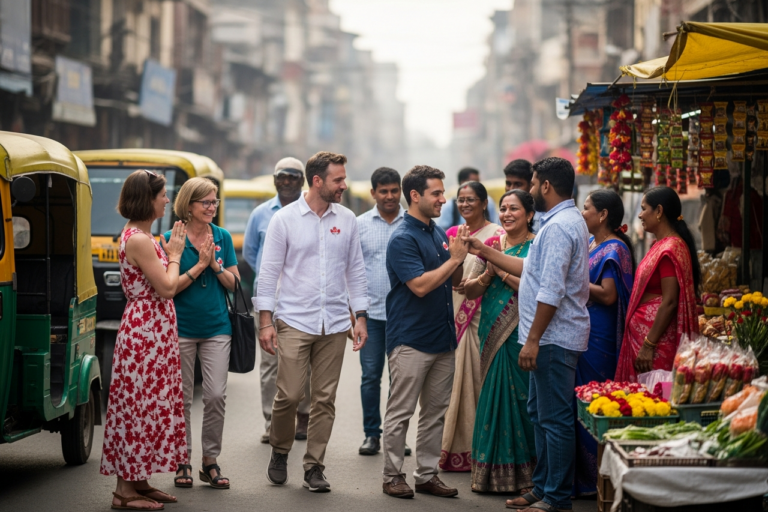
Welcome to India! If you are from Canada and want to see this amazing country, you will see that even a hello can help you meet new people. The culture in India is rich, and there are many ways people greet each other. This shows just how important people and traditions are in indian culture. When you travel from the busy city to small villages, knowing how to say hello will help a lot. It is your first step to having good talks and making new friends. This simple guide will show you the ways you can greet people in india. With these tips, you will feel good about saying hello and leave a great first impression.
Understanding the Importance of Greetings in Indian Culture
In Indian culture, saying hello is more than just a word. It is a gesture of greeting that shows respect and lets others know you see them. The way you greet can set the mood for how the talk goes. Each form of greeting has its own way, and is part of old tradition.
Welcoming people feels important in Indian culture. There are many ways to greet, like a formal bow or a friendly hello. Every group has their own way to show warmth. If you are from another country, learning these types of greetings helps you feel close to the people you meet.
Why Greetings Matter in Daily Life Across India
An Indian greeting is a big part of daily life and a key way to start any talk in the country. People use these greetings in the morning, at night, or anytime they meet someone. Saying “good morning” or using the word “Namaste” makes both people feel good. It is a simple way to bring a smile or help start things on a happy note.
When you are welcoming people, your greeting shows them you have good manners. It is a way to show you know and care about their ways and culture. The type of Indian greeting you use—like “good morning,” “hello,” or even “Namaste”—can show how close you are or how much you want to show respect.
If you use the right greeting, you will get along better with others. In a land with so many different cultures, knowing which greeting to use helps you fit in. Welcoming people with the right words means you want to connect and many will like you more for that.
How Social Context Influences Greeting Etiquette
The social setting has a big impact on greeting rules in India. The kind of greeting you say can change based on who you are talking to. It matters what their age is and how you know them. For example, you use a formal form of greeting like “Namaskar” when you talk to elders, teachers, or for business. A simple “Namaste” is good when you are with friends or people your own age.
Religion also plays a part in greetings. You may hear “As-salaam-alaikum” in a Muslim area or “Sat Sri Akaal” in a Sikh group. These ways to say hello are tied to their cultures and what they believe. Using the right greeting shows you understand and respect their ways. If you are not from there, it is smart to pay attention to what people around you do before you say hello.
The time of day also matters in India for a greeting. Just like in Canada, there is a different way to say good morning (“Suprabhaat”), good evening (“Shubh Sandhyaa”), and good night (“Shubh Raatri”). Noticing these things helps you feel more at home and shows people you care about the local way to greet others.
The Story and Significance of ‘Namaste’
“Namaste” is one of the most common traditional greetings you will find in India. You will hear it in yoga classes back home and on the busy streets of Delhi. But what is the true meaning of namaste? This greeting may sound simple, but it has deep spiritual meaning and roots.
When you say this greeting, it is more than just a word. It shows respect and humility. If you know where it comes from, you can see why it is such a big and loved part of Indian culture. Let’s talk about its spiritual background and learn how to use this salutation the right way on your trip.
Meaning of Namaste and Its Spiritual Roots
The meaning of namaste is spiritual and very beautiful. The word comes from Sanskrit, which is an old language for Hindu texts. It means “I bow to you.” This shows a deep respect and sees the good in the person you greet. It is about honoring that special spark in them.
This gesture of greeting uses a certain body pose. As you do it, you join your hands together in front of the chest, with your fingers up. You then give a small bow with your head. This act goes with the words, so you both share a respectful moment.
Namaste started in the Hindu way of life, but now, the greeting is used in india and in other places too. Today, people of all kinds use it as a sign of peace, respect, and kindness. It’s a warm and simple greeting for anyone.
When and How to Use Namaste as a Visitor
As a visitor, saying “Namaste” is a good way to show that you respect and like Indian culture. This traditional greeting can be used anytime, with almost anyone. You can say it when you meet a new person, thank a shopkeeper, or just say hello. When you say it, people know you are polite and will see your gesture as respect.
When you use “Namaste” to greet someone, it is important to use the right gesture, too. Put your palms together in front of your chest and give a small nod. Doing both the word and the action gives this greeting its special and unique meaning. This way of welcoming people feels genuine. It is simple, non-contact, and shows you are being kind.
Here are a few times when using “Namaste” is a great choice:
-
When you greet elders or people who hold some authority.
-
When you walk into a home, temple, or small shop.
-
As a polite way to say hello and goodbye.
This traditional greeting has a lot of meaning in Indian culture and is a nice way to make others feel welcome.
Regional Greetings and Their Unique Expressions
While most people know “Namaste,” you should know that India is full of different greetings. In north India and south India, you will find many ways people say hello. Every state and community has its own way, and these regional hellos are often in different Indian languages. Each greeting shows the history, culture, and feel of that place and its people.
It can be really fun to explore these local words when you travel around India. You will hear different greetings everywhere. For example, you may hear “Vanakkam” when you are in Tamil Nadu. In Lucknow, people often say “Adab.” If you take the time to learn a few of these greetings in different Indian languages, meeting people will feel warmer and more real.
Exploring Common Hellos from North to South India
As you go from North India to South India, you see many ways people greet each other. Every greeting has its own unique meaning. In North India, places like Rajasthan have greetings like “Ram Ram” and “Khamma Ghani.” People use these with a warm smile. These are a big part of local traditions.
When you get to South India, greetings change as people speak different languages. In Tamil Nadu, the common greeting is “Vanakkam.” It feels much like “Namaste.” In Karnataka, people say “Namaskara,” which is their own way of saying hello. But in every place, the main reason for each greeting is to connect with people in a respectful way.
Here are some regional greetings you might hear:
-
Sat Sri Akaal: This is a happy greeting used by the Sikh community, mostly in Punjab.
-
Adab: This is a formal and friendly greeting. People who speak Urdu use it.
-
Jai Shree Krishna: This greeting is for followers of Lord Krishna. It is widely used in Gujarat.
-
Vanakkam: This is the common greeting in Tamil Nadu.
You will find that the greeting in every state, city, or community in India is a way for people to show warmth and respect. And every greeting, including “Ram Ram,” “Khamma Ghani,” “Jai Shree Krishna,” “Sat Sri Akaal,” or “Vanakkam,” has a unique meaning that is
Sample Phrases: Hello in Hindi, Tamil, Punjabi, Bengali, and More
Learning to say “hello” in different languages is a fantastic way to connect with native speakers. While Hindi is widely spoken, India is home to dozens of languages, each with its own beautiful way to offer a greeting. Even if your pronunciation isn’t perfect, people will appreciate your effort to speak their language.
From Punjabi in the north to Tamil in the south and Bengali in the east, these phrases will help you make a great first impression across the country. Saying “Sat Sri Akaal” to someone in Punjab or “Nomoshkar” in West Bengal shows a level of cultural awareness that goes beyond a simple “hello.”
Here is a quick guide to greetings in some of India’s major languages:
|
Language |
Greeting |
Region/Community |
|---|---|---|
|
Hindi |
Namaste / Namaskar |
Widely used across India |
|
Punjabi |
Sat Sri Akaal |
Punjab, Sikh community |
|
Bengali |
Nomoshkar |
West Bengal |
|
Tamil |
Vanakkam |
Tamil Nadu |
|
Telugu |
Namaskaram |
Andhra Pradesh, Telangana |
|
Urdu |
Adab / As-salaam-alaikum |
Urdu-speaking communities, Muslims |
Conclusion
In short, greetings are an important part of indian culture. They help people come together and build strong ties. The ‘namaste’ gesture is known by many, but there are also local ways that people greet each other in different parts of india. If you take time to learn about these, it can make your visit better. If you use local greetings, you show respect and care for the culture and people. This will make your time with them more real and special. The next time you are in india, try to greet people. A small greeting can help you make connections and might make your trip even better. Try to learn more about these traditions, and you could get to know what makes india special.
Frequently Asked Questions
Are there differences between formal and informal greetings in India?
Indian culture has both formal and informal ways to greet people. When you want to greet someone in a more formal way, you can say “Namaskar.” This is used for elders or at work. “Namaste” is more common and a bit less formal. The time of day you say the greeting and the different Indian languages you use can also change how formal you sound. So, you can pick your greeting to fit the situation. These small rules are important in indian culture and in different indian languages.
Is it polite for Canadians or other foreigners to use traditional Indian greetings?
Of course! It is seen as very polite and respectful for a visitor to use a traditional greeting like “Namaste” in India. The people will like that you are trying to be a part of their culture. This small greeting helps you connect with the welcoming people in the country and is a good way to show respect during your visit.
How do Indian greetings compare to those in Canada?
Canadian culture usually likes a handshake or saying “hello.” In India, people use forms of greeting that do not need touch. These ways of saying hello often have a unique meaning and show respect or feeling. Each kind of greeting, like “Namaste,” uses a special gesture. It shows a different cultural way to greet people.