Key Highlights
-
Understanding Malay greetings such as “Selamat Pagi” (good morning) helps with cultural awareness in Malaysia.
-
Greeting rules in Malaysia put a lot of value on showing respect, mostly to elders. This helps people stay in social harmony.
-
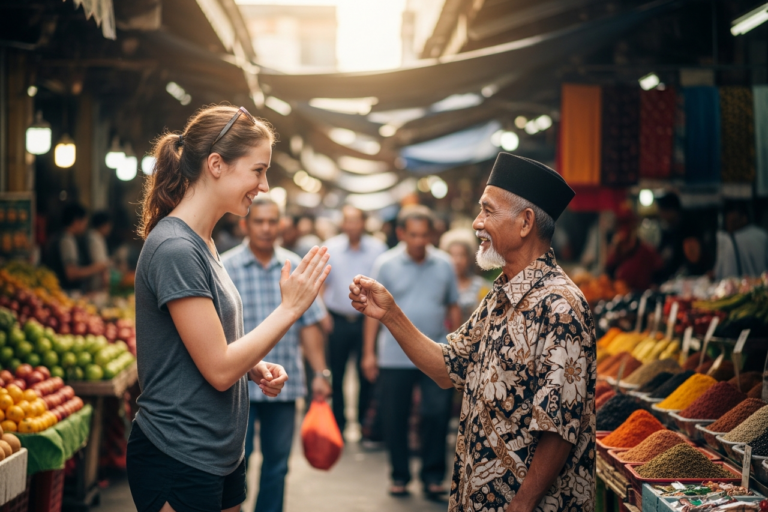
A handshake is the most common greeting. If greeting a woman, wait for her to put her hand out first. This shows you know about gender norms there.
-
The “Salam” is a tradition in Malay. People touch hands softly and then put a hand to their chest.
-
When leaving, it’s common to say “Selamat tinggal” or “Jumpa lagi” as a Malay farewell.
-
People often use quick greetings like “helo” or “apa khabar” in their daily interactions. These common Malay greetings keep things easy and friendly.
Introduction
Welcome to your easy guide on how to greet people in Malaysia. If you are a Canadian and plan to go there, or if you just want to know more about Malay culture, you are in the right place. In Malaysia, a greeting is more than just saying “hello.” It is often the first step to show respect and start a good connection. Here, you will get useful cultural insights to help you understand Malay greetings. You will learn common phrases and the right way to use them. These tips will help you make a good first impression.
Key Greetings Used in Malaysia
When you are in Malaysia, knowing some common Malay greetings helps a lot. The easiest way to greet someone is to say “Helo.” People understand this everywhere. If you want to use a more traditional way, say “Apa khabar?” This means “How are you?”
Learning these small phrases can make your language skills better. It also shows you care about local people and their culture. If you greet someone with “good morning” in Malay, folks will notice and like it. Now, let us go over a few Malay greetings and what they mean in different times or places. This will help you out when you talk to others.
Common Everyday Malaysian Greetings and Their Meanings
In everyday conversations, people in Malaysia use both formal and informal greetings, based on who they talk to and where they are. One of the words you will hear a lot is “Apa khabar?” This is how Malaysians say “How are you?” The usual answer for this is “Khabar baik.” It means “I’m fine” or just “Good.”
These easy phrases are the base of most daily interactions. When you speak with friends in a casual setting, you may just say “Helo” or “Hai.” Picking up these simple, informal greetings is a good way to make friends and get to know people there.
Here are a few essential phrases for your daily chats:
-
Apa khabar?: How are you?
-
Khabar baik: I’m fine / Good.
-
Selamat pagi: Good morning.
-
Helo/Hai: Hello/Hi (informal).
Time-Based Greetings: Good Morning, Good Evening, and More
Just like in Canada, greetings in Malaysia often change depending on the time of day. Using the right time-based greeting is a sign of politeness and cultural awareness. “Selamat” means “safe” or “peaceful,” and it’s used as a prefix for these polite greetings.
For instance, “Selamat pagi” is how you say good morning. As the day progresses, the greeting changes. “Selamat tengah hari” is used around noon, while “Selamat petang” is appropriate for the late afternoon and evening. To wish someone a good night before they sleep, you would say “Selamat malam.”
This table breaks down the greetings by the time of day:
|
English Greeting |
Malay Greeting |
Time of Day |
|---|---|---|
|
Good Morning |
Selamat pagi |
From early morning until about 12 PM |
|
Good Afternoon |
Selamat tengah hari |
From 12 PM until about 2 PM |
|
Good Evening |
Selamat petang |
From late afternoon until evening |
|
Good Night |
Selamat malam |
Used when leaving at night or before bed |
How to Greet in Different Malaysian Languages
Malaysia is a country with many cultures. Most people there are Malay, Chinese, or Indian. Malay is the main language, but you will also hear people speak Chinese and Tamil a lot. If you learn a simple greeting in each language, you can show that you respect the different people in Malaysia.
When you try to use these greetings, people will be happy and friendly toward you. You do not have to worry if your pronunciation is not perfect. People will see that you are making an effort and that is what matters. Now, let’s look at how to say hello and goodbye in Malay, Chinese, and Tamil.
Saying Hello and Goodbye in Malay, Chinese, and Tamil
Learning a few main phrases in malay, chinese, and tamil will help you meet and speak with many people. In malay, you can use “helo” to say hi. You will also hear “apa khabar?” a lot. It is a good way to start talking to someone. When you need to say goodbye, say “selamat tinggal.”
If you want to give a greeting to chinese malaysians, you can say “Nǐ hǎo” (你好). It means “hello” in mandarin. Tamil speakers often use “vanakkam” (வணக்கம்) for greeting. People sometimes press their hands together like in prayer when they say this greeting.
Here are a few phrases you can keep in mind:
-
Malay: “helo” (hello), “selamat tinggal” (goodbye)
-
Mandarin Chinese: “Nǐ hǎo” (hello), “zàijiàn” (goodbye)
-
Tamil: “vanakkam” (hello/greetings), “poitu varean” (goodbye)
Pay attention to the pronunciation of each phrase. When you say them as close as you can, it helps you make a good connection with malaysians.
Pronunciation Tips for Key Phrases
Don’t let the way Malay words sound scare you. This language is easy to pick up because it is phonetic. Each word is said just like it looks. That can really help you with language learning. The vowels stay the same every time, not like English. For instance, the ‘a’ is always said like the ‘a’ in “father.”
To say words in Malay the right way, listen to native Malay speakers. You can also check out online tools for practice. Try to make consistent practice a part of your day. Most Malaysians will be kind about your effort. They will like that you try, even if your sound is not perfect.
Here are some tips to help you with Malay pronunciation:
-
A is always the same as the ‘a’ in “father.”
-
E can sound like the ‘e’ in “bed” or like the ‘a’ in “about.”
-
I will be just like the ‘ee’ in “see.”
-
C will always sound like ‘ch’ as in “chair.”
Greeting Etiquette and Customs in Malaysia
In Malay culture, the way you greet others is very important. Proper greetings help keep social harmony and show politeness. The greeting you use tells people how much you respect them. Malay people change the formality of a greeting depending on age, status, and how close you are with someone.
People in Malaysia take proper greetings seriously. It’s good to follow the local way of doing things. For instance, when you meet a group, make sure to greet the eldest person first. The malay greeting is not just about words. Sometimes, certain gestures show respect, too, especially with elders and strangers. These small details matter a lot in Malay culture.
Respectful Practices When Greeting Elders and Strangers
Showing respect to elders is very important in Malaysia. When you greet someone older, it means a lot to do it with care. You should greet the oldest person first when you meet a group. This shows that you respect their place and want to keep good social harmony.
People often call older folks “pakcik” which means uncle, or “makcik” which means aunty, even if they are not your relatives. This is a nice and friendly thing to do. It helps everyone get along well and makes the group feel like one. In formal settings, you can make a slight bow with your head to show you respect them.
Here are some simple ways to show respect:
-
Greet the eldest person in a group first.
-
Use titles like “pakcik” (uncle) and “makcik” (aunty).
-
Give a slight bow of the head when greeting someone older.
-
In formal situations, younger people may place their forehead on the back of an elder’s hand.
Physical Gestures: Shaking Hands, Nodding, and the “Salam”
Physical gestures are very important in Malaysia when people say hello. The handshake is the one people use the most in every group. But you need to know the rules, especially for men and women. For example, if you are a man meeting a Muslim woman, you should wait and see if she wants to shake hands first.
You can always nod or show a slight bow. These ways are safe and show you respect the other person. Another good choice is the Salam, a malay greeting. To do the Salam, you gently touch the person’s hands and then bring your own hand to your chest. This means you greet that person with your heart.
Key physical gestures include:
-
Handshake: This is common for a greeting, but remember the rules for men and women.
-
Salam: This is a two-handed greeting used by malay people. After you touch hands, bring your hand to your chest.
-
Slight bow: This is a way of showing respect, especially for older people.
-
Nodding: You can use this polite gesture if you are not sure how to greet someone.
Greeting Differences Among Malaysian Ethnic Groups
Malaysia has people from many backgrounds. Because of that, you will see different greeting customs among each group. Most people follow some basic ways, but the Malay, Chinese, and Indian groups also have their special traditions. This mix is one thing that makes Malaysia interesting and unique. When you understand these small things, you show care for malay culture.
If you notice and follow these customs, you will show that you respect malay culture. You will help keep social harmony in the country. Here are some greeting customs and words you may see in these groups in malaysia.
Malay Customs and Phrases
For the Malay community, a greeting is very important when it comes to respect and social harmony. The most common way to say hello is the Arabic phrase “Assalamualaikum.” This means “peace be upon you.” The right way to answer is to say “Wa’alaikumussalam.” This type of verbal greeting is often more formal and used with Muslims.
During daily interactions, you will hear time-based greetings like “selamat pagi,” which means good morning. These are used a lot. When it comes to casual greetings with friends, saying “Helo” or “Apa khabar?” works just fine. “Apa khabar” means “how are you?” There is also a special way to greet called the “Salam” gesture. In this gesture, you gently touch hands and then place your hand over your heart. It is a very nice way to show honesty.
All these greeting customs—whether they are formal greetings or casual greetings—help make the community stronger. If you use these greetings the right way, it shows you care about their traditions and that you are really trying to connect with Malay people in a good way.
Unique Chinese and Indian Greeting Traditions
Malaysian Chinese and Indian groups each have their own ways to greet others. People do handshake a lot, mainly at work. But you may see other types of greeting, mostly with old customs or when things are relaxed. For instance, older Chinese Malaysians may look down during a greeting. That shows respect.
In the Chinese group, how they say hello can change with the time of day. This is a bit like Malay style, but it’s not as common now. You will often hear the Mandarin words “Nǐ hǎo.” People understand this well. In the Indian group, they usually use “Vanakkam” as their greeting. They also use the “namaste” gesture by putting their palms together at the chest. They bow a bit, too.
How formal the greeting needs to be will depend on things like age and how well the people know each other. When you follow and use the right greeting in Malaysia, it shows you respect all the groups and their deep culture.
Greeting in Formal Settings in Malaysia
When you are in formal settings in Malaysia like a work meeting or any official event, you have to be careful about how you act. For example, it is very important to show respect to people who have positions of authority. The way you greet them really matters, because the first greeting can set how the rest of your talk will go.
You should use formal language and call people by the right titles. So, you could say “Mr.,” “Mrs.,” or “Doctor” when you talk to someone who holds that position. This is a common way to show respect in these formal settings. Next, we will go over the special rules for meetings, and talk about why using the right words is so important in business in Malaysia.
Professional Etiquette for Meetings and Introductions
In formal situations like a business meeting, you will often see a handshake as the first step toward making a good impression. It helps to be firm and show confidence in this simple part of a greeting. When it is time to make an introduction, be sure to say your full name and your company. It is good manners to call people by their title and last name, such as “Mr. Tan” or “Dr. Siti.” This stands until they say you can use their first name.
Showing this sort of politeness lets them know you respect their role at work. When you have to introduce two people, always tell the name of the one with the lower rank to the one with higher rank first. Sticking to this order is a key part of business culture in Malaysia.
You should know that a handshake is normal, but with conservative Muslim coworkers, it may be different—you might not get a handshake in cross-gender situations. In these cases, a nod and a smile show politeness and are a safe move if they do not offer their hand.
Language Choice and Tone in Business Contexts
The words you choose and how you speak really matter in a business setting in Malaysia. Many people use English at work, but using a few words in Malay, like “selamat pagi” for good morning, can help you get along better with others. When you start a meeting with “selamat pagi,” it feels warm and friendly.
It’s important to always talk in a polite and kind way. Malaysians like it when things go smoothly. Try not to sound too direct or cause any arguments. The thing you should aim for is to make a good and strong work relationship.
Using English or even just a few Malay phrases like “good morning” shows that you respect their culture. This simple action can really help you do well in business there. It lets you connect with Malaysians more easily.
Farewells: How to Say Goodbye Politely
Just like greetings, saying goodbye in the right way matters a lot in Malaysia. A good farewell can leave people with a good feeling about you. In Malay, there are a few common ways to end a talk, like “Selamat tinggal” and “Jumpa lagi.”
The words you use depend on the time and who you are talking to. Giving a polite farewell shows that you care and that you respect the other person. Let’s look at some common ways to say farewell in Malay and find out when to use them.
Common Farewell Expressions in Malay and Other Languages
When you want to say goodbye in Malaysia, you have a few ways to do it in Malay. The most formal way is to say “Selamat tinggal.” This means “goodbye.” People use it when they are leaving for a long time. If you are in casual settings, you may often hear “Jumpa lagi.” This means “See you again.”
With friends, you can just say “Bye-bye.” It’s very casual and simple. The words you use will depend on the time, the place, and who you are talking to.
Here are some common words people use for a farewell in Malaysia:
-
Selamat tinggal: Goodbye (formal, used when leaving for a long time).
-
Jumpa lagi: See you again (common, not too formal).
-
Bye-bye: Bye (very casual, say this with friends).
-
Zàijiàn (再见): Goodbye in Mandarin.
When and How to Use “Selamat Tinggal,” “Jumpa Lagi,” and Other Goodbye Terms
Picking the right word to say goodbye matters the same as using proper greetings. When you want a formal goodbye in Malay, say “Selamat tinggal.” This means “stay safe” in English. The person leaving says it to the one who will stay, especially if they will not see each other for a long time.
If you want a more casual way, use “Jumpa lagi.” It means “see you again.” People use this phrase in Malay when they think they will see someone soon. It is friendly and close to saying “See you later!” in English.
It is good to use the right term as it helps you show that you know the language and what matters in the culture. For very casual goodbyes to friends, just giving a wave and saying “bye-bye” is fine. You can look at how the locals do it to pick the best phrase for each time.
Conclusion
To sum up, knowing how to greet people in Malaysia is important. It helps you show respect and build good ties with people from different backgrounds. The little things in a greeting show how rich and mixed Malaysian life is. When you greet people, you get a better feel for the culture and can blend in more.
From saying “Selamat Pagi” or giving a nod, each greeting means something special. It does not matter if you are at work or just out and about—every greeting has its place. If you pick up local ways to say hello, you will enjoy your time in Malaysia even more.
Don’t be shy about asking about greetings like “pagi” or if you need any help. I am here if you have any questions!
Frequently Asked Questions
Is it appropriate to shake hands when greeting in Malaysia?
Yes, people in Malaysia often use a handshake as a greeting, mainly when they are at work or in a business meeting. But, you should also think about the conservative norms there. If a man is greeting a Muslim woman, he should wait to see if she puts out her hand for a handshake first. If she does not, it is polite to just nod and give her a smile.
What is the significance of “Salam” in Malaysian greetings?
The “Salam” is a greeting from Malay culture. People do it to show respect and to be honest in their greeting. You touch someone’s hands gently, then put your own hand on your chest. This way, you show that your greeting comes from your heart. It helps people feel close and keeps social harmony in the malay group.
How should I greet someone if I am unsure of their background?
If you do not know someone’s ethnic or religious background, the most appropriate greeting is to give a friendly smile and a nod. You can also say “Hello” in English, as it is known and accepted by most people. This way, you show respect and let the other person lead with a more specific greeting if they want to.