Key Highlights
-
In Fiji, the most common greeting is “Bula.” It is a warm way to say hello and means “life” and “good health.”
-
Fiji has three official languages: Fijian, English, and Fiji Hindi. English is spoken by many people, so travellers usually have no problem talking with others.
-
Saying simple Fijian language words, like “Bula” and “Ni sa bula,” is seen as good manners. It shows respect for the local culture.
-
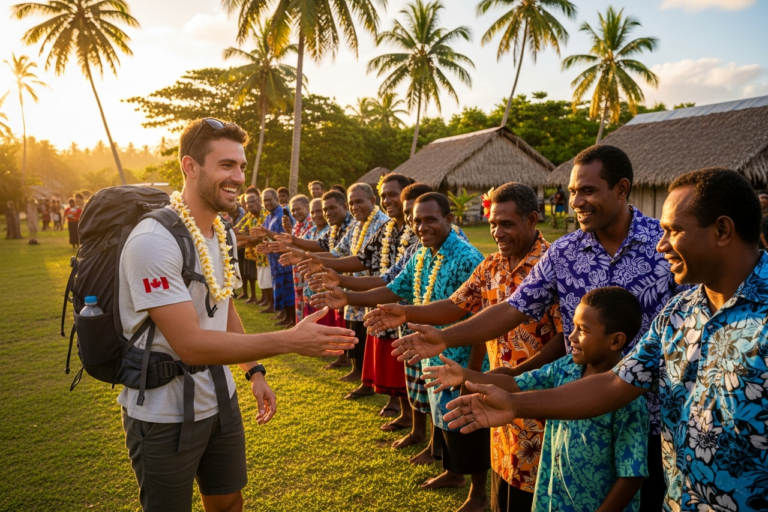
When people greet each other in Fiji, they often add more than words. There can be handshakes, nods, and special body language too.
-
When you answer someone with a smile and say “Bula” back, it is a great way to connect with the welcoming people in Fiji.
-
People use formal greetings like “Ni sa bula” with elders or in respectful moments. Doing this shows you know about good manners in Fijian culture.
Introduction
Are you thinking about taking a trip from Canada to the South Pacific islands of Fiji? Meeting the people in Fiji can be a great part of this trip. They are known to be welcoming and warm. If you know some customs and a bit of the Fijian language, it will help you a lot. This makes it easier to talk with local people and build real connections.
Learning some greetings and basic manners while in Fiji lets you be respectful, and it can turn regular moments into special ones. This guide will help you to know the main greetings and give you simple tips on cultural etiquette in the South Pacific. It will help you feel sure about your trip and ready to enjoy all the good moments with the people in Fiji.
Fijian Language Basics for Canadian Travellers
Before you start to work on your greetings, it is good to know about the languages you may hear in Fiji. The country has three official languages. This shows the rich background and mix of people in Fiji.
The Fijian language is important in Fiji. It is used by many native Fijians, and these people are more than half of all the people living there. English, which is taught to most as a second language, is the most commonly spoken language for visitors. You will see that if you try to use a few words of Fijian, people in Fiji will like it and be happy you made the effort.
Common Languages Spoken in Fiji
The way people speak in Fiji shows both its local past and its time as a British colony. There are three official languages of Fiji. These are Fijian, English, and Fiji Hindi. Fijian is the first language for the native Fijians. They make up about 54% of the people living there. You will most often hear Fijian when you visit small villages or see cultural events.
About 37% of the people in Fiji are Indo-Fijians. Most of these people use Fiji Hindi as their first language. You can hear Fiji Hindi in markets and in places where many Indo-Fijians live. This language helps add to Fiji’s rich mix of cultures.
English is still one of the official languages of Fiji because the country was a British colony starting in 1874. Not many people have English as their first language, but it is taught in schools. English helps people from different parts of Fiji talk with each other. It also makes things easy for Canadian visitors. No matter which language people speak in Fiji, they all greet others with a bright “Bula!”
Importance of Greetings in Fijian Culture
In Fijian culture, people see greetings as more than a simple act. It is a way to show their welcoming and friendly nature. When you take time to greet someone the right way, it shows you have good manners and respect. You also let that person know you see them and that they matter.
The most well-known greeting is “Bula.” Many use it to say “hello.” Still, the word means more in Fijian culture. “Bula” means “life.” So when you say it to someone, you are really wishing them good health and a long life. This shows the good heart and life-loving way of Fijian people.
The focus on being friendly shapes every meeting in Fiji. You could be standing in a busy market or sitting in a quiet village. Your warm greeting lets others know you want to share in the local culture, and you will almost always get that warmth back.
Understanding ‘Bula’ and Other Popular Fijian Greetings
While “Bula” is the most well-known greeting in Fiji, it is good to know a few more key Fijian words. This will help your time in Fiji be even better. Using these short phrases shows you have respect for the local culture.
You may hear “Ni sa bula.” This is a more formal way to say “hello.” To show thanks, say “Vinaka.” If you want to be even more thankful, say “Vinaka vaka levu” for “thank you very much.” If you need to say “no,” use the word “Sega.” Learning these easy Fijian words is a nice way to let people know you care.
Together, we will look into the meaning of “Bula,” ways to use “ni sa bula,” “ni sa,” “sa bula,” and how to use Fijian greetings during the day.
Meaning and Significance of ‘Bula’
You will hear the word “Bula!” everywhere in Fiji. People say it when you land and on your last day on the islands. If you want to say “hello” in Fijian, you can use “Bula” or, to be more formal, “Ni sa bula.” This word may look like just a greeting, but it means much more.
“Bula” means “life.” When you greet someone with “Bula,” you want them to have good health and a happy life. You are wishing them well. This word shows the warmth and bright spirit that is the heart of Fijian culture. It is how people in Fiji wish for well-being and joy for both friends and strangers.
Saying “Bula” is a good way to connect with people. When you use it, you join in a tradition that values life, health, and togetherness. It is a simple word, but it means you are open to the friendly spirit of Fiji and the Fijian people. Saying “Bula” or “Ni sa bula” is about sharing good health and happiness with others.
Greeting Etiquette for Different Times of Day
While “Bula” is a greeting you can use any time, people in Fiji also have special greetings for different times of the day. Using these ni sa bula greetings can show that you know and care about their culture. This is a great way to make a good impression. The people there will notice that you took the time to learn something about their language.
For example, saying “good morning” with “Ni sa yadra” helps start the day right. Like in English, it is good to greet people in a way that matches the time of day. It’s a simple thing, but it means a lot.
Here are some greetings you can use at certain times of the day:
-
Good Morning: “Ni sa yadra” (pronounced ni-sah-yan-dra)
-
Good Evening: There is not a direct greeting for this, but a happy “Bula” is still nice.
-
Goodbye: “Ni sa moce” (pronounced ni-sah-moe-they)
If you remember to use “Ni sa yadra” in the morning, it will help you connect with your hosts or anyone new that you meet. For any other time of day, people will also like hearing “Bula” or “Ni sa bula.” These greetings always sound polite and friendly.
Cultural Etiquette and Customs Around Greetings
In Fijian culture, greetings are more than just words. The way you move, your hand gestures, and how you act matter as much as what you say. This shows respect and shows you are friendly. To have good manners in Fijian culture, you need to understand these ways of showing respect without speaking.
A smile is always good and can mean a lot. Yet, in Fijian greetings, there are other things to keep in mind. For example, how you shake hands and the way you talk to people who are older or hold higher respect. Paying attention to these small things shows you have respect for their traditions. Let’s look at these special gestures and the right way to answer when someone greets you in Fiji.
Gestures, Body Language, and Respectful Greetings
Yes, there are several important gestures and customs that accompany greetings in Fiji. A handshake is a common way to greet people, but it might be different from what you’re used to in Canada. Indigenous Fijians often give a single handshake and then continue to hold the person’s hand during conversation as a sign of warmth and connection.
Respect for status and age is also shown through body language. You might see people offer a respectful nod instead of a handshake when greeting someone of a different age, gender, or social standing. For Indo-Fijians, particularly in rural areas, the traditional greeting is “Namaste,” said with palms pressed together and a slight bow.
Here is a quick guide to common gestures:
|
Greeting Situation |
Appropriate Gesture or Custom |
|---|---|
|
General Greeting |
A handshake, which may be held for a prolonged time. |
|
Greeting an Elder |
A respectful nod is appropriate if a handshake is not initiated. |
|
Women Greeting Women |
A hug and a light air kiss or “sniff” near the cheek. |
|
Indo-Fijian Greeting |
Palms pressed together at the chest, a slight bow, and saying “Namaste.” |
Responding to Greetings as a Visitor in Fiji
When someone in Fiji greets you with a friendly “Bula!”, the best thing to do is smile and say “Bula!” back. This simple reply shows that you are open and friendly. It is what most people in Fiji expect. Do not feel shy about it. Your smile and effort will make people happy.
After saying “Bula,” you can also use other words you may know. If someone helps you or does something nice for you, you can say “Vinaka.” This means thank you in Fijian. Saying “Vinaka” lets them know you care about their local ways and that you want to connect.
When you say “Bula,” make sure your voice is upbeat. A happy “Bula” is nice to hear. It spreads good feelings. Try not to be quiet or unsure. Enjoy the moment and show your positive energy. This is the Fijian spirit!
Conclusion
To sum up, learning about greetings in Fiji is more than just knowing the right words to use. It is about getting to know fijian culture and feeling the warmth of its people. Using greetings like “Bula” can really help you have a better trip. It lets you connect with local people in Fiji in a good way. When you follow greeting rules and use proper gestures, you show that you respect and value the fijian way of life. This can help you create special memories during your stay. Before you head to this great island nation, remember that even a small greeting may help you meet new people and learn about their culture. If you want to know more about how to get along with people in Fiji or about fijian culture and greetings, you can always ask for more help. Have a safe trip!
Frequently Asked Questions
How should Canadians pronounce Fijian greetings?
Fijian pronunciation is easy to pick up because it is spoken the way it is written. The vowels in Fijian sound like “ah,” “eh,” “ee,” “oh,” and “oo.” When you say some consonants, things can get tricky. The letter ‘c’ is said like ‘th,’ and ‘d’ is spoken with a soft ‘n’ before it, so it sounds more like ‘nd.’ That is why “Bula” is simple to say as “boo-lah,” but “moce,” which means goodbye, becomes “moe-they.” It is a good idea to listen to how people who live there speak. That is the best way to learn Fijian pronunciation, how to say vowels and tricky consonants like ‘lah’ and others.
What’s the best way to greet elders or respected people in Fiji?
To greet elders or people with high status in Fijian culture, say “Ni sa bula.” At the same time, make a small nod with your head. Doing this shows good manners. It also shows your respect and deference. This way of greeting is important in Fijian culture. People in Fiji appreciate it when you use “ni sa bula,” “ni sa,” or “sa bula” with the right body language.
Are there any essential phrases Canadians should learn before visiting Fiji?
Besides “Bula” which means hello, and “Vinaka” which means thank you, there are a few other key words that you can use. “Yalo vinaka” or “Kerekere” means please, and “Au sega” or just “sega” means no or I don’t. If you know and use these words, it will help you get along with people. It also shows that you want to learn and take part in their culture.