Key Highlights
Here is a quick overview of what you will get to know about greeting people in Bangladesh:
-
The most common greeting in Bangladesh is “Assalamu Alaikum.” This is a way to show respect, and it comes from the Muslim culture.
-
In formal settings, “Nomoshkar” is used as a polite hello. You will hear it more in Hindu groups.
-
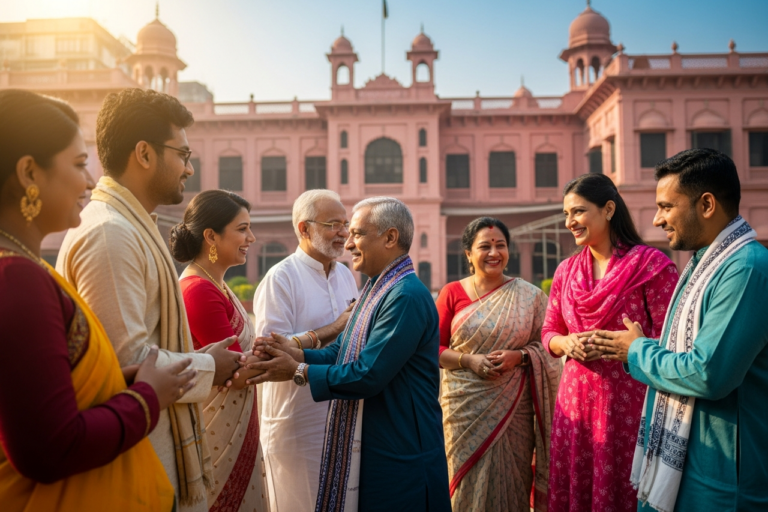
When you meet elders, a small nod and a gesture with your right hand mean you respect them.
-
Friends talk to each other in a casual way, and may say “Kemon achho?” which is “How are you?”
-
Knowing the right way to say basic Bengali words will help you get closer to the local people.
-
Some people do use English, but when you try to talk in Bangla or bengali, it shows you want to learn about the culture.
Introduction
Are you getting ready for a trip to Bangladesh? Or maybe you want to connect with Bengali friends right here in Canada. Knowing how to say the right greeting can help you make a good first impression. Sometimes, a “hello” in English is okay. But if you take the time to learn a greeting in the local language, it shows respect. It also helps you have better talks with people. This guide will help you learn the simple greetings used in Bangladesh. You will feel more ready and confident to talk with others.
Overview of Greeting Customs in Bangladesh
Greeting customs in Bangladesh show a lot about the people, the culture, and the faiths you will find there. In many places of Bangladesh, people say “Assalamu Alaikum” as a greeting. It means “Peace be upon you.” You will hear people say this in day-to-day life, both in serious and in relaxed get-togethers.
There are other greetings as well. The one you hear can change depending on who you meet, where you are, or what is going on. If you learn a bit of the local vocabulary, you will find it much easier to get along with people. It helps a lot if you want to meet someone new or just speak with a friend again. When you know what greetings to use in Bangladesh, you show care and real respect to people.
Cultural Importance of Greetings
In Bangladesh, saying hello is more than just a greeting. It is a sign of respect and shows warmth and care. People in Bangladesh use a greeting to welcome you. It can say much more than just hello. It tells people that you see their traditions and want to be polite.
A greeting in Bangladesh is not as quick as a wave or nod you might give someone in Canada. In this place, greeting someone is important. It is a key part of how people act with each other. The greeting you use helps begin the talk in a good way. It also tells others that you know and respect the culture in that country.
When you meet someone for the first time, the phrase you pick matters a lot. If the talk is formal and you want to show respect, say “Nomoshkar.” In many homes and at social events in a mostly Muslim area, people use “Assalamu Alaikum.” This is the most common way to greet people there. People will be happy to hear it.
Showing respect with the right greeting is valued in West Bengal in India as well. Bengali is spoken there too. Still, the words you use and what you say might change a little across India and Bangladesh. If you greet people using good Bengali, it will show you care as a visitor and want to fit in. This is true in Bangladesh, in India, and in any area where Bengali is part of daily life.
Common Situational Contexts for Greetings
The type of greeting you use in Bangladesh depends on where you are and who you are with. It can be a formal meeting or just talking with a friend. If you know the right way to say hello, it helps you have a good talk with people there. The way you greet changes between formal and informal situations, and it is important to know these changes.
A common Muslim greeting, like “Assalamu Alaikum,” is used a lot in Bangladesh. You can say it in both formal and informal greeting situations. When you shake hands in Bangladesh, mostly between men, always use your right hand. The left hand is seen as not clean. When you greet women, it is better to give a small nod and say hello instead of a handshake, unless they begin the handshake first.
Here are some ways you can say hello in different situations:
-
Formal meetings: You can say, “Apni kemon achhen?” (How are you?) after you greet someone.
-
Meeting elders: It is good to bow your head a bit with the greeting. It shows big respect.
-
Informal greeting with friends: You can use “Kemon achho?” (How are you?) for friends.
-
Shopping at a market: Saying “Nomoshkar” is a good way to greet a shopkeeper and start talking.
These greetings in Bangladesh show that you are polite and help you get along with others in daily life.
Essential Bengali Greetings and Their Meanings
Learning some basic Bengali words is a good way to connect with people in Bangladesh. You do not need to have perfect pronunciation. When you try to speak in Bangla, the effort will make locals happy. The Bengali language, or Bangla as they call it, comes with many warm phrases. These go farther than just saying “hello.”
You do not have to be a language expert to try this. In many cities, people speak some English too. Still, if you know some simple Bengali greetings, it will make your time in Bangladesh better. Using these words helps you meet people and get along well with them. Let’s look at some easy phrases and what they mean to help you get started.
Everyday Words like “hello” and Simple Phrases
To get by in everyday life, it is good to have some easy phrases in your vocabulary. The best way to give a formal greeting in Bengali is to say “Nomoshkar.” This greeting is respectful. It is known by many people, and you can use it in most cases, like meeting someone new for the first time.
After saying hello, many people will ask how you are. For this, say “Kemon achho?” if you are talking in a casual way, like with friends or other people you know well. When you speak with older people or in formal times, you should say “Apni kemon achhen?” That shows respect. Try to focus on the right pronunciation to help people understand you better.
Here are some basic Bengali words and phrases to include in your vocabulary:
-
Shubho shôkal: Good morning
-
Shubho ratri: Good night
-
Dhonnobad: Thanks
-
Biday: Goodbye
-
Bhalo achhi: I’m good
Translating Basic Greetings into English
Having a clear translation of basic Bengali greetings can be a lifesaver. While knowing the Bangla phrase is great, understanding its direct English equivalent helps you know when and where to use it. This simple translation guide will build your confidence when interacting with native speakers.
Getting the pronunciation right is just as important as knowing the words themselves. Listening to native speakers or using online resources can help you master the sounds. Many basic Bengali words are straightforward, and with a little practice, you will be communicating in no time.
Here is a simple table to help you with translation and pronunciation:
|
Bengali Phrase |
Pronunciation |
English Translation |
|---|---|---|
|
Nomoshkar |
No-mosh-kar |
Hello (Formal) |
|
Kemon achho? |
Ke-mon a-chho? |
How are you? (Informal) |
|
Apni kemon achhen? |
Ap-ni ke-mon a-chhen? |
How are you? (Formal) |
|
Shubho shôkal |
Shu-bho sho-kal |
Good morning |
|
Dhonnobad |
Dhon-no-bad |
Thanks |
Formal and Informal Ways to Greet in Bangladesh
In Bangladesh, people pay a lot of attention to how they greet each other, and this is seen as a big part of being polite. Picking the right greeting shows you get and respect the culture. When you meet elders or work people, you should use a formal greeting. You need to speak in a way that sounds more respectful, with the right words for that moment.
But an informal greeting is fine when you are with friends, family, or school mates. The common Muslim greeting “Assalamu Alaikum” works in both formal and informal settings. Still, it helps to know some other ways to say hello so you can fit in and sound comfortable with people in different times and places. This is a good way to show respect when you greet people in Bangladesh.
How to Greet Elders and Show Respect
Showing respect to elders is very important in Bangladeshi culture. How you greet someone shows this respect. When you meet a person who is older than you, you should speak in a formal and polite way. Your actions matter just as much as your words.
One way people often greet elders is by saying “Assalamu Alaikum” or “Nomoshkar”. You can also nod your head a little. This is a sign that you respect that person. You should always use your right hand for actions like waving or shaking hands. Using the left hand can be taken as a sign of disrespect.
To greet elders well, remember these points:
-
Use the formal “Apni kemon achhen?” when you ask how they feel.
-
Do not use very casual words or any slang.
-
Stand up to greet them any time an elder walks into the room.
-
If an elder puts their hand on your head, you are being blessed.
-
Using a common Muslim greeting is always a good and safe way to greet.
These habits help you show proper respect in greetings. It is good to follow them to make a good impression in Bangladeshi culture.
Peer, Friend, and Colleague Greetings Explained
When you meet with friends, peers, or others in Bangladesh, you can greet them in a much more relaxed way. The formal rules are not so strict, and you can use an informal greeting in your talk. This helps create a more friendly, easy time together.
For example, you can say “Kemon achho?” when you want to ask “How are you?” instead of using a formal question. Men often shake hands, and sometimes good friends may even give each other a short hug. With women, a handshake or a gentle touch on the arm is common. When you learn these basic Bengali words for simple, casual talks, you fit in well.
Here are some tips for a greeting with peers in Bangladesh:
-
Use “Kemon achho?” to ask a casual “How are you?”
-
Many younger, city people just say “Hello” or “Hi” to greet others.
-
Handshakes are common in a greeting, but you should wait, and see how the other person wants to greet you.
-
When you are with close friends, you might call each other by nicknames, and joke a little as you greet them.
-
You can say “Bhalo achhi” (“I’m good”) when you answer “How are you?”
Using simple informal greetings and basic Bengali words helps you connect with people in Bangladesh. This makes you feel like you really belong there.
Conclusion
To sum up, knowing how people give a greeting in Bangladesh is about more than just words. It helps you see and feel the values and culture of the country. Greetings are a big part of life in Bangladesh, and they show respect, kindness, and a sense of being together. When you say a simple “hello” or give a greeting to elders, you show care and understanding. When you travel in Bangladesh or greet someone, being aware of these customs helps you build better connections. It also helps you earn respect from others and can close the gap between you and them. If you want to learn more about how to handle cultural exchanges or proper greeting in Bangladesh, you can get in touch for help or advice!
Frequently Asked Questions
Is ‘Assalamu Alaikum’ widely used in Bangladesh?
Yes, “Assalamu Alaikum” is very common in Bangladesh. The people there use this greeting all the time because most of them are Muslim. You will hear it in a lot of places, like at work meetings and in daily life. The way to say this greeting is “As-sa-laa-mu-alai-kum.” It is the most respectful way to greet someone you will find in Bangladesh. So, if you use this greeting, it will always sound good and right.
How should Canadians respond to Bengali greetings?
If someone says “Assalamu Alaikum,” you should reply with “Wa-Alaikum-Assalam.” If you hear “Nomoshkar,” answer back with “Nomoshkar.” People also like when you greet with a smile and a nod. If you are not sure what to say, it’s good to answer in English. You can use your right hand for all gestures. This is seen as good and polite.
Are there any regional differences in greeting styles?
Yes, there are some small differences. Most of the vocabulary is the same. People in West Bengal, India, may say “Nomoshkar” more often than “Assalamu Alaikum.” This is because there are different groups of people living there. Still, almost all basic greetings are known by people both in Bangladesh and West Bengal. They share many words and ways of saying hello.