Key Highlights
-
In Oman, greeting others is a big part of the culture. People use it to build good relationships.
-
The usual way to greet someone in Arabic is to say “As-salaam ‘alaykum.” This means “peace be upon you.”
-
Good manners, or etiquette, mean you should shake hands with your right hand. Public displays of affection are not liked.
-
Arabic is the official language there. When you learn and use a few phrases, it shows respect and can help you get to know people.
-
Gender matters in greetings. It is best to wait for a woman to put out her hand first before you go for a handshake.
-
In Omani greeting traditions, making a real connection is important. People often share a warm smile and make eye contact.
Introduction
Are you a Canadian who wants to go to Oman? You will see beautiful places and meet amazing, friendly people there. If you are going to Muscat, it helps to learn about the local ways to do things. In Oman, people think saying hello in the right way matters a lot. A good greeting in arabic is seen as the start of every friendship. Try to learn a few simple arabic words. Knowing the right etiquette can help you talk with Omani people. This way, you will get to see their kind and warm side for yourself.
Popular Omani Greetings and Their Meanings
When you go to Oman, it helps to know how to say hello in Arabic. People in Oman use the greeting “As-salaam ‘alaykum,” which means “peace be upon you.” It is the most common way to greet someone. You can also say “Marhaba,” and it means “hello.”
Arabic is the official language in Oman. People there like it when you try to use some simple Arabic words. Even just saying simple things like good morning or good evening is a good way to show respect. When you greet someone with these words and a smile, people will welcome you. And, if you want to say thank you, use “Shukran” to show you are thankful.
Common Arabic Phrases Canadians Should Know
If you want to connect with people you meet, it helps to know some useful phrases. Saying more than hello, like asking how someone is, helps show you care. These little greetings can make talking to new people a lot easier and also more friendly.
When you learn and use these Arabic phrases, it will be good for you and also make the Omanis feel happy. Just start with one or two. Use them when you meet a taxi driver, or when you talk to someone in a shop. You may get a warm smile or a nice answer back.
Here are some key phrases to try out:
-
As-salaam ‘alaykum: Peace be upon you (The standard greeting).
-
Kaif halak?: How are you?
-
Sabah al-khair: Good morning.
-
Masa al-khair: Good evening.
-
Shukran: Thank you.
-
Min fadlak: Please.
Omani Greetings for Different Times of Day
Just like in Canada, greetings in Oman can change depending on the time of day. Using the correct phrase for the morning or evening shows cultural awareness and respect. The official language is Arabic, so using these specific Arabic words will be well-received in both formal and informal settings.
When you greet someone, remember to offer your right hand for a handshake, as this is a sign of respect. These time-specific greetings are part of the daily rhythm of life in Oman and are a wonderful way to participate in the local culture. A warm smile paired with “Sabah al-khair” is a perfect way to start your day.
Here is a simple table to help you remember the right greetings for different times of day:
|
English Greeting |
Arabic Greeting |
Pronunciation |
|---|---|---|
|
Good Morning |
Sabah al-khair |
sa-bah al-kheyr |
|
Good Evening |
Masa al-khair |
ma-sa al-kheyr |
Greeting Etiquette: What Canadians Need to Know
Understanding how to greet someone in Oman is important if you want to have good and respectful talks. A greeting here is not only about what you say. It also means knowing the right actions and the way things are done. For example, people usually shake hands in Oman. You must use your right hand every time. Keeping real eye contact and showing a warm smile helps your greeting feel honest.
One big thing Canadians should know is about public displays of affection. These are not allowed at all in Oman. In some cases, just a head nod works as a greeting, mostly when you are far from the other person. If you keep these greeting rules in mind, you will stay away from awkward moments. Next, we will talk about how to use what you just learned in both public and private places.
Respectful Ways to Greet in Public and Private Settings
The place where you meet someone in Oman can change how you say hello. In busy places, like markets or when you ask someone for help, it is good to be a bit reserved. A quick greeting with a head nod and a smile is just right and respectful there.
If you get invited to a private place, like someone’s home, the greeting might be warmer. When men meet, a handshake with the right hand is usual. The Omani way to greet often has real eye contact and some questions about the person’s family or how they are doing, even if you do not know them well. This shows you care about people and not just about getting something done.
Here are a few simple tips for greeting in different settings:
-
Always use your right hand when you shake hands or give something.
-
In public, a polite head nod and a smile can be enough.
-
Keep friendly eye contact to show you mean it.
-
In private homes, get ready for a greeting that seems warmer and more personal.
Gender Dynamics in Omani Greetings
In Omani culture, it is important to know how people greet each other, and gender plays a big part in it. Most men greet other men with a handshake. It is also common for friends or family to touch noses after shaking hands. But as a visitor, you do not have to do this.
For greetings between a man and a woman, things are a bit different. The woman should be the one to start any handshake or touch. If she reaches out her hand first, then you can shake it. If she does not, a nod and a short greeting are good. This proves you respect her space and the local rules.
Women often greet other women with a handshake. Friends may also give each other a kiss on the cheek. If you are from Canada visiting Oman, the best thing to do is to smile, say hello, and wait to see what they do. You can use a verbal greeting or, if a handshake is offered, you can take part. Good eye contact is nice, but do not stare. Use a handshake, eye contact, and a smile to start well when greeting people in Oman.
Conclusion
To sum up, knowing and using the right greeting ways in Oman can make your visit much better. Oman is a place full of culture. When you use the popular arabic phrases and follow the right etiquette, people there will notice. This shows that you care and respect their omani culture. If you are from Canada, learning these greetings can help you have better talks with the omani people. Saying “As-salamu alaykum” or picking up on how signs and words are used in arabic greetings really does matter. Taking the time to greet people the right way can help you connect with others better. If you want to find out more about omani customs and culture, feel free to ask for more help or info!
Frequently Asked Questions
Are there unique greetings for first-time meetings in Oman?
For your first meeting in Oman, it is good to give a warm and real greeting. In Oman, men most often use their right hand for a handshake to show respect. You should use your right hand for the handshake. Say “As-salaam ‘alaykum” and give a true smile. This way, you will have good etiquette and make a strong first impression with your greeting.
What should Canadians avoid when greeting someone in Oman?
Canadians need to keep a few things in mind to show respect for Omani etiquette. Do not use your left hand for a handshake, as they see it as unclean. Avoid public displays of affection. Also, do not start a handshake with a woman unless she has offered her hand to you first.
How do Omanis greet guests at social gatherings?
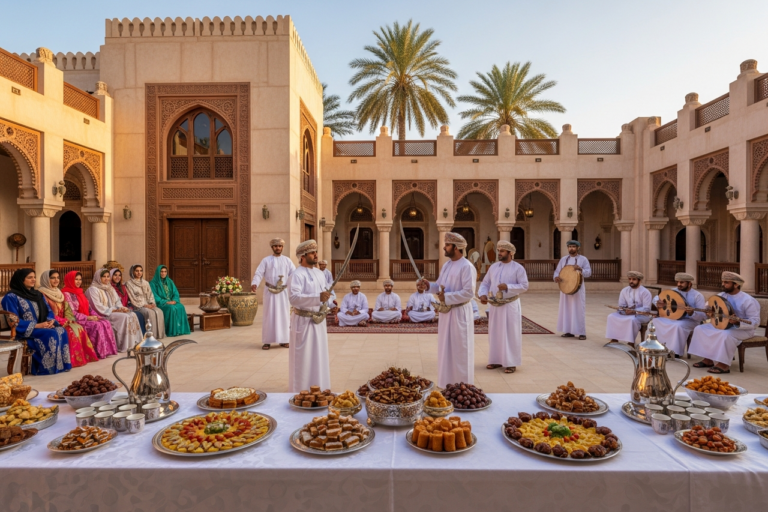
At social gatherings, Omanis are known for their strong sense of hospitality. When you arrive, people will greet you with a handshake and ask about how you are. You can expect to be given coffee and dates. You should accept them, as this act shows friendship and is a big part of how they welcome guests.