Key Highlights
-
Greetings are an important part of Iraqi life. They show respect and care.
-
One of the main arabic greetings is “As-salamu alaikum.” It means “Peace be upon you.”
-
When greeting someone, people in Iraq follow some arabic rules. For example, they use the right hand for waving or shaking hands.
-
The way people touch or stand near each other can be quite different in the arab world. It is not always the same as in Canada.
-
How you greet someone depends on things like the setting, age, and how well you know the person. There are both formal and informal ways to say hello.
-
If you use a few iraqi arabic greetings, it will show you have respect. It will also help you make bonds with people.
Introduction
Are you thinking about going to Iraq or meeting Iraqi friends or co-workers? It’s good to know about local customs. This helps you connect with people. It can all start with a simple greeting. In the arab world, saying hello means you respect someone. It’s more than just good manners. It can show you want to be friends. For Canadians, if you learn how to greet someone the right way in Iraq, people will see that. You can make your talks with them feel better. It can help you to have a real connection, not just a short chat. This guide will help you with the most important phrases and ways to greet arabic speakers in iraq. You will learn more about how people say hello and the right way to do it in arabic.
Understanding the Importance of Greetings in Iraqi Culture
In Arab culture, greetings are a big part of daily life. People do not rush them. These greetings show real warmth and help people feel close to each other. If you are Iraqi, a good greeting means you have respect and good manners.
You will notice this focus on connection right away. Native speakers like it when visitors take the time to learn their ways. When you know these important habits, you can talk to others with more ease and confidence. We will talk about why greetings in arab culture are so important, and how they are not the same as the greetings you may use in Canada.
Why Greetings Matter in Daily Life
In Iraqi daily life, a greeting is a key part of the way people connect. When you greet someone, it is more than just saying hello. You show that you see the other person and have good will for them. People expect a warm and honest greeting, whether you walk into a shop, see a friend, or start a business talk.
This is a big part of Arab culture. In Iraq, people place a lot of importance on being a good host and being part of a group. If you do not greet someone or if you rush the greeting, people may think you are not polite, or that you do not care. Taking time for a greeting lets people know you respect them and it helps you get on well with others in Iraq.
There are a few rules to know. You should stand up when someone comes into the room, and it is the right thing to use your right hand for a handshake or when you make a gesture. These actions are small, but they mean a lot. These things show you understand and care about local customs about greeting in Arab culture.
Key Differences from Canadian Greeting Customs
For many people in Canada, a quick “hi” and a nod is the usual way to greet someone. In Iraq, the greeting can be more detailed. You might hear a few questions about how you are doing. This is a big difference you will see at once. The talk goes on longer and feels more personal than what you get here.
Many arabic greetings are used in different parts of the arab world, but the iraqi dialect has its own words. For example, after the first hello, someone in Iraq may ask “Shlonak?” to mean “How are you?” That word is special to iraqi and gulf dialects. In Egypt, a person might say “Izzayyak?” Each place has its own sound or way, and this shows up in their talks.
Also, people from arabic cultures like to stand nearer to each other when they talk, much closer than most westerners would. In Iraq, getting near someone means you want to be kind, not that you want to take up their space. Knowing about these ways will help you feel good, and it shows you care about iraqi ways of doing things.
Common Iraqi Greetings and Their Meanings
Learning some simple Iraqi Arabic greetings can help a lot when you talk with others. People understand Modern Standard Arabic, but saying local phrases shows you want to connect more. The most common Arabic greeting is “As-salamu alaikum.” There are many other greetings you can use too.
Don’t stress if you can’t get perfect pronunciation right away. The main thing is to try. You will be given some pronunciation tips to help you sound better and feel confident when you greet someone for the first time. Here are a few essential arabic greetings you can use today.
How to Say ‘Hello’ in Iraqi Arabic
The most universally recognized greeting in the Arabic-speaking world, including Iraq, is “As-salamu alaikum” (السلام عليكم), which means “Peace be upon you.” This is a respectful and appropriate greeting for almost any situation. The standard response is “Wa-alaikum as-salam” (وعليكم السلام), meaning “And upon you, peace.”
Another very common and slightly less formal way to say hello is “Marhaban” (مرحبًا) or simply “Marhaba.” You can think of this as a friendly “hello.” For a very informal greeting, especially among peers, you can use “Ahlan” (أهلاً). These greetings are warm and welcoming.
To help you get started, here is a simple table with common greetings and their responses. Pay attention to the pronunciation tips for sounds that may be new to you, like the throaty ‘h’ (ح) and ‘ayn’ (ع).
|
Greeting |
Pronunciation |
Meaning |
Response |
|---|---|---|---|
|
السلام عليكم |
As-salamu alaykum |
Peace be upon you |
Wa-alaikum as-salam |
|
مرحبًا |
Marhaban |
Hello |
Marhaban bik |
|
أهلاً |
Ahlan |
Hi / Welcome |
Ahlan bek |
Popular Phrases for Polite and Respectful Greetings
When you use words like “Marhaban,” you do more than just say hi. Using polite phrases lets others know you respect Iraqi ways. After you say hello, you should ask about how the person is doing. This is an important part of greeting someone.
A regular follow-up is to say “Kayfa haluk?” (كيف حالك؟), which means “How are you?” in proper Arabic. In Iraq, people say “Shlonak?” (شلونك؟) more often. Picking the local words will help you connect better, and people really like it. When you say these things, your greeting will sound more full and respectful.
Here are some polite phrases you can use to make your greetings better:
-
Sabah al-khair (صباح الخير): This means good morning. You answer with “Sabah al-noor” (صباح النور), which means morning of light.
-
Masa’ al-khair (مساء الخير): This means good evening. The answer is usually “Masa’ al-noor” (مساء النور), or evening of light.
-
Ahlan wa sahlan (أهلاً وسهلاً): This means a very warm welcome. It is said a lot when someone comes to visit.
These greeting words like ahlan wa, sahlan, good morning, and good evening, are used a lot in Arabic and Iraqi culture. They help you show care
Essential Etiquette: What Canadians Need to Know Before Greeting
Knowing what to say is one part of what you need in Iraq. The other part is to watch for signs that are not in words. Etiquette and body language are very important here, especially for a greeting. Simple actions can show respect. If you get them wrong, you could hurt someone’s feelings by mistake.
To greet another person, always use your right hand. This is how you shake hands, give a gift, or point to someone. The right hand rule means a lot in Iraq. When you meet iraqi men, a handshake is normal. But you need to know the rules, mostly when you talk to people from the other gender.
Cultural Rules and Social Norms to Follow
When you are in Iraq, knowing a few simple rules will help you leave a good first impression. These ways to act are a big part of Arab culture. They show that you respect local ways. While many rules here come from Muslim customs, people in Iraq from all backgrounds often use them too.
One important thing to remember is to stand up when someone walks into a room. This is very important when the person is older. It is a clear sign of respect. When you greet someone of the other gender, let them be the one to start any physical contact, such as a handshake. If you are not sure, a nod and a smile will always be polite and good.
Keep these rules in mind to make things easier for you:
-
Always use your right hand for greeting and when you exchange things. The left hand is seen as dirty.
-
Stand up when greeting, especially for elders.
-
Do not show affection in public.
-
When greeting a woman, let her offer her hand first before you try for a handshake.
-
Talk to people in a polite way. Use titles when you need to.
These simple steps show respect for Arab culture in Iraq. You will see that muslims in the region pay attention to these rules too. Using your right hand, waiting for physical contact, and greeting people well will be noticed. This will help you connect with people in Iraq.
Appropriate Gestures and Body Language in Iraq
In Iraq, the way you use your body speaks a lot, so it helps to pay attention to your gestures. A warm and real smile is understood in all places. People will like this, and it makes things friendly right from the start.
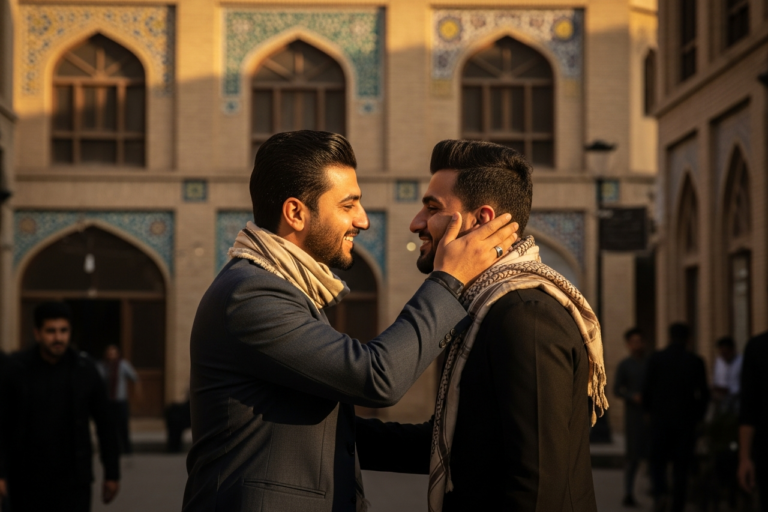
When you talk about physical contact, things can be very different from Canada. Men often shake hands, but the handshake may last more time than you might expect. This just shows warmth and that the person means well. Good friends of the same gender might greet each other with kisses on the cheeks. But, when you greet someone of the opposite sex, it is best to stay more reserved.
Be sure to always use your right hand to give or take something, or for a handshake. Pointing with your index finger is not a good idea; use an open hand to show or signal instead. And, do not show the sole of your shoe. This gesture is taken badly in Iraq and people may see it as a big insult.
A Beginner’s Guide to Greeting Customs in Iraq
Feeling ready to try your first Iraqi greeting? You may think it is hard, but it does not have to be. This guide will give you easy steps you can follow. You do not need to be fluent in Arabic or even know all the arabic numbers to make others happy.
The best things you can have are a good outlook and the want to learn. If you follow a few basic tips for both language and how you greet others, you will say hello with both respect and confidence. Together, let’s find out what you have to do first and each step you can take for this greeting.
What You’ll Need to Get Started (Language Basics & Mindset)
You only need to know a few things to start. Try to get good at one or two main phrases. For example, you could say “As-salamu alaykum.” This greeting is formal, polite, and easy for everyone to know. You can also use “Marhaban” when you want to say hello in a more casual way. Say these out loud. That way, you get used to how to say each word.
How you feel is also important when you try to use a greeting in Arabic. Try to be open and friendly. Be patient with yourself. It’s okay if your voice or accent is not perfect. People in Iraq will be glad you tried to use the greeting, like “salamu alaykum” or even “marhaban.” A warm smile with your greeting helps people feel good.
You do not have to be afraid to make mistakes. People will not mind if you are not perfect, and most will even help you. If you stay open, want to learn, and stay polite, you can get a lot out of learning to greet people this way.
Step-by-Step Guide to Greeting Someone in Iraq
It can be hard to put everything together when you start. But, this step-by-step guide makes things simple. Saying a greeting to someone in Iraq blends language, body movements, and the right way to act. That, plus these steps, will help you get through your first meeting with ease.
You need to look around and see what is going on. Think: is this a work meeting or are you talking to someone selling items? This is about picking what kind of greeting is good for it. Then, you can make the right move and show you know what to do.
Here’s an easy way you can greet people in Iraq:
-
Step 1: Pick a greeting that fits the spot you are in.
-
Step 2: Show the right moves with your hands and face.
-
Step 3: Show more respect to elders or those with power.
-
Step 4: Ask a good question, like “How are you?” at the end.
Step 1: Choose the Right Greeting for the Situation
The first thing to do is to look at the social context. Are you meeting a business associate for the first time or just greeting a friend? The kind of greeting you choose should match the situation. In formal situations, “As-salamu alaykum” is always a good and respectful way to greet someone. It shows that you are serious and polite.
In more relaxed or informal situations, there are more ways you can say hello. You can use “Marhaban” or “Ahlan” if you want to greet people like your friends, shopkeepers, or others you have met before. When you are with close friends, you may also hear different, more casual greetings. Each dialect, such as the Iraqi or the Egyptian dialect, can have its own slang or way of saying hello.
If you watch how other people greet each other, you can pick up good clues about what greeting to use. If you are not sure, being more formal is always safe. Using a polite and respectful greeting like “salamu alaykum” is always good. If others want the conversation to be more casual, your Iraqi friend can choose to do that.
Step 2: Use Proper Body Language and Gestures
After you pick the words you want to say, your body language matters too. A warm smile and looking into the eyes of the other person are both important. Be mindful of the culture, especially with the opposite gender. These things help you look real and help you make a fast connection. If you are sitting down and someone comes in, stand up.
In Iraqi culture, men often greet each other with a handshake. Use your right hand for this, as it’s the common way to greet. The handshake in Iraq is not as firm as in Canada and it can last longer. When men and women greet, it’s different. There is not much physical contact. It is good manners to wait for the woman to offer her hand first. If she does not, you can nod and put your right hand over your heart. This is still a greeting in Arabic style and is polite.
There are other things you should know. Do not point at people with your finger. Never show the soles of your feet. These small things in body language are a big part of etiquette in Arabic and Iraqi culture. These signs show you understand and respect the local ways.
Step 3: Addressing Elders and People of Authority
Showing respect to elders and people who have authority is very important in Iraqi culture. When you greet these people, you need to be more formal and show you respect them. Always stand up when they enter the room. You should greet them before you greet anyone else.
When you talk to them, use formal titles. Do not use their first name. You can say “Mr.” or “Mrs.” with their family name. In Arabic, you might say “Amo” for uncle or “Khala” for auntie to show respect for an older person you know well, even if the person is not part of your family. When a person is in a formal position, it’s good to use their professional title.
Your greeting should also be formal. You can say “As-salamu alaykum.” If they offer their hand, a handshake is a good way to greet them. With elders, it is also common in Iraqi society to kiss their hand or their forehead to show respect. If you are not from Iraq, you are not expected to do this, but it is nice to know this custom. This shows you understand how much people in Iraq respect their elders.
Formal vs. Informal Greetings in Iraqi Society
Knowing the difference between formal greetings and informal greetings is important when you talk to people in Iraq. The words and the way you greet someone can change a lot. It depends on who you speak to and where you are. If you use the wrong type of arabic greeting, you may sound strange or upset someone.
People use formal greetings when they meet elders, in business, or when they talk to someone they do not know. People use informal greetings for friends, family, or others close to them. If you know when to use both kinds, all your greetings will go well. Below, you will see cases that show when to choose formal greetings and when to use informal arabic greetings in iraq.
When to Use Formal Greetings
Formal greetings are very important in some parts of Iraqi society. You should use a formal greeting when you meet someone for the first time. This is true, especially if you are in a professional setting or meeting someone for business. A formal greeting shows respect. It also helps set a polite tone when you talk with the other person.
You also need to use formal greetings for elders or people who hold high positions, like a community leader or a senior co-worker. It is good manners to speak formally to them. This is how you show that you respect them. Among arabs, this kind of greeting helps keep things smooth and friendly for everyone.
A well-known formal greeting is “As-salamu alaykum.” This greeting works well for any formal meeting and always shows respect. After that, you can say “Kayfa haaluk?” which means “How are you?” If you use these greetings, you show you are being polite. Using “alakyum”, “formal greetings” or a simple greeting in these times is a good idea, especially in iraqi culture.
Informal Greeting Scenarios and Examples
Informal greetings are used in your everyday, easy moments with people. You say them to your friends, family, and people who are about the same age as you. These greetings show you are friendly, relaxed, and open. They make the moment feel easy and good. They are like saying “Hey, what’s up?” in english.
One of the most used informal iraqi greetings is “Shlonak?” if you talk to a man or “Shlonich?” if you talk to a woman. Both of these are ways to say “How are you?” in iraqi. Most times, people say them after a fast “ahlan” or “marhaba.” You may also hear friends say a happy “Hala!” This is a very casual “hi” in iraq and some other places near it.
When you talk in these moments, things go smoothly. People may chat a little about family or work after the first greeting. The most important thing about these greetings is that you be real and easygoing. With these phrases, you can make friends and have real talks with people.
Frequently Asked Questions (FAQ)
People often want to know about greetings in Iraq. Many ask how to say “salamu alaykum” the right way. When you say it, make sure you put a bit more sound on the “sahlan” part. That will help you get it right and sound smooth.
There is also some talk about physical contact in Iraq. For men, a handshake is common. When you meet women, it is polite to avoid shaking hands with them.
Most people also want to know when to use certain greetings. In arab culture, it’s normal to say “good morning,” “good evening,” and “good night” after the usual hello. These help you form good bonds when you are talking to people in Iraq.
Are English Greetings Acceptable in Iraq?
Yes, when you use an English greeting like “hello,” people will often get what you mean, mostly in cities and with younger folks in Iraq. But when you use a simple Arabic greeting, people will appreciate it even more. It shows that you have respect for their culture. This can also help you get along better with them.
Do Greetings Change Depending on the Time of Day?
Yes, they do. In Arabic, the greetings change with the time of day, just like in English. You can say “Sabah al-khair” when you want to say good morning. You can use “Masa’ al-khair” if you want to say good evening. Using the right Arabic greeting is a good way to show you are thinking about the time and the person.
How Should I Greet Elders and Superiors?
Always greet them in a formal and respectful way. Stand up when they come in. Use the greeting “As-salamu alaykum.” Speak to them with the right title. Do not use very casual words. Wait for them to start any physical contact, like a handshake. It is important to show respect for elders in Iraqi culture.
What Gestures Should I Avoid When Greeting?
Do not use your left hand when you give a greeting. People there see it as not clean. You should not point using your index finger. Try not to show the bottom of your shoe to others. When you greet someone of the opposite gender, do not start any physical contact. Wait for them to offer their hand first.
Conclusion
To sum up, knowing how to greet people in Iraq is very important. It helps you show respect and have good talks with others there. The way you say hello and the steps you follow can make a big difference in the way people see or treat you in Iraq. If you use the right greeting, say the right thing, and follow what the people do, you can make a great start and let others see that you care about Iraqi ways.
You can use formal or informal greetings and pick up new customs as you go. Doing this will help you get closer to people and feel more at home in Iraq. So, when you plan to go to Iraq, try to remember these tips about greeting and Iraqi customs. We wish you a good and safe trip!