Key Highlights
-
People in New Zealand, also called Aotearoa, use greetings that are more casual and mix English and Māori ways.
-
The Māori word ‘kia ora’ is very common. People use it in new zealand to say hello, as a thank you, and to show respect.
-
Simple English greetings like “Hi, how are you?” are used often. People usually give a short and good answer in return.
-
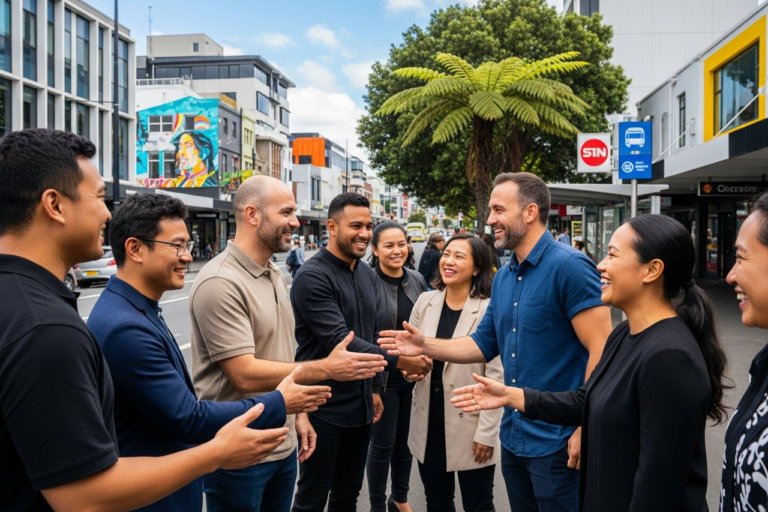
If you see someone for the first time, it is the usual thing to shake hands. Look the other person in the eye when you do this.
-
People here think it is important to honour the Māori culture. At certain formal settings, you may notice special customs such as the hongi.
-
The way kiwis talk is open and easygoing. They like to add their local slang, which gives life to their chats.
Introduction
Heading to New Zealand? You can expect people to be warm and friendly. The way the people greet each other shows the mix of cultures in New Zealand. If you are coming from Canada, you will see how Kiwis like to keep things easy and relaxed when they say hello. They use not only English, but often mix in the Māori greeting “kia ora.” This guide will give you an idea of the usual customs, from offering a handshake to using the Māori language. It will help you get to know locals better and show respect for their way of life.
Common Ways New Zealanders Greet Each Other
A New Zealander will often say hello in a warm and casual way. In Aotearoa, people use both English and Māori when they greet others. You may hear simple lines like “Hi, how are you?” a lot. Many will also say “kia ora” often. Any Kiwi might use this, no matter where their family comes from.
The way people greet each other does not change much across the country. The biggest difference between the North and South Islands is that more people live in the North. In the North Island, you will see more formal Māori greetings because more Māori people live there. Even so, you will notice the friendly and laid-back kiwi greeting everywhere, no matter which island you visit.
Everyday Greetings: English and Māori
In New Zealand, it’s common to mix English and Māori (Te Reo) greetings together. People say “kia ora” as a warm hello or thank you at shops, cafes, or when they talk to friends. It’s friendly and makes everyone feel welcome. Now, “kia ora” is a big part of the words people use all the time.
Many times, people talk in English when they chat. You’ll often hear “Good morning” or “How are you?”. When someone says “How are you?”, they usually don’t need a long answer. Just say, “Good, thanks, and you?” and that will be good.
Here are a few of the polite things people say:
-
Kia ora: This greeting is used for hello, thanks, or wishing someone well.
-
Haere mai: This is a welcoming hello and you might see it on signs.
-
Tēnā koe: You can use this if you want a more formal way to greet one person in Te Reo.
Greeting Etiquette for Meeting People for the First Time
When you meet a New Zealander for the first time, the handshake is the usual and proper formal greeting. You can use it in both casual and formal settings. A lot of Kiwis, or people from New Zealand, like to get a firm handshake. They think this shows you have confidence and are honest. Make sure you give a good grip when you shake hands, and look them in the eye. This helps show you are happy to meet them and that you can be trusted.
In formal settings, most New Zealanders will still use their first name when they introduce themselves. Sometimes, you might hear someone use a title, like for a doctor or someone a lot older, but for the first greeting, most people go with first names.
A smile matters too when you give a greeting. It helps make the start of the meeting friendly. But, if you give a weak handshake, people might think you do not really care. That is why a strong handshake, a real smile, and some eye contact will help you make a good first impression.
Exploring Māori Greetings and Their Meaning
The greetings of the Māori, who are the indigenous Polynesian people in Aotearoa, are full of meaning. These greetings play a big part in what makes New Zealand special. They are more than just ways to say hello. They show a sense of respect and help connect people. The Māori language, called Te Reo, is being used every day. This use shows how important the language is in Kiwi life now.
Traditional Māori greetings can change based on how formal the event is and on the number of people. It could be just one person or a group. You may know words like ‘kia ora’. There are also special customs, like the hongi, that mean a lot. When you learn about them, you get to know the culture of New Zealand even more. Let’s look at some of these strong traditions together.
‘Kia ora’ Explained: Significance and Usage
‘Kia ora’ is more than just a greeting in New Zealand. In Te Reo Māori, it means ‘be well’ or ‘have life.’ People use this word as ‘hello,’ but the meaning is deeper. This makes ‘kia ora’ a warm and important way for people in New Zealand to talk with each other.
You say it like “kee-ah oh-rah.” The pronunciation is easy to learn. You will hear ‘kia ora’ in many places. People use it when you go into a shop, to say thank you, or at the end of an email. This word fits in many situations, the way you use it can change to match what you want to say.
When you use ‘kia ora,’ it shows that you have respect for the bicultural heritage of New Zealand. Don’t worry if you have not said it before. People in New Zealand, or Kiwis as they say, like when you try. It’s a simple way to get closer to the local culture. Try this greeting, and you may find people soon warm up to you, too.
Unique Māori Customs and Gestures During Greetings
Beyond verbal greetings, Māori culture includes unique gestures that carry deep meaning. The most significant of these is the ‘hongi.’ This traditional greeting involves two people pressing their noses and foreheads together to share the ‘breath of life.’ It’s a powerful symbol of connection and is typically reserved for Māori men greeting each other or for formal ceremonial occasions, such as visiting a marae (a traditional meeting place).
While you may not be expected to perform a hongi as a visitor unless in a formal setting, it’s important to understand its significance. For Māori women, a kiss on the cheek is a more common greeting among family and friends. Younger men, particularly among friends, also use gestures like the “dap up,” a stylized handshake showing solidarity.
Here’s a look at some different gestures and when you might see them:
|
Gesture |
Description |
When It’s Used |
|---|---|---|
|
Hongi |
Pressing noses and foreheads together to share breath. |
Traditionally between Māori men; in formal or ceremonial settings for all. |
|
Kiss on the Cheek |
A light kiss on the cheek. |
Common for Māori women greeting family, friends, and acquaintances. |
|
Handshake |
A firm grip with eye contact. |
The most common greeting for strangers, including non-Māori. |
|
Dap Up |
A stylized sequence of hand slaps and finger clasps. |
Among younger men and friends in casual settings to show solidarity. |
Conclusion
To sum things up, knowing how people greet each other in New Zealand can add a lot to your time there. When you use “kia ora” or follow other ways of greeting, it means a lot. Each way of saying hello is full of meaning. When you greet people in these ways, it shows you care about their habits. It also helps you get closer with people even if you are from another place.
As you get ready to go to New Zealand, remember that a simple greeting can really open doors. It makes talking with others much better. If you want to know more about Māori and English ways of saying hello, or you want to look deeper into kiwi culture, you can always reach out and chat. Have a great time enjoying true kiwi kindness!
Frequently Asked Questions
Is it common to mix Māori and English greetings in New Zealand?
Yes, for sure. Many people in New Zealand mix Te Reo Māori with English every day. A New Zealander will often say things like ‘kia ora’ when greeting others. This is a big part of the country’s new bicultural way and shows respect and pride for all. It is seen as a good thing to do.
Are there slang terms used in casual New Zealand greetings?
Kiwi slang is really a big part of how people greet each other. It’s common to hear someone say, “How’s it going?” or “G’day” in the day. There are other slang words people use. For example, you might hear ‘suss’ when people want to figure something out. Kiwis often say ‘nah’ instead of ‘no.’ They might also call someone a ‘piker’ if that person backs out of plans. All of these words are used a lot in conversation and show how much kiwi slang is in everyday life.
Are greeting customs different between North and South Island?
Greeting customs are much the same in both the North and South Islands of New Zealand. The main thing that changes is the number of people. The North Island has more people, and a larger Māori group lives there. Because of this, you may get to see more formal Māori ceremonies in the North Island. Still, the way people greet each other every day is the same all over the country.