Key Highlights
-
In Nigeria, people see greetings as a key way to show respect, mostly to elders.
-
How you greet someone in Africa’s most crowded country can change by if you are a man or woman, your age, and where you live.
-
For women, the usual polite way to greet in Nigeria is by doing a small curtsy or by bending the knees a bit.
-
Men often show respect by bowing a little from the chest.
-
If you learn the regular greetings in nigeria, you can impress both your friends and your boyfriend’s or girlfriend’s family.
-
In Nigerian culture, just saying “hello” is better than not greeting anyone at all.
Introduction
Are you thinking about going to Nigeria, or will you see Nigerian friends or family soon? It is good to know that greetings are very important in Nigeria. When you greet someone in this part of Africa, it shows you respect them and want to get along. Here, people do not just say “hello.” They put care into their greetings, and that helps make friendships strong. This guide will help you see the small things that matter while saying hello in Nigeria. You will find out how to make a good first impression every time with your greetings.
Overview of Nigerian Greeting Customs
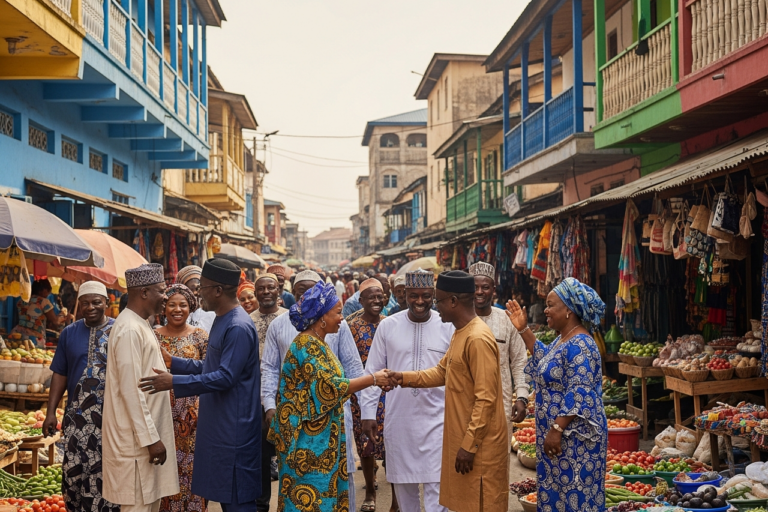
In Nigeria, greetings are a big part of day-to-day life and culture. People see them as the base of good manners. It is not only what you say, but also how you move and use your body that matters. This is even more true when you talk to someone who is older than you.
People show respect with these small actions no matter where they are. You will see them when you go to a friend’s house or when you meet in a busy place like a restaurant. It helps to know about these ways to greet if you want to get along with people and feel sure of yourself in a group. Let’s see why greetings are so key in nigeria and how people from different places in the country have their own ways of saying hello.
Importance of Greetings in Nigerian Society
In Nigerian culture, being polite is very important. You are expected to show respect, especially when you talk to elders. People use greetings to be polite and show respect. When you greet someone, you let them know that you see them and you respect their place in the group.
Anyone much older than you is called an elder. This can be your parents, your grandparents, or even the “aunties” and “uncles” who are not part of your family but are still respected in your life. If you do not greet them, it can look like bad manners or disrespect.
When you greet someone the right way, you show that you value what is important in nigeria. It does not matter if you meet your partner’s parents for the first time or you meet a friend’s family. A good greeting helps people like you and think well of you. This little act can mean a lot to people in nigeria.
Common Ways to Greet and Respond Across Regions
While the principle of respect is universal across Nigeria, the specific words and gestures for greetings can differ. The country is home to hundreds of ethnic groups, each with its own unique customs. However, some general practices are widely understood.
For example, beyond the physical gestures, simple verbal greetings are always appreciated. A friendly “hello” is acceptable, especially in more modern or less traditional households. The key is to always acknowledge the other person.
Here are a few examples of common greetings you might encounter, though remember that specific traditions can vary widely.
|
Greeting Type |
Description |
|---|---|
|
Female Greeting to Elder |
A slight curtsy or bending of both knees towards the ground. |
|
Male Greeting to Elder |
A bow from the chest, sometimes with one leg extended slightly behind. |
|
General Greeting |
A simple “hello” or another verbal greeting is often acceptable. |
Beginner’s Guide: How Canadians Can Greet in Nigeria
As a Canadian in Nigeria, it’s good to learn how to greet people the local way. This will help you get close to people. You do not have to get it right on your first try. People care that you try, and that is what matters most. In Nigeria, people are often very open and will like that you want to honor their ways.
The main thing to remember is to give respect, especially to older people. This simple guide will show you the main rules and a clear step-by-step way to say hello with more sure feeling. You will learn about the right words and how you can use your hands or body when you meet someone. Soon, you will be able to meet new people in Nigeria with more ease.
What You Need to Know Before Greeting (Cultural Etiquette, Time of Day, Respect for Elders)
Before you say anything, it is important to know the cultural background of greetings in Nigeria. Age is the biggest factor here. In Nigeria—the most crowded country in Africa—it is a must to show respect to older people. This is a main rule in their culture.
When you greet an older person, how you stand and move your body is as important as what you say. A quick nod or wave may be fine with friends your own age but is not the right thing to do when you talk to someone older. You need to be formal and show more respect.
Here are a few things you should keep in mind about greetings in Nigeria and Africa:
-
Respect for Elders: Always say hello to elders first and use the right gestures. Women should do a small curtsy, and men should give a bow.
-
Context is Key: People greet each other all the time, but it really matters most when you walk into someone’s home.
-
Effort Matters: Even if you do not get every part right, trying to follow the local way will be noticed and people will appreciate it.
Step-by-Step Guide to Greeting in Nigeria
Feeling a bit nervous to greet someone in Nigeria for the first time? You do not have to worry. If you follow these easy steps, you can handle your first meeting with comfort. The main thing is to show respect and be warm.
If you meet your partner’s Nigerian parents, for example, a traditional greeting is a good way to make a strong first impression. It also lets them see that you care about their culture. You will notice their surprise and happiness from your effort.
Here’s how you can do this:
-
First, pick the right words for the person you talk to.
-
Next, add the right gesture, like a bow or a curtsy.
-
Finally, keep polite eye contact, and give a friendly smile.
Remember, in nigeria, these steps help you put people at ease.
Step 1: Choosing the Right Greeting Phrase (Including Yoruba, Hausa, Igbo Examples)
While a simple “hello” can be good, learning some words from a local Nigerian language helps a lot. There are more than 500 languages in Nigeria, but saying a greeting in one of the main ones such as Yoruba, Hausa, or Igbo shows that you care.
For example, in Yoruba, people say “E kaaro” for “Good morning.” Or you can say “E nle” for just “Hello.” The greeting may change depending on the time of day. Still, both show respect.
You do not have to know a lot. If you learn one or two simple phrases and use them at the right moment, people will see that you want to learn about their culture. People from Nigeria will notice your effort and may even want to help you say the words right. It’s an easy way to make a quick bond.
Step 2: Gesture and Body Language (Handshakes, Bowing, Eye Contact)
In Nigeria, the way you use body language is very important when you say hello. If you are meeting someone older, there are some things you should do to show respect. These gestures mean more than just a handshake, especially if you are with your family or in a traditional place.
For women, it is usual to bend your knees a little, like you are doing a small curtsy, before standing up again. For men, the custom is to bend forward by moving your chest close to the ground. Sometimes men also stand on one foot and stretch the other leg out behind them as they bow.
A handshake can be normal if you are working or meeting with friends. But if you are with elders, you should bow or curtsy. This is an easy way to show respect and let them know you value who they are. Doing this is a big part of how people in nigeria get along with each other.
Avoiding Common Mistakes When Greeting in Nigeria
Getting used to a new culture can take some time. It’s easy to do something small that is seen as a mistake. In Nigeria, you need to pay attention to how you say hello. Knowing about some common mistakes with greetings can help you stay away from awkward times and show that you have respect for other people.
One of the things people from outside do wrong is not greeting others, especially people who are older. What you do in Canada, like a simple wave, might not work in Nigeria. People there could see that in the wrong way. Let’s look at a few things people get wrong and try to help you with some simple tips so you can avoid these problems with nigeria greetings.
Mistakes Foreigners Make and How to Prevent Them
One of the things that people new to Nigeria often get wrong is the way they greet others. In many places in the West, a fast “hi” is fine. But in Nigeria, people expect you to be more formal. This is even more true when you meet older people.
Another thing that many get wrong is the way they act with their body. If you don’t bow or curtsy when you greet an elder, they might see it as rude, even if you don’t mean it. The same goes for hands. In many parts of Africa, it is not good to use your left hand to give or receive things, even for a handshake.
To get nigeria greetings right, keep these in mind:
-
Always Greet Elders: Don’t ignore anyone who is older than you. Say hello to them first and do it in a good way.
-
Use Respectful Gestures: Try to give a short bow if you are a man, or a small curtsy if you are a woman.
-
Mind Your Hands: Always try to use your right hand when you give, take, or shake someone’s hand.
People will notice when you follow these simple steps, and you will get more respect across nigeria and africa.
Greetings by Region and Tribe: Tips for Canadians
Nigeria has many different groups, and people greet each other in different ways in each part of the country. The main rule is to show respect, but there are special ways that people say hello in groups like the Yoruba, Igbo, and Hausa.
If you are coming from Canada, people will not expect you to know all the rules. Still, it helps if you try to learn a few things. If you know that you will be with people from a certain area, take some time to learn about how they greet each other. This will show you care.
Here are some tips:
-
Ask a Friend: If you know someone from Nigeria, ask them how their family or the people in their area greet. They will be glad to tell you.
-
Observe and Learn: Look at how people greet in nigeria. Watch and use what you learn to say hello the same way.
Conclusion
In the end, it is good to understand and respect how people greet each other in Nigeria. This helps you have better talks with others and build new friendships. People in Nigeria take greetings to heart. They see it as a way to show respect and feel part of a group.
When Canadians learn and use these customs, it is easier to handle social settings. It also shows that you care about the culture and value it. Try to notice how greetings can change in each area, and pay attention to body language, too.
Doing these things will give you a better trip, and people there will see that you want to fit in. Next time you are in Nigeria, greet people with an open heart and a big smile. You will stand out in a good way!
nigeria, greetings
Frequently Asked Questions
How should I greet Nigerian parents for the first time?
When you meet Nigerian parents, you need to show respect. If you are a woman, try a small curtsy by bending your knees. If you are a man, do a slight bow from your chest. You should say a nice “hello” or “good day” with this gesture. This kind of greeting will make a good impression on them.
Are greetings different depending on the time of day?
Yes, in many Nigerian languages, people change their greetings depending on the time of day. For example, in Yoruba, you say “E kaaro” when it is morning and “E kaasan” in the afternoon. You do not always have to use these greetings if you are from another country, but saying the right greetings can show the people that you know and respect their culture.
Is it customary to shake hands or bow when greeting someone in Nigeria?
It depends on the person you are greeting. Most people shake hands with each other at work or when meeting friends. But when you greet an elder, men should bow and women should do a curtsy. This is seen as a more respectful thing to do. Always choose to bow or curtsy when you meet someone older.
How do you reply when someone greets you in Nigeria?
When you are in Nigeria, it is important to answer people in a warm way when they say hello to you. You can do this by smiling and being polite. If a person asks, “How are you?” you should say you are good. Then, ask them how they are too. This is how people in Nigeria greet each other.