Key Highlights
-
In Rwanda, people put a lot of value on greetings in everyday life. There are special things to say at different times of the day.
-
If you learn some useful phrases in Kinyarwanda like “Muraho” (Hello) and “Mwaramutse” (Good morning), you show respect to others.
-
Being formal is needed, mostly when you greet elders or anyone in charge.
-
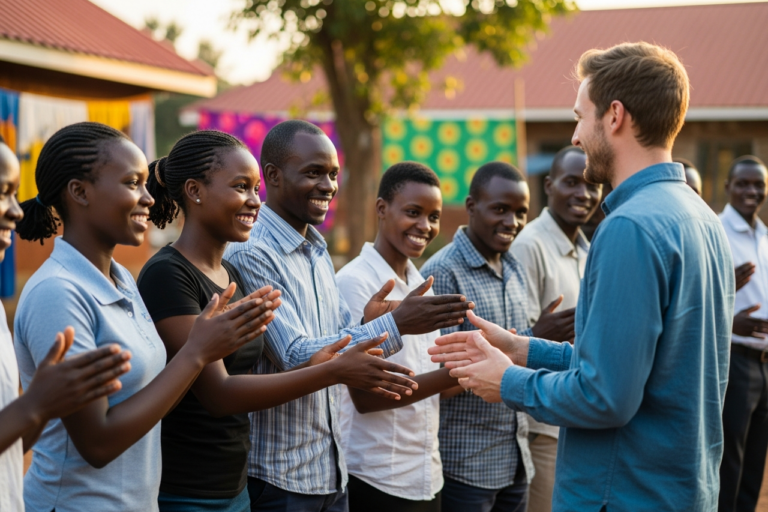
When you greet someone, a handshake is common and you should use your right hand.
-
People in Rwanda speak English and French, but they will really like it if you use Kinyarwanda greetings.
-
If you know these dos and don’ts, you can get along well with people in Rwanda.
Introduction
Are you thinking about going to Rwanda? It’s good to know local customs when you travel. Saying hello is the first step to a great visit. If you are from Canada and going to the “Land of a Thousand Hills,” learning the right greetings is important. It shows respect, and people in Rwanda will notice. This also helps you meet people and make new friends.
This guide will show you the main Kinyarwanda greetings and what to say to people in Rwanda. You will learn what to do to feel good and fit in while you are there. Having the right greetings will make all your talks with people better and help you enjoy your trip even more.
Greeting Customs and Expressions in Rwanda
Greeting culture in Rwanda is a big part of showing respect and caring about others. It is more than just saying “hi.” People in Rwanda usually take some time to ask how each other is doing when they meet. This way of greeting others is very important to keep things friendly and good in the community.
There are many types of greetings in Rwanda. There are special ways to greet older people. There are also casual ones you use with friends. In this guide, we talk about common Kinyarwanda greetings. We share simple greetings for different times of the day. We also give you useful phrases that help you talk easily and in a polite way in Rwanda.
Common Kinyarwanda Greetings and How to Use Them
Starting a chat in Kinyarwanda can be simple when you know some key phrases. The most used and helpful greeting is “Muraho.” This means “Hello.” You can use it with anyone, and it is always safe and polite. When someone says hello to you first, it is good to answer in a friendly way.
If a person asks “Amakuru?” which is how you say “How are you?”, you can answer with “Ni meza.” This shows you are saying “I’m fine.” It is a normal and easy answer to give. Little chats like these help you make friends in Rwanda. Here are a few important greetings in Kinyarwanda you can start with:
-
Muraho: A word for “Hello.”
-
Mwaramutse: Use this to say “Good morning.”
-
Mwiriwe: You can use this for “Good afternoon” and for “Good evening.”
-
Mwiriwe neza: This is a kind way to say “Good evening.”
Formal vs Informal Greetings: Respecting Elders, Friends, and Groups
Distinguishing between formal and informal greetings is crucial for showing respect in Rwandan culture. When addressing elders, authority figures, or people you’ve just met, using formal language is essential. “Muraho” is a respectful, all-purpose formal greeting. Using plural (pl) forms, even when speaking to a single respected person, adds another layer of politeness.
For friends and peers, conversations can be more relaxed. Informal greetings like “Bite?” are common, similar to asking “What’s up?” in English. However, always err on the side of formality if you’re unsure.
Here’s a quick guide to help you choose the right greeting for the situation:
|
Context |
Greeting |
Meaning |
|---|---|---|
|
Formal (to one or more people) |
Muraho |
Hello |
|
Informal (to one person) |
Bite se? |
What’s up? |
|
Formal (to a group) |
Mumeze gute? |
How are you? (pl) |
|
Informal (to friends) |
Bite byanyu? |
How are you all? |
Essential Cultural Dos and Don’ts for Canadian Visitors
When you meet people in Rwanda, there are some things you should know. Always shake hands with your right hand. People in Rwanda think the left hand is not clean. If you are in a group, be sure to greet the oldest people first. People speak English and French, but if you try to say a few words in Kinyarwanda, they will like it and think you respect them.
You should not rush when saying hello or be too blunt. Take some time to ask how the other person is. It shows you care about them. This collection of useful phrases and simple tips can help you in your social interactions while you are in Rwanda. You will feel more sure of yourself and show respect at the same time.
Morning, Afternoon, and Evening Etiquette
In Rwanda, the way you greet people can change based on the time of day. It is good to use the right greeting, as it shows you care about local ways. Saying the right words can help you make a good impression. “Mwaramutse” is what you say for “good morning.”
As the day goes on, the greeting changes. You can say “mwiriwe” from noon, and it means both “good afternoon” and “good evening.” If you want to be more clear when it gets dark, you can say “mwiriwe neza” for “good evening.” There is also “muraho” which is a general “hello” and can be said at any time. But if you use greetings for the time of day, people feel respected.
Here is a simple list:
-
Good Morning: Mwaramutse
-
Good Afternoon: Mwiriwe
-
Good Evening: Mwiriwe neza
Introducing Yourself and Responding Appropriately
After you say hello, you may want to tell people who you are. If someone says, “Witwa nde?” (What is your name?), you can answer, “Nitwa [Your Name].” People often do this when they first meet in Rwanda. The people there are friendly, and they like to know a bit about you, so being ready to share your name is a good idea.
It is also good to know a few short sayings for everyday things. This helps a lot when you are talking with taxi drivers. If you want to get someone’s attention in a nice way, say “Mbabarira.” This means “Excuse me.” If you want to let someone know what you need, say “Ndashaka.” This means “I want.”
Do not forget to use “Murakoze.” This means “Thank you,” and it is a very important word for you to use often. These words will help you on your travels in Rwanda. They will also show that you are thankful for the local culture.
Conclusion
To sum up, knowing how to greet others in Rwanda can really help you have a better time as a visitor. It is not only about the words you use. It is also about reaching out to people and showing you care about their customs. When you learn some common Kinyarwanda greetings and understand both formal and casual ways to meet people, you show real interest in their culture. Always be aware of what to do and what not to do, especially when you talk to elders or when you are with a group. By using these greetings and ways, your trip will be better and you will make stronger bonds with people in Rwanda. If you want to get the most out of this beautiful culture, start by practicing Kinyarwanda greetings today!
Frequently Asked Questions
Is it polite to greet people in English or French, or should I try Kinyarwanda?
A lot of people in Rwanda, most in the cities, speak English or French. But when you try to use Kinyarwanda greetings, it means a lot to them. Even using some of these useful phrases is a good way to show respect for their culture. People will see that you want to connect, and that is a friendly thing. Most of the time, they will give you a warm welcome when you do this.
What is the right way to greet someone older or in a position of respect?
To greet older people or someone in charge in Kinyarwanda, you should use formal words. “Muraho” is a good and respectful choice. You can also bow your head a bit. When you shake hands, some people may put their left hand on their right arm to show more respect. These small things in greetings will help you show respect in Kinyarwanda.
Are there special gestures used during greetings in Rwanda?
Yes, in Rwanda, people use gestures when they greet each other. Most people give a gentle handshake with their right hand. If you are meeting elders or want to show more respect, you can put your left hand on your right forearm while shaking hands. People often give a small nod of the head too. This is another way to show respect with your body and not words. These are some usual greetings you might see in Rwanda.