Key Highlights
-
In Pakistani culture, the most used greeting is “As-Salamu-Alaykum.” This means “Peace be upon you.”
-
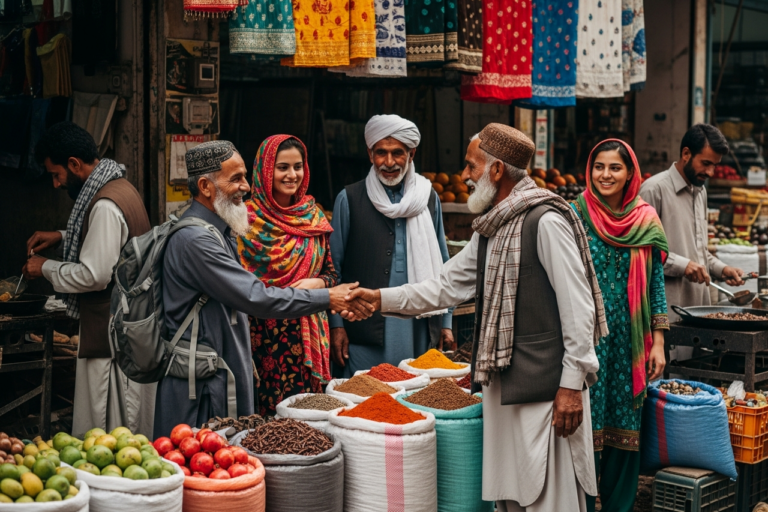
People often shake hands. But it’s a polite way to wait for women to start. If she does not, it is better to say a greeting out loud.
-
In everyday life, people use a simple “Salam” with friends or younger ones.
-
It is important to show respect for elders. Always greet them first with formal Urdu greetings.
-
People also say things like “Subh bakhair” (good morning) in daily talks.
-
If you meet someone through a mutual acquaintance, the first greeting is often more formal.
Introduction
Are you going to Pakistan for the first time? It is good to know about local customs. This can help you show respect and connect with people. Pakistani culture is all about good hospitality. You will often get a warm welcome from others. Most of the time, everything starts with a simple greeting. You can learn a few key words and gestures to help you with this. It will make talking with others in Pakistan much easier and better. This guide is here to show you all about greetings in Pakistani culture. It will help you have a great first impression from the moment you say hello.
The Basics of Greetings in Pakistan for Canadians
The most common greeting in Pakistan is “As-Salamu-Alaykum.” This is an Islamic phrase that means “Peace be upon you.” You will hear it in everyday life, in offices and homes, and even during small talks. This greeting plays a big role in Pakistani culture and shows goodwill.
Urdu greetings are used all over Pakistan, even though people speak many regional languages. Urdu is the country’s national language. Most greetings in Pakistan come from Urdu, so they are easy for everyone to understand and use. If someone introduces you to another person, it is best to start with a formal Urdu greeting. This helps you show respect and fits well into all social settings.
[urdu greetings, everyday life, mutual acquaintance, pakistani culture, urdu, greeting, pakistan]
Most Common Ways to Say Hello and Salam
The main way to say hello in Urdu is “As-Salamu-Alaykum” (السلام علیکم). Urdu speakers use this greeting in all kinds of times, even if the moment is formal or casual. It is warm and full of respect. You will use it a lot in everyday life.
If someone says “As-Salamu-Alaykum,” you should answer with “Wa Alaikum Assalam” (وَعَلَيْكُمُ ٱلسَّلَامُ). This means “And peace be upon you too.” Giving this answer shows you finish the good wish. For informal times, like when talking to friends or young people, the greeting may get shorter.
In these everyday life moments, you can say:
-
Salam: This is a short and friendly hello.
-
Aadaab: This is a polite urdu greeting. It might come with a little nod.
These ways let you talk with other urdu speakers in a nice way. Just remember, giving a return greeting like wa alaikum assalam is a big part of daily life.
Greetings Based on Time of Day and Situation
Yes, just like in English, there are specific greetings in Pakistan for different times of the day. Using them is a polite way to acknowledge the time and shows that you’ve made an effort to learn more about the language and local customs. These phrases are a great addition to your vocabulary.
For example, you can wish someone a “good morning” or “good evening.” When it’s time to say goodbye for the night, there’s a specific phrase for that too.
Here are a few basic Urdu greetings based on the time of day:
|
English Greeting |
Urdu Greeting |
Pronunciation |
|---|---|---|
|
Good Morning |
Subha bakhair |
Soo-bah ba-khair |
|
Good Evening |
Shaam bakhair |
Shaam ba-khair |
|
Good Night |
Shab bakhair |
Shab ba-khair |
Understanding Urdu Greetings: Language and Pronunciation
Getting the pronunciation right can help you sound sure of yourself when you meet someone in Urdu. You do not have to be perfect at it. Native speakers will see that you are making an effort and they will like that. It is also good to know how pronouns work. For example, “aap” is the formal way to say “you.” People use it for elders and when you meet someone new. “Tum” is used in the familiar register, and is better when talking with your friends or family.
When you first talk to someone, you should use the formal register. The familiar one is for people you know well. If you listen to other people and speak like they do, it will help you get these little things right.
Keywords: native speakers, familiar register, urdu, aap, pronunciation, pronouns
How to Say Hello and Other Key Phrases in Urdu
Besides saying “Salam,” learning more Urdu greetings can help you make a good first impression. In Urdu, using titles is important to show politeness. If you meet a man for the first time, you can call him by his last name with “Sahib” at the end. “Sahib” is like saying “Mister” in English.
For example, if the man’s name is Ali Khan, you should say “Ali Khan Sahib.” This way of speaking shows you have respect for him. You should also use the word “aap” when speaking to elders or someone you don’t know well. “Aap” is the formal way to say “you” and is more polite than “tum,” which is used in informal settings.
Here are a few more Urdu greetings and phrases to help you when speaking:
-
Khush aamdid: Welcome
-
Kya haal hai?: How are you?
-
Khuda hafiz: May God be with you (which people also use when saying goodbye)
Tips for Practicing and Using Urdu Greetings Confidently
Building confidence with your Urdu greetings gets easier when you practice. Don’t worry about making mistakes or trying something new. The more you use these words, the more it will feel right for you. People in Pakistan are usually very friendly and will be glad to see that you want to take part in their culture.
One of the best ways to fix your pronunciation in Urdu is to listen to native speakers. You can find many videos and resources online. If you want, try talking to language exchange partners. There are language learning apps too that help you work on speaking every day. This will help make urdu sound and feel more normal for you as time goes on.
Here are a few tips to help you get started:
-
Start with the basics: Learn “As-Salamu-Alaykum” and “Wa Alaikum Assalam” first.
-
Listen and repeat: Try to copy how urdu speakers say these words.
-
Don’t fear mistakes: Most people will like that you try, even if you don’t say every word just right.
Cultural Etiquette and Respectful Gestures
It is not just words that matter. Knowing the etiquette for gestures is also very important if you want to show politeness in your interactions. People use handshakes often. But there are some important things to remember. You should always use your right hand when greeting someone. In many South Asian cultures, the left hand is thought of as unclean. It is good to have politeness and hospitality. When you pay attention to little things like this, it makes you look respectful.
Physical contact, especially between men and women, is done very carefully. Most people use a handshake. Hugs are something you see only between close friends or family of the same gender. To keep away from awkward moments, it is a good idea to follow what the other person does first.
Greeting Elders and Meeting New People
Showing respect to elders is a big part of Pakistani culture. This is seen most in how people do a greeting. You should always greet the oldest person in the room first. When you meet someone for the first time, use their last name with a word like “Sahib” for men. This shows you have respect for them.
When you greet elders, be sure to use formal words and polite actions. A small nod or putting your right hand over your heart after a handshake shows respect. Try not to use short or too casual words or actions, as these can feel rude. People also use family titles like “Khala” for mother’s sister or “Chacha” for father’s younger brother when talking to older family friends. This is a way to show both love and respect.
Here are some key points to remember:
-
Greet elders first.
-
Use formal titles and language.
-
A hand over the heart shows sincerity and respect.
Handshakes, Hugs, and Gender-Specific Greetings in Pakistani Culture
Handshakes are a normal greeting in Pakistan, but the way people greet always depends on gender. In pakistani culture, men mostly shake hands with each other. If they know the other person well, they might hug too. Women also shake hands with other women, and sometimes kiss each other on both cheeks if they are close.
But in pakistan, men and women who are not family or good friends do not have much physical contact. This comes from the islam faith and old customs. When a man meets a woman, he should wait to see if she wants to shake hands first. If the woman does not put her hand out, he should just smile and say hello or give a small nod.
Here are some tips to follow with greetings in pakistani culture:
-
Men greeting women: Wait for her to put out her hand first. If not, it is enough to just say hello.
-
Women greeting men: You can offer your hand first for a handshake, or just greet him with words if you want.
-
Same-gender greetings: It is common to shake hands or hug friends of the same gender.
These small steps show respect for pakistani culture, the customs of islam, and people’s comfort with physical contact.
Conclusion
In short, knowing how to greet people in Pakistan is important for Canadians who want to get close to the local culture and build good relationships. Take time to learn simple Urdu phrases and look for signs of cultural etiquette. How you greet someone can say a lot. If you use the right words and gestures, you can really feel the warmth of Pakistani hospitality. This not only shows respect but will help you handle social situations well. So, when you meet new friends or talk with elders, remember these tips. Enjoy getting to know the bright culture of Pakistan! If you want to know more about Pakistan, its etiquette, or hospitality, you can always reach out for a one-on-one consultation.