Key Highlights
-
The most common greeting in Sri Lanka is “Ayubowan.” This word means “may you have a long life.”
-
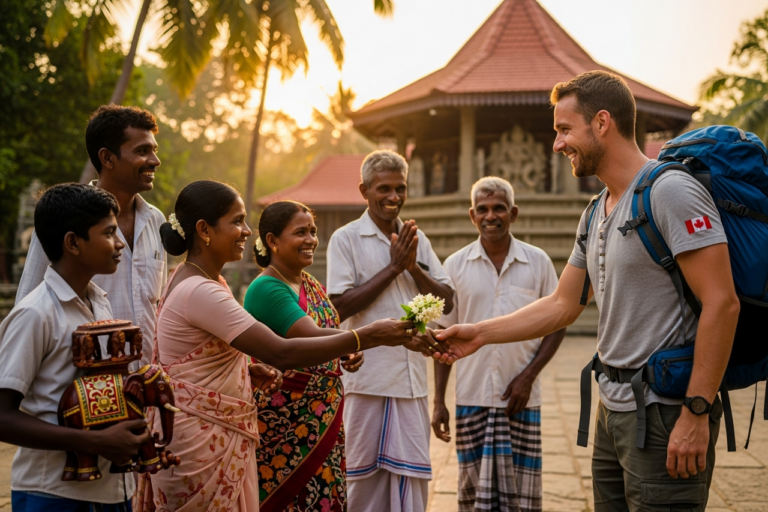
People in Sri Lanka use this traditional greeting by putting their palms together at the front of their chest. They also give a little bow when they do this.
-
In places where people speak Tamil, the common greeting is “Vanakkam.”
-
Sri Lankan culture teaches people to be very respectful to elders. That is why there are often more formal greetings used for them.
-
Handshakes are popular in business settings. But, it is polite to wait for a woman to offer her hand first.
-
If you learn some simple words, like “good morning” or “thank you” in Sinhala and Tamil, people will like that.
Introduction
Are you getting ready to go to the lovely island of Sri Lanka? This special place is well known for the good sri lankan culture, its strong hospitality, and the warm always welcome you get from the people there. When you know and use local ways, like a simple greeting, you can really change your whole trip. It shows that you care about sri lankan culture and want to learn from the people. You will get to know the people better and make new friends. This guide will tell you the key greetings you need, so your visit to sri lanka is good, full of meaning, and full of happy memories.
Common Greetings and Their Meanings in Sri Lanka
In Sri Lanka, greeting someone is more than saying “hello.” It is a clear part of the country’s rich and mixed culture. The most common greeting you will hear is “Ayubowan” in Sinhala, and “Vanakkam” in Tamil. Sri Lankans use these greetings as a common way to welcome people and show respect.
Both sayings are used in many places, but which one you hear the most will depend on where you are. “Ayubowan” is common in places where most people speak Sinhala. In the northern and eastern side of the island, where many use Tamil, “Vanakkam” is the main greeting. If you learn these two words, you get off to a good start. Now, let’s talk more about what “Ayubowan” means and how to say it right. You will also get to know other common phrases in both Sinhala and Tamil.
What Ayubowan Means and How to Use It
The traditional greeting “Ayubowan” is a nice part of Sri Lankan culture. It means “may you have a long life.” People say it to show care and respect. You can use this greeting in many situations. It works for both formal and casual times. People say it when welcoming someone, saying goodbye, or just meeting someone face to face.
To do the greeting right, say “Ayubowan” and do the “Anjali Mudra.” Put the palms of your hands together in front of your chest. Give a small bow with your head. This makes your greeting feel more honest.
You do not have to say or do it perfectly the first time. The pronunciation is simple: “Ah-yoo-bo-wan.” Local people will like that you try to use their traditional greeting. It is a good way to show you respect Sri Lankan culture.
Other Key Sinhala and Tamil Greetings Canadians Should Know
Beyond saying hello, it’s also nice to know some polite phrases in Sinhala and Tamil. This helps make your time there better. When you’re with someone and want to ask a casual “how are you?” in Sinhala, just say “Kohomada?” People will like it, and it’s a good way to start talking.
It’s good to greet people at different times during the day. The words are easy to learn, and using them shows you want to get better at the new language. These words will surely make people smile when you meet them. Here are some phrases you may want to remember:
-
Good Morning: “Subha Udesanak Wewa” (Sinhala)
-
Good Night: “Subha Raatriyak” (Sinhala)
-
Thank You: “Istuti” (Sinhala) or “Nanri” (Tamil)
Taking a moment to show gratitude is nice wherever you go. After someone helps you or does something kind, say “Istuti” or “Nanri.” Using those words is the best way to show thanks and it means a lot to others. Just saying a few words in their language can go a long way.
Formal and Informal Greeting Etiquette
Knowing the difference between formal and informal greetings is important when meeting people in Sri Lanka. In more formal places, Sri Lankans usually call someone by a title like ‘Mr’, ‘Ms’, or ‘Doctor’ before the name. The traditional greeting in Sri Lanka is “Ayubowan” with your palms pressed together. This way of greeting shows a lot of politeness and is used in formal moments.
If you are in an informal setting with friends or people your age, you can say “Kohomada?” which means “How are you?” The rules in relaxed settings are not as strict, but respect is still part of sri lankan culture. It’s a good idea to use a more formal greeting if you feel unsure. Next, we will talk about how to greet elders the right way and which gestures fit best in each situation.
Greeting Elders and Respected Individuals
In Sri Lanka, it’s important to greet elders and respected people in a different way. Showing respect is a big part of sri lankan culture. When you meet an elder, you should greet them first before you say hello to anyone else. The most proper greeting is to say “Ayubowan” while you press your palms together and give a small bow of your head.
Some sri lankans do even more to show respect. They take part in what people call ‘worshipping elders.’ For this gesture, you might see someone touch the ground or the elder’s feet. It is a strong sign of respect. This is also sometimes done for a Buddhist monk. If you are a visitor, you do not have to do this. But knowing about it can help you understand sri lankan culture better.
You should also use titles to stay polite. Call elders and people you respect with words like ‘Mr’ or ‘Ms’. This helps you sound more respectful. Doing these small things shows you know about greeting customs in sri lanka. It lets people see you care about politeness and local ways.
When to Shake Hands, Bow, or Use Gestures
Navigating physical greetings can sometimes be tricky, but Sri Lankan customs are quite clear. While most Sri Lankans, especially in business contexts, are familiar with a handshake, it’s not always the default greeting. The traditional bow with “Ayubowan” is always a safe and respectful choice.
When it comes to physical contact, particularly between different genders, it’s best to be cautious. Some Sri Lankans are not accustomed to touching people of the opposite gender. A man should always wait for a woman to extend her hand first before offering a handshake. If she doesn’t, she may prefer to bow with her hands folded, and you should return the gesture. Avoid overly familiar gestures like hugging or kissing unless you know the person very well.
Here is a simple guide to help you choose the right gesture:
|
Situation |
Recommended Greeting |
|---|---|
|
Formal meetings or greeting elders |
Use “Ayubowan” with palms pressed together and a slight bow. |
|
Meeting a woman |
Wait for her to extend her hand for a handshake; otherwise, bow. |
|
Business settings |
A handshake is generally acceptable, especially among men. |
|
Informal settings with peers |
A casual nod or a friendly “Kohomada?” is appropriate. |
Conclusion
To sum up, knowing how people greet each other in Sri Lanka can help you make good connections when you visit. When you learn what greetings like “Ayubowan” mean and see the small changes between formal and friendly ways, you show respect for Sri Lankan culture. Shaking hands, bowing, or making gestures—all are greetings that have meaning and can help you understand their customs. Using these practices can make your trip better and show others that you value Sri Lanka and the people there. If you want to visit or are curious about sri lankan culture, greetings, or anything about sri lanka, feel free to ask for more tips!
Frequently Asked Questions
Are greetings different in the morning, afternoon, and evening in Sri Lanka?
Yes, in Sri Lanka, people use different greetings depending on the time of day. You can say “Ayubowan” at any time. There is also a way to say “good morning.” You can say “Subha Udesanak Wewa.” When it is time to say “good night,” you can say “Subha Raatriyak.” These greetings are polite and used often in Sri Lanka.
What is the proper way to respond if someone greets me with “Ayubowan”?
When someone in Sri Lanka greets you with “Ayubowan,” you should say “Ayubowan” back. Put your palms together in front of your chest and give a small bow. This is the right greeting and it shows that you also wish them a long life.
Are there regional variations in greetings across Sri Lanka?
There are some regional differences in greetings in Sri Lanka. These are mostly because of the language people use. In places where Sinhala is spoken more, most Sri Lankans say “Ayubowan” as a common greeting. In the northern and eastern parts, there are more Tamil speakers, so you will often hear people say “Vanakkam” as a greeting.