Key Highlights
-
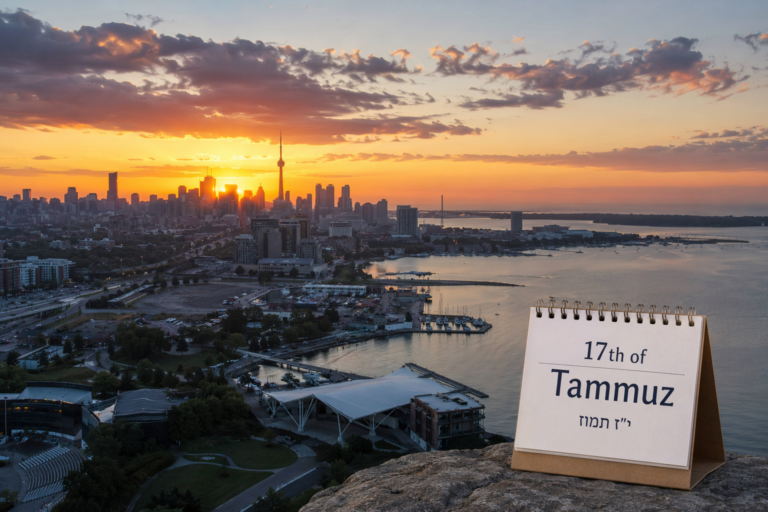
The fast of tammuz happens on the seventeenth of tammuz on the jewish calendar.
-
It remembers big losses in jewish history, all tied to jerusalem and the Temple.
-
This day starts a time of mourning that leads to tisha b.
-
Of the jewish fasts, people mark it from dawn to dusk.
-
Jewish tradition links the date to the broken tablets, stopped offerings, and the walls that were breached.
-
In Canada, people keep the fast days as set by local timing and what the synagogue does.
Introduction
If you want to know about the fast of tammuz in Canada for 2026, start with the basics. The 17th of tammuz is a fast in the day time. It is on the jewish calendar. This day helps people remember sad times in jewish history. This fast is not for one event. It is for many painful moments. It also starts the time of yearly mourning that goes until tisha b.
To really see what this day means, you need to think about its story and how people keep it.
Historical Significance of the Fast of Tammuz
The fast of Tammuz is very important in jewish history. This day helps people remember the pain, loss, and mistakes that happened long ago. The fast is about the first temple and the second temple. It is also about the hard times that started when people came to siege jerusalem and broke through the walls of jerusalem.
This fast also starts a period of national mourning. The next three weeks are sad for everyone in the jewish tradition. It is a time to think about the destruction of the temple, and this sadness leads up to tisha b. On this day, people are called to reflect, feel sorrow, and want to do better. There are some key stories from the past that help show why this day matters, and they are explained next.
Key Events Commemorated on the 17th of Tammuz
The fast of the 17th is set to remember five big troubles from the Mishnah that are also talked about in the Talmud. These are the reasons this day is seen as a sad day in jewish life. Each of these shows a time when there was public shame, a loss in battle, or a big break with spiritual life.
Key events include:
-
Moses broke the tablets of the ten commandments after the golden calf was made.
-
The daily sacrifice stopped because of the siege of jerusalem.
-
There was a breach of the walls of jerusalem before the destruction of the temple.
-
A torah scroll was burned, and someone put an idol in the Sanctuary.
Some say the breach of the walls is about the second temple, but others also talk about the first temple days. The reason for the fast of the 17th is not just to remember history. The jewish people use it to think about what these times meant and why the memory of these calamities like the golden calf, the siege, or the burning of the torah still matter today.
The Role of the Fast in Jewish Tradition and Canadian Observance
In jewish tradition, this jewish fast day is meant to stir memory, repentance, and self-examination. Fasting is one part of the day, but the larger purpose is to help jewish people reflect on loss, exile, and the causes of communal tragedy. It also opens the period of national mourning that leads to Tisha B.
In Canada, observance follows the same religious pattern, with local exact times based on each city. Communities gather for synagogue services, hear Torah readings, and add special prayers linked to the day.
|
Aspect |
Details |
|---|---|
|
Type of fast |
Daytime jewish fast day from dawn until dusk |
|
Main purpose |
Reflection, loss, and repentance in jewish tradition |
|
Broader setting |
Beginning of the period of national mourning |
|
Canadian observance |
Local synagogue schedules and city-based fast times |
|
Liturgical elements |
Special prayers, Torah reading, and additions in services |
That combination of fasting, prayer, and memory is what gives the day its lasting place in Jewish life.
Customs and Practices During the Fast
Among the fast days, the Fast of Tammuz is kept from early morning till evening. During this time, the jewish people do not eat or drink at all, by halacha. If the date comes on Shabbat, the fast moves to Sunday. This timing shapes how people get ready for and keep the day.
Along with fasting, the service has a Torah reading and also special penitential prayers. These things put the fast in the three weeks that come before Tisha B. The next sections will talk more about the main rituals, what changes during the service, and how jewish people in Canada spend the day.
Main Rituals, Prayers, and Prohibited Activities
The main part of this jewish fast day is not hard to follow. You do not eat or drink from dawn until after dark. On the Fast of Tammuz, this means all day you do not have any food and you do not drink anything. This one is lighter than Tisha B because you can still take a bath, use oil, and wear leather shoes.
There are also changes made during prayer time. People add Torah reading in the morning and again in the afternoon. There are also some special prayers that all say when they are together at synagogue.
Main practices include:
-
No eating or drinking during the fasting period
-
Aneinu in the Amidah, with an individual addition at Mincha
-
Slichos and Avinu Malkeinu as special prayers
-
Torah reading from Exodus 32:11, and a Mincha Haftorah from Isaiah
These things that people do and the extra prayers make the day a clear time of sadness and turning back to do what is good, but with fewer limits than Tisha B.
Keywords: tisha b, fast days, torah reading, special prayers, jewish fast day, torah, tammuz, tisha, fasting
Community Observance of the Fast of Tammuz Across Canada
Across Canada, jewish people keep the Fast of Tammuz with both personal fasting and public worship. The fast goes from when the sun comes up until the sun goes down. Every city follows its own timing. This way, it helps people join together in a practical and community way.
In many places, people go to synagogue for Shacharis and Mincha. There, the special prayers for the day are said. Sometimes a rabbi will talk to the group about coming back to faith, remembering the past, or what the Three Weeks mean. Ashkenazi jews and other groups stick to the same main plan—fasting and praying together.
For a lot of families, the day is more quiet and thoughtful than fancy. People focus on holding back, thinking about the past, and joining their community for remembrance. That simple, shared way of keeping the day helps the fast mean the most for them.
Conclusion
The Fast of Tammuz is an important day in the Jewish tradition. It is a time to look back and think in a serious way. When we come to this day in 2026, it is good to keep its story and old customs in mind. This is important for people in Canadian jewish communities, too. The things we do and the rules we follow help us remember important events. These acts can also bring us all together and remind us of who we are. By taking part in the Fast of Tammuz, we show we respect our history. This also helps us build stronger bonds with others right now. Let this be a chance to learn more, grow in spirit, and connect with the people around us as you take part in the fast. The day can help you think more about where you’ve been, where you are, and where you want to go.
Frequently Asked Questions
When does the Fast of Tammuz start and end in Canada in 2026?
The fast of Tammuz starts when the sun comes up and ends when it gets dark. This follows the rules for minor fast days on the Jewish calendar. In Canada, the exact times will change based on your city. A person in Canada will follow the fast by looking at local times for dawn and nightfall. Synagogues or community calendars share the times you need for fast days. The exact times can be different for each city.
What are the ‘Three Weeks’ and how are they observed after the fast?
The Three Weeks start with the Fast of Tammuz and last until Tisha B. In Jewish tradition, this time is seen as a time for mourning. People remember the destruction of the temple during these weeks. The fast helps to open this period. It is a time to think about loss, exile, and the big national troubles that the people remember every year.
How is the Fast of Tammuz different from other Jewish fast days?
The 17th of Tammuz is one of the jewish fast days. People fast from dawn until it gets dark. This jewish fast day is not like Tisha B, because it does not stop you from bathing, putting things on your skin, or wearing leather shoes. The reason for this fast is also a bit different. The 17th of tammuz starts the Three Weeks. It brings fasting and the time of mourning together.