Key Highlights
-
Dharma Day, also called Asalha Puja, is an important day in the Buddhist faith.
-
It looks back on the Buddha’s first sermon that came after his enlightenment.
-
This special day is tied to the four noble truths and the start of Buddhism.
-
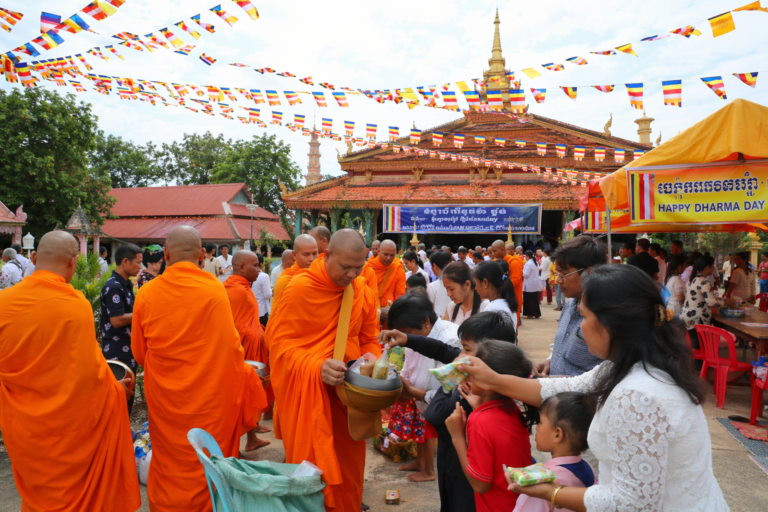
Buddhist monks often lead the people in chanting, giving sermons, and do meditation at temples.
-
Asalha Puja falls in July most times, as it follows the lunar calendar.
-
In Canada, Buddhists honour Dharma Day by prayer, puja, giving offerings, and taking time to think.
Introduction
In Buddhism, there are not many days that mean as much as Asalha Puja, or Dharma Day. This is a day that marks the time when the Buddha first shared the Dharma after he reached enlightenment. The day is for people to think, pray, and find new strength in their Buddhist practice. If you want to know why Asalha Puja is important in Canada, you need to look back at the story of the Buddha and how Buddhism began to grow.
Significance of Asalha Puja (Dharma Day) in Buddhism
Asalha Puja matters because it marks the Buddha’s first sermon after his enlightenment. In the history of Buddhism, this day is when the teachings of the buddha were shared with his first disciples, starting the beginning of buddhism as a real ongoing path.
Asalha puja is joined with the wheel of dharma and the noble truths. These ideas stay important in the daily lives of buddhists. For many, alat asalha puja is more than just a memory. It is a time for people to come back to their dharma practice, feel focus, and show gratitude. The next parts will talk more about its start and what it means for the spirit.
Why Dharma Day Matters to Buddhists and Its Origins
Dharma Day is important because it marks the time when the Buddha shared what he had come to know. After he found enlightenment, he went to find his five disciples. He gave them his first sermon. This act is seen as a key moment in Buddhist history.
People say this happened at Deer Park in Sarnath, India. For Buddhists, this place is special. The Buddha gave his core teachings to others there for the first time. That is why this day is often seen as the start of the Buddhist community.
Many people also link this event to the turning of the wheel of dharma. This means the Buddha began his teaching and shared it with the world. Asalha Puja honours this moment. It helps Buddhists remember that it all began with one sermon that the Buddha gave in Sarnath.
The Spiritual Teachings of Dharma Day and Its Role in Buddhist Practice
At the heart of Dharma Day is buddha’s first teaching. People often know this teaching as the four noble truths. The noble truths help many buddhists understand things like pain in life and why it happens. They also show the way toward peace. This is why Dharma Day is so important in dhamma and the buddhist faith.
For many people who follow this path, it is not only about a story from long ago. It is something that reminds us to live with compassion, self-discipline, and awareness every day. Dharma Day is a time to think about how our actions each day fit with buddhist values.
This day is also a time for people to practice meditation, listen to talks about the four noble truths, and feel motivated to walk the right path again. Some call it a day of new beginnings in the buddhist faith. When we think back to buddha’s first teaching, we get closer to lessons that help show wisdom, compassion, and enlightenment.
Observing Asalha Puja (Dharma Day) 2026 in Canada
In Canada, Buddhists see Asalha Puja Day as a key day in their Buddhist faith. The day comes in July. It falls on the full moon of the eighth month of the lunar calendar. Since the calendar is lunar, the date changes, and people may mark it at different times, based on their tradition.
Many Buddhists join together in temples. Monks help guide prayers, puja, chanting, and time to think. Some like to spend asalha puja day in a quiet way, focusing on their own faith. Others take part in shared Buddhist ceremonies and make offerings together. If you want to plan for asalha puja day, keep in mind that the time can be different depending on where you are or which group you go with. The next section explains how people in Canada mark asalha puja and what to expect.
Date and Timing of Dharma Day 2026 Across Canadian Cities
Asalha Puja Day usually falls in July and is tied to the full moon of the eighth month of the lunar calendar. That means the observance is not fixed to the same Gregorian date every year. In Canada, communities may also consider timing differences when planning temple events.
Some Buddhist organizations note auspicious dates according to India time rather than a local time zone. Because of that, Canadians may find that a temple service is held on a nearby calendar date or at a slightly adjusted time. Checking directly with a local temple is the clearest step.
|
Canadian city |
What to expect for Asalha Puja Day timing |
|---|---|
|
Toronto |
Temple schedules may follow July full moon observance, with local service times announced in advance. |
|
Vancouver |
Communities may mark the day in July, sometimes with timing adjusted to temple tradition. |
|
Montréal |
Observance can be scheduled locally while still honouring the eighth month of the lunar calendar. |
|
Calgary |
Temples may hold puja or talks on the nearest practical date for local worshippers. |
Ways Buddhist Communities in Canada Celebrate Asalha Puja
Across Canada, many Buddhist groups mark this day with simple acts and much respect. While these groups may have a few different ways of doing things, they often come together to give thanks for the Buddha’s teachings and to bring new focus to their practice. Buddhist monks are part of these services. They play a big part in making the day feel peaceful and meaningful.
When people visit temples, there are various activities they can join. These activities show both love and a want to learn more. Visitors often get to see that the space is quiet, calm, and focused on puja, chanting, and meditation. It’s not about having a big party, but about holding the Buddha’s ways close to heart.
-
Attend a temple puja and listen to sermons about the Buddha’s first teaching.
-
Offer support to Buddhist monks through donations or temple offerings.
-
Join group meditation and chanting led by the monastic community.
-
Spend time in quiet reflection as a way to recommit to the Buddhist path.
Traditional Dharma Day Rituals and Practices
On Dharma Day, the main rituals are about thinking back to the Buddha’s first teaching. People also remember the start of the group of disciples. Many Buddhists like to go to temples. There, they take part in puja, join prayer, listen to sermons, and sit in quiet thought. This day is a chance to get back to the dharma and make the mind strong for new goals.
Monks have a big part in these events. They often do chanting, give talks about the dharma, and guide followers as they practice meditation. People also bring offerings. If you want to know more about what happens at the temple or even at home on this day, the next sections will make the main practices of Dharma Day easy to follow.
Key Ceremonies Held in Temples
At the temple, Dharma Day starts with puja and chanting. People show respect to the Buddha and to his teachings, known as dharma. Buddhist monks often lead everyone in the room. They help set a calm and peaceful mood for all the worshippers. Many people come together at this time to honour the day and to be with others in the community.
A big part of the service is listening to sermons led by monks. Most times the talk is about the Buddha’s first teaching. The topic might also be about the road to enlightenment or what dharma means in your day-to-day life. The worshippers want this chance to hear what the Buddha said, so they can take that advice into their own lives.
Temples offer meditation and the reciting of precepts. Sometimes, you will see candle-lit walks around the temple, done together as a group. All these things come together to help people feel thanks, start fresh, and show their strong wish to keep on with Buddhist practice.
How Families and Children Participate in Dharma Day Activities
Families often join together on Dharma Day. They may go to a temple, say prayers, and listen to teachings in a simple and respectful way. Children might not learn every part of Buddhism, but they can still take part in small ways. They can show kindness and compassion through what they do.
At home or with others, the day can have simple and real meanings. A short meditation session, hearing a story about the Buddha, or helping with an offering can help kids see what the day is for.
-
Families can do short meditation sessions together.
-
Kids can learn about kindness and compassion with easy temple activities.
-
Schools or youth groups can talk and learn in simple ways about Buddhism and what the Buddha taught.
Conclusion
Asalha Puja, also known as Dharma Day, is more than just a regular day. This day is important to the core teachings of Buddhism. People all over Canada celebrate it and use it to remember Buddha’s first sermon and the way to enlightenment. The day brings many ceremonies and rituals. Each one comes from tradition. Communities join together to respect the teachings that shape their spiritual lives.
When you get ready to join the celebrations, try to think about how these practices help you understand and appreciate Buddhist principles. Use this time to make your spiritual journey stronger and connect with other people in your community. If you want to learn more about Dharma Day events, you can reach out to local temples for information about how you can take part.
Frequently Asked Questions
What should visitors expect when attending a Dharma Day service in Canada?
Visitors in Canada will find a calm place that is all about buddhism, dharma, and taking time to reflect. During a service, people might take part in puja, listen to chanting, join in on meditation, and hear sermons led by monks. There may also be offerings and quiet prayer times. People in the community often spend the day in a simple and respectful way.
Why is Dharma Day also known as Asalha Puja?
Asalha Puja and Dharma Day talk about the same key day in Buddhism. The name Asalha Puja is used a lot in places like Sri Lanka and Thailand. This day marks when Buddha gave his first sermon and started sharing the Dharma, which is his teaching.
Is Dharma Day celebrated differently in Canada compared to other countries?
Yes, the main idea stays the same, but buddhist communities in Canada might change asalha puja traditions to fit their local temple schedules and what their community needs. The focus still stays on buddhism, teachings, meditation, and offerings. The way people celebrate may be different from what is done in other countries, but it is still about the same things.