
English (US) – Page 67

Feast of St. John the Baptist 2026: History and Traditions

Learn about the Feast of St. John the Baptist 2026, including its biblical history, Christian traditions, symbolism, and how the feast is celebrated worldwide.

English (US)

St. John the Baptist stands as one of the most important figures in Christian history. Known for his life of simplicity and his powerful message of spiritual renewal, he played a crucial role in preparing the public for the arrival of Jesus Christ. Christians around the world honor his life and legacy every year.

The Feast of St. John the Baptist holds deep significance across Catholic, Orthodox, and some Protestant traditions. It offers believers a moment to reflect on themes of humility, faith, and dedication.

In 2026, the Feast of St. John the Baptist will be celebrated on June 24. This date closely aligns with the summer solstice in the Northern Hemisphere, adding unique cultural customs to the religious observances. Understanding the history and traditions of this feast day can help you fully appreciate its global importance.

Who Was St. John the Baptist?

Early Life and Biblical Background

John the Baptist was born to Zechariah and Elizabeth. According to the Gospel of Luke, Elizabeth was a relative of Mary, the mother of Jesus. The couple was elderly and childless. An angel appeared to Zechariah, announcing that Elizabeth would bear a son named John. This miraculous birth set the stage for John’s lifelong mission.

John’s Role as a Prophet

John lived a life of deep devotion in the wilderness. He served as a prophet, calling people to spiritual preparation. He urged his followers to turn away from sin and embrace a life of faith. His preaching drew large crowds from Jerusalem and the surrounding regions.

Baptizing Jesus in the Jordan River

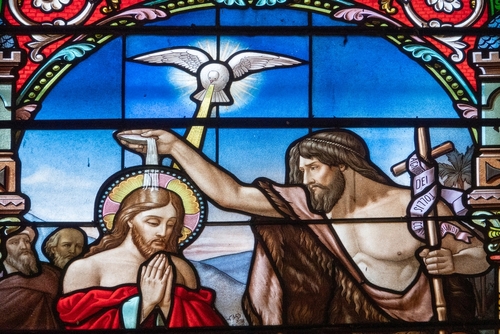
The most defining moment of John’s ministry was baptizing Jesus Christ. This event took place in the Jordan River. When Jesus emerged from the water, the Holy Spirit descended like a dove. This moment remains a cornerstone of Christian theology, marking the beginning of Jesus’ public ministry.

Why John the Baptist Is Important in Christianity

John the Baptist serves as a forerunner to Christ. He willingly took a secondary role, famously stating that Jesus must increase while he must decrease. This powerful symbolism of humility and faithfulness continues to inspire Christians today.
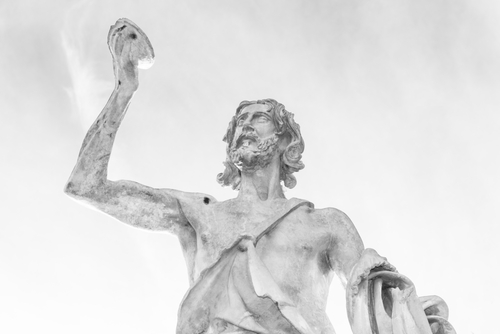
What Is the Feast of St. John the Baptist?

Meaning of the Feast Day

The Feast of St. John the Baptist honors his birth and his prophetic ministry. It serves as a day of thanksgiving for his role in Christian history. Believers use this time to focus on personal repentance and spiritual growth.

When the Feast Is Celebrated in 2026

Christians will observe the Feast of St. John the Baptist on Wednesday, June 24, 2026. This fixed date remains the same every year on the liturgical calendar.

Why the Feast Is Unique

The Church typically celebrates the feast days of saints on the day of their death, which is viewed as their birth into heaven. St. John the Baptist is one of the few Christian saints whose earthly birth is celebrated liturgically. The other two are Jesus Christ and the Virgin Mary.

The Biblical and Historical Significance of St. John the Baptist

John’s Message of Repentance

John delivered a clear and direct message. He called for spiritual renewal and urged people to prepare their hearts for the Lord. His demand for genuine repentance remains a central theme in Christian teachings.

References in the Gospels

St. John the Baptist appears prominently in all four Gospels: Matthew, Mark, Luke, and John. Each account highlights his role as a messenger sent ahead to prepare the way. These texts provide the foundation for his enduring legacy.

Martyrdom and Legacy

John’s unwavering commitment to truth led to his martyrdom. He publicly criticized King Herod Antipas for his unlawful marriage. As a result, Herod ordered John to be imprisoned and eventually beheaded. His death solidified his status as a heroic figure of faith.

How the Feast of St. John the Baptist Is Celebrated

Church Services and Special Liturgies

Many Christians attend special church services on June 24. Priests and pastors lead feast day Masses and read relevant Scripture passages. These liturgies focus on John’s life and his call to repentance.

Bonfires and Midsummer Traditions

The feast day coincides with midsummer. Historically, people celebrated the longest days of the year by lighting large bonfires. Many European cultures integrated these fires into the feast day to symbolize the light of Christ that John proclaimed.

Community Festivals and Processions

Towns and cities around the world host vibrant community festivals. Religious and cultural observances often feature parades, music, and traditional foods. These gatherings foster a strong sense of community and shared faith.

Prayer and Spiritual Reflection

The feast provides a quiet opportunity for personal prayer. Believers focus on repentance, humility, and faith. They ask for the grace to follow John’s example of courageous devotion.

Symbols Associated With St. John the Baptist

Water and Baptism

Water is the most recognizable symbol associated with John. It represents spiritual cleansing, renewal, and his crucial role in baptizing Jesus.

The Lamb

Artworks frequently depict John holding or pointing to a lamb. This connects directly to his declaration upon seeing Jesus: “Behold, the Lamb of God.”

Wilderness and Simplicity

John lived an ascetic life. He wore clothing made of camel’s hair and ate locusts and wild honey. The wilderness symbolizes his detachment from worldly comforts and his total reliance on God.

Fire and Light Traditions

Fire serves as a powerful symbol during the feast day. Bonfire customs tie back to John’s role as a burning and shining lamp who testified to the coming light of Christ.
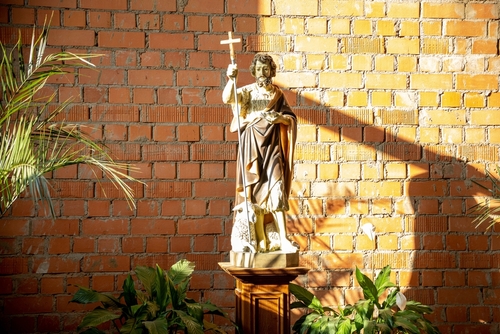
St. John the Baptist Traditions Around the World

Celebrations in Europe

European nations boast rich traditions for this feast day. In Spain and Portugal, spectacular bonfires light up the beaches. Italy honors St. John as the patron saint of several cities, hosting grand religious processions and fireworks displays.

Latin American Feast Day Traditions

Latin American countries blend religious devotion with vibrant cultural expressions. In places like Puerto Rico and Brazil, the day involves lively music, traditional dance, and community gatherings. Many people walk backward into the ocean at midnight to symbolize washing away negative energy.

Observances in the United States

Parishes across the United States celebrate with special Masses and multicultural events. Communities with strong European or Latin American heritage often incorporate their ancestral customs, bringing diverse traditions to local neighborhoods.

Eastern Orthodox Traditions

The Eastern Orthodox Church observes the feast with solemn liturgical services. Fasting practices often precede the celebration. The focus remains heavily on chanting, prayer, and veneration of icons depicting the saint.

Ways Christians Can Observe the Feast in 2026

Attend Church Services

Participating in worship and prayer is a highly meaningful way to observe the day. Check your local parish schedule for special Masses or prayer services held on June 24.

Reflect on Spiritual Renewal

Take time for personal faith and repentance. Use the day to evaluate your spiritual journey and make positive changes in your daily life.

Read Biblical Passages About John the Baptist

Gospel study provides deep insight into John’s mission. Spend time reading the first chapters of Luke or the baptism accounts in Matthew and Mark. Devotional reflection can bring these ancient texts to life.

Practice Humility and Service

Apply John’s example in your daily life. Look for opportunities to serve others quietly. Practice humility by putting the needs of your family and community first.

Why the Feast of St. John the Baptist Still Matters

Encouraging Faith and Preparation

John’s ministry offers timeless spiritual lessons. His dedication to preparing the way for Christ encourages believers to remain watchful and faithful in their own lives.

Preserving Christian Traditions and History

The liturgical calendar connects modern believers to centuries of Christian history. Observing feast days helps preserve these rich traditions for future generations.

Promoting Reflection and Renewal

The themes of repentance, humility, and devotion remain deeply relevant. The Feast of St. John the Baptist offers a reliable, annual reminder to renew your spiritual commitments and walk confidently in faith.

Frequently Asked Questions (FAQs)

When is the Feast of St. John the Baptist 2026?

The Feast of St. John the Baptist is celebrated on June 24, 2026.

Who was St. John the Baptist?

St. John the Baptist was a Jewish prophet who preached repentance and baptized Jesus Christ in the Jordan River.

Why is St. John the Baptist important in Christianity?

Christians believe he prepared the way for Jesus Christ and called people to spiritual renewal and repentance.

What does the Feast of St. John the Baptist celebrate?

The feast honors the birth and ministry of St. John the Baptist.

Why are bonfires associated with the feast?

Bonfires are connected to historical midsummer traditions and symbolize light, faith, and celebration.

How do Christians celebrate the Feast of St. John the Baptist?

Celebrations may include church services, prayer, festivals, processions, bonfires, and community gatherings.

What symbols are associated with St. John the Baptist?

Common symbols include water, the lamb, wilderness imagery, and fire.

Is the Feast of St. John the Baptist celebrated worldwide?

Yes, the feast is observed in many Christian communities around the world, especially in Catholic and Orthodox traditions.


Public service forms the foundation of a safe and healthy society. You rely on these services every single day. From well-maintained roads to reliable healthcare, public workers make our daily routines possible. They ensure our communities run smoothly and securely.

On June 23, the world comes together to observe United Nations Public Service Day. This annual event honors the dedication of public servants around the globe. It serves as a reminder of the hard work that happens behind the scenes in our local and national governments. Recognizing this value builds trust and encourages stronger civic participation.

Public servants play a vital role in our neighborhoods. They work in healthcare, education, emergency safety, and infrastructure planning. Without their continuous effort, many essential systems would simply stop functioning. By taking time to understand their contributions, we can better support the institutions that support us.

As we approach United Nations Public Service Day 2026, recognizing these workers remains highly important. Communities face complex modern challenges, from economic shifts to environmental concerns. Public service professionals stand on the front lines of these issues. This guide will explain the history of the day, why it matters, and how you can participate in recognizing public service.

What Is United Nations Public Service Day?

United Nations Public Service Day is a globally recognized observance. It highlights the importance of public service and the people who provide it.

The Purpose of the Observance

The primary goal of this day is honoring the work of public servants worldwide. These individuals dedicate their careers to improving the lives of others. The observance also focuses on encouraging effective and accountable public institutions. When public systems operate transparently, communities thrive. Finally, the day plays a big role in promoting civic engagement and community service among everyday citizens.

When United Nations Public Service Day Is Celebrated

This event is observed annually on June 23. Communities celebrate through international participation that includes awards, educational events, and recognition programs. Governments often use this specific date to highlight exceptional achievements within their workforce.

The History of United Nations Public Service Day

Understanding the history of this day helps us appreciate its ongoing global impact.

How the Observance Began

The observance began through the establishment by the United Nations. The UN recognized that strong public administration is necessary for a successful society. They set clear goals related to strengthening governance and public administration across all member countries. By creating a specific day of recognition, the UN aimed to inspire better public systems globally.

Why Public Service Is Essential

You can see the importance of public institutions in society everywhere you look. These organizations provide the framework for daily living. They are responsible for supporting stability, health, safety, and economic development. A society with strong public services can recover faster from emergencies and provide better opportunities for its residents.

Growth of Public Service Recognition Worldwide

Over the years, we have seen increasing awareness of government and civic contributions. More countries now actively participate in June 23 celebrations. This growth shows a positive shift in how communities view and respect their civic leaders and workers.

What Is Public Service?

To fully appreciate the day, it helps to understand exactly what public service entails.

Definition of Public Service

Public service refers to the broad range of services provided by government agencies and public institutions. These services exist to benefit the general public rather than generate a private profit. They are funded primarily through taxes and government budgets.

Examples of Public Service Careers

Millions of people work in these vital roles. Common examples include teachers, firefighters, and healthcare workers. Military personnel and public transit workers also provide public service. Civil servants working in city halls and federal agencies round out this dedicated workforce.

The Role of Public Service in Daily Life

The impact of these roles touches every part of your routine. Public service handles our transportation infrastructure. It manages public education for our children. It coordinates emergency response teams and funds local community programs.

Why Public Service Matters in 2026

The landscape of public administration continues to change. In 2026, the demand for reliable public systems is higher than ever.

Supporting Communities and Public Safety

Communities require stability. People rely heavily on the essential services that communities use daily. Whether it is clean drinking water or a fast police response, public safety measures allow neighborhoods to grow without fear.

Responding to Modern Challenges

Governments must adapt quickly. Public health issues require swift and organized responses. Environmental issues demand long-term planning and new regulations. Technology-driven governance is now necessary to keep systems secure from digital threats. Public servants manage all of these modern hurdles.

Building Trust and Civic Engagement

A transparent government builds a trusting population. Transparency, accountability, and community participation are central themes for 2026. When people trust their local agencies, they are much more likely to vote, volunteer, and engage in local matters.

Encouraging Equity and Accessibility

A major focus of modern public administration is fairness. Public programs and services are designed to support diverse populations. This ensures everyone has access to the resources they need to succeed, regardless of their background or income level.

How United Nations Public Service Day Is Observed

People celebrate this day in many different and meaningful ways.

Recognition Ceremonies and Awards

Many governments host official events. Honoring outstanding public service achievements often involves presenting awards to workers who have gone above and beyond their basic duties.

Educational and Civic Events

Learning is a great way to celebrate. Cities often host community discussions and public administration workshops. These events allow residents to speak directly with the people who manage their local resources.

Social Media and Public Awareness Campaigns

Digital recognition is highly effective. Highlighting the impact of public servants online helps spread a positive message quickly. Many organizations use specific hashtags on June 23 to share stories of civic dedication.

Volunteer and Community Service Activities

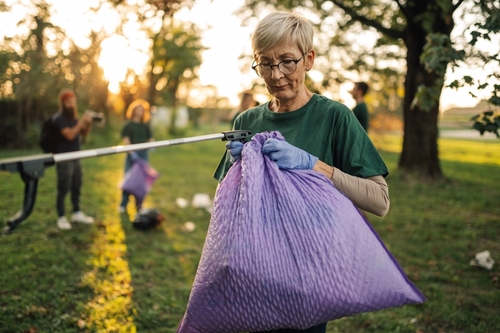
Action speaks loudly. Encouraging civic participation and local engagement is a core part of the observance. Many people use the day to clean up a local park or help at a community food bank.

Ways to Celebrate United Nations Public Service Day 2026

You can easily get involved in this year’s observance. Here are some straightforward ways to participate.

Thank Public Service Workers

A simple thank you goes a long way. Spend time recognizing local public employees and community leaders. You can write a letter to your local fire station or thank a teacher at your community school.

Learn More About Local Government and Civic Programs

Knowledge brings empowerment. Focus on understanding how public services operate in your specific city. Visit your local government website and read about their current projects and budget allocations.

Participate in Volunteer Opportunities

Give back to your area. Look for community service and nonprofit involvement opportunities. Donating a few hours of your time directly supports the broader goals of public service.

Encourage Civic Engagement

Stay active in your local systems. Voting, attending community meetings, and staying informed are all excellent habits. When you participate, you help make the systems better.

Public Service Trends and Conversations in 2026

The public sector is evolving rapidly to meet new demands and expectations.

Digital Transformation in Government Services

Convenience is a priority. We are seeing a massive shift toward online access and technology-driven public programs. Citizens can now renew licenses, pay taxes, and apply for permits entirely online.

Workforce Challenges and Recruitment

Finding good talent remains a hurdle. Governments are focusing heavily on retaining and supporting public sector workers. Competitive pay, better benefits, and flexible working conditions are necessary to attract skilled professionals.

Public Health and Emergency Preparedness

Safety planning is always improving. Governments are applying lessons from recent global and local challenges to update their emergency protocols. This ensures communities are ready for unexpected events.

Sustainability and Infrastructure Investments

Green initiatives are taking center stage. Public service roles in environmental and urban planning initiatives are expanding. Cities are investing in sustainable public transit, renewable energy, and eco-friendly building standards.

Public Service Careers and Future Opportunities

Working in the public sector offers a stable and rewarding career path.

Skills Needed for Public Service Roles

Successful public workers share common traits. Leadership, communication, and problem-solving are critical skills. You must be able to listen to community concerns and find practical, fair solutions.

Education and Career Pathways

There are many ways to enter this field. Degrees, certifications, and public administration programs are widely available. Many universities offer specialized tracks for those wanting to manage city governments or run non-profit organizations.

The Importance of Youth Civic Engagement

The future depends on the next generation. Encouraging future generations to participate in public service is vital. High schools and colleges are working hard to show students the value of a career dedicated to helping others.

Why United Nations Public Service Day Still Matters

Taking one day out of the year to reflect on these contributions has a lasting impact on our society.

Recognizing the Value of Public Institutions

Our systems work best when we respect them. The importance of reliable public systems cannot be overstated. Acknowledging this value helps secure future funding and support for these vital programs.

Strengthening Communities Through Service

Service connects us all. We clearly see the positive impact of dedicated public workers in our daily lives. Their efforts make our neighborhoods cleaner, safer, and more welcoming.

Encouraging Civic Responsibility and Leadership

We all have a part to play. We share a role in improving society. By observing this day, we remind ourselves that strong communities require participation, care, and responsible leadership from everyone.

Frequently Asked Questions (FAQs)

When is United Nations Public Service Day 2026?

United Nations Public Service Day 2026 is observed on June 23.

What is United Nations Public Service Day?

It is an international observance that recognizes the value and contributions of public service workers and institutions.

Who created United Nations Public Service Day?

The United Nations established the observance to promote effective public administration and community service.

Why is public service important?

Public service supports essential areas such as education, healthcare, transportation, emergency response, and public safety.

Who are considered public servants?

Public servants include teachers, firefighters, police officers, healthcare workers, government employees, military personnel, and others working in public institutions.

How do people observe United Nations Public Service Day?

People may recognize public workers, attend civic events, participate in volunteer activities, or learn more about public institutions.

What skills are important in public service careers?

Communication, leadership, organization, teamwork, and problem-solving are valuable skills in public service roles.

How can communities support public service workers?

Communities can show appreciation, advocate for strong public institutions, and participate in civic engagement and volunteer efforts.

Music provides a universal form of expression that connects us all. Every year, people across the globe come together to observe World Music Day. This annual event honors the power of sound, rhythm, and song. It offers communities a chance to share their cultural heritage through live performances and public gatherings.

In 2026, World Music Day will continue its tradition of bringing communities closer. Musicians, fans, and local organizations will participate in various events worldwide. From small street corners to massive digital platforms, the day highlights how melody and rhythm bridge gaps between different cultures and backgrounds.

Understanding the history and significance of this day can help you appreciate the celebrations even more. Music plays a vital role in our social lives and mental well-being. By participating in World Music Day, you support artistic creativity and help preserve cultural traditions for future generations.

What Is World Music Day?

World Music Day is an international celebration dedicated to live music and cultural exchange. It encourages people to step outside, play music, and enjoy free performances in their neighborhoods.

The Purpose of World Music Day

The primary goal of this event is to celebrate artistic creativity. It encourages musicians of all skill levels to share their talents with the public. Organizers prioritize free public performances and community participation. This approach ensures that everyone has access to live entertainment. Ultimately, the day promotes cultural exchange and mutual respect through shared musical experiences.

When World Music Day Is Celebrated

People observe World Music Day annually on June 21. This date coincides with the summer solstice in the Northern Hemisphere. Global participation spans across different countries and cultures. Cities worldwide transform into open-air concert halls, filling the streets with diverse sounds and joyful celebrations.

The History of World Music Day

The origins of this global event start in Europe, but its message quickly resonated worldwide.

How World Music Day Began

World Music Day began in France in 1982. It was originally known as “Fête de la Musique.” The French Ministry of Culture wanted to create a holiday that made music accessible to everyone. They encouraged amateur and professional musicians to perform in streets, parks, and public squares without charging an admission fee.

Expansion Into an International Celebration

The success of the first event in Paris inspired other nations. The celebration quickly expanded beyond French borders. Today, the holiday sees adoption by cities and countries around the world. Over 120 countries now host their own local versions of the festival.

Why Music Is Considered a Universal Language

Music transcends spoken language barriers. It creates a deep connection between culture and communication. A beautiful melody can convey joy, sorrow, or excitement to a listener who does not understand the lyrics. This shared emotional response is the core reason the holiday has achieved such widespread global success.

Why Music Matters

Music provides essential benefits that extend far beyond simple entertainment. It impacts our minds, our relationships, and our societies.

Emotional and Mental Health Benefits

Listening to or playing music offers significant emotional and mental health benefits. It provides excellent stress relief and encourages relaxation. Music also offers a safe outlet for emotional expression. Many people find comfort and healing through their favorite songs during difficult times.

Music and Community Connection

Shared musical experiences build strong communities. Concerts, festivals, and local performances bring people together. These events foster a sense of belonging and mutual support among neighbors and strangers alike.

Cultural Identity and Storytelling

Cultures preserve their traditions and history through music. Folk songs and traditional instruments pass down vital stories from one generation to the next. This oral history helps communities maintain their unique identities in a rapidly changing world.

The Role of Music in Entertainment and Education

Music deeply influences media, learning, and creativity. Educational programs use rhythm and song to help students learn complex subjects. In entertainment, soundtracks elevate films, theater, and digital media, creating memorable experiences for audiences worldwide.

How World Music Day Is Celebrated

Communities celebrate this special day in a variety of engaging and accessible ways.

Free Concerts and Public Performances

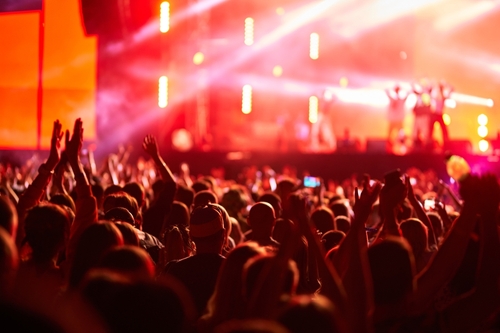
The most common way to celebrate is through free concerts. You will find street performances and outdoor festivals in major cities and small towns alike. Musicians set up on sidewalks, in parks, and outside local businesses to share their art.

Local Music Festivals and Community Events

Many regions organize large-scale local music festivals. These citywide celebrations feature live entertainment from multiple genres. Local governments and community groups often sponsor these events to support community bonding and local commerce.

School and Educational Music Programs

Schools play a major role in the festivities. Educational music programs host student performances and music appreciation activities. Teachers use the day to educate children about different global music traditions and the value of practice and discipline.

Digital Concerts and Social Media Campaigns

Technology has changed how we participate. Digital concerts allow fans to watch international artists from their living rooms. Social media campaigns encourage online music sharing, making virtual participation accessible for those who cannot attend physical events.

Ways to Celebrate World Music Day 2026

You can easily get involved in the 2026 festivities. Here are a few straightforward ways to participate.

Attend a Live Music Event

Check your local community boards for concerts, festivals, and gatherings. Attending a free public show is a great way to support your local arts scene and meet your neighbors.

Support Independent Musicians and Artists

Independent artists rely on community support. You can help by streaming their music, attending their shows, and purchasing their merchandise. Sharing their work on your social media accounts also helps them reach new listeners.

Learn a New Instrument or Song

World Music Day is the perfect time to start learning. You can pick up a beginner-friendly instrument like the ukulele or keyboard. Many online platforms offer free tutorials to help you master your first song.

Create a Music Playlist or Host a Music Night

Gather your friends and family for a music-themed evening. You can create and share a music playlist featuring your favorite genres and artists. Hosting a listening party provides a relaxed environment to discover new sounds together.

Music Trends and Conversations in 2026

The music landscape continues to evolve. Several key trends will shape the conversations around World Music Day 2026.

Growth of Independent and Digital Music Platforms

Streaming services and digital platforms give independent artists more control over their careers. We see a rise in direct artist engagement. Fans now interact closely with their favorite creators through subscription platforms and exclusive online communities.

Global Music Collaborations

Cross-cultural influences are reshaping popular music. Artists from different continents frequently collaborate, resulting in exciting genre blending. This trend introduces listeners to new instruments, languages, and rhythmic structures.

Music and Mental Wellness

The therapeutic uses of music and sound are gaining major recognition. Sound baths, frequency healing, and curated relaxation playlists are incredibly popular. Health professionals increasingly recommend music therapy to support emotional well-being.

Technology and AI in Music Creation

Digital production tools and artificial intelligence are changing the music industry. AI helps artists mix tracks, generate ideas, and master audio. While these tools spark debates about authenticity, they also make music creation more accessible to beginners.

Different Music Genres and Cultural Traditions

World Music Day highlights the incredible diversity of global soundscapes.

Popular Music Genres Around the World

Mainstream genres like pop, jazz, classical, hip-hop, country, rock, and electronic music dominate global charts. Each genre brings its own history and loyal fanbase to the celebrations.

Traditional and Folk Music

Regional music styles ensure cultural preservation. Folk music tells the specific stories of a region’s ancestors. Instruments like the sitar, bagpipes, or djembe feature prominently in these important cultural expressions.

Music and Dance Traditions

Music and physical movement go hand in hand. Dance traditions rely heavily on musical cues for celebrations and ceremonies. From weddings to seasonal harvest festivals, rhythm guides the cultural dances that define these milestones.

Music Education and Youth Participation

Passing a love of music to the next generation remains a vital part of the holiday.

Importance of Music Education

Music education provides immense learning benefits. It teaches children discipline, patience, and active listening. Reading sheet music and playing in time with others improves cognitive function and teamwork skills.

School Bands, Choirs, and Community Programs

Opportunities for youth involvement are crucial. School bands, choirs, and local community programs give young people a safe place to learn and grow. These groups often perform publicly on World Music Day, showcasing their hard work.

Encouraging Creativity Through Music

Learning an instrument builds confidence. It encourages artistic expression and helps young people process their emotions. Providing access to instruments and lessons sets children up for a lifetime of creative fulfillment.

Why World Music Day Still Matters

Decades after its creation, this holiday remains incredibly relevant.

Encouraging Artistic Expression

The day champions accessibility and appreciation for music. It reminds us that art belongs to everyone, regardless of professional status or financial background.

Strengthening Cultural Connections

Shared experiences across communities and countries foster empathy. Listening to music from a different culture helps us understand and respect one another. It builds bridges in an often divided world.

Celebrating Creativity and Diversity

The importance of music in everyday life cannot be overstated. World Music Day celebrates the creativity and diversity that make human culture so rich and vibrant.

Frequently Asked Questions

When is World Music Day 2026?

World Music Day 2026 is celebrated on June 21.

What is World Music Day?

World Music Day is an international celebration that promotes music, live performances, and cultural connection through artistic expression.

Where did World Music Day begin?

World Music Day began in France in 1982 as “Fête de la Musique.”

How do people celebrate World Music Day?

People celebrate with concerts, festivals, street performances, music classes, and online music events.

Why is music important across cultures?

Music supports emotional expression, storytelling, cultural identity, entertainment, and social connection.

Is World Music Day only for professional musicians?

No. The celebration encourages participation from everyone, including amateur musicians, students, and music fans.

What are some ways to participate in World Music Day?

You can attend concerts, support local artists, learn an instrument, create playlists, or share music with others.

How does music benefit mental health?

Music can help reduce stress, improve mood, encourage relaxation, and support emotional well-being.

Prepare for the Celebrations

World Music Day 2026 promises to be an inspiring global event. Mark your calendar for June 21 and start planning how you will participate. Whether you choose to attend a local festival, stream new artists, or learn a few chords on the guitar, your involvement supports the global music community. Embrace the sounds around you and let music bring a sense of harmony to your day.

Litha is a vibrant Pagan and Wiccan festival that takes place during midsummer. It aligns perfectly with the Summer Solstice, marking the longest day and the shortest night of the year in the Northern Hemisphere. This celebration honors the peak of the sun’s power. It offers a moment to pause and appreciate the warmth and light that sustain life on Earth.

At its core, Litha focuses on themes of sunlight, abundance, growth, and nature. The Earth is green and full of life during this time. Gardens are blooming, and crops are growing strong. The festival reminds us of the earth’s natural rhythms and the prosperity that comes with the changing seasons. People use this time to reflect on their own personal growth and the bright spots in their lives.

Modern Pagans and Wiccans celebrate Litha with a mix of ancient traditions and contemporary practices. In 2026, observers will gather to light bonfires, host outdoor feasts, and connect with their local communities. You can celebrate Litha in a grand group setting or through quiet, personal meditation. The day is highly accessible for anyone wanting to honor nature and the solar cycle.

What Is Litha?

Meaning of Litha

Litha is recognized as a midsummer Sabbat in Pagan and Wiccan traditions. The holiday celebrates the sun reaching its highest point in the sky. Observers honor this peak power and the seasonal abundance it brings to the earth. The energy of Litha is joyful, expansive, and full of life.
When Litha Is Celebrated in 2026

Astronomical timing dictates the exact date of the festival. Litha is observed around the Summer Solstice in late June. In 2026, the solstice falls on Sunday, June 21st. The exact timing provides a natural anchor for rituals and community gatherings.

Litha in the Wheel of the Year

The Wheel of the Year includes eight Sabbats observed in many modern Pagan traditions. Litha is a vital spoke in this wheel. It marks the seasonal transition between the fresh beginnings of spring and the upcoming harvest festivals of autumn. It represents the height of summer before the days slowly begin to shorten again.

The History and Origins of Litha

Ancient Summer Solstice Traditions

People have celebrated the Summer Solstice long before modern religious frameworks existed. Pre-Christian midsummer celebrations took place extensively across Europe. Ancient cultures tracked the sun’s movement closely because their survival depended on the seasons. They held large communal gatherings to honor the longest day of the year.

Fire Festivals and Solar Symbolism

Fire has always been the central element of midsummer celebrations. Historical records show communities lighting massive bonfires to encourage the sun to remain powerful. These sun-related rituals provided light through the shortest night of the year. People believed the fires would protect their crops and bring good fortune.

Influence of Folklore and Nature Worship

Litha has deep roots in agricultural cycles and fertility traditions. European folklore tells of fairies, sprites, and nature spirits being highly active during midsummer. Farmers asked the earth for continued fertility to ensure a successful harvest later in the year. These folklore elements still influence how the holiday is viewed today.

Modern Revival in Pagan and Wiccan Communities

The mid-20th century saw a resurgence of Earth-centered religions. Contemporary observances now blend historical research with modern spiritual practices. Today, Wiccans and Pagans celebrate Litha to maintain a tangible connection to the earth. The revival keeps ancient traditions alive while adapting them to modern lifestyles.

Spiritual Themes and Symbolism of Litha

Sunlight, Energy, and Vitality

The sun is the ultimate symbol of Litha. It sits at its strongest point, providing maximum daylight. This translates spiritually into themes of high energy, strength, and vitality. People use this time to harness that bold, active energy for their personal projects and goals.

Growth, Abundance, and Fertility

Nature operates at full capacity during midsummer. The festival celebrates nature’s fullness and prosperity. Trees are heavily leafed, and wildlife is active. This outward growth encourages practitioners to celebrate the abundance present in their own lives.

Balance and Seasonal Change

Litha is a festival of light, but it also carries a subtle shift in balance. It marks the transition toward shorter days after the solstice passes. The sun reaches its peak and then immediately begins its slow decline. This teaches observers to appreciate the present moment and accept the natural cycle of release.

Nature and Spiritual Reflection

The Sabbat emphasizes a strong connection to Earth-centered spirituality. You are encouraged to spend time outside and observe the world. This deep connection to nature fosters spiritual reflection. It provides a grounding force in an often chaotic world.

Common Litha Traditions and Rituals

Bonfires and Candle Rituals

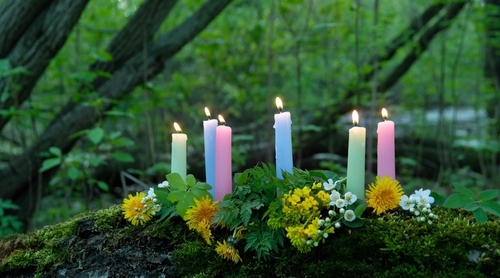
Fire remains a staple of modern Litha celebrations. You can light a bonfire outdoors if you have a safe space. If you live in an apartment, lighting a yellow or orange candle works just as well. The symbolism of fire during midsummer represents the sun’s warmth and protective energy.

Outdoor Gatherings and Nature Walks

Celebrating the natural world is easy during the summer. Many groups host outdoor gatherings at local parks or nature reserves. A simple nature walk is a highly effective way to observe the Sabbat. It allows you to appreciate seasonal beauty firsthand.

Flower Crowns and Seasonal Decorations

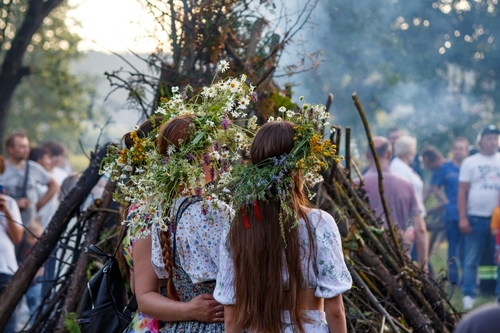
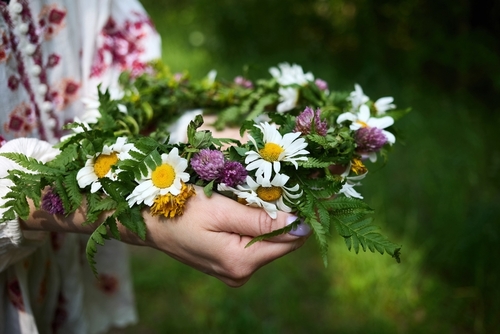
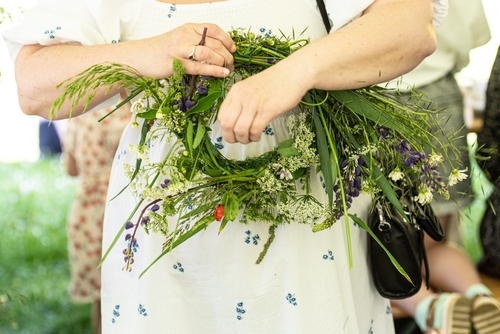
Creating art from nature is a popular midsummer tradition. People weave flower crowns using local blooms to wear during rituals. Traditional midsummer symbols and colors are brought inside the home. Sunflowers, oak leaves, and bright ribbons are commonly used.

Rituals for Gratitude and Intention Setting

Litha is an ideal time for reflection and manifestation. You can perform simple rituals to express gratitude for the good things in your life. Many people write down their goals and burn the paper in a candle flame to release their intentions. These personal growth practices keep you aligned with your objectives.

How Modern Pagans and Wiccans Celebrate Litha

Solstice Ceremonies and Group Rituals

Community is a large part of Paganism. Coven gatherings and community celebrations happen worldwide during the solstice. These group rituals often involve drumming, singing, and sharing a communal meal. Working together amplifies the joyful energy of the festival.

Home Altars and Seasonal Decorations

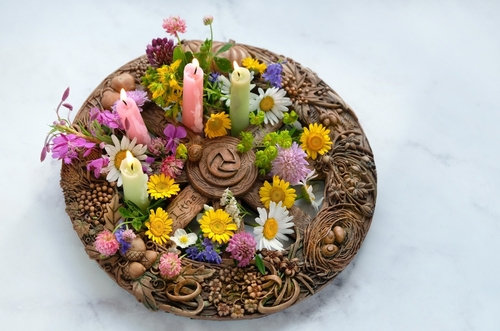
Many solitary practitioners set up home altars to honor the season. Common symbols include small wooden suns, herbs, candles, and fresh flowers. You can drape your altar in yellow or green cloth. Keeping a seasonal altar provides a dedicated space for daily mindfulness.

Feasting and Seasonal Foods

Food connects us directly to the earth’s cycles. Litha celebrations typically feature honey, berries, herbs, and fresh vegetables. Summer recipes highlight local, seasonal produce. Sharing a meal made from fresh ingredients is a celebration of the earth’s generosity.

Meditation and Spiritual Practices

Quiet contemplation is just as valuable as a large bonfire. Sun meditations are highly popular during the solstice. You can sit in the morning sunlight and focus on breathing deeply. These mindfulness activities help reduce stress and improve mental clarity.

Litha Symbols, Colors, and Correspondences

Traditional Litha Colors

The colors of Litha reflect the visual landscape of summer. Gold, yellow, orange, green, and white are the most common choices. You can incorporate these colors into your clothing, altar spaces, and home decor.

Herbs and Flowers Associated With Litha

Plants hold specific energies during midsummer. Lavender, chamomile, rosemary, sunflowers, and roses are strongly tied to Litha. You can dry these herbs, use them in cooking, or place them around your home for protection and peace.

Crystals and Natural Elements

Crystals help focus intention during rituals. Sunstone, citrine, and amber are heavily used due to their bright colors and fire symbolism. Keeping these stones nearby helps you connect with the solar energy of the season.

Animals and Mythological Connections

Certain animals are closely linked to the summer solstice. Bees and butterflies represent pollination and the continuation of life. Horses frequently appear in solar imagery, historically depicted as pulling the sun across the sky.

Ways to Celebrate Litha 2026

Watch the Sunrise or Sunset

Honoring the longest day of the year requires very little equipment. You can wake up early to watch the sunrise. Alternatively, you can find a quiet spot to watch the sun set. Both actions offer a profound connection to the solar cycle.

Host a Midsummer Gathering

Food and community go hand in hand. You can host a midsummer gathering for your friends and family. Serve seasonal meals and enjoy an outdoor celebration in your backyard. It is a wonderful way to share the joy of the season.

Spend Time in Nature

Step away from your daily routine and go outside. Hiking, gardening, and connecting with the outdoors are perfect ways to celebrate Litha. Getting your hands in the dirt or walking quietly through a forest grounds your energy quickly.

Create Seasonal Crafts or Decorations

Crafting is a relaxing way to honor the Sabbat. You can make wreaths, pour your own candles, or arrange fresh flowers. Creating these items by hand adds a personal touch to your spiritual practice.

Litha and Modern Spirituality in 2026

Growing Interest in Nature-Based Spiritual Practices

More people are looking for spiritual paths that honor the earth. The increased visibility of Pagan and Wiccan traditions has made Sabbats like Litha more mainstream. This growth shows a collective desire to reconnect with natural environments.

Wellness and Seasonal Living Trends

Litha aligns perfectly with modern wellness trends. Mindfulness and nature-centered rituals are highly recommended by mental health professionals. Observing the seasons provides a predictable, comforting rhythm to daily life.

Online Pagan Communities and Education

Finding information about Litha is easier than ever. Digital resources and virtual celebrations connect practitioners across the globe. Online communities offer safe spaces for beginners to learn about midsummer traditions and ask questions.

Why Litha Still Matters

Celebrating Nature’s Cycles

Awareness of seasonal rhythms is crucial for environmental stewardship. Litha reminds us that we are part of the natural world. Celebrating the solstice fosters a deeper respect for the earth and its fragile ecosystems.

Encouraging Gratitude and Reflection

Taking a spiritual pause during midsummer improves mental well-being. Litha provides a structured time to stop and evaluate your life. Cultivating gratitude for the warmth and abundance around you leads to a more positive outlook.

Building Community and Tradition

Shared rituals bring people together. Seasonal celebrations like Litha build strong community bonds. Whether you celebrate alone or with a large group, honoring the solstice connects you to a long, enduring human tradition.

Frequently Asked Questions (FAQs)

What is Litha?

Litha is a Pagan and Wiccan midsummer festival celebrated around the Summer Solstice.

When is Litha celebrated in 2026?

Litha is observed around the Summer Solstice in late June 2026.

What does Litha celebrate?

Litha celebrates the longest day of the year, the power of the sun, abundance, growth, and nature.

Is Litha connected to the Summer Solstice?

Yes, Litha is directly connected to the Summer Solstice in the Northern Hemisphere.

How do people celebrate Litha?

Celebrations may include bonfires, outdoor gatherings, rituals, meditation, seasonal foods, and nature-based activities.

What are common symbols of Litha?

Common symbols include the sun, fire, flowers, herbs, candles, and seasonal greenery.

Is Litha only celebrated by Wiccans?

No. Litha may also be celebrated by Pagans, Druids, and people interested in nature-based spiritual traditions.

What foods are associated with Litha?

Seasonal fruits, berries, honey, herbs, fresh vegetables, and summer dishes are commonly associated with Litha celebrations.

International Yoga Day highlights the importance of movement, breathing, and intentional rest. Celebrated every year, this global event focuses on promoting yoga and holistic wellness. People all over the world use this day to connect with their bodies and calm their minds.

Yoga’s popularity continues to grow rapidly in the United States and globally. Millions of people roll out their mats every day to build strength and find peace. From busy city parks to quiet living rooms, yoga provides a reliable way to manage stress.

Prioritizing your physical and mental health is essential. Yoga remains highly relevant in 2026 because it offers clear, accessible tools for overall well-being. Reading this guide will help you understand the history of this global observance, explore the health benefits of yoga, and find meaningful ways to participate this year.

What Is International Yoga Day?

The Purpose of International Yoga Day

International Yoga Day exists to promote physical, mental, and emotional wellness. It encourages people everywhere to adopt mindfulness and healthy lifestyles. The event also raises awareness about yoga’s rich cultural and historical roots.

When International Yoga Day Is Celebrated

People observe this special day annually on June 21. Global participation takes many forms. You can find local classes, specialized workshops, and large-scale wellness events happening in communities around the world.

The History of International Yoga Day

How International Yoga Day Began

The United Nations officially established International Yoga Day in 2014. A proposal was introduced to recognize yoga’s universal appeal and health benefits. The resolution quickly gained massive international support from member states, leading to the first official observance in 2015.

Why June 21 Was Chosen

June 21 coincides with the Summer Solstice in the Northern Hemisphere. This is the longest day of the year. The date holds deep traditional and spiritual significance in many parts of the world, making it a fitting time to celebrate light and wellness.

Growth of Yoga Worldwide

Yoga has expanded significantly over the past decade. Yoga studios have opened in small towns and major cities alike. Online classes and digital wellness communities make the practice accessible to anyone with an internet connection.

What Is Yoga?

Origins of Yoga

Yoga has ancient roots in India. It originated thousands of years ago as part of deep spiritual traditions. The early practices focused on harmonizing the mind, body, and spirit to achieve higher awareness.

Yoga as a Mind-Body Practice

Modern yoga combines physical movement, controlled breathing, and mindfulness. It requires you to pay attention to your body as you move through various poses. This intentional focus helps quiet the mind while strengthening the muscles.

Popular Types of Yoga

You can choose from many different styles of yoga. Hatha yoga offers a slow, steady introduction to basic poses. Vinyasa focuses on fluid, continuous movement. Yin and Restorative yoga target deep relaxation and joint health. Power Yoga and Hot Yoga provide intense, sweat-inducing workouts.

Yoga for Different Fitness Levels

Yoga is highly adaptable. Beginner-friendly classes teach the basics step-by-step. Instructors often provide modifications and use props like blocks and straps to make poses accessible for all physical abilities.

Health Benefits of Yoga

Physical Health Benefits

Regular practice improves your physical health. Yoga builds flexibility, balance, mobility, and muscular strength. It keeps your joints healthy and helps prevent injuries in your daily life.

Mental and Emotional Wellness

Yoga provides an effective way to manage stress. The practice lowers heart rates and encourages relaxation. Many people report feeling calmer and more emotionally balanced after finishing a class.

Breathing and Mindfulness Benefits

Conscious breathing is a core part of yoga. Breathing exercises, paired with meditation, train your brain to stay present. This helps reduce anxiety and improves your focus throughout the day.

Long-Term Wellness and Lifestyle Habits

Consistency brings the best results. Practicing yoga regularly establishes a strong foundation for long-term wellness. It encourages healthy lifestyle choices, better sleep patterns, and mindful eating habits.

How International Yoga Day Is Celebrated

Community Yoga Classes and Outdoor Events

Communities gather outside to celebrate together. Public parks, beaches, and city squares host large group yoga sessions. These events foster a strong sense of connection and shared wellness.

Virtual Yoga Sessions and Online Challenges

Digital participation is incredibly popular. Streaming platforms and fitness apps host virtual yoga sessions. Social media campaigns encourage people to participate in multi-day yoga challenges from their homes.

Workplace and School Wellness Programs

Schools and businesses recognize the value of yoga. Workplaces organize yoga breaks to help employees manage stress. Schools incorporate mindfulness education and simple stretches into the students’ daily routines.

Meditation and Holistic Wellness Workshops

The celebration goes beyond physical poses. Wellness centers host meditation workshops and sound baths. These events focus on broader self-care routines and holistic wellness practices.

Ways to Participate in International Yoga Day 2026

Try a Yoga Class for the First Time

Taking your first yoga class can be intimidating. Start with a beginner-friendly session at a local studio. Instructors are supportive and will guide you safely through the foundational movements.

Practice Yoga Outdoors

Connect your movement with nature. Take your yoga mat to the backyard, a local park, or the beach. Breathing fresh air while stretching enhances the calming effects of the practice.

Create a Daily Mindfulness Routine

You can celebrate by building a new habit. Incorporate five minutes of stretching and deep breathing exercises into your morning routine. Small, consistent actions lead to significant health improvements over time.

Support Local Yoga Studios and Wellness Communities

Local studios are the heartbeat of the yoga community. Attend a class, purchase a class pass, or bring a friend along. Community engagement provides vital support to small wellness businesses.

Yoga Trends and Wellness Conversations in 2026

Growth of Digital and At-Home Yoga

At-home practice is more convenient than ever. Streaming classes and dedicated fitness apps allow you to practice on your own schedule. High-quality instruction is now available right in your living room.

Yoga for Mental Health and Stress Reduction

The conversation around yoga increasingly centers on mental health. People value the practice for its profound ability to reduce stress and support emotional wellness.

Inclusive and Accessible Yoga Practices

The yoga community is prioritizing inclusion. Adaptive yoga ensures that individuals with disabilities or limited mobility can participate safely. Community-centered wellness programs make yoga accessible to underserved populations.

Sustainable Yoga Products and Wellness Brands

Eco-friendly choices are a major focus in 2026. Wellness brands offer sustainable products to environmentally conscious consumers. You can easily find mats made from natural rubber, recycled clothing, and biodegradable accessories.

Yoga for Families and Beginners

Family-Friendly Yoga Activities

Practicing together is a great way to bond. Simple yoga routines for children and parents make fitness fun. Animal-themed poses and short breathing games keep kids engaged and calm.

Beginner Yoga Tips

Starting slowly provides reassurance and builds confidence. Focus on consistency rather than perfection. Breathe deeply, listen to your body, and rest whenever you need to.

Common Yoga Mistakes to Avoid

Avoid pushing yourself too hard. Overstretching leads to injury. Focus on your own mat and avoid comparing your progress to the people around you.

Why International Yoga Day Still Matters

Encouraging Holistic Health

True health requires a balance between physical and mental wellness. International Yoga Day highlights this connection, showing how taking care of your body also nurtures your mind.

Promoting Global Wellness and Community

The world shares a common focus on healthy living on June 21. Millions of people practicing together creates a powerful sense of global community and shared purpose.

Inspiring Mindfulness in Daily Life

The benefits of yoga extend far beyond the mat. Intentional movement and self-care teach you how to remain calm under pressure. These long-term benefits inspire ongoing mindfulness in your daily life.

Frequently Asked Questions (FAQ)

When is International Yoga Day 2026?

International Yoga Day 2026 is observed on June 21.

What is International Yoga Day?

International Yoga Day is a global observance that promotes yoga, mindfulness, and holistic wellness practices.

Who created International Yoga Day?

The United Nations officially established International Yoga Day in 2014.

Why is June 21 chosen for International Yoga Day?

June 21 was selected because it coincides with the Summer Solstice, which holds significance in many wellness and spiritual traditions.

What are the benefits of yoga?

Yoga can improve flexibility, balance, strength, stress management, mindfulness, and overall wellness.

Is yoga suitable for beginners?

Yes, yoga can be adapted for all ages, experience levels, and physical abilities.

How do people celebrate International Yoga Day?

People participate through yoga classes, outdoor events, meditation sessions, workshops, and online wellness activities.

What equipment do beginners need for yoga?

Most beginners only need comfortable clothing and a yoga mat to get started.

Take the Next Step on Your Wellness Journey

Starting a yoga practice is easy, safe, and rewarding. You have all the information you need to begin. Find a local class or search for a beginner video online today. Rolling out your mat is the first step toward a healthier, more balanced life.

The Summer Solstice marks a significant turning point in the calendar. Occurring every June, it signals the official start of summer in the Northern Hemisphere. During this annual event, the sun reaches its highest point in the sky. This creates the longest period of daylight we experience all year.

This extended daylight happens because the Northern Hemisphere tilts directly toward the sun. For thousands of years, people have tracked this specific moment to guide farming, travel, and seasonal planning. Understanding this astronomical event helps us appreciate the natural cycles that govern our planet.

Beyond science, the Summer Solstice holds deep cultural meaning. Communities around the world celebrate this day with lively festivals, outdoor gatherings, and ancient traditions. From the historic stones of Stonehenge to modern yoga retreats in the park, people find unique ways to welcome the warmth and light.

As we look ahead to the Summer Solstice 2026, you might wonder how to make the most of this special day. This guide covers everything you need to know about the science, history, and modern traditions surrounding the longest day of the year.

What Is the Summer Solstice?

Definition of the Summer Solstice

The Summer Solstice is a specific astronomical moment. It happens when the Earth’s North Pole reaches its maximum tilt toward the sun. For the Northern Hemisphere, this results in the most direct sunlight and the most daylight hours of the entire year.

Why It’s the Longest Day of the Year

Our planet spins on an axis that is slightly tilted. During the Summer Solstice, the Northern Hemisphere faces the sun more directly than at any other time. This position exposes the upper half of the globe to sunlight for a longer duration. While the day has the most light, it does not immediately bring the hottest temperatures. The oceans and land need time to absorb the sun’s heat.

When the Summer Solstice Happens in 2026

The Summer Solstice typically falls between June 20 and June 22. In 2026, this event occurs in late June. While people celebrate it as a full-day event, the solstice itself is actually a brief astronomical moment when the sun sits directly over the Tropic of Cancer.

The Science Behind the Summer Solstice

Earth’s Tilt and Orbit Explained

The Earth orbits the sun at an angle of about 23.5 degrees. This axial tilt is the reason we have different seasons. As the Earth travels around the sun, different parts of the planet receive varying amounts of direct sunlight.

The Sun’s Highest Position in the Sky

Because of the Earth’s tilt, the sun takes a longer, higher path across the sky during the summer. This elevated solar angle maximizes the duration of daylight. If you stand outside at noon on the solstice, your shadow will be the shortest it gets all year.

Difference Between Solstices and Equinoxes

Solstices and equinoxes both mark seasonal changes, but they happen for different reasons. Solstices occur in June and December, bringing the longest and shortest days of the year. Equinoxes happen in March and September. During an equinox, the Earth’s tilt is completely sideways to the sun, resulting in nearly equal amounts of day and night.

Why Seasons Differ Between Hemispheres

When the Northern Hemisphere tilts toward the sun, the Southern Hemisphere tilts away. This means the two halves of the Earth experience opposite seasons. When the United States enjoys the Summer Solstice in June, countries like Australia and Argentina experience their winter solstice.

Historical and Cultural Significance of the Summer Solstice

Ancient Solstice Celebrations

Ancient civilizations relied heavily on the sun to survive. They tracked the sun’s movement to determine when to plant and harvest crops. The Summer Solstice became a vital spiritual and practical milestone. Communities hosted large feasts to honor the sun and pray for a successful harvest.

Stonehenge and Solar Alignments

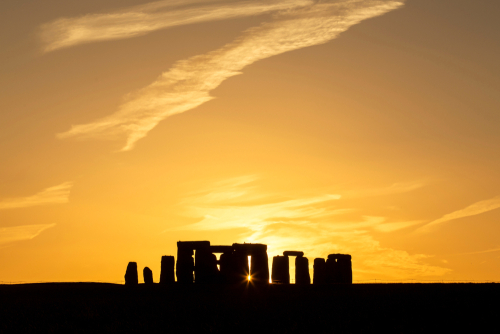
Stonehenge in England is one of the most famous solstice landmarks in the world. Thousands of years ago, builders carefully arranged these massive stones to align with the sun’s movements. On the morning of the Summer Solstice, the rising sun shines perfectly through the center of the monument.

Indigenous and Cultural Traditions

Indigenous communities across the globe observe the solstice with deep respect. Many Native American tribes hold sun dances and ceremonies to honor the earth’s cycles. These traditions emphasize gratitude, community, and respect for nature’s life-giving light.

Midsummer Festivals Around the World

In many European countries, the solstice is celebrated as Midsummer. Sweden hosts massive Midsummer festivals where people wear flower crowns, eat traditional foods, and dance around a maypole. These global celebrations highlight the universal joy that warmer weather brings.

How People Celebrate the Summer Solstice Today

Outdoor Festivals and Gatherings

Today, people celebrate the longest day of the year by heading outside. Cities frequently host outdoor music festivals, block parties, and food markets. These community gatherings take advantage of the extended evening light.

Sunrise and Sunset Viewing Traditions

Many individuals prefer a quiet, reflective celebration. Waking up early to watch the solstice sunrise is a popular tradition. Others gather at local beaches or hillsides to watch the sun finally set after a remarkably long day.

Nature-Based Activities

The Summer Solstice is an excellent time to reconnect with nature. Families often plan camping trips, long hikes, or beach days. Gardeners use this weekend to tend to their summer crops and enjoy the outdoors.

Wellness and Spiritual Practices

Wellness communities embrace the solstice as a time of renewal. Yoga studios frequently host special outdoor sessions, such as completing 108 sun salutations. Meditation retreats and seasonal rituals help people set positive intentions for the rest of the year.

Summer Solstice Traditions in the United States

Seasonal Festivals and Events

Across the United States, communities mark the solstice with local fairs and parades. Places like Santa Barbara, California, host large annual solstice parades featuring colorful floats, music, and dancing. These events draw massive crowds and boost local tourism.

National Parks and Outdoor Recreation

The National Park Service sees a surge in visitors during the solstice weekend. With extra daylight, hikers have more time to explore trails safely. Parks often organize special ranger-led programs to educate visitors about the night sky and local wildlife.

Solstice Events in Major US Cities

Major cities celebrate the start of summer with large public gatherings. New York City famously hosts a massive yoga event in Times Square. Museums, observatories, and educational centers run special programs to teach children and adults about astronomy.

Fun Facts About the Summer Solstice

The Longest Day Doesn’t Mean the Hottest Day

Even though the solstice brings the most sunlight, it is rarely the hottest day of the year. The Earth’s oceans and landmasses take weeks to release the heat they absorb. This creates a seasonal lag, pushing peak summer temperatures into July and August.

Places With Midnight Sun

If you travel far enough north, the sun never sets on the solstice. Regions inside the Arctic Circle, like parts of Alaska, Norway, and Iceland, experience the “Midnight Sun.” Residents enjoy nearly 24 hours of continuous daylight.

Solstice Traditions Through History

Fire is a common symbol in solstice history. Many ancient European cultures lit massive bonfires on Midsummer’s Eve. They believed the fires would boost the sun’s energy and drive away evil spirits for the remainder of the year.

Interesting Astronomy Facts

Daylight duration varies drastically depending on your location. On the Summer Solstice, cities in the northern US like Seattle get about 16 hours of daylight. Meanwhile, southern cities like Miami experience closer to 13.5 hours of sunlight.

Ways to Celebrate the Summer Solstice 2026

Spend More Time Outdoors

The simplest way to celebrate is to step outside. Plan a family picnic at a local park or take a long evening walk. Enjoying the fresh air helps you appreciate the warmth and light of the new season.

Host a Seasonal Gathering

Gather your friends and family for a backyard barbecue. Summer meals featuring fresh, local produce are a great way to mark the occasion. Keep the celebration simple, relaxed, and focused on good company.

Learn More About Astronomy and Nature

Use the solstice as an educational moment. Visit a local planetarium or use a stargazing app to explore the night sky. Teaching children about the Earth’s orbit helps them understand the physical world around them.

Reflect on Seasonal Goals and Wellness

Take a moment for personal growth. Write down your goals for the second half of the year. Mindful practices like journaling or meditation provide mental clarity and help you transition smoothly into the summer months.

Environmental and Seasonal Conversations in 2026

Climate and Seasonal Changes

The solstice often prompts important discussions about our environment. As summer begins, communities prepare for changing weather patterns and potential heat waves. Understanding seasonal shifts helps cities plan resources to keep residents safe and comfortable.

Growing Interest in Nature-Based Wellness

More people recognize the mental health benefits of spending time outside. The solstice highlights the importance of outdoor recreation. Doctors and mental health professionals increasingly recommend nature walks to lower stress and improve overall well-being.

Sustainability and Seasonal Living

The solstice encourages a closer connection to seasonal living. People are showing greater interest in eco-conscious lifestyles. Shopping at local farmers’ markets, starting a home garden, and eating seasonal foods are practical ways to support a sustainable environment.

Embracing the Summer Solstice 2026

Connection Between Nature and Daily Life

Tracking the Summer Solstice reminds us of the natural cycles that guide our world. Acknowledging this astronomical event helps us feel grounded. It brings awareness to the changing seasons and how they impact our daily routines.

Celebrating Community and Tradition

Whether through a large festival or a quiet family dinner, the solstice is about connection. Shared cultural and outdoor experiences strengthen community bonds. These traditions give us something positive to look forward to every year.

Appreciating Science and Astronomy

Understanding the Earth’s relationship with the sun builds a deep appreciation for science. The Summer Solstice 2026 offers a perfect opportunity to look up, learn something new, and celebrate the light.

Frequently Asked Questions (FAQs)

When is the Summer Solstice 2026?

The Summer Solstice 2026 occurs in June and marks the official start of summer in the Northern Hemisphere.

Why is the Summer Solstice the longest day of the year?

It is the day when the Northern Hemisphere is tilted most directly toward the sun, resulting in the most daylight hours.

What causes the Summer Solstice?

The Summer Solstice is caused by Earth’s axial tilt as it orbits the sun.

Is the Summer Solstice the first day of summer?

Yes, the Summer Solstice is commonly considered the astronomical start of summer in the Northern Hemisphere.

What is the difference between a solstice and an equinox?

Solstices mark the longest and shortest days of the year, while equinoxes occur when day and night are nearly equal in length.

How do people celebrate the Summer Solstice?

People celebrate with festivals, outdoor activities, sunrise gatherings, yoga events, and seasonal traditions.

Does the Summer Solstice happen worldwide?

Yes, but seasons are opposite in the Southern Hemisphere, where it marks the winter solstice.

Why is Stonehenge associated with the Summer Solstice?

Stonehenge is aligned with the sunrise during the Summer Solstice, making it a famous gathering site for solstice celebrations.
Food connects us all. It brings families together, preserves cultural heritage, and sustains human life. How we grow, transport, and consume our food also leaves a lasting mark on the planet. This connection between our meals and the environment is the heart of Sustainable Gastronomy Day, a global observance celebrated every year on June 18.

As we approach Sustainable Gastronomy Day 2026, people worldwide are paying closer attention to their eating habits. Communities are recognizing that food choices directly impact natural resources, climate stability, and local economies. Sustainable eating is no longer just a trend. It is an essential practice for protecting our planet for future generations.
This guide explains everything you need to know about Sustainable Gastronomy Day 2026. You will learn the history behind this observance, the environmental challenges facing our food systems, and simple ways you can make more responsible food choices. Taking small steps today ensures a healthier, more sustainable world for everyone.

What Is Sustainable Gastronomy Day?

The Purpose of the Observance

Sustainable Gastronomy Day promotes environmentally responsible food systems worldwide. It encourages people to think about where their ingredients come from and how they are grown. The day also builds awareness around sustainable agriculture, ensuring farmers can produce food without depleting natural resources. Finally, it celebrates cultural food traditions and biodiversity, honoring the unique ingredients native to different regions.

When Sustainable Gastronomy Day Is Celebrated

This global event is observed annually on June 18. People and organizations participate through international educational campaigns, local culinary events, and community dinners. It is a day dedicated to learning, sharing meals, and supporting responsible food practices.

The History of Sustainable Gastronomy Day

How the Observance Began

The United Nations officially established Sustainable Gastronomy Day in December 2016. The UN recognized that gastronomy is an expression of natural and cultural diversity. This day connects directly to global development goals, emphasizing that sustainable food production is vital for ending hunger, protecting ecosystems, and promoting economic growth.

Why Sustainable Food Systems Matter

Food production significantly impacts the global economy and the natural environment. Unsustainable farming practices can lead to soil degradation, water scarcity, and greenhouse gas emissions. Transitioning to sustainable food systems helps reduce these negative effects. It protects the environment while ensuring communities have reliable access to nutritious food.

Growth of Sustainable Food Awareness

Consumer awareness around food sourcing has grown rapidly over the last decade. People are showing increased interest in local, organic, and ethical food choices. Shoppers want to know the farmers behind their food. They are actively seeking out products that align with their values of environmental protection and fair labor practices.

What Is Sustainable Gastronomy?

Definition of Sustainable Gastronomy

Gastronomy is the study of food and culture. Sustainable gastronomy refers to food practices that carefully consider environmental, cultural, and economic impacts. It involves choosing ingredients that are grown responsibly, transported efficiently, and prepared with minimal waste.

The Role of Sustainable Agriculture

Sustainable agriculture is the foundation of sustainable gastronomy. It involves farming practices that manage natural resources wisely. Farmers use techniques that conserve water, protect soil health, and reduce reliance on harmful chemicals. This approach ensures the land can continue producing food for decades to come.

Preserving Cultural Food Traditions

Sustainable eating also means protecting culinary heritage. Regional cuisines rely on specific local ingredients that have been cultivated for generations. Preserving these traditional foods helps maintain biodiversity. It also honors the cultural identities of communities around the world.

Balancing Nutrition and Sustainability

Healthy eating and environmentally conscious choices go hand in hand. Sustainable gastronomy encourages consuming whole, locally sourced foods that are rich in nutrients. A diet based on seasonal produce supports personal health and reduces the environmental footprint of food transportation.

Environmental Challenges Connected to Food Systems

Food Waste and Resource Use

Wasted food is a major environmental issue. When food is thrown away, all the resources used to produce it are also wasted. This includes vast amounts of land, water, and energy. Reducing food waste at home and in restaurants is a crucial step toward sustainability.

Climate Change and Agriculture

Agriculture is a significant contributor to climate change. Emissions are linked to farming equipment, livestock methane, and the long-distance transportation of goods. Adopting more sustainable farming methods and eating locally can help lower these greenhouse gas emissions.

Water Usage and Soil Health

Freshwater is a limited resource. Traditional farming often requires excessive water use, which can drain local reservoirs. Over-farming also strips soil of vital nutrients. Sustainable farming methods focus on efficient irrigation and crop rotation to keep soil healthy and water plentiful.

Biodiversity and Sustainable Food Choices

Industrial agriculture often focuses on growing a few specific crops. This practice can harm local ecosystems and reduce biodiversity. By choosing a diverse range of foods, consumers can help protect natural habitats. Supporting diverse food sources ensures a more resilient food supply.

How Sustainable Gastronomy Day Is Celebrated

Farm-to-Table and Local Food Events

Communities celebrate this day by hosting farm-to-table dinners and visiting local farmers markets. These events connect consumers directly with local growers. It is a wonderful way to enjoy fresh food while supporting the local agricultural economy.

Educational Workshops and Cooking Demonstrations

Many organizations host sustainability-focused culinary education sessions. Cooking demonstrations teach people how to use whole vegetables to minimize waste. Educational workshops explain the benefits of composting and seasonal cooking.

Restaurant and Chef Initiatives

Chefs play a big role in promoting sustainable gastronomy. On this day, many restaurants feature special menus highlighting local and seasonal ingredients. Some establishments also showcase their ethical sourcing practices and zero-waste cooking techniques.

Social Media and Sustainability Campaigns

Digital platforms help spread the message globally. People share eco-friendly recipes and sustainable food practices online. Social media campaigns encourage users to document their sustainable meals and inspire others to make responsible dietary changes.

Ways to Practice Sustainable Eating in 2026

Buy Local and Seasonal Foods

Purchasing local produce supports nearby farms and keeps money in your community. Eating seasonal foods also reduces the environmental impact associated with transporting goods across long distances. It ensures your food is fresh and flavorful.

Reduce Food Waste at Home

Careful meal planning is an effective way to lower food waste. Create a shopping list before you visit the grocery store to avoid overbuying. Learn proper food storage techniques to extend the life of your produce, and start composting food scraps instead of throwing them away.

Choose Environmentally Responsible Products

Pay attention to how your food is sourced and packaged. Look for sustainable seafood certifications and ethical sourcing labels on items like coffee and chocolate. Choose products with eco-friendly packaging to cut down on plastic waste.

Cook More Meals at Home

Preparing food at home gives you complete control over your ingredients. You can portion your meals accurately to avoid leftovers you will not eat. Cooking at home is also generally healthier and significantly reduces packaging waste from takeout orders.

Support Sustainable Restaurants and Businesses

When you do dine out, choose restaurants that prioritize sustainability. Ask questions about their ingredient sourcing. Supporting businesses that engage in responsible food industry practices encourages others to adopt similar standards.

Sustainable Food Trends and Conversations in 2026

Growth of Plant-Based and Flexitarian Diets

More consumers are exploring plant-based and flexitarian diets. People are reducing their meat intake to lower their personal environmental impact. Plant-based meals require fewer natural resources to produce, making them a cornerstone of sustainable eating.

Regenerative Agriculture and Soil Health

Regenerative agriculture is gaining widespread attention. This farming approach goes beyond simply sustaining the land. It actively focuses on restoring soil health and increasing biodiversity. Healthy soil absorbs carbon from the atmosphere, making it a powerful tool for fighting climate change.

Technology and Food Innovation

Food innovation is making sustainability easier. New technologies are improving sustainable packaging, creating biodegradable alternatives to plastic. Advances in food production technology are also helping farmers monitor water usage and crop health more accurately.

Transparency in Food Sourcing

Consumers demand to know exactly what is in their food and where it comes from. Food companies are responding by offering greater transparency. Clear labeling provides essential ingredient and sourcing information, allowing shoppers to make informed, ethical purchases.

Sustainable Gastronomy for Families and Communities

Teaching Children About Food Sustainability

Education starts at home. Parents are teaching their children about food sustainability through simple, engaging activities. Starting a small garden, cooking together, and providing basic nutrition education helps kids build lifelong healthy habits.

Community Gardens and Urban Farming

Urban farming initiatives are bringing fresh food directly to city neighborhoods. Community gardens allow neighbors to grow their own produce collectively. These local food production initiatives reduce food miles and strengthen community bonds.

Celebrating Cultural Diversity Through Food

Food is a beautiful way to explore different cultures. Sharing traditional cuisines responsibly helps preserve history. When we respect and learn about global food traditions, we promote a more inclusive and connected society.

Why Sustainable Gastronomy Day Still Matters

Supporting Healthier Food Systems

Sustainable Gastronomy Day highlights the urgent need for healthier food systems. When we prioritize sustainability, we see long-term environmental benefits. We also see improved public health outcomes, as communities gain access to fresher, more nutritious foods.

Protecting Natural Resources

We must protect the earth’s finite resources. Sustainable food practices ensure the careful use of land and water. Protecting biodiversity guarantees that future generations will have a rich variety of foods to enjoy.

Encouraging Responsible Consumer Choices

Every meal is an opportunity to make a positive impact. Everyday actions, like buying local produce or reducing waste, contribute directly to global sustainability. Your choices matter, and they help shape a better food system for everyone.

Frequently Asked Questions (FAQs)

When is Sustainable Gastronomy Day 2026?

Sustainable Gastronomy Day 2026 is observed on June 18.

What is Sustainable Gastronomy Day?

It is an international observance that promotes environmentally responsible food systems and sustainable eating practices.

Who created Sustainable Gastronomy Day?

The United Nations established Sustainable Gastronomy Day to encourage awareness about sustainability and food culture.

What does sustainable gastronomy mean?

Sustainable gastronomy refers to food practices that consider environmental, cultural, economic, and nutritional impacts.

Why is sustainable eating important?

Sustainable eating can help reduce food waste, conserve resources, support biodiversity, and lower environmental impact.

How can people practice sustainable eating?

People can buy local foods, reduce waste, support sustainable agriculture, and make environmentally conscious food choices.

What is the connection between food waste and sustainability?

Food waste contributes to unnecessary use of land, water, energy, and greenhouse gas emissions.

How do restaurants support sustainable gastronomy?

Restaurants may use local ingredients, reduce waste, support ethical sourcing, and offer sustainable menu options.

Start Your Sustainable Eating Journey

Transitioning to a sustainable diet does not have to be difficult. Start by making small, simple changes to your daily routine. Visit a local farmers market this weekend, or plan your meals to cut down on food waste. If you want to learn more about eco-friendly living, explore local community gardens in your area or seek out restaurants committed to ethical sourcing. Every positive choice you make supports a healthier planet and a more sustainable food system.

Every year on June 17, the global community observes World Day to Combat Desertification and Drought. This vital event raises awareness about severe environmental challenges like land degradation, water scarcity, and severe dry spells. People around the world unite to focus on sustainable solutions that protect our natural resources.

The purpose of this observance is straightforward. It highlights how degrading land and decreasing water supplies harm agriculture, natural ecosystems, and local economies. When land loses its fertility, communities lose their ability to grow food and sustain their livelihoods. By drawing attention to these issues, the observance encourages immediate and effective action to reverse environmental damage.

In 2026, combating desertification remains a top priority for environmentalists and governments alike. As climate patterns shift, the risks to food security and human health increase. Understanding these challenges provides a clear path forward. This guide explains the history, impact, and sustainable solutions surrounding this important day, showing how collective efforts can restore our land.

What Is World Day to Combat Desertification and Drought?

The Purpose of the Observance

The primary goal of this day is promoting sustainable land management. Healthy soil is necessary for growing crops, supporting wildlife, and filtering water. This observance raises public awareness about the dangers of drought and environmental degradation. It also encourages global cooperation, urging governments, businesses, and everyday people to fund and participate in land restoration efforts.

When the Day Is Observed

This event is celebrated annually on June 17. On this day, international participation peaks through widespread environmental campaigns and education. Schools, non-profit organizations, and local communities host events to teach people about water conservation and soil health.

The History of World Day to Combat Desertification and Drought

How the Observance Began

The United Nations established this observance to address growing concerns over land degradation. It was created in direct connection to the United Nations Convention to Combat Desertification (UNCCD). This treaty aims to unite countries in the fight against extreme drought and to establish practical guidelines for sustainable land use.

Why Desertification Became a Global Concern

Over the past few decades, desertification has deeply impacted food security, migration, and ecosystems. When farmland turns into barren dust, families can no longer feed themselves. This forces millions of people to migrate in search of water and fertile soil, creating immense economic and social strain on neighboring regions.

Growth of International Awareness Campaigns

Since its inception, the observance has seen a massive expansion of sustainability and conservation initiatives worldwide. Today, global leaders use this day to launch new policies and funding programs aimed at restoring degraded environments.

What Is Desertification?

Definition of Desertification

Desertification is the degradation of land in dry regions. It occurs when fertile soil and vegetation are lost, turning once-productive land into arid landscapes. This process strips the earth of its natural ability to retain moisture and support plant life.

Causes of Desertification

Several factors drive this environmental crisis. Deforestation removes trees that hold soil in place. Overgrazing by livestock strips the land of protective grasses. Poor farming practices deplete the soil of vital nutrients. Furthermore, climate change accelerates these issues by increasing temperatures and altering rainfall patterns.

Regions Most Affected

Desertification threatens vulnerable areas around the world, particularly in Africa, Asia, and parts of Latin America. The effects on developing and agricultural communities are severe. These regions often lack the financial resources to implement large-scale restoration projects, leaving their populations highly exposed to food shortages.

Understanding Drought and Its Impact

What Causes Drought?

Drought is primarily caused by a severe lack of rainfall over an extended period. Changing climate patterns disrupt historical weather cycles, leading to prolonged dry spells. As global temperatures rise, surface water evaporates faster, compounding the scarcity of available freshwater.

Agricultural and Economic Consequences

The economic toll of drought is massive. Farmers face widespread crop failures, and livestock suffer from a lack of drinking water and grazing pasture. This leads to shrinking agricultural yields and rising food costs, which directly affect consumers around the globe.

Environmental Effects of Drought

Prolonged dry periods create dangerous environmental conditions. Severe water shortages dry up rivers and lakes. Dry vegetation easily catches fire, resulting in devastating wildfires. Ecosystem stress pushes native wildlife to the brink, as animals struggle to find adequate hydration and shelter.

Human and Community Impact

Drought presents serious public health concerns. A lack of clean drinking water increases the spread of disease. Additionally, the destruction of local agriculture creates significant displacement risks, as families are forced to leave their homes to survive.

Why Land Restoration Matters in 2026

Protecting Food Security

Healthy soil and sustainable agriculture are the foundations of global food security. Restoring degraded land allows farmers to grow reliable crops, ensuring that communities have access to safe and nutritious food year-round.

Supporting Biodiversity and Ecosystems

The natural world relies on the importance of forests, grasslands, and wetlands. Land restoration revives these habitats, providing safe spaces for endangered species to thrive and maintaining the balance of local ecosystems.

Combating Climate Change

Restoring land plays a critical role in combating a warming planet. Healthy forests and soils provide natural carbon storage, trapping greenhouse gases before they reach the atmosphere. This builds greater environmental resilience against future climate shocks.

Strengthening Communities and Economies

Sustainable land use guarantees long-term stability. When local environments flourish, communities benefit from steady agricultural jobs and secure water sources. This economic stability reduces poverty and prevents forced migration.

How World Day to Combat Desertification and Drought Is Observed

Environmental Awareness Campaigns

Organizations worldwide launch educational initiatives and public outreach programs. These campaigns teach individuals about the importance of soil health and provide actionable advice on conserving natural resources.

Tree Planting and Conservation Projects

Community restoration activities take place in cities and rural areas alike. Volunteers gather to plant drought-resistant trees, clean up local waterways, and restore native vegetation to damaged landscapes.

Government and NGO Sustainability Programs

June 17 serves as a catalyst for policy discussions and international cooperation. Governments and non-governmental organizations (NGOs) announce new funding for agricultural technology and outline long-term goals for environmental protection.

Social Media and Digital Advocacy

Online campaigns promoting environmental action reach millions of people. Digital advocates share resources, documentaries, and donation links to support charities working directly in affected regions.

Ways Individuals Can Help Prevent Land Degradation

Conserve Water at Home

You can make a difference by adopting practical water-saving habits. Fix leaking faucets, take shorter showers, and use water-efficient appliances. Every drop saved reduces the strain on local reservoirs.

Support Sustainable Agriculture

Make a conscious effort by buying from environmentally responsible producers. Look for local farmers who use regenerative farming techniques. Supporting these businesses encourages broader industry changes.

Reduce Waste and Environmental Impact

Adopt sustainable consumption and recycling practices. Composting organic waste returns vital nutrients to the soil. Reducing single-use plastics keeps harmful pollution out of natural habitats.

Participate in Local Environmental Efforts

Get involved in your community by volunteering for restoration and conservation projects. Join a local tree-planting group or help maintain community gardens to actively improve your immediate environment.

Environmental Trends and Conversations in 2026

Climate Resilience and Sustainable Farming

The agricultural sector is heavily focused on regenerative agriculture and soil health initiatives. Farmers are adopting methods that rebuild organic matter in the soil, allowing it to hold more water and produce higher yields.

Technology in Land and Water Management

Innovation is changing how we manage natural resources. The use of satellite monitoring and smart irrigation systems allows farmers to track moisture levels precisely. This prevents water waste and ensures crops receive exact hydration.

Renewable Energy and Sustainability Goals

Reducing environmental strain through clean energy is a major focus in 2026. Transitioning to solar and wind power decreases greenhouse gas emissions, directly addressing one of the root causes of climate change and desertification.

Global Cooperation on Environmental Challenges

International climate and conservation partnerships are growing stronger. Countries are sharing technology and funding to support large-scale restoration projects across borders, proving that global problems require unified solutions.

Teaching Environmental Responsibility to Future Generations

Sustainability Education in Schools

Environmental science and conservation programs are becoming standard in classrooms. Teachers educate students on the water cycle, soil health, and the importance of protecting the planet from an early age.

Family-Friendly Environmental Activities

Families can build strong conservation habits together through gardening, tree planting, and water conservation habits. Growing vegetables at home teaches children the value of fertile land and the effort required to produce food.

Encouraging Community Engagement

Youth participation in environmental action is essential for long-term success. Community groups provide safe, educational spaces for young people to lead clean-up events and advocate for greener policies in their towns.

Take Action for Long-Term Environmental Sustainability

Protecting Natural Resources

The fight against desertification requires continuous effort. Practicing long-term environmental sustainability ensures that future generations will have access to clean water, fertile soil, and a stable climate.

Supporting Vulnerable Communities

Addressing global inequality and food insecurity must remain a priority. By supporting land restoration, we help protect the communities most vulnerable to the devastating effects of extreme weather and resource scarcity.

Encouraging Global Environmental Action

We all share a responsibility for land and water conservation. Whether through changing personal habits, supporting responsible businesses, or advocating for stronger environmental policies, your actions make a meaningful difference. Start today by reviewing your daily water usage and finding one new way to support sustainable practices in your community.

Frequently Asked Questions (FAQs)

When is World Day to Combat Desertification and Drought 2026?

The observance takes place on June 17, 2026.

What is World Day to Combat Desertification and Drought?

It is a United Nations observance focused on raising awareness about land degradation, drought, and sustainable land management.

What is desertification?

Desertification is the degradation of land in dry regions, often caused by climate change, deforestation, and unsustainable farming practices.

Why is drought a global concern?

Drought affects agriculture, water supplies, ecosystems, economies, and public health around the world.

Who created this observance?

The United Nations established the observance in support of the UN Convention to Combat Desertification (UNCCD).

How do people observe the day?

People participate through environmental campaigns, conservation projects, educational events, and sustainability initiatives.

What are some ways to help combat desertification?

Supporting sustainable agriculture, conserving water, planting trees, and reducing environmental impact can help.

Why is land restoration important?

Healthy land supports food production, biodiversity, climate resilience, and long-term environmental sustainability.

Across the world, millions of people observe the Islamic New Year to honor the passage of time and reflect on their faith. Also known as the Hijri New Year, or Al-Hijra, this occasion marks the beginning of the Islamic lunar calendar. It is a time of deep spiritual significance, often observed quietly with family, prayer, and introspection.

If you are curious about when Islamic New Year falls in 2026, its history, or how it is observed globally, this guide covers the essentials.

When Is Islamic New Year 2026?

The Islamic New Year begins on the first day of Muharram, the first month of the Islamic lunar calendar. Because the Islamic calendar is based on the moon’s cycles, the date shifts approximately 11 days earlier each year in the Gregorian calendar.

For 2026, the Islamic New Year is expected to begin on the evening of Tuesday, June 16, 2026, lasting through the following day.

It is important to note that Islamic days begin at sunset. Therefore, the observance starts the night before the main day. While astronomical calculations can predict these dates in advance, the official start is often confirmed by moon sightings in various regions.

The Significance of Al-Hijra

The Islamic New Year commemorates the Hijra (migration) of the Prophet Muhammad and his followers from Mecca to Medina in 622 CE. This migration was a pivotal moment in Islamic history. It saved the early Muslim community from persecution in Mecca and allowed them to establish the first Islamic state in Medina, where they could practice their faith freely.

The year of the Hijra became the first year of the Islamic calendar (1 AH). As such, the New Year is not just a change of date; it is a reminder of the sacrifices made for religious freedom and the strength of the community (Ummah).

Unlike the Gregorian New Year, which is often celebrated with fireworks and parties, the Islamic New Year is typically a low-key event. The focus remains on the historical and spiritual meaning of the Hijra.

Muharram: A Sacred Month

Muharram is the first month of the Islamic calendar and is considered one of the four sacred months in Islam. The word “Muharram” itself means “forbidden,” implying that warfare and conflict are prohibited during this time. It is often regarded as the second holiest month after Ramadan.

Many Muslims choose to fast during Muharram, specifically on the 9th and 10th days, known as Ashura.

The Day of Ashura

The 10th day of Muharram, known as Ashura, holds particular importance. In 2026, Ashura is expected to fall around June 25 or 26.

  • Sunni tradition: Many Sunni Muslims fast on Ashura to commemorate the day Moses (Musa) and the Israelites were saved from the Pharaoh by God parting the Red Sea. The Prophet Muhammad fasted on this day and encouraged followers to do the same.
  • Shia tradition: For Shia Muslims, Ashura is a solemn day of mourning. It marks the martyrdom of Hussein ibn Ali, the grandson of the Prophet Muhammad, at the Battle of Karbala in 680 CE. It is observed with grief, processions, and remembrances of the tragedy.

How Islamic New Year Is Observed Around the World

Customs vary widely depending on the country and cultural traditions. Generally, the day is a public holiday in many Muslim-majority countries, including the United Arab Emirates, Saudi Arabia, Indonesia, and Tunisia.

Reflection and Prayer

For most, the day is an opportunity for spiritual renewal. Muslims may spend time reading the Quran, attending special prayer services at the mosque, or reflecting on their personal growth over the past year. It is a time to set spiritual goals and resolutions.

Family Gatherings

Families often gather to share meals and spend quality time together. Unlike Eid al-Fitr or Eid al-Adha, there are usually no specific festival prayers or large feasts mandated by religion, but cultural traditions often fill this space.

  • Indonesia: In some regions, people participate in parades or torchlight processions.
  • Egypt: It is common to see vibrant street celebrations and the sharing of traditional sweets.
  • Tunisia: Families may prepare special dishes like couscous to mark the occasion.

Understanding the Islamic Calendar

The Islamic calendar is purely lunar, consisting of 12 months and approximately 354 or 355 days. This is shorter than the solar Gregorian calendar used in the West, which has 365 or 366 days.

This difference explains why Islamic dates “move back” by about 11 days each year. As a result, Islamic months and holidays cycle through all the seasons over a 33-year period. A holiday like Ramadan or the New Year can occur in the heat of summer in one decade and the cool of winter in the next.

The months of the Islamic calendar are:

  1. Muharram
  2. Safar
  3. Rabi’ al-Awwal
  4. Rabi’ al-Thani
  5. Jumada al-Awwal
  6. Jumada al-Thani
  7. Rajab
  8. Sha’ban
  9. Ramadan
  10. Shawwal
  11. Dhu al-Qi’dah
  12. Dhu al-Hijjah

Frequently Asked Questions (FAQs)

Is Islamic New Year a public holiday?

In many countries with Muslim-majority populations, Islamic New Year is a designated public holiday. Businesses and schools may close. In non-Muslim majority countries, it is generally a regular working day, though Muslim employees may request time off for observance.

Do you say “Happy New Year” for Islamic New Year?

Yes, you can. Common greetings include “Happy Hijri New Year,” “Kullu am wa antum bi-khair” (May you be well every year), or simply sharing good wishes for the year ahead. However, because the day is often somber or reflective for some sects, greetings should be respectful of the context.

Why does the date change every year?

The date changes relative to the Gregorian calendar because the Islamic calendar follows the lunar cycle. Since a lunar year is shorter than a solar year, Islamic holidays drift earlier by about 11 days annually.

What is the current Islamic year in 2026?

When the Islamic New Year arrives in June 2026, the calendar will shift from the year 1447 AH to 1448 AH. The “AH” stands for Anno Hegirae (in the year of the Hijra).

What is the Islamic New Year based on?

The Islamic New Year is based on the lunar calendar, specifically the Hijri calendar. It marks the beginning of Muharram, the first month of the Islamic calendar, and the historical migration (Hijra) of the Prophet Muhammad (peace be upon him) from Mecca to Medina.

How is Islamic New Year celebrated?

Celebrations often focus on reflection, prayer, and fasting. Unlike other New Year festivals, it is a solemn occasion marked with spiritual practices and remembering Islamic history, particularly the story of the Hijra.

Can non-Muslims participate in Islamic New Year traditions?

Absolutely. Non-Muslims are welcome to learn about and respect the significance of the Islamic New Year. Many choose to join community gatherings or support their Muslim friends in observing this special time.

Looking Ahead to 1448 AH

The Islamic New Year serves as a bridge between the past and the future. It honors the history of the faith while offering a clean slate for the year ahead. Whether you observe the day through fasting, prayer, or simply learning more about its history, it remains a powerful symbol of resilience and renewal.

As June 2026 approaches, checking local moon sighting reports will ensure you mark the occasion on the correct day. May the new year bring peace and reflection to all who observe it.

Flag Day is a time to honor a key symbol of the United States. Americans celebrate this special day on June 14 every year. It serves as a reminder of the nation’s shared history and values.

The holiday specifically commemorates the adoption of the US flag. On June 14, 1777, the Continental Congress approved the design for the first official national flag. Since then, the American flag has served as a powerful national symbol of unity, resilience, and patriotism.

Today, Americans observe the holiday in many ways. Communities host local parades, schools teach flag history, and families display the stars and stripes outside their homes. Taking the time to understand Flag Day 2026 helps you appreciate the deep meaning behind these everyday traditions.

What Is Flag Day?

Flag Day is an annual observance in the United States. It provides a specific moment to reflect on what the nation stands for and how the country has grown.

The Purpose of Flag Day

The main purpose of Flag Day is honoring the adoption and history of the American flag. The flag unites citizens from diverse backgrounds under a common banner. Celebrating this day means recognizing national identity and patriotism. It gives communities a chance to come together and celebrate their shared civic pride.

When Flag Day Is Celebrated

Americans observe Flag Day annually on June 14. This specific date has a direct connection to the Continental Congress resolution of 1777. The resolution established an official design for a new nation fighting for its independence.

Is Flag Day a Federal Holiday?

Many people wonder about its observance status in the United States. Flag Day is not an official federal holiday. Government offices, banks, and post offices remain open. However, the day still receives high-level recognition through presidential proclamations and local community celebrations. Certain states, like Pennsylvania, even recognize it as a state holiday.

The History of the American Flag

Understanding the history of the flag helps you appreciate its meaning today. The flag has changed many times alongside the growing country.

The Adoption of the US Flag in 1777

The Continental Congress gave approval of the flag design during a critical time. In the historical context during the American Revolution, the new country needed a unifying emblem. The resolution stated that the flag of the thirteen United States would have thirteen stripes, alternating red and white. It also required a union of thirteen stars on a blue field to represent a new constellation.

The Evolution of the American Flag

The flag did not stay the same for long. The nation saw the addition of stars as states joined the Union. Changes in design throughout US history reflect the country’s rapid expansion. The current 50-star version is the longest-flying design in the nation’s history.

Betsy Ross and Early Flag Stories

You have likely heard popular legends and historical discussions surrounding the first flag. Tradition credits a Philadelphia seamstress named Betsy Ross with sewing the first stars and stripes. Historians debate the exact truth of this story. Regardless of the exact creator, the Betsy Ross story remains a beloved part of early American folklore.

What the American Flag Represents

The flag is rich with visual meaning. Every detail on the fabric tells a story about the nation’s core principles.

Meaning of the Stars and Stripes

The symbolism of the 50 stars and 13 stripes is easy to understand. The 50 stars represent the 50 current states in the Union. The 13 stripes represent the original 13 colonies that declared independence from Great Britain.

Colors of the American Flag

There are traditional meanings associated with red, white, and blue. George Washington supposedly explained the colors simply. Red stands for hardiness and valor. White signifies purity and innocence. Blue represents vigilance, perseverance, and justice.

The Flag as a National Symbol

The flag holds great importance during historical events and national ceremonies. It flies over government buildings, schools, and military bases. The flag comforts citizens during national tragedies and flies high during moments of great achievement.

How Flag Day Is Celebrated in the United States

People across the country find unique ways to mark the occasion. Communities work hard to make the day special for everyone.

Flag Raising Ceremonies

Community and government observances often begin in the morning. Local officials host formal flag-raising ceremonies at city halls and public parks. These events usually include playing the national anthem and reciting the Pledge of Allegiance.

Patriotic Parades and Events

Many towns host local celebrations and encourage civic participation. You will see marching bands, veterans’ groups, and scout troops walking in patriotic parades. These events bring neighbors together in a positive, family-friendly environment.

Educational Programs and School Activities

Schools play a big role in Flag Day. Teachers focus on teaching American history and flag etiquette. Students learn how to fold the flag, draw the stars and stripes, and understand the history behind the holiday.

Residential Flag Displays

One of the most common sights on June 14 is Americans displaying flags at homes and businesses. Entire neighborhoods often coordinate to line their streets with flags. This simple act creates a beautiful visual display of unity.

US Flag Etiquette and Display Rules

There is a correct way to handle and display the American flag. The US Flag Code outlines these respectful practices clearly.

Proper Ways to Display the Flag

Guidelines for hanging and presenting the flag help you show proper respect. The flag should always hang freely. When displaying the flag on a wall, the union (the blue section with stars) should be at the top and to the flag’s own right. That means it should be on the observer’s left.

When to Fly the American Flag

You can fly the flag every day of the year. However, it is especially important to fly it on national holidays and patriotic observances. Always display the flag from sunrise to sunset. If you choose to fly it at night, you must illuminate it properly with a light.

Common Flag Etiquette Mistakes

Avoiding disrespectful handling and display is important. The flag should never touch the ground or the floor. You should not use the flag as clothing, bedding, or drapery. Keep the flag clean and safe from damage at all times.

How to Retire a Worn American Flag

Flags naturally wear out over time from wind and weather. Respectful retirement and disposal ceremonies ensure the flag is handled properly. You should destroy a worn flag in a dignified way, preferably by burning it privately. Many local American Legion or Boy Scout chapters will retire old flags for you.

Why Flag Day Still Matters in 2026

Flag Day remains highly relevant today. It provides an anchor to the past while guiding the future.

Encouraging Civic Awareness

There is great importance in understanding national history. Flag Day encourages people to learn about the foundation of the United States. Civic awareness helps individuals become more engaged and responsible citizens.

Honoring Military Service and Sacrifice

The holiday highlights the role of the flag in military traditions and memorials. When you see the flag, you often think of the brave men and women who serve in the armed forces. Flag Day is a good time to thank veterans for their service and dedication.

Promoting Unity and Patriotism

The flag represents shared national symbols and community identity. People from all walks of life live under the same flag. Taking time to celebrate this symbol promotes a sense of togetherness and mutual respect.

Flag Day Traditions and Facts

The history of Flag Day includes many interesting details. Learning these facts can make your celebration even better.

Presidential Flag Day Proclamations

The day receives annual recognition from US presidents. President Woodrow Wilson issued the first presidential proclamation establishing a national Flag Day in 1916. In 1949, Congress officially designated June 14 as Flag Day.

Famous American Flags in History

There are historical flags connected to major events. The Star-Spangled Banner is the actual flag that inspired Francis Scott Key to write the national anthem during the War of 1812. Another famous flag is the one raised by US Marines on Iwo Jima during World War II.

Interesting Facts About the US Flag

The 50-star flag is the longest-used national flag design in American history. It has flown since 1960 after Hawaii became a state. Robert G. Heft, a 17-year-old high school student, actually designed the current arrangement of the 50 stars and 13 stripes for a class project.

Ways to Celebrate Flag Day 2026

You can participate in Flag Day easily. There are many simple ways to get involved in your community.

Attend Local Flag Day Events

Look for community ceremonies and patriotic programs in your area. Check your local newspaper or city website for a schedule of events. Attending a parade or a concert is a fun way to spend the day.

Learn More About American History

Use this day to visit museums, watch documentaries, and explore educational resources. Many historical sites offer special programs on June 14. Reading a book about the American Revolution is another great way to learn.

Teach Children About the Flag

Include the younger generation in your celebrations. Use age-appropriate civic education activities. You can help children make flag crafts or teach them the words to the Pledge of Allegiance.

Support Veterans and Civic Organizations

Connecting patriotism with community involvement is highly rewarding. Consider volunteering with a local veterans group or making a donation. These organizations do vital work in supporting those who served the country.

Flag Day in Modern American Culture

The flag continues to play a major role in everyday life. Its presence is visible in many public spaces.

The Flag in Sports and Public Events

You will always see patriotic displays and ceremonies at sporting events. Singing the national anthem while facing the flag is a standard tradition at baseball, football, and basketball games.

Social Media and Digital Celebrations

People now share online tributes and educational content. On Flag Day 2026, expect to see your social media feeds filled with pictures of the flag. This digital sharing helps spread awareness of the holiday across the globe.

Respectful Patriotism in Contemporary America

Conversations around national symbols and unity are ongoing. The flag means different things to different people. Flag Day encourages respectful dialogue about what it means to be an American today.

Frequently Asked Questions About Flag Day 2026

When is Flag Day 2026?

Flag Day 2026 is celebrated on June 14.

What is Flag Day?

Flag Day is a US observance commemorating the adoption of the American flag on June 14, 1777.

Why is June 14 important in American history?

June 14 marks the day the Continental Congress approved the design of the first official US flag.

Is Flag Day a federal holiday?

No, Flag Day is not an official federal holiday, although it is nationally recognized and widely observed.

What do the stars and stripes on the US flag represent?

The 50 stars represent the 50 states, while the 13 stripes represent the original 13 colonies.

How do Americans celebrate Flag Day?

People celebrate with flag displays, ceremonies, parades, educational programs, and patriotic events.

What are basic American flag etiquette rules?

The flag should be displayed respectfully, should not touch the ground, and should be properly illuminated if flown at night.

Who designed the first American flag?

Betsy Ross is traditionally credited with creating the first American flag, although historians continue to debate the story.

Celebrating America’s Symbols Together

Flag Day 2026 is an excellent opportunity to reflect on the history of the United States. Taking the time to understand the flag helps build a stronger, more united community. You can start preparing for Flag Day by checking your own flag at home to ensure it is in good condition. Consider reaching out to your local city council to see what events are planned for June 14, and invite your friends and family to join you in celebrating this enduring symbol of the nation.

St. Anthony of Padua is one of the most beloved and widely recognized saints in the Catholic Church. Millions of people around the world look to him for guidance, comfort, and intercession. His feast day serves as an important annual moment for communities to gather, pray, and practice charity.

The Feast of St. Anthony of Padua will take place on Saturday, June 13, 2026. This day holds deep significance for Catholics globally. It provides a chance to honor his life, teachings, and enduring legacy.

Best known as the patron saint of lost items and the poor, St. Anthony offers a profound example of compassion and faith. This guide explains the history of the saint, the meaning behind his feast day, and how you can participate in the traditions in 2026.

Who Was St. Anthony of Padua?

St. Anthony of Padua dedicated his life to teaching, preaching, and helping those in need. His story is one of deep faith and action.

Early Life and Religious Calling

St. Anthony was born as Fernando Martins de Bulhões in Lisbon, Portugal, in 1195. He grew up in a wealthy family but chose a different path. He received an early religious education and initially joined the Augustinian Order. Later, inspired by the lives of Franciscan martyrs, he joined the Franciscan Order. This decision set the foundation for his life of poverty and service.

Preaching and Missionary Work

St. Anthony quickly earned a reputation as a gifted preacher and teacher. He had a deep understanding of scripture and a powerful speaking voice. He traveled extensively, conducting ministry in Italy, France, and beyond. His sermons drew massive crowds, and he became known for his ability to explain complex theological concepts in simple, accessible ways.

Canonization and Legacy

St. Anthony died on June 13, 1231, at the age of 36. His impact was so significant that Pope Gregory IX recognized him as a saint less than a year later. In 1946, he was declared a Doctor of the Church. His teachings continue to influence Catholic spirituality and devotion today.

What Is the Feast of St. Anthony of Padua?

The feast day is a dedicated time to remember the saint’s contributions to the faith and his ongoing spiritual presence.

Meaning of the Feast Day

The feast day honors the life, teachings, and faith of St. Anthony. It is a time for Catholics to reflect on his humility and his dedication to the marginalized. Communities use this day to renew their own commitment to living out these values.

When the Feast Is Celebrated in 2026

The Catholic Church observes the Feast of St. Anthony annually on June 13, the anniversary of his death. In 2026, this date falls on a Saturday. This weekend placement often allows for larger community gatherings and extended celebrations.

Why St. Anthony Remains Popular Worldwide

Devotion to St. Anthony crosses cultural and geographic boundaries. He is venerated in countless countries. People find reassurance in his story and rely on his intercession during difficult times. He maintains a central role in Catholic prayer traditions.

Why St. Anthony Is Known as the Patron Saint of Lost Things

Many people turn to St. Anthony when they misplace something important. This practice has deep historical roots.

Origins of the Tradition

The association began with a story from his life in Bologna. A novice friar reportedly stole a valuable book of psalms belonging to St. Anthony. St. Anthony prayed for its return. Shortly after, the novice experienced a change of heart, returned the book, and rejoined the order. This led to widespread stories of answered prayers connected to lost items.

Popular Prayers to St. Anthony

Catholics frequently use traditional prayers to ask for St. Anthony’s guidance and help. The most common prayer simply asks the saint to look around and help find what is lost. These prayers offer a comforting way to seek spiritual support during moments of frustration.

Spiritual Meaning Behind the Devotion

This devotion represents more than just finding car keys or documents. It symbolizes faith, trust, and reliance on prayer. Asking for St. Anthony’s help is a way to practice humility and acknowledge a need for divine assistance in daily life.

Miracles and Stories Associated With St. Anthony

St. Anthony is often called the “Miracle Worker.” Historical accounts and oral traditions highlight his extraordinary life.

Famous Miracles in Catholic Tradition

Catholic tradition associates St. Anthony with numerous miracles. These accounts are often connected to healing the sick and his powerful preaching. One famous story claims he preached to a school of fish when a group of people refused to listen to his sermon.

Stories of Compassion and Charity

Beyond spectacular miracles, St. Anthony is remembered for his everyday service to the poor and vulnerable. He tirelessly advocated for those who could not protect themselves. He challenged oppressive systems and fought for debt relief for the impoverished.

Influence on Catholic Faith and Popular Devotion

These stories fuel ongoing devotion. Millions of people make pilgrimages to his shrines, most notably the Basilica of Saint Anthony in Padua, Italy. His life serves as a constant reminder of the power of faith in action.

How the Feast of St. Anthony Is Celebrated

Catholics celebrate this feast day with a blend of solemn prayer and joyous community events.

Special Masses and Prayer Services

Parishes hold special feast day liturgies on June 13. Many communities also pray a novena—a nine-day period of prayer—leading up to the feast. These services focus on seeking his intercession and giving thanks for prayers answered.

Processions and Community Festivals

Cultural celebrations are common in Catholic communities. Many neighborhoods host processions, carrying statues of St. Anthony through the streets. These events often transition into lively festivals featuring music, food, and community bonding.

Blessing of Bread Traditions

The “St. Anthony bread” tradition is a hallmark of the feast. Priests bless small loaves of bread during Mass and distribute them to the congregation. This bread symbolizes charity and serves as a reminder to feed the hungry.

Acts of Charity and Giving

The feast day is a call to action. Parishes and individuals use this time to support the poor. They organize food drives, collect donations, and engage in community outreach efforts to honor the saint’s legacy.

St. Anthony of Padua Traditions Around the World

Different regions have developed unique ways to honor St. Anthony, reflecting their specific cultures.

Celebrations in Italy and Portugal

In Padua, Italy, massive crowds gather at his basilica for solemn Masses and a large procession. In Lisbon, Portugal—his birthplace—the feast coincides with the “Festas de Lisboa.” The city comes alive with public festivals, parades, and cultural customs.

Feast Day Traditions in the United States

In the U.S., parishes with strong Italian or Portuguese roots often host large festivals. These events feature traditional foods, carnival games, and multicultural Catholic celebrations. They provide a space to celebrate heritage alongside faith.

Brazilian and Latin American Devotions

In Brazil and across Latin America, St. Anthony is celebrated with music, prayer, and local customs. He is also known as a patron of marriages in these regions. Many people pray to him for help in finding a spouse or strengthening their relationships.

Ways Catholics Can Observe the Feast in 2026

You do not need to attend a massive festival to participate. There are simple, meaningful ways to observe the day.

Attend Mass or a Novena

Participating in parish worship is a primary way to celebrate. Check your local parish schedule for special Masses or novenas leading up to June 13.

Pray for Guidance and Intercession

Incorporate St. Anthony into your personal and family prayer practices. Take a moment to ask for guidance, peace of mind, or help for someone you know who is struggling.

Perform Acts of Kindness and Charity

Living out St. Anthony’s example of compassion is the best way to honor him. Donate to a local food bank, volunteer your time, or simply perform an act of kindness for a neighbor.

Learn More About the Saint’s Teachings

Take time to read biographies and spiritual reflections about St. Anthony. Understanding his life and theology can deepen your appreciation for his enduring legacy.

The Importance of St. Anthony’s Message Today

The teachings of a 13th-century friar remain highly relevant. His life offers valuable lessons for modern challenges.

Compassion for Those in Need

St. Anthony’s focus on charity is a timely reminder. The relevance of generosity in modern life cannot be overstated. He challenges people to look out for the vulnerable and ensure no one is left behind.

Faith and Perseverance

His story provides encouragement during difficult times. St. Anthony faced numerous obstacles, from illness to opposition, but he maintained his faith. He shows that perseverance through prayer can bring peace.

Community and Service

St. Anthony believed in building stronger communities through acts of care. His legacy encourages people to connect with others, share their resources, and foster a spirit of mutual support.

Why the Feast of St. Anthony Still Matters

Observing this feast day strengthens personal faith and community ties.

Preserving Catholic Traditions and Faith

The feast day is a vital part of the liturgical calendar. It helps preserve Catholic traditions, ensuring that the stories of the saints are passed down to future generations.

Encouraging Prayer and Spiritual Reflection

The day provides a designated time for renewing personal faith and devotion. It prompts individuals to pause, reflect, and reconnect with their spiritual lives.

Inspiring Generosity and Hope

Ultimately, the feast continues St. Anthony’s legacy of helping others. It inspires hope and motivates people to act with kindness. Celebrating his life reminds everyone of the profound impact one person can have on the world.

Frequently Asked Questions (FAQs)

When is the Feast of St. Anthony of Padua 2026?

The Feast of St. Anthony of Padua is celebrated on June 13, 2026.

Who was St. Anthony of Padua?

St. Anthony of Padua was a Catholic priest and Franciscan friar known for his preaching, teachings, and devotion to helping the poor.

Why is St. Anthony called the patron saint of lost things?

He became associated with finding lost items through stories of answered prayers and traditions connected to his intercession.

How do Catholics celebrate the Feast of St. Anthony?

Celebrations may include Mass, novenas, processions, charitable acts, and parish festivals.

What is St. Anthony bread?

St. Anthony bread is a tradition of distributing blessed bread as a symbol of charity and assistance for those in need.

Where is St. Anthony of Padua buried?

He is buried in Padua, Italy, where his shrine remains a major pilgrimage site.

What prayers are associated with St. Anthony?

Many Catholics pray traditional prayers asking for St. Anthony’s intercession, especially for lost items or spiritual guidance.

Why is St. Anthony still important today?

St. Anthony’s example of compassion, humility, and service continues to inspire Catholics around the world.

Remitly has helped thousands of Filipinos send money to loved ones around the world. (Our very first customers, Earl and Bert, come from the Philippines!) We’re proud to have an office in Manila, and we wish our Filipino customers, friends, and employees a Happy Philippines Independence Day!

In honor of the holiday, let’s trace the history of Philippine independence and take a look at how people across the Philippine islands celebrate it.

When is Philippine Independence Day?

June 12 is Philippine Independence Day, or as locals call it, “Araw ng Kasarinlan” (“Day of Freedom”). This annual national holiday honors when the Philippines declared independence from Spain in 1898.

Independence Day is a public holiday, so many Filipinos have the day off from work and are free to celebrate with their neighbors, friends, and family.

Brief history of Philippine Independence Day

Over the years, there have been different Independence Days in the Philippines due to the unique history of the country’s struggle to become an independent republic. Let’s trace the story back to see how Filipinos achieved independence.

Stage for independence

Before the 1896 Philippine Revolution, the Philippines was largely a Spanish colony for centuries. The Spanish established their first settlement in the city that would one day become Manila in 1571 and began to rule over native Filipinos.

Except for a short period from 1762 to 1764 when the British temporarily controlled Manila, Spain’s power in the Philippines remained unchecked until the late 19th century. It was then that Filipino revolutionaries began to speak out about Spain’s brutal suppression.

The writer Jose Rizal pushed for colonial rule reform through books he published and a movement he founded called Liga Filipina. At the same time, the revolutionary Andres Bonifacio, often called the Katipunan, founded his own organization that called for the complete overthrow of Spain in the Philippines.

In August 1896, Bonifacio led a group of Filipinos in a violent revolution. Rizal was incorrectly labeled as a supporter of the cause and executed in December 1896.

First independence and the Spanish-American War

Jose Rizal’s death rallied more people to the cause of Philippine independence. By 1898, there was growing support for an independent Philippine government, and the Spanish-American War broke out.

The American forces led by Commodore George Dewey took on the Spanish and began liberating towns south of Manila. On April 30, 1898, the Americans defeated the Spanish Pacific fleet in Manila Bay.

At this point, Filipino revolutionaries seized the opportunity. Led by General Emilio Aguinaldo, their forces surrounded Manila and took control.

Then, on June 12, 1898, General Emilio Aguinaldo raised the Philippine flag for the first time and proclaimed Philippine independence.

After General Aguinaldo raised the flag, the San Francisco de Malabon marching band played the Philippines national anthem, “Lupang Hinirang,” for the first time.

When the Spanish-American War ended, the Spanish government gave control of the Philippines to the U.S., but many Filipinos resisted. For a time, the country had an independent provincial government led by Emilio Aguinaldo, but that ended in 1902 when the Americans captured the Philippine national hero.

True independence after World War II

The Philippines remained under American control throughout the first decades of the 20th century. In 1935, the Philippines briefly became a self-governing commonwealth under the leadership of elected President Manuel Quezon. Then, in 1937, a war between Japan and China renewed armed conflict in Southeast Asia.

By 1941, the Philippines had become a theater in the Second World War, with Japan fighting the Americans on the Philippine islands. Ultimately, the invaders were victorious, and the Phillippines became subject to Japanese occupation for three years.

On July 4, 1945, General MacArthur declared the military campaign in Luzon a victory, yet fighting between allied American and Filipino forces continued in the mountain regions up until Japan surrendered on Aug. 15, 1945.

With the war ending, the Philippines returned to American rule, and a debate ensued about the nation’s fate. Some people wanted the Philippines to become a U.S. state like Hawaii, hoping to maintain a presence in Southeast Asia for strategic purposes due to the brewing Cold War with the Soviet Union.

Ultimately, it was decided that the Philippines should control their destiny. On July 4, 1946, the Philippines gained independence by signing the Treaty of Manila and a proclamation issued by American President Harry Truman.

The result was the official formation of the Republic of the Philippines. However, the Americans maintained close ties with the newly formed republic through deals like the Bell Trade Act and the military bases agreement. Manuel Roxas became the first elected president of the new republic.

Filipinos originally celebrated Independence Day on July 4, the same day as American Independence Day. In 1962, President Diosdado Macapagal issued a presidential proclamation that changed the date to June 12 to commemorate the end of Spanish rule and celebrate the country’s sovereignty.

How do people celebrate Philippine Independence Day?

There are many ways that people around the world celebrate Philippine independence. Here are some popular holiday traditions in the Philippines:

Fireworks

Just as Americans shoot off fireworks on July 4, Filipinos bring color and light to their celebrations on June 12. There’s usually a large display over Manila Bay, and smaller fireworks shows take place across the country.

Flag-raising ceremonies

Patriotic celebrations in honor of the Philippines Independence Day take place around the world on June 12. Some Philippine embassies and consulates hold flag-raising ceremonies to honor independence as early as May.

Every year on June 12, the city of Kawit, Cavite, raises a flag at Aguinaldo Shrine, General Aguinaldo’s burial place. Local officials read the 120-page Proclamation of Independence, and Filipinos fly flags outside businesses and homes.

National heroes Marcela Agoncillo, Lorenza Agoncillo, and Delfina Herbosa designed the first national flag of the Philippines, but it’s been revised many times since. The modern flag features:

  • A horizontal red stripe symbolizes patriotism and valor
  • A horizontal blue stripe represents peace
  • A white equilateral triangle symbolizes liberty, fraternity, and equality
  • A gold sun with eight rays stands for the first eight provinces that rebelled against Spanish rule
  • Three stars symbolize the three major island groups of the nation

Dinner with the family

Many Filipino families gather around dinner tables and have large feasts to celebrate the holiday. Popular foods include national and regional dishes like:

  • Adobo: The unofficial national dish of the Philippines that typically features a mix of pork and chicken cooked in a sauce made from vinegar, garlic, bay or laurel leaves, and soy sauce
  • Beef tapa: A beef jerky often enjoyed with garlic fried rice and fried egg
  • Lechon: A whole pig slowly roasted over charcoal
  • Sisig: Chopped pig’s head with liver and spices
  • Kare-Kare: A peanut and oxtail stew
  • Bopis: A regional dish from Batangas that consists of pork or beef lungs sauteed in onions, chilies, and tomatoes

Parades

Manila hosts the largest Independence Day celebrations with parades and food festivals in the week leading up to June 12. In 2018, a major civil-military parade celebrating 120 years of independence attracted thousands of visitors.

Smaller parades that honor the end of the Philippines as a Spanish colony also occur across the country.

Wreath-laying celebration at Luneta Park

The wreath-laying ceremony at Luneta Park in Manila is another solemn tradition that marks the annual Independence Day celebration. The event is meant to honor the lives of Filipinos lost during the struggle for independence.

The Filipino president usually presides over the event. You can watch a video of President Ferdinand Marcos conducting the 2023 ceremony on YouTube.

Dressing in national costumes

Philippines Independence Day is the world’s biggest celebration of Filipino culture. In many Filipino communities, people attend local commemorative events, make Philippine flags at home, and dress up in costumes inspired by their region or tribe. Some people sing Filipino folk songs.

Celebrating Philippine Independence Day internationally

As previously mentioned, people don’t just celebrate the day when Anguinlados proclaimed Philippine independence in the Philippines. Independence Day celebrations take place among expat communities all around the world, and many Filipino-owned businesses close their doors early to enjoy the holiday.

The Philippine Independence Day Parade takes place in New York City. The parade usually lines Madison Avenue and raises funds for nonprofit organizations in the Philippines and the U.S.

In Los Angeles, the Philippine Consulate General often throws a parade and organizes a day of live entertainment to mark the holiday. Filipino Americans living in San Francisco look forward to the annual Kalayaan SF Picnic and Concert.

Hawaii is also home to a large Filipino population. Community organizers often rent space in a hotel or resort in Honolulu and hold a gala to celebrate the holiday.

Across the U.S. and abroad, many Filipino expats send money home to their loved ones to honor the day as well.

Frequently Asked Questions (FAQs)

When is Philippines Independence Day 2026?

Philippines Independence Day 2026 is celebrated on June 12.

What is Philippines Independence Day?

It is a national holiday commemorating the Philippines’ declaration of independence from Spain in 1898.

Why is Philippines Independence Day important?

The holiday honors Filipino freedom, national identity, and the sacrifices made during the fight for independence.

Who declared Philippine independence?

General Emilio Aguinaldo officially declared Philippine independence on June 12, 1898.

Why was the date changed from July 4 to June 12?

The Philippines originally observed Independence Day on July 4 but later changed it to June 12 to honor the 1898 declaration of independence from Spain.

How do people celebrate Philippines Independence Day?

Celebrations include flag ceremonies, parades, cultural festivals, concerts, fireworks, and family gatherings.

How is Philippines Independence Day celebrated in the United States?

Filipino American communities often host cultural festivals, performances, food events, and educational programs.

What are some traditional Filipino foods served during celebrations?

Popular foods may include adobo, pancit, lumpia, lechon, halo-halo, and other Filipino specialties.

Celebrate the independence of the Philippines wherever you are

Whether you’re in the Philippines or abroad, June 12 is a day to celebrate. Check your local area to see if there are large celebrations taking place. If not, throw your own party, inviting friends and neighbors to share in the fun.

Happy Independence Day!