

Litha is a vibrant Pagan and Wiccan festival that takes place during midsummer. It aligns perfectly with the Summer Solstice, marking the longest day and the shortest night of the year in the Northern Hemisphere. This celebration honors the peak of the sun’s power. It offers a moment to pause and appreciate the warmth and light that sustain life on Earth.
At its core, Litha focuses on themes of sunlight, abundance, growth, and nature. The Earth is green and full of life during this time. Gardens are blooming, and crops are growing strong. The festival reminds us of the earth’s natural rhythms and the prosperity that comes with the changing seasons. People use this time to reflect on their own personal growth and the bright spots in their lives.
Modern Pagans and Wiccans celebrate Litha with a mix of ancient traditions and contemporary practices. In 2026, observers will gather to light bonfires, host outdoor feasts, and connect with their local communities. You can celebrate Litha in a grand group setting or through quiet, personal meditation. The day is highly accessible for anyone wanting to honor nature and the solar cycle.
What Is Litha?
Meaning of Litha
Litha is recognized as a midsummer Sabbat in Pagan and Wiccan traditions. The holiday celebrates the sun reaching its highest point in the sky. Observers honor this peak power and the seasonal abundance it brings to the earth. The energy of Litha is joyful, expansive, and full of life.
When Litha Is Celebrated in 2026
Astronomical timing dictates the exact date of the festival. Litha is observed around the Summer Solstice in late June. In 2026, the solstice falls on Sunday, June 21st. The exact timing provides a natural anchor for rituals and community gatherings.
Litha in the Wheel of the Year
The Wheel of the Year includes eight Sabbats observed in many modern Pagan traditions. Litha is a vital spoke in this wheel. It marks the seasonal transition between the fresh beginnings of spring and the upcoming harvest festivals of autumn. It represents the height of summer before the days slowly begin to shorten again.

The History and Origins of Litha
Ancient Summer Solstice Traditions
People have celebrated the Summer Solstice long before modern religious frameworks existed. Pre-Christian midsummer celebrations took place extensively across Europe. Ancient cultures tracked the sun’s movement closely because their survival depended on the seasons. They held large communal gatherings to honor the longest day of the year.
Fire Festivals and Solar Symbolism
Fire has always been the central element of midsummer celebrations. Historical records show communities lighting massive bonfires to encourage the sun to remain powerful. These sun-related rituals provided light through the shortest night of the year. People believed the fires would protect their crops and bring good fortune.
Influence of Folklore and Nature Worship
Litha has deep roots in agricultural cycles and fertility traditions. European folklore tells of fairies, sprites, and nature spirits being highly active during midsummer. Farmers asked the earth for continued fertility to ensure a successful harvest later in the year. These folklore elements still influence how the holiday is viewed today.
Modern Revival in Pagan and Wiccan Communities
The mid-20th century saw a resurgence of Earth-centered religions. Contemporary observances now blend historical research with modern spiritual practices. Today, Wiccans and Pagans celebrate Litha to maintain a tangible connection to the earth. The revival keeps ancient traditions alive while adapting them to modern lifestyles.
Spiritual Themes and Symbolism of Litha
Sunlight, Energy, and Vitality
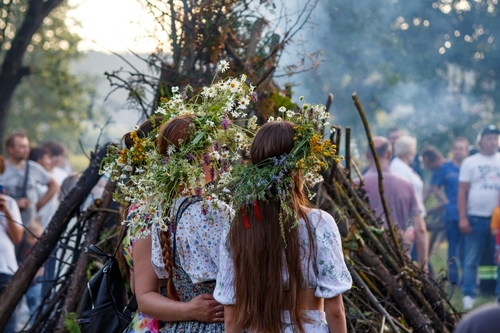
The sun is the ultimate symbol of Litha. It sits at its strongest point, providing maximum daylight. This translates spiritually into themes of high energy, strength, and vitality. People use this time to harness that bold, active energy for their personal projects and goals.
Growth, Abundance, and Fertility
Nature operates at full capacity during midsummer. The festival celebrates nature’s fullness and prosperity. Trees are heavily leafed, and wildlife is active. This outward growth encourages practitioners to celebrate the abundance present in their own lives.
Balance and Seasonal Change
Litha is a festival of light, but it also carries a subtle shift in balance. It marks the transition toward shorter days after the solstice passes. The sun reaches its peak and then immediately begins its slow decline. This teaches observers to appreciate the present moment and accept the natural cycle of release.
Nature and Spiritual Reflection
The Sabbat emphasizes a strong connection to Earth-centered spirituality. You are encouraged to spend time outside and observe the world. This deep connection to nature fosters spiritual reflection. It provides a grounding force in an often chaotic world.
Common Litha Traditions and Rituals
Bonfires and Candle Rituals
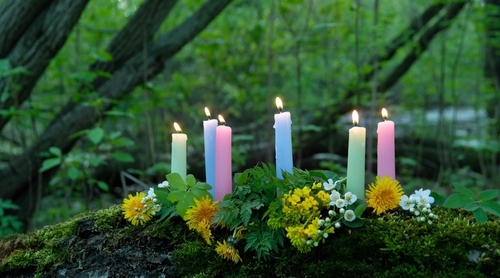
Fire remains a staple of modern Litha celebrations. You can light a bonfire outdoors if you have a safe space. If you live in an apartment, lighting a yellow or orange candle works just as well. The symbolism of fire during midsummer represents the sun’s warmth and protective energy.
Outdoor Gatherings and Nature Walks
Celebrating the natural world is easy during the summer. Many groups host outdoor gatherings at local parks or nature reserves. A simple nature walk is a highly effective way to observe the Sabbat. It allows you to appreciate seasonal beauty firsthand.
Flower Crowns and Seasonal Decorations
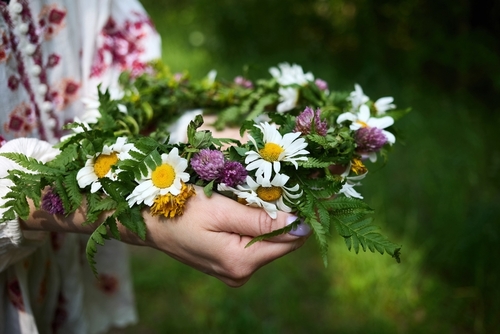
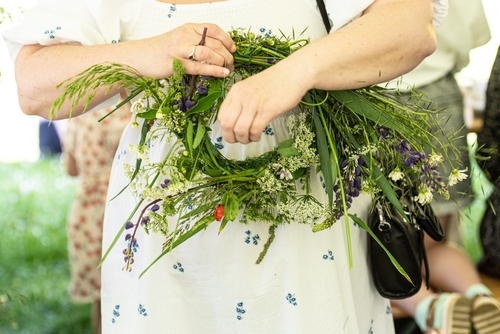
Creating art from nature is a popular midsummer tradition. People weave flower crowns using local blooms to wear during rituals. Traditional midsummer symbols and colors are brought inside the home. Sunflowers, oak leaves, and bright ribbons are commonly used.
Rituals for Gratitude and Intention Setting
Litha is an ideal time for reflection and manifestation. You can perform simple rituals to express gratitude for the good things in your life. Many people write down their goals and burn the paper in a candle flame to release their intentions. These personal growth practices keep you aligned with your objectives.
How Modern Pagans and Wiccans Celebrate Litha
Solstice Ceremonies and Group Rituals
Community is a large part of Paganism. Coven gatherings and community celebrations happen worldwide during the solstice. These group rituals often involve drumming, singing, and sharing a communal meal. Working together amplifies the joyful energy of the festival.
Home Altars and Seasonal Decorations
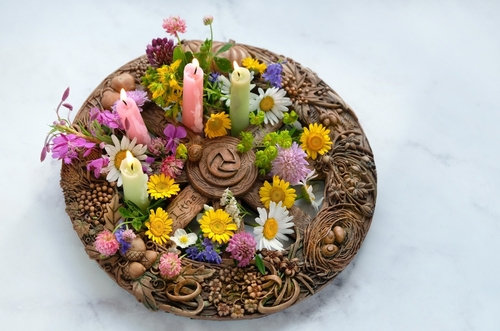
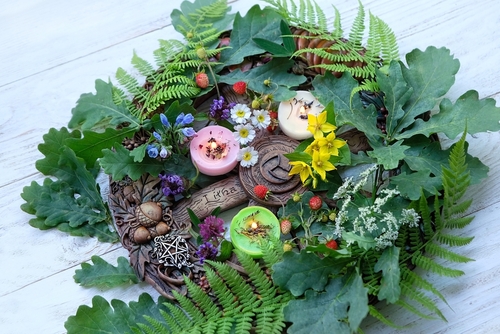
Many solitary practitioners set up home altars to honor the season. Common symbols include small wooden suns, herbs, candles, and fresh flowers. You can drape your altar in yellow or green cloth. Keeping a seasonal altar provides a dedicated space for daily mindfulness.
Feasting and Seasonal Foods
Food connects us directly to the earth’s cycles. Litha celebrations typically feature honey, berries, herbs, and fresh vegetables. Summer recipes highlight local, seasonal produce. Sharing a meal made from fresh ingredients is a celebration of the earth’s generosity.
Meditation and Spiritual Practices
Quiet contemplation is just as valuable as a large bonfire. Sun meditations are highly popular during the solstice. You can sit in the morning sunlight and focus on breathing deeply. These mindfulness activities help reduce stress and improve mental clarity.
Litha Symbols, Colors, and Correspondences
Traditional Litha Colors
The colors of Litha reflect the visual landscape of summer. Gold, yellow, orange, green, and white are the most common choices. You can incorporate these colors into your clothing, altar spaces, and home decor.
Herbs and Flowers Associated With Litha
Plants hold specific energies during midsummer. Lavender, chamomile, rosemary, sunflowers, and roses are strongly tied to Litha. You can dry these herbs, use them in cooking, or place them around your home for protection and peace.
Crystals and Natural Elements
Crystals help focus intention during rituals. Sunstone, citrine, and amber are heavily used due to their bright colors and fire symbolism. Keeping these stones nearby helps you connect with the solar energy of the season.
Animals and Mythological Connections
Certain animals are closely linked to the summer solstice. Bees and butterflies represent pollination and the continuation of life. Horses frequently appear in solar imagery, historically depicted as pulling the sun across the sky.
Ways to Celebrate Litha 2026
Watch the Sunrise or Sunset
Honoring the longest day of the year requires very little equipment. You can wake up early to watch the sunrise. Alternatively, you can find a quiet spot to watch the sun set. Both actions offer a profound connection to the solar cycle.
Host a Midsummer Gathering
Food and community go hand in hand. You can host a midsummer gathering for your friends and family. Serve seasonal meals and enjoy an outdoor celebration in your backyard. It is a wonderful way to share the joy of the season.
Spend Time in Nature
Step away from your daily routine and go outside. Hiking, gardening, and connecting with the outdoors are perfect ways to celebrate Litha. Getting your hands in the dirt or walking quietly through a forest grounds your energy quickly.
Create Seasonal Crafts or Decorations
Crafting is a relaxing way to honor the Sabbat. You can make wreaths, pour your own candles, or arrange fresh flowers. Creating these items by hand adds a personal touch to your spiritual practice.
Litha and Modern Spirituality in 2026
Growing Interest in Nature-Based Spiritual Practices
More people are looking for spiritual paths that honor the earth. The increased visibility of Pagan and Wiccan traditions has made Sabbats like Litha more mainstream. This growth shows a collective desire to reconnect with natural environments.
Wellness and Seasonal Living Trends
Litha aligns perfectly with modern wellness trends. Mindfulness and nature-centered rituals are highly recommended by mental health professionals. Observing the seasons provides a predictable, comforting rhythm to daily life.
Online Pagan Communities and Education
Finding information about Litha is easier than ever. Digital resources and virtual celebrations connect practitioners across the globe. Online communities offer safe spaces for beginners to learn about midsummer traditions and ask questions.
Why Litha Still Matters
Celebrating Nature’s Cycles
Awareness of seasonal rhythms is crucial for environmental stewardship. Litha reminds us that we are part of the natural world. Celebrating the solstice fosters a deeper respect for the earth and its fragile ecosystems.
Encouraging Gratitude and Reflection
Taking a spiritual pause during midsummer improves mental well-being. Litha provides a structured time to stop and evaluate your life. Cultivating gratitude for the warmth and abundance around you leads to a more positive outlook.
Building Community and Tradition
Shared rituals bring people together. Seasonal celebrations like Litha build strong community bonds. Whether you celebrate alone or with a large group, honoring the solstice connects you to a long, enduring human tradition.
Frequently Asked Questions (FAQs)
What is Litha?
Litha is a Pagan and Wiccan midsummer festival celebrated around the Summer Solstice.
When is Litha celebrated in 2026?
Litha is observed around the Summer Solstice in late June 2026.
What does Litha celebrate?
Litha celebrates the longest day of the year, the power of the sun, abundance, growth, and nature.
Is Litha connected to the Summer Solstice?
Yes, Litha is directly connected to the Summer Solstice in the Northern Hemisphere.
How do people celebrate Litha?
Celebrations may include bonfires, outdoor gatherings, rituals, meditation, seasonal foods, and nature-based activities.
What are common symbols of Litha?
Common symbols include the sun, fire, flowers, herbs, candles, and seasonal greenery.
Is Litha only celebrated by Wiccans?
No. Litha may also be celebrated by Pagans, Druids, and people interested in nature-based spiritual traditions.
What foods are associated with Litha?
Seasonal fruits, berries, honey, herbs, fresh vegetables, and summer dishes are commonly associated with Litha celebrations.



