

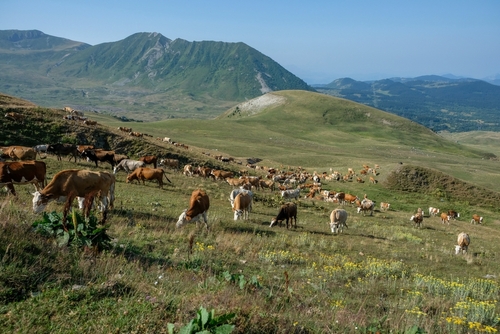
Every year on June 17, the global community observes World Day to Combat Desertification and Drought. This vital event raises awareness about severe environmental challenges like land degradation, water scarcity, and severe dry spells. People around the world unite to focus on sustainable solutions that protect our natural resources.
The purpose of this observance is straightforward. It highlights how degrading land and decreasing water supplies harm agriculture, natural ecosystems, and local economies. When land loses its fertility, communities lose their ability to grow food and sustain their livelihoods. By drawing attention to these issues, the observance encourages immediate and effective action to reverse environmental damage.
In 2026, combating desertification remains a top priority for environmentalists and governments alike. As climate patterns shift, the risks to food security and human health increase. Understanding these challenges provides a clear path forward. This guide explains the history, impact, and sustainable solutions surrounding this important day, showing how collective efforts can restore our land.
What Is World Day to Combat Desertification and Drought?
The Purpose of the Observance
The primary goal of this day is promoting sustainable land management. Healthy soil is necessary for growing crops, supporting wildlife, and filtering water. This observance raises public awareness about the dangers of drought and environmental degradation. It also encourages global cooperation, urging governments, businesses, and everyday people to fund and participate in land restoration efforts.
When the Day Is Observed
This event is celebrated annually on June 17. On this day, international participation peaks through widespread environmental campaigns and education. Schools, non-profit organizations, and local communities host events to teach people about water conservation and soil health.
The History of World Day to Combat Desertification and Drought
How the Observance Began
The United Nations established this observance to address growing concerns over land degradation. It was created in direct connection to the United Nations Convention to Combat Desertification (UNCCD). This treaty aims to unite countries in the fight against extreme drought and to establish practical guidelines for sustainable land use.
Why Desertification Became a Global Concern
Over the past few decades, desertification has deeply impacted food security, migration, and ecosystems. When farmland turns into barren dust, families can no longer feed themselves. This forces millions of people to migrate in search of water and fertile soil, creating immense economic and social strain on neighboring regions.
Growth of International Awareness Campaigns
Since its inception, the observance has seen a massive expansion of sustainability and conservation initiatives worldwide. Today, global leaders use this day to launch new policies and funding programs aimed at restoring degraded environments.
What Is Desertification?
Definition of Desertification
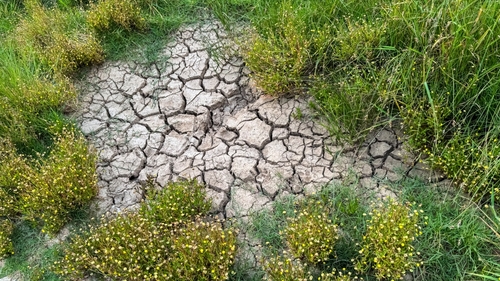
Desertification is the degradation of land in dry regions. It occurs when fertile soil and vegetation are lost, turning once-productive land into arid landscapes. This process strips the earth of its natural ability to retain moisture and support plant life.
Causes of Desertification
Several factors drive this environmental crisis. Deforestation removes trees that hold soil in place. Overgrazing by livestock strips the land of protective grasses. Poor farming practices deplete the soil of vital nutrients. Furthermore, climate change accelerates these issues by increasing temperatures and altering rainfall patterns.
Regions Most Affected
Desertification threatens vulnerable areas around the world, particularly in Africa, Asia, and parts of Latin America. The effects on developing and agricultural communities are severe. These regions often lack the financial resources to implement large-scale restoration projects, leaving their populations highly exposed to food shortages.
Understanding Drought and Its Impact
What Causes Drought?
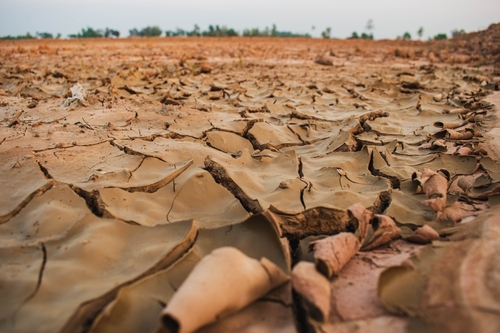
Drought is primarily caused by a severe lack of rainfall over an extended period. Changing climate patterns disrupt historical weather cycles, leading to prolonged dry spells. As global temperatures rise, surface water evaporates faster, compounding the scarcity of available freshwater.
Agricultural and Economic Consequences
The economic toll of drought is massive. Farmers face widespread crop failures, and livestock suffer from a lack of drinking water and grazing pasture. This leads to shrinking agricultural yields and rising food costs, which directly affect consumers around the globe.
Environmental Effects of Drought
Prolonged dry periods create dangerous environmental conditions. Severe water shortages dry up rivers and lakes. Dry vegetation easily catches fire, resulting in devastating wildfires. Ecosystem stress pushes native wildlife to the brink, as animals struggle to find adequate hydration and shelter.
Human and Community Impact
Drought presents serious public health concerns. A lack of clean drinking water increases the spread of disease. Additionally, the destruction of local agriculture creates significant displacement risks, as families are forced to leave their homes to survive.
Why Land Restoration Matters in 2026
Protecting Food Security
Healthy soil and sustainable agriculture are the foundations of global food security. Restoring degraded land allows farmers to grow reliable crops, ensuring that communities have access to safe and nutritious food year-round.
Supporting Biodiversity and Ecosystems
The natural world relies on the importance of forests, grasslands, and wetlands. Land restoration revives these habitats, providing safe spaces for endangered species to thrive and maintaining the balance of local ecosystems.
Combating Climate Change
Restoring land plays a critical role in combating a warming planet. Healthy forests and soils provide natural carbon storage, trapping greenhouse gases before they reach the atmosphere. This builds greater environmental resilience against future climate shocks.
Strengthening Communities and Economies
Sustainable land use guarantees long-term stability. When local environments flourish, communities benefit from steady agricultural jobs and secure water sources. This economic stability reduces poverty and prevents forced migration.
How World Day to Combat Desertification and Drought Is Observed
Environmental Awareness Campaigns
Organizations worldwide launch educational initiatives and public outreach programs. These campaigns teach individuals about the importance of soil health and provide actionable advice on conserving natural resources.
Tree Planting and Conservation Projects
Community restoration activities take place in cities and rural areas alike. Volunteers gather to plant drought-resistant trees, clean up local waterways, and restore native vegetation to damaged landscapes.
Government and NGO Sustainability Programs
June 17 serves as a catalyst for policy discussions and international cooperation. Governments and non-governmental organizations (NGOs) announce new funding for agricultural technology and outline long-term goals for environmental protection.
Social Media and Digital Advocacy
Online campaigns promoting environmental action reach millions of people. Digital advocates share resources, documentaries, and donation links to support charities working directly in affected regions.
Ways Individuals Can Help Prevent Land Degradation
Conserve Water at Home
You can make a difference by adopting practical water-saving habits. Fix leaking faucets, take shorter showers, and use water-efficient appliances. Every drop saved reduces the strain on local reservoirs.
Support Sustainable Agriculture
Make a conscious effort by buying from environmentally responsible producers. Look for local farmers who use regenerative farming techniques. Supporting these businesses encourages broader industry changes.
Reduce Waste and Environmental Impact
Adopt sustainable consumption and recycling practices. Composting organic waste returns vital nutrients to the soil. Reducing single-use plastics keeps harmful pollution out of natural habitats.
Participate in Local Environmental Efforts
Get involved in your community by volunteering for restoration and conservation projects. Join a local tree-planting group or help maintain community gardens to actively improve your immediate environment.
Environmental Trends and Conversations in 2026
Climate Resilience and Sustainable Farming
The agricultural sector is heavily focused on regenerative agriculture and soil health initiatives. Farmers are adopting methods that rebuild organic matter in the soil, allowing it to hold more water and produce higher yields.
Technology in Land and Water Management
Innovation is changing how we manage natural resources. The use of satellite monitoring and smart irrigation systems allows farmers to track moisture levels precisely. This prevents water waste and ensures crops receive exact hydration.
Renewable Energy and Sustainability Goals
Reducing environmental strain through clean energy is a major focus in 2026. Transitioning to solar and wind power decreases greenhouse gas emissions, directly addressing one of the root causes of climate change and desertification.
Global Cooperation on Environmental Challenges
International climate and conservation partnerships are growing stronger. Countries are sharing technology and funding to support large-scale restoration projects across borders, proving that global problems require unified solutions.
Teaching Environmental Responsibility to Future Generations
Sustainability Education in Schools
Environmental science and conservation programs are becoming standard in classrooms. Teachers educate students on the water cycle, soil health, and the importance of protecting the planet from an early age.
Family-Friendly Environmental Activities
Families can build strong conservation habits together through gardening, tree planting, and water conservation habits. Growing vegetables at home teaches children the value of fertile land and the effort required to produce food.
Encouraging Community Engagement
Youth participation in environmental action is essential for long-term success. Community groups provide safe, educational spaces for young people to lead clean-up events and advocate for greener policies in their towns.
Take Action for Long-Term Environmental Sustainability
Protecting Natural Resources
The fight against desertification requires continuous effort. Practicing long-term environmental sustainability ensures that future generations will have access to clean water, fertile soil, and a stable climate.
Supporting Vulnerable Communities
Addressing global inequality and food insecurity must remain a priority. By supporting land restoration, we help protect the communities most vulnerable to the devastating effects of extreme weather and resource scarcity.
Encouraging Global Environmental Action
We all share a responsibility for land and water conservation. Whether through changing personal habits, supporting responsible businesses, or advocating for stronger environmental policies, your actions make a meaningful difference. Start today by reviewing your daily water usage and finding one new way to support sustainable practices in your community.
Frequently Asked Questions (FAQs)
When is World Day to Combat Desertification and Drought 2026?
The observance takes place on June 17, 2026.
What is World Day to Combat Desertification and Drought?
It is a United Nations observance focused on raising awareness about land degradation, drought, and sustainable land management.
What is desertification?
Desertification is the degradation of land in dry regions, often caused by climate change, deforestation, and unsustainable farming practices.
Why is drought a global concern?
Drought affects agriculture, water supplies, ecosystems, economies, and public health around the world.
Who created this observance?
The United Nations established the observance in support of the UN Convention to Combat Desertification (UNCCD).
How do people observe the day?
People participate through environmental campaigns, conservation projects, educational events, and sustainability initiatives.
What are some ways to help combat desertification?
Supporting sustainable agriculture, conserving water, planting trees, and reducing environmental impact can help.
Why is land restoration important?
Healthy land supports food production, biodiversity, climate resilience, and long-term environmental sustainability.



