

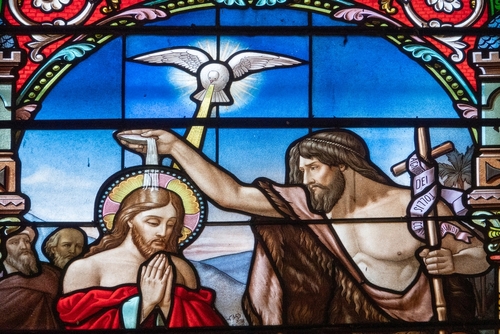
St. John the Baptist stands as one of the most important figures in Christian history. Known for his life of simplicity and his powerful message of spiritual renewal, he played a crucial role in preparing the public for the arrival of Jesus Christ. Christians around the world honor his life and legacy every year.
The Feast of St. John the Baptist holds deep significance across Catholic, Orthodox, and some Protestant traditions. It offers believers a moment to reflect on themes of humility, faith, and dedication.
In 2026, the Feast of St. John the Baptist will be celebrated on June 24. This date closely aligns with the summer solstice in the Northern Hemisphere, adding unique cultural customs to the religious observances. Understanding the history and traditions of this feast day can help you fully appreciate its global importance.
Who Was St. John the Baptist?
Early Life and Biblical Background
John the Baptist was born to Zechariah and Elizabeth. According to the Gospel of Luke, Elizabeth was a relative of Mary, the mother of Jesus. The couple was elderly and childless. An angel appeared to Zechariah, announcing that Elizabeth would bear a son named John. This miraculous birth set the stage for John’s lifelong mission.
John’s Role as a Prophet
John lived a life of deep devotion in the wilderness. He served as a prophet, calling people to spiritual preparation. He urged his followers to turn away from sin and embrace a life of faith. His preaching drew large crowds from Jerusalem and the surrounding regions.
Baptizing Jesus in the Jordan River
The most defining moment of John’s ministry was baptizing Jesus Christ. This event took place in the Jordan River. When Jesus emerged from the water, the Holy Spirit descended like a dove. This moment remains a cornerstone of Christian theology, marking the beginning of Jesus’ public ministry.
Why John the Baptist Is Important in Christianity
John the Baptist serves as a forerunner to Christ. He willingly took a secondary role, famously stating that Jesus must increase while he must decrease. This powerful symbolism of humility and faithfulness continues to inspire Christians today.
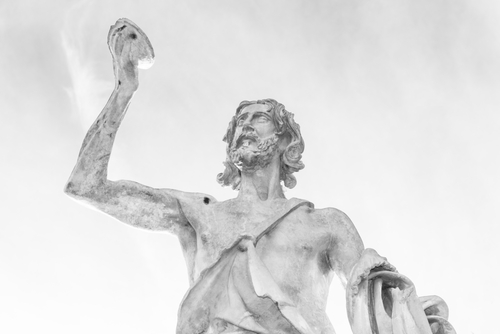
What Is the Feast of St. John the Baptist?
Meaning of the Feast Day
The Feast of St. John the Baptist honors his birth and his prophetic ministry. It serves as a day of thanksgiving for his role in Christian history. Believers use this time to focus on personal repentance and spiritual growth.
When the Feast Is Celebrated in 2026
Christians will observe the Feast of St. John the Baptist on Wednesday, June 24, 2026. This fixed date remains the same every year on the liturgical calendar.
Why the Feast Is Unique
The Church typically celebrates the feast days of saints on the day of their death, which is viewed as their birth into heaven. St. John the Baptist is one of the few Christian saints whose earthly birth is celebrated liturgically. The other two are Jesus Christ and the Virgin Mary.
The Biblical and Historical Significance of St. John the Baptist
John’s Message of Repentance
John delivered a clear and direct message. He called for spiritual renewal and urged people to prepare their hearts for the Lord. His demand for genuine repentance remains a central theme in Christian teachings.
References in the Gospels
St. John the Baptist appears prominently in all four Gospels: Matthew, Mark, Luke, and John. Each account highlights his role as a messenger sent ahead to prepare the way. These texts provide the foundation for his enduring legacy.
Martyrdom and Legacy
John’s unwavering commitment to truth led to his martyrdom. He publicly criticized King Herod Antipas for his unlawful marriage. As a result, Herod ordered John to be imprisoned and eventually beheaded. His death solidified his status as a heroic figure of faith.

How the Feast of St. John the Baptist Is Celebrated
Church Services and Special Liturgies
Many Christians attend special church services on June 24. Priests and pastors lead feast day Masses and read relevant Scripture passages. These liturgies focus on John’s life and his call to repentance.
Bonfires and Midsummer Traditions
The feast day coincides with midsummer. Historically, people celebrated the longest days of the year by lighting large bonfires. Many European cultures integrated these fires into the feast day to symbolize the light of Christ that John proclaimed.
Community Festivals and Processions
Towns and cities around the world host vibrant community festivals. Religious and cultural observances often feature parades, music, and traditional foods. These gatherings foster a strong sense of community and shared faith.
Prayer and Spiritual Reflection
The feast provides a quiet opportunity for personal prayer. Believers focus on repentance, humility, and faith. They ask for the grace to follow John’s example of courageous devotion.
Symbols Associated With St. John the Baptist
Water and Baptism
Water is the most recognizable symbol associated with John. It represents spiritual cleansing, renewal, and his crucial role in baptizing Jesus.
The Lamb
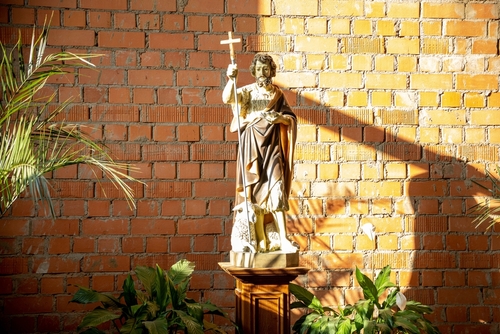
Artworks frequently depict John holding or pointing to a lamb. This connects directly to his declaration upon seeing Jesus: “Behold, the Lamb of God.”
Wilderness and Simplicity
John lived an ascetic life. He wore clothing made of camel’s hair and ate locusts and wild honey. The wilderness symbolizes his detachment from worldly comforts and his total reliance on God.
Fire and Light Traditions
Fire serves as a powerful symbol during the feast day. Bonfire customs tie back to John’s role as a burning and shining lamp who testified to the coming light of Christ.
St. John the Baptist Traditions Around the World
Celebrations in Europe
European nations boast rich traditions for this feast day. In Spain and Portugal, spectacular bonfires light up the beaches. Italy honors St. John as the patron saint of several cities, hosting grand religious processions and fireworks displays.
Latin American Feast Day Traditions
Latin American countries blend religious devotion with vibrant cultural expressions. In places like Puerto Rico and Brazil, the day involves lively music, traditional dance, and community gatherings. Many people walk backward into the ocean at midnight to symbolize washing away negative energy.
Observances in the United States
Parishes across the United States celebrate with special Masses and multicultural events. Communities with strong European or Latin American heritage often incorporate their ancestral customs, bringing diverse traditions to local neighborhoods.
Eastern Orthodox Traditions
The Eastern Orthodox Church observes the feast with solemn liturgical services. Fasting practices often precede the celebration. The focus remains heavily on chanting, prayer, and veneration of icons depicting the saint.
Ways Christians Can Observe the Feast in 2026
Attend Church Services
Participating in worship and prayer is a highly meaningful way to observe the day. Check your local parish schedule for special Masses or prayer services held on June 24.
Reflect on Spiritual Renewal
Take time for personal faith and repentance. Use the day to evaluate your spiritual journey and make positive changes in your daily life.
Read Biblical Passages About John the Baptist
Gospel study provides deep insight into John’s mission. Spend time reading the first chapters of Luke or the baptism accounts in Matthew and Mark. Devotional reflection can bring these ancient texts to life.
Practice Humility and Service
Apply John’s example in your daily life. Look for opportunities to serve others quietly. Practice humility by putting the needs of your family and community first.
Why the Feast of St. John the Baptist Still Matters
Encouraging Faith and Preparation
John’s ministry offers timeless spiritual lessons. His dedication to preparing the way for Christ encourages believers to remain watchful and faithful in their own lives.
Preserving Christian Traditions and History
The liturgical calendar connects modern believers to centuries of Christian history. Observing feast days helps preserve these rich traditions for future generations.
Promoting Reflection and Renewal
The themes of repentance, humility, and devotion remain deeply relevant. The Feast of St. John the Baptist offers a reliable, annual reminder to renew your spiritual commitments and walk confidently in faith.
Frequently Asked Questions (FAQs)
When is the Feast of St. John the Baptist 2026?
The Feast of St. John the Baptist is celebrated on June 24, 2026.
Who was St. John the Baptist?
St. John the Baptist was a Jewish prophet who preached repentance and baptized Jesus Christ in the Jordan River.
Why is St. John the Baptist important in Christianity?
Christians believe he prepared the way for Jesus Christ and called people to spiritual renewal and repentance.
What does the Feast of St. John the Baptist celebrate?
The feast honors the birth and ministry of St. John the Baptist.
Why are bonfires associated with the feast?
Bonfires are connected to historical midsummer traditions and symbolize light, faith, and celebration.
How do Christians celebrate the Feast of St. John the Baptist?
Celebrations may include church services, prayer, festivals, processions, bonfires, and community gatherings.
What symbols are associated with St. John the Baptist?
Common symbols include water, the lamb, wilderness imagery, and fire.
Is the Feast of St. John the Baptist celebrated worldwide?
Yes, the feast is observed in many Christian communities around the world, especially in Catholic and Orthodox traditions.



