Key Highlights
-
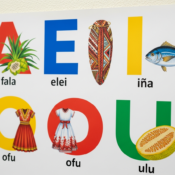
The Portuguese alphabet uses five vowels (A, E, I, O, and U). But these five letters can make many different vowel sounds when you hear the language.
-
Portuguese pronunciation has both oral and nasal vowels. Nasal vowel sounds are a key part of Portuguese and make it stand out.
-
Accent marks such as the acute accent (´), circumflex (^), and tilde (~) change vowel sounds. They also show which syllable in a word should be stressed.
-
Vowel sounds can be open, closed, or reduced. A lot of this depends on if that vowel is in a stressed syllable or not.
-
European Portuguese and Brazilian Portuguese sound different. Their pronunciation of vowel sounds is not the same and you can tell when you listen to each.
-
To get a good handle on real Portuguese pronunciation, you need to know these vowel rules. This knowledge helps you sound more like a native speaker.
Introduction
Want to learn Portuguese pronunciation? Many people say it is hard. The main thing to know is the vowel sounds. These sounds give the language its rhythm. Spanish vowels are simple. Portuguese phonology is more rich with sounds, similar to English. But, the rules are clear most of the time. When you learn the vowel sounds and how they change, you will speak better. You will feel sure about your pronunciation. This guide will help you with every sound. It will make learning fun and easy.
Overview of Portuguese Vowels
When you look at the Portuguese alphabet, you will notice the five common vowels: A, E, I, O, and U. At first, it may look simple. But this simple look can be a bit tricky. These five letters help make many different vowel sounds, and these sounds are important for good Portuguese pronunciation.
What is amazing is how many sounds each letter can make. We are going to look at how the letters from the Portuguese alphabet change their pronunciation. This will depend on where the vowel is in a word, which part of the word the stress is on, and if there are any accent marks.
The Five Written Portuguese Vowel Letters
The Portuguese vowel system uses the same five letters you know in English: A, E, I, O, and U. These letters show up in every word written in Portuguese. Even though the letters look the same, their pronunciation in Portuguese can be quite different. In fact, the vowel sounds in Portuguese are much more varied than the vowel sounds in Spanish.
Each vowel letter in Portuguese can have more than one sound. The letter ‘A’ might sound open, like the “a” in “part,” or closed, more like the “u” in “America.” The same happens with ‘E’ and ‘O’. They also have both open and closed sounds.
Knowing that these five letters are just the beginning is the first step in learning portuguese pronunciation. As you start to learn, you will need to pay attention to the context to figure out which sound to use. This variety in pronunciation gives Portuguese its unique style and flow.
How Many Vowel Sounds Are There in Portuguese?
Written Portuguese uses just five vowel letters. But the spoken language has many more vowel sounds. Depending on the dialect and how they count, portuguese phonology has about 12 to 14 vowel sounds. That’s a big jump from the five vowel sounds found in spanish.
This range has open, closed, and reduced vowels. The language also has five special nasal vowels. These nasal vowels are one of the top features of portuguese. This idea is often new for people who come from english.
Don’t worry about the number. The system works well. The pronunciation of each vowel is easy to figure out from the spelling, where the stress is in the word, and accent marks. Learning these sounds feels good. It helps most people speak portuguese much better.
The Role of Vowels in Portuguese Pronunciation
Vowels are key when it comes to portuguese pronunciation. In portuguese, like in english, the way you say a vowel can change if the syllable is stressed or not. When a vowel is in a stressed syllable, people say it clear and full. But in unstressed syllables, vowels often get shorter or weaker. This way of speaking is what gives portuguese its special sound.
The type of vowel you use—open, closed, or nasal—can change what a word means. So, listening closely to vowel sounds is not just for having a good accent, it is needed so people get what you say. This pronunciation guide will help you know these important differences.
You can think about vowels like the tune in portuguese, and consonants as the beat. The vowels help the language have its style. When you learn the different vowel sounds and how to make them, you will see your understanding and speaking get better.
Vowel Classification in Portuguese
To really understand Portuguese phonology, we have to put vowels into groups. The biggest difference in this language is between oral vowels and nasal vowels. An oral vowel sound happens when air goes out only from the mouth. This is the same way we say all vowels in English.
But, Portuguese has five nasal vowels. The air goes out from both the mouth and the nose with these. This idea is big for what makes Portuguese sound different. We will also talk about other kinds of vowels, like open, closed, and reduced vowels.
Oral vs. Nasal Vowel Sounds
The idea of oral and nasal vowel sounds is a big part of Portuguese. An oral vowel is the common type you know. For this sound, air moves out only through the mouth.
A nasal vowel comes from a thing called nasalization. When you talk, the soft part at the back of your mouth goes down. That lets air move through your nose and mouth at the same time. This gives you the nasal sound that you hear in Portuguese. If you want to feel this, first say “ah.” Now hum “mmm.” That hum is what makes the nasal sound.
Here’s a simple breakdown:
-
Oral Vowel: Air comes out from only the mouth. You can hear it in the ‘a’ in ‘parte’ (part) or the ‘i’ in ‘bife’ (steak).
-
Nasal Vowel: Air comes out from both the mouth and the nose. You can hear it in the ‘am’ in ‘campo’ (field) or the ‘ã’ in ‘ilusão’ (illusion).
Open, Closed, and Reduced Vowels
Another way you can sort Portuguese vowels is by looking at their type. They can be open, closed, or reduced. This has to do with how high or low the tongue and jaw are when making vowel sounds. If you make an open vowel, you drop your jaw and lower your tongue. This gives the inside of the mouth more space.
A closed vowel is not the same. Here, you keep the jaw and the tongue higher up. The sounds A, E, and O in Portuguese all have different open and closed forms. It is very important to know when to use each one if you want your Portuguese pronunciation to be good. For example, the ‘e’ sound in ‘américa’ uses an open vowel, but in ‘mesa’ (table), the ‘e’ is closed.
Reduced vowels show up the most in unstressed syllables. They are said much faster and don’t sound as clear or strong as other vowels.
-
Open Vowel: You say this with your mouth more open, like the ‘ó’ in ‘modo’ (way).
-
Closed Vowel: You say this with your mouth more closed, like the ‘ô’ in ‘porto’ (port).
-
Reduced Vowel: This is a quick vowel sound. It is very plain, like the ‘e’ at the end of ‘parte’ in European Portuguese.
Getting to know these three types will help you with Portuguese pronunciation, help you notice different vowel sounds
Stressed vs. Unstressed Vowels
Yes, there is a big difference in how vowels sound in stressed and unstressed syllables in Portuguese. Like in English, every Portuguese word has one main stressed syllable. That part of the word is said louder, with more force, and for a longer time. The vowels in the stressed syllable are said clearly.
On the other hand, vowels in unstressed syllables often get weak, sound shorter, or lose their strong sound. Their sound changes and often becomes more flat or neutral. For example, an unstressed ‘a’ in Portuguese can sound like the ‘uh’ in “America,” and an unstressed ‘o’ often sounds like ‘oo’ in “football.”
This difference is a key part of the way Portuguese sounds and its rhythm. It is important to know which syllable in a word is stressed, because this shows you how to say the vowels. Accent marks can help point out the stressed syllable. There are also patterns that tell you the stressed part, based on how a word ends.
Comparing European and Brazilian Portuguese Vowels
One of the most interesting things about Portuguese is how european portuguese and brazilian portuguese are not the same. People who speak both of these main dialects can still talk to each other. But the way they say vowel sounds makes them different. This is what makes each version of portuguese have its own unique sound.
Brazilian portuguese usually sounds more like music and has more vowel sounds. In brazilian portuguese, people often say vowels in unstressed syllables much more clearly. European portuguese, though, often drops or makes these same vowels very quiet when they are in unstressed syllables. This makes the european dialect sound fast and you will hear more consonants. Let’s look more closely at these differences in pronunciation and how portuguese can sound in each dialect.
Key Pronunciation Differences
The biggest difference in pronunciation between European Portuguese and Brazilian Portuguese is all about unstressed vowels. People in Brazil will say these vowels in a clear and open way. This makes the speech in Brazil sound more “sung,” and a bit brighter.
But in Portugal, people usually drop or cut these vowels, especially the letter ‘e’. This makes the European Portuguese dialect sound much faster and sharper to someone learning the language. For example, take the word ‘telefone’ (telephone). In Brazil, you can hear every vowel, but in Portugal it sounds like “t’l’fone” because some vowels almost disappear.
Here are some other big differences in the pronunciation of european portuguese and brazilian portuguese:
-
Unstressed Vowels: People in Brazil say these vowels very openly (‘parte’ will sound like “par-chee”). In Europe, people reduce or even skip them (‘parte’ sounds like “part”).
-
The letter ‘S’ at the end of a word: In Brazil, it comes out as a simple /s/ sound. In Portugal, it often changes to a “sh” (/ʃ/) sound at the end of a word.
-
Diphthongs: The way people say certain vowel pairs like ‘ei’ can also change between both dialect forms.
Knowing these things can help you spot who is speaking with a European dialect or Brazilian accent and can make it easier for you to use the vowels and diph
Regional Variations Within Brazil and Portugal
There are many ways of speaking between Brazil and Portugal. Even inside each country, you will find many different ways to talk. For example, the accent in Lisbon is not the same as in the north of Portugal. A person from Rio de Janeiro sounds a lot different than one from Minas Gerais. These differences in dialects make the Portuguese language even more interesting and colorful.
In Brazil, you will hear the final ‘s’ spoken in different ways. In Rio, it tends to sound like “sh”—this is close to how people speak in European Portuguese as well. But in São Paulo, people say it as a sharp “s” sound. These small changes in how people use vowels and consonants help show where they are from.
You can see some examples of regional differences in pronunciation:
-
The “chiado” accent: In some parts of Brazil, like Rio, the ‘t’ before an ‘i’ sound is said like “ch.” That means the word ‘leite’ (milk) comes out more like “leichee.”
-
Lisbon vs. Porto: People see the Lisbon accent as the main way of speaking European Portuguese. But speech from Porto has its own sound and way of sayin vowels.
-
Northeastern Brazil: In this area, there is a very light and sing-songy accent, and they have another way of pronunciation that stands out.
These changes show how rich and varied the Portuguese language can be. Every region
Examples of Vowel Changes Between Dialects
Seeing real examples is the best way to get how the vowel sound changes between the european portuguese and brazilian portuguese dialects. The word ‘presidente’ (president) is a classic one. In brazilian portuguese, all the vowels are spoken clearly: “pre-zi-DEN-tche.” In european portuguese, the unstressed vowels get shorter, so it sounds more like “pr’zi-DENT.”
‘Leite’ (milk) shows this too. In most of brazil, the last ‘e’ sounds like a long ‘ee’ (“lay-chee”). In portugal, the ‘e’ at the end is either really quiet or not said much at all (“layt”).
Here are some more examples:
-
‘Você’ (you): In brazil it is said as “vo-SAY.” In portugal, people usually use just ‘tu’, but when they do say it, the ‘o’ is a closed sound.
-
‘De’ (of/from): In brazil, it sounds like “djee” before another consonant. In portugal, the ‘e’ is mostly silent, so it becomes just a ‘d’ linked to the next word.
-
‘Tarde’ (afternoon): You hear “TAR-djee” in brazil, but in portugal it is more like “tard.”
These examples show the vowel sound changes
The Main Rules for Pronouncing Portuguese Vowels
Getting the hang of Portuguese pronunciation looks hard at first, but it follows clear rules. The way you say a vowel sound depends on a few things. These include accent marks, where the stressed syllable is in the word, and which letters are next to each other. If you know these rules, you will have a good pronunciation guide.
The first thing to watch for is an accent mark, or if a word does not have one. Accent marks are not just there to look nice. The accent mark tells you which syllable to say louder. It also shows if the vowel sound is open, closed, or nasal. We will talk about how accents and stress work to change the way a Portuguese word sounds.
Accent Marks and How They Affect Vowel Sounds
Accent marks act like simple guides when you start to learn Portuguese pronunciation. They help you know how to say a vowel and show where to put the stress in a word. With these, you don’t have to guess much. The three marks you will see most often are the acute accent, the “hat” (circumflex), and the tilde.
The acute accent (´) tells you there is a stressed and open vowel sound. If you see this accent over a vowel, open your mouth a bit more. For example, in ‘táxi’, the ‘á’ sounds like “ah.” The circumflex accent (^) or “hat,” tells you the vowel is stressed and closed. Take the word ‘câmara’, where the ‘â’ is said with a closed mouth.
The tilde (~) shows you that the vowel will sound nasal.
-
Acute Accent (´): Shows there is a stressed, open vowel (like in ‘café’).
-
Circumflex Accent (^): Shows there is a stressed, closed vowel (like in ‘pêssego’).
-
Tilde (~): Tells you to say the vowel with a nose sound, or nasal (like in ‘canhão’). This mark may also show stress, unless you see another accent in the word.
These marks make it simple to get the right Portuguese pronunciation no matter where you are or
Syllable Stress and its Influence on Vowel Pronunciation
Syllable stress plays a big role in Portuguese pronunciation. The difference between a stressed syllable and unstressed syllables is easy to hear. In fact, it can change how a word sounds. The vowel in a stressed syllable is always clear and strong. It can sound open, closed, or nasal, depending on the word.
But when a vowel is in an unstressed syllable, the way you say it often changes. Vowels in unstressed syllables get shorter and less clear. They become more neutral in sound. For example, a stressed ‘o’ can sound like “oh” or “aw.” But in an unstressed syllable, it often turns into an “oo” sound. You can hear this in the word ‘Portugal’, where the first ‘o’ sounds like ‘poo’.
This is why you can’t learn just one sound for every vowel letter. You also need to know which syllable is stressed in a word. Accent marks help show you where the stress is. If there is no accent mark, you can still spot the stressed syllable by looking at the end of the word. There are some rules that you can follow for words that don’t have accent marks.
Keywords: unstressed syllables, stressed syllable, pronunciation, vowel, portuguese, portugal, syllables
Common Patterns and Exceptions
When you learn about portuguese pronunciation, rules for stress and accents are a good start. The stress in a portuguese word, if there is no accent mark, will usually be on the last syllable but one if that word ends with a vowel like a, e, or o.
Still, there are exceptions, and you need to be careful about the different ways words are said. How you pronounce a vowel can change when certain consonants come next. For example, the vowel will sound nasal if an ‘m’ or ‘n’ comes right after it in the same last syllable, even when you don’t see a tilde.
There are a few simple patterns to remember about portuguese pronunciation:
-
Nasalization: If there is a vowel before ‘m’ or ‘n’ at the end of a syllable, it becomes nasal in portuguese (for example, ‘campo’ and ‘lento’).
-
Unstressed ‘e’: At the end of a word in european portuguese, the ‘e’ sound is often silent. In brazilian portuguese, people say it like ‘ee’.
-
Unstressed ‘o’: At the end of a word, this vowel almost always sounds like ‘oo’. For example, ‘livro’ (book) is said “leev-roo”.
Keep these points in mind, as they help you get the last syllable and overall pronunciation right in
Chart of Portuguese Vowel Sounds
For people who learn best with pictures, a chart is a great tool to help master Portuguese vowel sounds. A solid pronunciation guide will often use the International Phonetic Alphabet (IPA). This system gives each sound its own symbol. It helps clear up confusion that comes from using English words to talk about the sounds.
Below, there is a list of the main vowel sounds in Portuguese. You will see their IPA symbols and some example words. Seeing Portuguese phonology laid out like this can help you know how the vowel sounds are related. It also shows how these sounds look in writing.
IPA Symbols and Diagrams Explained
The International Phonetic Alphabet (IPA) is a system where each symbol represents a single, specific sound. It’s used by linguists and language learners to accurately describe pronunciation without relying on confusing comparisons to other languages. Learning a few key IPA symbols for Portuguese can dramatically improve your pronunciation.
For example, the open ‘a’ sound in ‘parte’ is represented by /a/, while the closed ‘a’ in ‘américa’ is /ɐ/. The Journal of the International Phonetic Association is the leading academic source for these standards, but you don’t need to be a linguist to use them.
Here is a simplified chart showing some of the most common Portuguese vowel sounds and their IPA symbols.
|
Vowel Type
|
IPA Symbol
|
Spelling Example
|
English Approximation
|
|
Open A
|
/a/
|
parte
|
father
|
|
Closed A
|
/ɐ/
|
américa
|
about
|
|
Open E
|
/ɛ/
|
fé
|
bed
|
|
Closed E
|
/e/
|
mesa
|
say (without glide)
|
|
Mute E
|
/ɨ/
|
de
|
roses
|
|
I
|
/i/
|
bife
|
meet
|
|
Open O
|
/ɔ/
|
modo
|
law
|
|
Closed O
|
/o/
|
porto
|
cold
|
|
U
|
/u/
|
futebol
|
moon
|
Sample Words With Each Vowel Sound
Using IPA symbols with real words is the best way for you to learn them. Hearing and saying these examples will help you remember which symbol goes with each vowel sound. Let’s talk about some words in Portuguese that show the main oral vowels.
When you look at the ‘A’ sounds, you get the open /a/ in ‘casa’ (house). You hear the closed /ɐ/ in ‘cama’ (bed). Listen to the difference in these two. It matters for portuguese pronunciation. The gap comes from how wide you open your mouth.
Here are more examples you can try:
-
Open E /ɛ/: ‘café’ (coffee), ‘ela’ (she)
-
Closed E /e/: ‘dedo’ (finger), ‘você’ (you)
-
I /i/: ‘livro’ (book), ‘feliz’ (happy)
-
Open O /ɔ/: ‘porta’ (door), ‘avó’ (grandmother)
-
Closed O /o/: ‘avô’ (grandfather), ‘ovo’ (egg)
-
U /u/: ‘tudo’ (everything), ‘azul’ (blue)
These examples show vowel sound changes in portuguese. When you practice them, you get better at portuguese pronunciation.
How to Use the Vowel Chart Effectively
Having a vowel chart is good, but you need to use it the right way. Don’t just look at it. Work with it, and make sure you connect the written vowel, the IPA symbol, and the sound you make with your mouth. This pronunciation guide is your map to help you.
Begin by picking one or two vowel sound pairs to work on, like the open /a/ and closed /ɐ/. Listen to an audio file from a native speaker for the sample words. Try to copy the sound as close as you can. Record your voice and listen to how your pronunciation compares with the native speaker.
Here are some tips for good practice:
-
Listen and Repeat: Use audio to hear how the sounds are used.
-
Use Minimal Pairs: Practice with words that change by only one vowel sound, for example, ‘avó’ (grandmother) /ɔ/ and ‘avô’ (grandfather) /o/.
-
Record Yourself: This is the strongest way to fix your errors. You can hear things you did not know you made.
Nasal Vowels in Portuguese
Now we get to one of the best known things in Portuguese: the nasal vowels. If you want your pronunciation to seem real, you need to learn the nasal sound. You make these sounds by letting the air go through your nose and your mouth. This is what people call nasalization.
At first, this may seem odd, but the way it works is simple. There are five nasal vowels in Portuguese. In writing, you see them either with a tilde (~) over the vowel, or the vowel comes before ‘m’ or ‘n’. Let’s look at what makes a vowel this way and how you can make these nasal sounds.
What Makes a Vowel Nasal?
A vowel sound can turn into a nasal vowel through something called nasalization. When you make a normal or oral vowel, a part at the back of your mouth called the soft palate moves up. This stops air from going into your nose. All the air from your lungs will go out of your mouth when you say an oral vowel.
To get a nasal vowel, you just drop your soft palate. This opens a way for the air to go in your nose. The air and sound can now move through both your nose and your mouth. This gives your vowel sound a different, buzzing feel. You can check this by saying “ah,” then keep on with the sound while you pinch your nose closed. When you do this, you can feel the air can’t leave, so some pressure builds up.
In IPA, nasal vowels are shown with a tilde over the vowel symbol.
-
Oral Vowel: The soft palate is up, so the air can’t go into your nose.
-
Nasal Vowel: The soft palate is down, so air moves into your nose.
-
The Feeling: Nasal vowels can make your nose feel a small shake or buzz.
This is how vowel sound, nasal vowels, and oral vowel work with symbols like the tilde in IPA by using nasalization.
Spelling Patterns for Nasal Vowels
You do not have to guess when there is a nasal sound with a vowel in Portuguese. The Portuguese alphabet has simple rules that show you when to use a nasal sound. Learning these rules will help you know when to use your nose in sound.
The tilde symbol (~) is one easy way to see this. It goes over letters like ‘a’ and ‘o’, and shows the nasal vowels ‘ã’ and ‘õ’. But there is another pattern that you will see more. This is when a vowel is before the letters ‘m’ or ‘n’ at the end of a syllable. When you notice words with ‘am’, ’em’, ‘im’, ‘om’, or ‘um’, the vowel is nasal. The ‘m’ or ‘n’ is not like the regular sound; you do not hear it alone.
Here are the main patterns:
-
Tilde (~): ‘mãe’ (mother), ‘põe’ (puts).
-
Vowel + M/N + Consonant: ‘campo’ (field), ‘tempo’ (time), ‘importante’ (important), ‘longo’ (long), ‘mundo’ (world).
-
Vowel + M at the end of a word: ‘jardim’ (garden), ‘bom’ (good).
These are important for new words in Portuguese, so keep an eye out for the tilde,
Example Words and Pronunciation Tips
The best way to work on your nasal vowel pronunciation is to practice with some example words. One tip for beginners is to try saying the English word “own.” When you do, hold the “o” sound a bit longer. Let the sound go into your nose before you say the “n.” That deep “o” sound is a lot like the Portuguese nasal ‘o’.
For the famous ‘ão’ sound, which you hear in ‘não’ (no), try saying “now.” But instead of saying it in your mouth, send the sound up through your nose. It will sound a little like “ah-ooh” with a hum, all in your nose. The idea is to not push out a hard ‘n’ or ‘m’ at the end. You want the vowel to have a feeling of being in your nose.
Try out these words to get better:
-
à /ɐ̃/: ‘manhã’ (morning), ‘campo’ (field). This is close to the ‘un’ in the word “bung”.
-
Ẽ /ẽ/: ‘tempo’ (time), ‘sempre’ (always). This is kind of like the ‘en’ in “pendulum”.
-
Ĩ /ĩ/: ‘limpo’ (clean), ‘important’ (important). This reminds you of the ‘in’ found in “
Disappearing and Reduced Vowels in Spoken Portuguese
One thing that can make spoken Portuguese hard for learners is how vowels get dropped in everyday speech, especially in the European dialect. For example, you might see all the vowels in a word when you read it. But when a native speaker says it, it can sound like some vowels are missing. This is a normal way the language works.
These missing vowels are not just random. There are clear patterns for when this happens. It mostly takes place in unstressed syllables. If you know about this, it will help you follow fast, natural Portuguese speech. You can also start using this in your own pronunciation. Now, let’s see how this works in the Portuguese language.
Why Do Some Vowels Seem To Disappear?
Vowels in words do not really go away, but they can get so weak in unstressed syllables that most people might not even hear them. This is called vowel reduction or sometimes elision. It is common in stress-timed languages. In these languages, the space between stressed syllables stays about the same. That means you have to squeeze in all the unstressed syllables.
In European Portuguese, vowel reduction happens a lot, especially with an unstressed ‘e’. For example, in the word ‘sábado’ (Saturday), the ‘a’s are either stressed or almost stressed, so they are easy to hear. But the ‘o’ at the end is not stressed, so it gets reduced. In the word ‘interessante’ (interesting), a lot of the vowels in unstressed syllables get pronounced very quickly.
Here is why this happens in European Portuguese:
-
Economy of Effort: It is much faster and easier to say a weak vowel than to fully say every vowel.
-
Stress-Timing: The language gives most of the focus to stressed syllables. The unstressed syllables get squeezed together.
-
Phonetic Environment: The other sounds around a vowel can also make it get weaker.
Vowel reduction is just part of what makes European Portuguese sound the way it does. Unstressed syllables and vowels often get very short or quiet in spoken Portuguese.
Cliticization and Elision in Natural Speech
Two main ways that vowel sounds can vanish are cliticization and elision. Elision is when a sound is left out, usually an unstressed vowel, as people talk. This usually happens if one word ends with a vowel and the next word starts with a vowel. The first vowel drops out to help the sentence sound smoother.
Cliticization happens when a word depends on the word before or after it for its sound. These words lose their own stress and seem to “lean” toward the next word. Often, small words like prepositions (‘de,’ ’em’) and articles (‘o,’ ‘a’) turn into clitics. Their vowel sounds get weak. For instance, in ‘copo de água’ (glass of water), people usually run all these together so it can sound like one word: “copod’água.”
Some main points about how people talk in a natural way are:
-
Elision: Leaving out a sound, most of the time an unstressed vowel, between words.
-
Cliticization: Short, unstressed words stick onto stressed words, and their vowels do not sound strong.
-
Result: People speak quicker and it sounds more flowing, but that makes it hard for new learners to pick out the words.
These things can affect pronunciation, so if you want to improve the way you say vowel sounds like ’em,’ pay attention to these in everyday talking.
Pronunciation Practice for Tricky Vowel Reductions
The key to getting good at vowel reduction is the way you listen. You need to be able to hear the sound before you can say it. First, listen to real audio from native speakers. Try to pick the dialect you want to learn.
Start by listening to short phrases. Try to copy what the speaker says at the same time as them. Match how they say the words, the rhythm, and the tone. Don’t think too much about each word on its own. Focus on how the whole phrase sounds. This will help you know which vowel is said loudly and which one is softer.
Here are some simple steps for your pronunciation guide:
-
Listen to Slowed-Down Audio: Many apps let you slow down audio. This helps you hear the small vowel sounds that are hard to catch when audio is fast.
-
Shadowing: Copy native speakers as they talk. This helps your mouth learn the natural sounds and patterns.
-
Focus on Phrases, Not Words: Use common phrases like ‘tudo bem’ (all good) or ‘obrigado’ (thank you). This helps you really learn the way phrases work and the way vowels get soft.
Remember, practicing with audio from native speakers makes a big difference in your pronunciation, especially when you want to use the right vowel sounds in the right way for your dialect.
Conclusion
To sum up, learning about Portuguese vowels is very important if you want to improve your pronunciation skills. Knowing how these vowel sounds work, how they are sorted, and how European and Brazilian Portuguese are different, will help you speak and be understood. You should also keep an eye on accent marks and which part of the word to stress. This makes a big difference in how the vowels sound. Try to practice often. It doesn’t matter if you are just starting out or want to get better at what you know. Getting the small details about Portuguese vowels will help you learn more. If you want to move forward with your language skills, reach out to us and schedule a free talk for tips made just for you.
Frequently Asked Questions
How can beginners improve their Portuguese vowel pronunciation?
If you are just starting out, you can get better at making Portuguese vowel sounds by listening to audio from native speakers. Use a good pronunciation guide to help you. Record yourself while you say the words, then listen and see how your pronunciation matches the real thing. It also helps to copy what you hear in real-time, which is called shadowing. This is a good way to learn the right rhythm and each vowel sound.
Is there a difference between stressed and unstressed vowels in spoken Portuguese?
Yes, there is a big difference. In Portuguese phonology, vowels in a stressed syllable sound clear and strong. But vowels in unstressed syllables do not. These vowels often get short and sound more plain. This change plays a big part in the rhythm and pronunciation of Portuguese. This is one of the things that makes Portuguese and how people say its syllables sound special.
Are nasal vowels common in everyday Portuguese conversation?
Yes, nasal vowels are very common in spoken Portuguese. Native speakers use the nasal vowel sound in many words, like ‘não’ (no), ‘bom’ (good), and ‘mãe’ (mother). To sound right and so people understand you, it is important to get the nasal vowels right. The way you say a vowel sound can change the meaning of a word. So, learning how to use nasal vowels is one of the first things you need for good pronunciation in Portuguese.