Key Highlights
Ready to learn Tagalog vowels? Here’s what you need to know from this guide.
-
The Tagalog alphabet has five main vowel sounds. They stay the same and are simple to get.
-
Tagalog vowel sounds do not change much where they appear in a word. English is different here.
-
Tagalog pronunciation of vowels is important if you want to have good communication with native speakers.
-
How long you hold the vowel and where you put the stress can change the meaning of Tagalog words.
-
Understanding these vowel sounds is a basic step before you can speak the Tagalog language well.
Introduction
Welcome to the colorful world of the Tagalog language. If you are new to Tagalog, it is important to learn how the sounds work, especially the vowels. Getting the Tagalog vowels right will help you have clear Tagalog pronunciation. If you are a beginner, knowing these sounds will give you a good start. It will make it easier for you to learn new words. You will also be able to talk with native speakers and be understood. This guide has what you need to know. You will learn about basic sounds, and also how to use stress and intonation in Tagalog pronunciation.
Overview of Tagalog Vowels
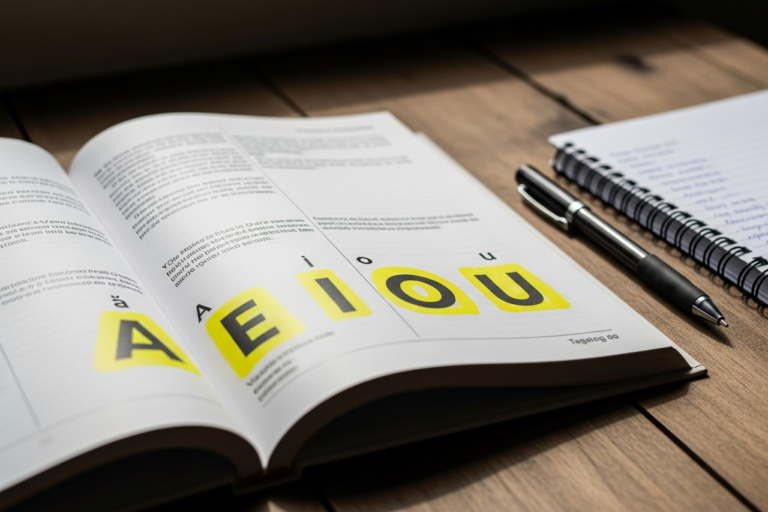
The modern Filipino alphabet, used for Tagalog, has five main vowels: A, E, I, O, and U. These letters of the Tagalog alphabet make the basic sounds of the language.
One thing that helps learners is how consistent the vowel sounds are. In English, a vowel can be said in many ways. But in Tagalog, each vowel sound stays the same in all Tagalog words. This makes it much easier to learn how to read and speak Tagalog.
The Five Core Vowel Sounds in Tagalog
The Tagalog language has five basic and clear vowel sounds. Each vowel in the Tagalog alphabet has just one way to say it. This makes learning Tagalog words easier for anyone who wants to read or speak the language.
The vowels in Tagalog are not like those in English, which can be tricky. Once you know how to say one vowel sound in Tagalog, you use it that same way in all tagalog words with that letter. This is a big reason people find the Tagalog language easy to get into. Listening often to native speakers helps you get better with tagalog pronunciation, but you will see that the rules are simple.
Here are the five main vowels with common Tagalog words to help you hear the sounds:
-
A as in ama (father) – like the ‘a’ in “father.”
-
E as in pera (money) – like the ‘e’ in “bet.”
-
I as in isip (think) – like the ‘ee’ in “see.”
-
O as in oo (yes) – like the ‘o’ in “go.”
-
U as in ulan (rain) – like the ‘oo’ in “moon.”
Importance of Vowels in Tagalog Language Structure
Vowels are not just letters in the Tagalog alphabet. The vowels are the building blocks of the syllables and words in the language. They play a big part in Tagalog grammar and how words are put together. Saying vowels right is not only about sounding real, but it also helps people get the correct word meaning.
At times, the whole meaning of a word can change with how you say the vowel, including the stress and length. Even a small change in the vowel sound can mean a totally different thing. This is why getting vowel sounds right is so important for talking and understanding Tagalog.
If you don’t know vowel pronunciation well, you may be misunderstood, or you might not understand what someone else is saying. As you learn Tagalog, you will see how vowels work with consonants and stress to create its rich vocabulary. Getting good with vowels is an important step in becoming fluent in Tagalog.
Phonetic Pronunciation of Tagalog Vowels
Getting clear Tagalog pronunciation starts by knowing how the vowel sounds work. In Tagalog, the vowels are pure and short. You need to say them by themselves. There are no extra gliding sounds like you often hear in English.
When you practice, try to make each vowel sound sharp and easy to hear. It helps a lot to listen to native speakers. Copy the way they say words. This will train your ear and your mouth. If you pay attention to these small parts, your pronunciation will get better. You will also find it easier to understand and use Tagalog grammar in a real talk.
Articulating Each Vowel: A, E, I, O, U
To get your vowel pronunciation right in Tagalog, it helps to know exactly how to produce each sound. The key is to keep the sounds short and pure, without the extra movements your mouth might make when speaking English. For instance, the Tagalog ‘o’ is just ‘o,’ not ‘ow.’
This consistency is a core feature of the language. Whether a vowel appears at the beginning, middle, or end of Tagalog words, its sound remains the same. This is different from sounds like the single nasal sound of ‘ng’ or the tricky glottal stop, which require more specific practice. Mastering these five simple vowel sounds is a huge step toward clearer communication.
Here’s a breakdown of each vowel with a pronunciation guide and an example word.
|
Vowel |
English Equivalent Sound |
Tagalog Example |
|---|---|---|
|
A |
‘a’ in “father” |
antok (sleepy) |
|
E |
‘e’ in “bet” |
ewan (I don’t know) |
|
I |
‘ee’ in “see“ |
litaw (appear) |
|
O |
‘o’ in “go“ |
lolo (grandfather) |
|
U |
‘oo’ in “moon” |
putol (cut) |
Common Pronunciation Pitfalls and Tips
For English speakers who want to learn the Tagalog language, there are some common pitfalls. One big problem is trying to use English pronunciation for Tagalog vowels. Beginners often stretch the vowel sounds or try to mix them, making things confusing for both them and native speakers.
The first step to getting better is to notice these habits. Listen to native speakers closely and practice the short and clear vowel sounds of Tagalog. Do not forget, the main goal is to be understood. Staying away from these usual mistakes will help make your pronunciation clear for other people.
Here are some tips to avoid common pitfalls with Tagalog words and vowel sounds:
-
Avoid Diphthongs: Say ‘o’ like in “go” and not “g-ow.” Keep vowel sounds short and pure.
-
Listen Actively: Listen closely to Filipino music, movies, or podcasts so you can get used to how native speakers sound.
-
Record Yourself: Record your voice when saying Tagalog words. Compare your pronunciation with that of a native speaker to find what you can fix.
-
Practice Consistently: Practice the five vowel sounds every day until you get used to them.
Long and Short Vowel Sounds in Tagalog
The vowels in Tagalog are usually said to be short, but vowel length is important in the language. When you say a vowel as long or short, you are not changing what it sounds like. The difference is just about how long you hold the sound.
This change in length can affect word meaning in Tagalog. Good pronunciation of the vowel length matters. It is as important as the vowel sound itself, because it can help you tell one word from another.
Keywords used: word meaning, long vowels, pronunciation, vowel, tagalog
Identifying Length Distinctions in Spoken Tagalog
How can you tell the difference between long and short vowel sounds? The best way is to listen closely to how people speak Tagalog. The rhythm and stress of the words will help you. These long and short sounds are part of the way native speakers talk, and they use them all the time without even thinking.
If you’re a learner, it’s helpful to listen to audio clips and focus on which parts of the words are stressed. You’ll find that a stressed syllable usually has a vowel sound that is a bit longer. Try comparing words with almost the same spelling but different vowel length. This is a good way to practice.
To get better at Tagalog pronunciation, you need to train your ear. Listening often will help you hear these differences between vowel sounds. At first, it might feel hard, but with more practice and time spent listening to the language, you will notice the changes. This will help make your speech sound more like native speakers.
How Vowel Length Impacts Word Meaning
The length of a vowel can change what a word means in the Tagalog language. This is a basic part of tagalog grammar that learners must get to speak and use tagalog words right. Few times, the difference between a noun and a verb, or two very different ideas, is all about whether a vowel is long or short.
This change in word meaning links closely with stress placement in tagalog. In most cases, a long vowel will be found in a stressed syllable. For example, the word buhay means “life” (BU-hay) when the second syllable is short, or “alive” (bu-HAY) when the vowel in the second syllable is longer and stressed.
To use and understand tagalog words well, you need to know about this rule. It is not only about learning vocabulary. It is about hearing and learning the rhythm of the tagalog language, too. If you focus on how native speakers say vowels, you will be able to understand the grammar and word meaning better. This will help you grasp the language in a deeper way.
Tagalog Vowels vs. English Vowels
When you look at vowel sounds in Tagalog and English, you see big differences right away. English has a lot of vowel sounds—about 15 to 20. It also has diphthongs and many sounds change with different accents. This can make it hard for people to learn how to say things in English.
Tagalog is different. It has just five simple pure vowels. Because of this, english speakers can learn how to say Tagalog words more easily. But the hard part is for people used to English rules. They may bring english pronunciation habits, like adding extra sounds, when they say common filipino words.
Key Differences in Sound Production
The main difference in sound production between Tagalog vowels and English vowels is consistency versus variability. Tagalog vowels are pure and static; their sound doesn’t change. English vowels, on the other hand, are often diphthongs, meaning they glide from one sound to another within the same syllable (e.g., the ‘o’ in “go” moves from ‘o’ to ‘w’).
For learners, this means you must consciously produce “flat” or pure vowel sounds for Tagalog, resisting the English habit of adding a glide. For instance, the Tagalog ‘e’ is a straightforward ‘eh’ sound, unlike the English ‘ay’ sound in “say.” Recognizing that they are separate sounds is crucial.
This table highlights some of the key differences that learners should focus on.
|
Feature |
Tagalog Vowels |
English Vowels |
|---|---|---|
|
Number of Sounds |
5 pure sounds (a, e, i, o, u) |
15+ sounds, including many diphthongs |
|
Consistency |
Sound is almost always the same |
Sound varies greatly depending on the word |
|
Diphthongs |
Generally absent (vowels are pure) |
Very common (e.g., “ai,” “ou,” “oi”) |
|
Pronunciation |
Sounds are short and crisp |
Sounds can be long, short, or glided |
How Similarities and Contrasts Affect Language Learning
The ways that vowels in Tagalog and English are alike and different shape how you learn these languages. The simple and steady way Tagalog vowels work helps english speakers. It makes learning basic vocabulary and pronunciation less hard at first. But there are some things that make it tough.
The hardest part for english speakers is to stop doing what they do in english, which is using english vowel sounds. People often mix vowels together or say pure vowels wrong. This can cause your accent to stand out and can even make people not understand you. There is also something in tagalog grammar where short or long vowels and stress can change what a word means. That is not very common in english.
Here is how all of this affects learners:
-
Initial Boost: Using a system with only five vowels helps you start fast and gives your confidence a lift.
-
Pronunciation Hurdles: It takes a lot of work to stop using english vowel glides and to say the tagalog vowels the right way.
-
Grammar Nuances: To get to fluency, you have to know how vowel stress and length change words in tagalog grammar.
-
Listening Skills: You’ll have to get your ear used to hearing small differences you do not find in english.
These things show that while some parts are easy for english speakers, others need more time and practice.
Stress, Intonation, and Their Role with Vowels
In Tagalog, stress and intonation are not just used to make a word stand out. They are big parts of the grammar of the language. Where stress falls in a syllable can change the meaning of tagalog words. That is why learners must pay close attention to this skill.
Native speakers know how to handle these small details in tagalog without thinking about it. They use stress and intonation to show clear meanings like asking a question, making a statement, or showing tense. If you want to move past simple vocabulary and talk well, you need to hear and copy these patterns. This helps you achieve effective communication with others using tagalog.
Rules for Syllable Stress in Tagalog Words
Understanding where to put stress in words is important when you speak the national language of the Philippines. In Tagalog, stress is most often on the last or next-to-last syllable. There are patterns in how people say words, but the top way to learn is by listening and remembering.
If you are new to Tagalog grammar, remember the “penultimate rule.” This means if a word does not have an accent mark, stress goes on the second-to-last syllable. Yet, when you look in dictionaries or learning books, accent marks (called tuldík) are used. These tell you when the word should be pronounced differently and also help with things like glottal stops.
Here are the common stress patterns you need to know about Tagalog pronunciation:
-
Malumay: The usual style, with stress on the second-to-last syllable (for example, tao, which means ‘person’).
-
Malumi: Stress also on the second-to-last syllable, but with a glottal stop at the word’s end (for example, lahi, which means ‘race’).
-
Mabilis: Stresses the last syllable (for example, bulaklak, which means ‘flower’).
-
Maragsa: Stresses the last syllable along with a glottal stop at the end (for example, wasto, which means ‘correct’).
These basics will help beginners learn the right stress
The Influence of Stress and Intonation on Communication
The way stress and intonation work in the Tagalog language is not just a small part of how people talk. It is central to good communication. If learners do not pay attention to these things, they can face big misunderstandings, even if their grammar and vocabulary are strong. Saying a word with the wrong stress can change what it means.
You can think of stress and intonation as the music in Tagalog language. The music brings out feelings, helps people know what you mean, and lets others tell if you are asking a question or making a statement. A sentence with a rising tone at the end often shows it is a question, like in English. On the other hand, the stress in a word gives its meaning.
Knowing how to use this “music” well lets beginners become fluent speakers. It shows you understand and care about the tagalog language and lets you have real conversations with native speakers. You can get good at this by listening closely and practicing a lot.
Conclusion
To sum it up, knowing Tagalog vowel sounds is key for anyone who wants to be good at the language. The clear vowel sounds and how long you say them are the base for the right pronunciation. These things are important because they help give meaning to words. If you can tell the difference between Tagalog and English vowels and learn how stress and tone work, you will improve how you say words. This helps learners get better at talking in Tagalog. Enjoy learning these vowel sounds. You will see your fluency go up and feel more sure when you speak Tagalog. Get to know Tagalog more, and you will love the way it sounds!
Frequently Asked Questions
Does pronunciation of Tagalog vowels vary by region?
Yes, how people say Tagalog vowels can change a bit depending on where you are. The basic sounds stay the same. Some regions add their own way of saying things with slight changes or tone. Still, the main way people learn how to say Tagalog words is easy for native speakers all over the Philippines to understand. So, you will have no problem talking to people.
Can vowel changes alter the meaning of Tagalog words?
Vowel changes in length and stress matter a lot in Tagalog grammar. The way you say the vowel can change what a word means. For example, pito means “seven” or “whistle” based on where the stress is. This is why learning vowel pronunciation is so important in the Tagalog language. Getting the right vowel and stress helps you use Tagalog grammar well, and speak Tagalog clearly.
Are written and spoken Tagalog vowels always the same?
Yes, for the most part, it is true. One good thing about Tagalog is how the words sound the way they are written. The vowels are clear and can help you with pronunciation. Unlike English, there are not many exceptions. This makes it easier for learners to read and say words the right way.