Key Highlights
Here are the key takeaways from our guide to Hmong vowels:
-
The Hmong language has its own single vowels and double vowels. Each one makes a different sound.
-
Learning these vowel sounds well is important for good pronunciation in Hmong.
-
The Hmong script, called the Romanized Popular Alphabet (RPA), always shows these sounds in the same way.
-
Knowing how single vowels and double vowels are not the same helps you learn the language.
-
It is important to practice the vowel sounds, so you can tell them apart and say them right.
Introduction
Welcome to your full guide to Hmong vowels! If you want to learn the Hmong language, knowing its vowel sounds is the first thing you need to do. The Hmong script, also called Romanized Popular Alphabet (RPA), uses a simple and easy way to show each sound. This helps you learn how to say words in the right way, which makes the Hmong language easy to pick up. In this article, you will learn every vowel sound. This will help you start strong with reading, writing, and saying words in Hmong. With this guide, you will feel sure and ready as you move forward.
Overview of Hmong Vowels
The vowel sounds in the Hmong language are at the heart of every word. In English, one letter can sound different ways. The Hmong RPA is more steady and clear. This alphabet is made to match the sounds of dialects like Mong Leng. It is now common and people often use it.
Getting to know the main Hmong vowels is the best first step. As you go, you will notice how these sounds join with consonants to make words. Let’s look at the groups of vowels and how to use them.
Types of Vowels in the Hmong Alphabet
The Hmong alphabet contains a set of core vowels that form the basis of the language’s sound system. These single vowels are represented by the letters a, e, i, o, u, and w. The ‘w’ vowel is unique and sounds like “uh” or the ‘u’ in the English word “put.” This sound is common in the Hmong dialect spoken in Northern Thai regions.
Each vowel in the Hmong script has a distinct and consistent sound, which is a key difference from English. The International Phonetic Alphabet (IPA) can be used to precisely define these sounds, but for learners, focusing on the RPA is the most practical approach.
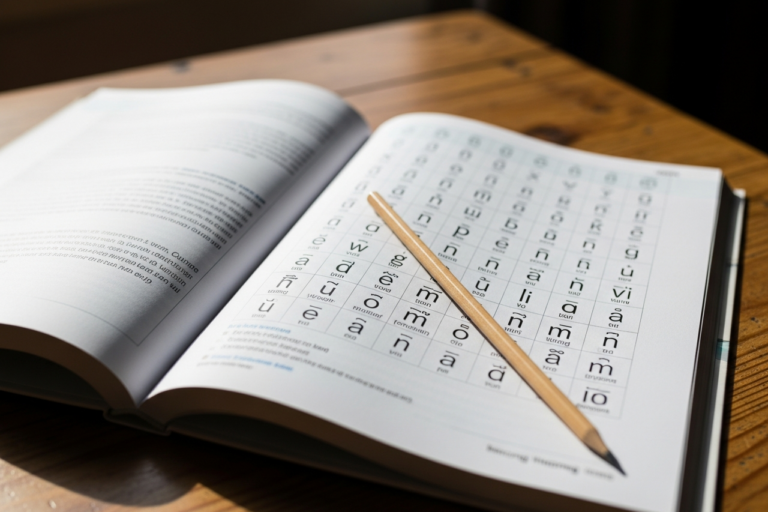
Here is a simple chart of the main single vowels used in the Hmong alphabet and their approximate sounds:
|
Hmong Vowel |
Approximate English Sound |
|---|---|
|
a |
“ah” as in father |
|
e |
“ay” as in hey |
|
i |
“ee” as in see |
|
o |
“aw” as in saw |
|
u |
“oo” as in moon |
|
w |
“uh” as in put |
Single vs. Double Vowel Sounds
After you know single vowel sounds, you will move on to double vowels. In Hmong, double vowels are two vowels that sit together. These double vowels make a new and different sound. It is often called a diphthong. In English, when two vowels go together, it can be hard to know how to say them. But in Hmong, double vowels always follow the same rules for how to say them. For example, when you see ‘ia’, the sound slides from one to the other. You do not get this sound with just ‘i’ or just ‘a’.
The big difference is that a single vowel gives one pure sound. A double vowel will glide from one vowel sound to another, right in the same syllable. To be good at this, you will need to listen and say the sounds many times. For example, when you say ‘ke’, it is much more simple because it just has a single vowel. But a word with ‘ia’ will sound different and takes more practice.
If you want to get better at reading Hmong double vowels, try these tips:
-
Listen to native speakers and say the sounds after you hear them.
-
Split words into consonant and vowel sounds.
-
Say the sounds of the previous vowels that you learned, then try to put them together.
This will help you learn the right way to say double vowels in Hmong, like ‘ia’, and understand how they are different from single vowels, such as in
Conclusion
To sum up, knowing Hmong vowels is important if you want to be good at the language or learn more about it. The different vowel sounds and the way tones change meaning are key for clear communication. No matter if you are just starting or want to get better, using Hmong vowels the right way will help you a lot. Take the time to learn and enjoy the sounds of Hmong vowel and the culture that comes with them. If you want to learn more about vowel sounds in Hmong, you can ask for a free chat with our language team!
Frequently Asked Questions
How are Hmong vowels pronounced compared to English vowels?
Hmong vowels in the Hmong RPA script stay the same every time you see them. In English, the letter ‘a’ can sound different in words like cat, cake, or call. But in Hmong, ‘a’ always sounds like “ah.” This makes it easy to get the pronunciation right in the Hmong language once you learn the rules for Hmong RPA.
Do Hmong vowel sounds change meaning with different tones?
The vowel sounds in the Hmong alphabet do not change. What makes a big difference is the tone you use with the same vowel sound. The way you say the tone, or the pitch, changes what the word means. The pronunciation of the vowel stays the same each time, but the tone is what helps people tell one word from another.
What are examples of Hmong words using double vowels?
Some Hmong words have double vowels, like “ntsia” (to see) and “siab” (heart). In the Mong Leng dialect, you will see the double vowel ‘ia’ in the spelling. This double vowel is important for correct pronunciation and meaning. Using ‘ia’ helps people say the words the right way in the this dialect.