

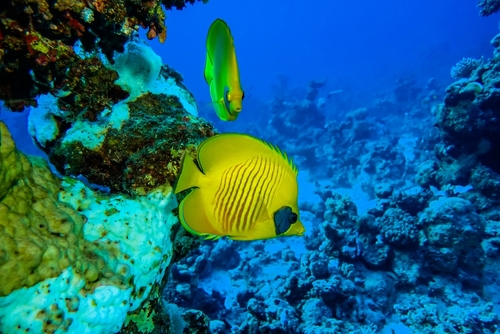
World Oceans Day is a global event dedicated to celebrating and protecting our shared ocean. Observed every year on June 8, this day serves as a powerful reminder of the vital role the ocean plays in our daily lives. In 2026, the urgency to protect marine environments is clearer than ever.
The oceans cover over 70% of the Earth’s surface. They are the lungs of our planet, producing a significant portion of the oxygen we breathe. They regulate the global climate, support complex food systems, and provide a home for millions of species. Furthermore, healthy oceans drive local economies by supporting fisheries, tourism, and global shipping networks.
Our marine ecosystems face serious challenges. Plastic pollution, rising temperatures, and overfishing threaten the delicate balance of underwater life. World Oceans Day 2026 focuses on turning awareness into meaningful action. By understanding these issues, you can make confident, informed choices that help protect the ocean for future generations.
What Is World Oceans Day?
World Oceans Day is an annual observance dedicated to honoring the ocean and advancing marine conservation. It brings people together to celebrate our connection to the sea and learn how to protect it.
The Purpose of World Oceans Day
The primary goal of World Oceans Day is raising awareness about ocean conservation. It informs the public about the impact of human actions on the ocean. The event encourages sustainable practices and inspires environmental action on a global scale. By highlighting the importance of marine ecosystems, the day motivates individuals and organizations to safeguard our waters.
When World Oceans Day Is Celebrated
World Oceans Day is observed annually on June 8. It features global participation through educational campaigns, community events, and policy discussions. People from all over the world join forces to clean up beaches, host seminars, and share important information.
The History of World Oceans Day
The movement to protect our oceans has grown significantly over the decades. Understanding its history helps us appreciate the progress made in marine conservation.
How World Oceans Day Began
The concept of a global ocean day originated from international environmental discussions. It was first proposed in 1992 at the Earth Summit in Rio de Janeiro. Environmental leaders wanted a specific day to celebrate our shared ocean and raise awareness about its critical role in our lives.
Official Recognition by the United Nations
The United Nations officially recognized World Oceans Day in 2008. This formal endorsement helped elevate the event on the global stage. It provided a unified platform for countries to collaborate on marine conservation strategies.
Growth Into a Global Environmental Movement
Since its official recognition, World Oceans Day has grown into a massive global movement. You will now see participation from schools, nonprofits, governments, and everyday citizens. Thousands of organizations host events worldwide, proving that collective action can drive real change.
Annual Themes and Ocean Awareness Campaigns
Every year, the United Nations assigns a specific theme to World Oceans Day. These themes focus on yearly conservation priorities, such as plastic pollution or gender in ocean science. This messaging helps guide educational efforts and keeps the public focused on the most pressing issues.
Why Oceans Are Important
The health of our oceans directly impacts human survival. They provide essential services that make life on Earth possible.
Oceans and Climate Regulation
Oceans act as a massive climate regulator. They absorb a large amount of carbon dioxide from the atmosphere, which helps reduce the impacts of global warming. The ocean also absorbs excess heat, regulating global temperatures and weather patterns.
Marine Biodiversity and Ecosystems
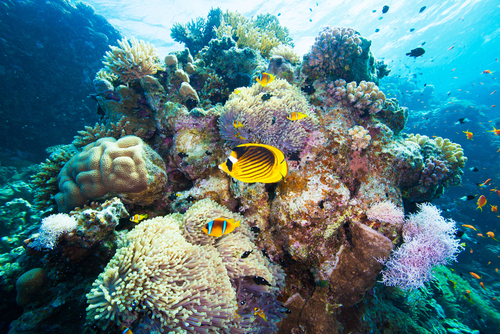
Our oceans support incredible biodiversity. Coral reefs, kelp forests, and deep-sea trenches provide habitats for countless marine species. Protecting these ecosystems is essential for maintaining the balance of life underwater.
Oceans and the Global Economy
The global economy relies heavily on healthy oceans. Industries such as fishing, tourism, and shipping depend on safe and clean marine environments. Coastal communities, in particular, rely on the ocean for jobs and economic stability.
Oceans as a Food and Resource Source
The ocean is a primary source of protein for billions of people. Sustainable fishing practices are vital for global nutrition and food security. Protecting marine habitats ensures that communities worldwide can maintain their livelihoods.
Major Threats Facing the Oceans in 2026
Despite their importance, oceans face unprecedented threats. Understanding these challenges is the first step toward finding solutions.
Plastic Pollution and Marine Debris
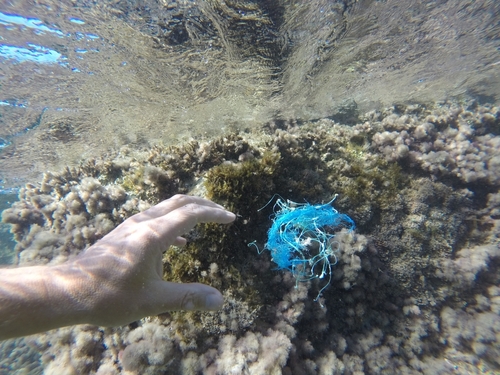
Plastic pollution is a severe threat to marine life. Single-use plastics and improperly discarded waste easily make their way into the ocean. This debris harms marine animals through ingestion and entanglement.
Climate Change and Ocean Warming
Climate change causes sea temperatures to rise. Warmer waters lead to extreme weather events and disrupt marine habitats. Many species struggle to adapt to these rapid temperature changes, threatening their survival.
Overfishing and Habitat Destruction
Overfishing depletes fish populations faster than they can reproduce. This practice leads to a severe ecosystem imbalance. Additionally, destructive fishing methods damage vulnerable habitats like coral reefs and the sea floor.
Ocean Acidification
As the ocean absorbs more carbon dioxide, its water becomes more acidic. Ocean acidification makes it difficult for organisms like corals and shellfish to build their shells. This process weakens entire marine food webs.
How World Oceans Day Is Celebrated
People celebrate World Oceans Day through various impactful activities. These events make it easy to get involved and show your support.
Beach and Coastal Cleanup Events
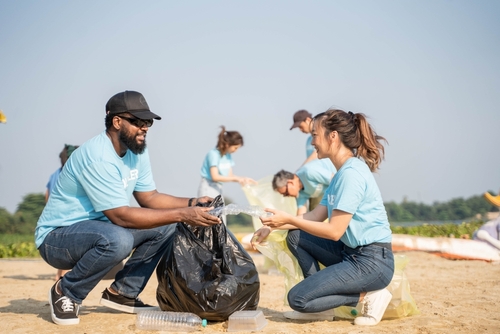
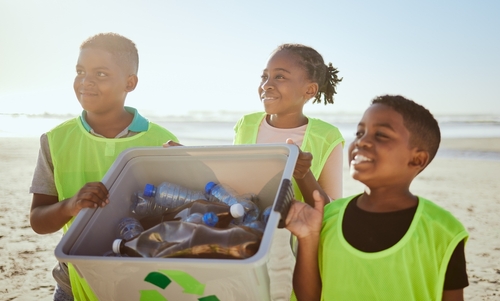
Community volunteer opportunities are highly popular on World Oceans Day. Local groups organize beach and coastal cleanups to remove trash and plastics. These events provide a direct way to improve the health of local shorelines.
Educational Programs and Awareness Campaigns
Schools, aquariums, and environmental organizations host special educational programs. These campaigns teach people about marine biology and conservation. Learning about the ocean builds a stronger connection to protecting it.
Social Media and Digital Advocacy
Online conservation movements play a huge role in spreading the word. People use social media to share ocean education, sign petitions, and raise funds. Digital advocacy allows anyone, anywhere, to participate in World Oceans Day.
Sustainable Seafood and Environmental Initiatives
Many restaurants and markets use the day to promote sustainable seafood. These conversations around responsible consumption guide consumers to make better choices. Choosing sustainable seafood directly supports healthier fishing practices.
Ways to Help Protect the Oceans
You have the power to protect the ocean every day. Simple changes in your daily routine make a significant difference.
Reduce Plastic Use
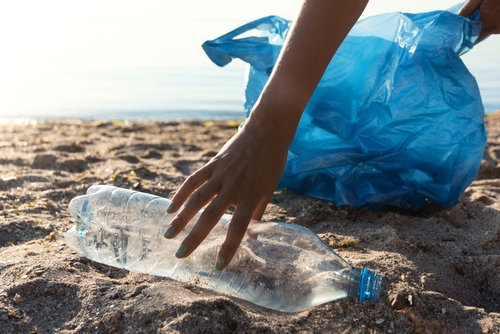
Adopt waste reduction habits to keep plastic out of the sea. Switch to reusable products like water bottles, shopping bags, and straws. Reducing your reliance on single-use plastics is a straightforward way to help.
Support Sustainable Seafood Choices
Understanding sustainable fishing practices empowers you as a consumer. Look for certifications on seafood packaging that guarantee the fish was caught responsibly.
Conserve Water and Energy
Everyday sustainability actions help the ocean. Conserving water reduces the runoff and wastewater that flow into the sea. Using less energy lowers your carbon footprint, which helps combat ocean warming.
Participate in Local Conservation Efforts
Volunteering with environmental organizations connects you with like-minded individuals. You can join local beach cleanups or support marine advocacy groups. Every local action contributes to global conservation.
Learn More About Marine Ecosystems
Education is a powerful tool for change. Watch documentaries, visit museums, or explore aquariums to learn about marine life. Sharing this knowledge with your friends and family amplifies your impact.
Ocean Conservation Trends and Conversations in 2026
Marine conservation strategies continue to evolve. In 2026, several key trends are shaping how we protect the ocean.
Growth of Renewable Ocean Energy
The development of offshore wind and clean energy projects is expanding. These renewable energy sources reduce our reliance on fossil fuels. Transitioning to clean energy is a critical step in slowing climate change.
Increased Focus on Plastic Reduction Policies
Government and corporate sustainability initiatives are targeting plastic waste. New policies restrict single-use plastics and improve recycling infrastructure. Holding corporations accountable is driving systemic change.
Technology and Marine Research
Innovative technology is transforming marine research. Scientists use artificial intelligence, underwater drones, and ocean monitoring systems to study marine environments. These tools provide accurate data to guide conservation efforts.
Eco-Tourism and Sustainable Travel
Responsible coastal and marine tourism practices are gaining popularity. Eco-tourism encourages travelers to respect marine habitats while supporting local economies. It ensures that tourism benefits the ocean rather than harming it.
Teaching Ocean Conservation to Children and Families
Instilling a love for the ocean in the next generation is vital. Families can learn and practice conservation together.
Ocean Education Activities for Kids
Engage children with fun ocean education activities. Crafts, books, and science projects teach kids about marine life in an accessible way. Making learning fun encourages lifelong environmental stewardship.
Family-Friendly Conservation Habits
Establish sustainable routines at home. Teach your family to recycle properly, conserve water, and reduce energy use. Working together makes these habits stick.
Outdoor Learning Opportunities
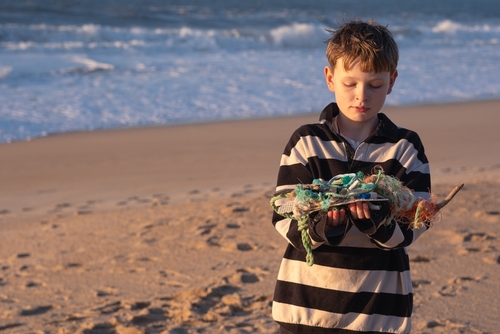
Take advantage of outdoor learning opportunities. Visit local beaches, aquariums, and marine science centers. Experiencing the ocean firsthand builds a deep, lasting respect for nature.
A Shared Responsibility for a Sustainable Future
World Oceans Day reminds us that protecting the ocean is a continuous commitment. The actions we take today define the health of our planet tomorrow.
Protecting Marine Life and Ecosystems
The long-term importance of conservation cannot be overstated. By protecting marine life and ecosystems, we ensure the ocean remains resilient and vibrant. Healthy oceans are essential for a healthy Earth.
Encouraging Global Environmental Action
Ocean health is a shared global responsibility. Governments, businesses, and individuals must work together to enact meaningful change. Collaborative environmental action is the most effective way to address marine threats.
Supporting Future Generations
Preserving the oceans guarantees environmental and economic sustainability for the future. By making responsible choices today, we provide future generations with a thriving planet. You can start making a difference right now.
Frequently Asked Questions (FAQs)
When is World Oceans Day 2026?
World Oceans Day 2026 is observed on June 8.
What is World Oceans Day?
World Oceans Day is a global observance focused on ocean conservation, marine awareness, and protecting ocean ecosystems.
Who created World Oceans Day?
The United Nations officially recognized World Oceans Day in 2008 following earlier international environmental initiatives.
Why are oceans important?
Oceans regulate climate, support marine biodiversity, provide food and jobs, and produce much of the world’s oxygen.
What are the biggest threats to the oceans?
Major threats include plastic pollution, climate change, overfishing, habitat destruction, and ocean acidification.
How do people celebrate World Oceans Day?
People participate through beach cleanups, educational programs, sustainability campaigns, and marine conservation activities.
How can individuals help protect the oceans?
Individuals can reduce plastic waste, support sustainable seafood, conserve resources, and participate in conservation efforts.
Why is plastic pollution harmful to marine life?
Plastic pollution can injure marine animals, damage ecosystems, and introduce harmful materials into ocean food chains.



