

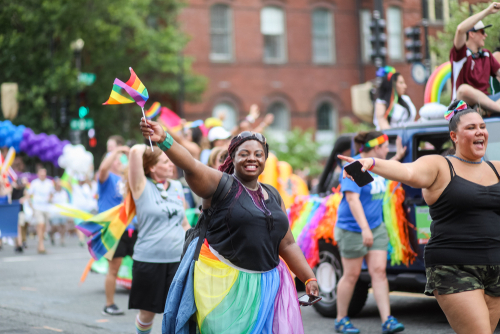
Pride Month is an annual event that honors the history, achievements, and ongoing struggles of the LGBTQ+ community. Every June, people across the United States come together to recognize the impact lesbian, gay, bisexual, transgender, and queer individuals have had on history locally, nationally, and internationally.
This month-long observance serves a dual purpose. It acts as a vibrant celebration of identity, love, and community. At the same time, it remains a critical period for advocacy, pushing for equal rights and highlighting the discrimination many individuals still face.
As we approach Pride Month 2026, understanding its cultural importance is incredibly helpful. Recognizing the roots of this movement and finding respectful ways to participate can help foster a more inclusive society. This guide covers the essential history, current trends, and practical ways to support the LGBTQ+ community.
What Is Pride Month?
Pride Month is a dedicated time to uplift LGBTQ+ voices, celebrate diverse identities, and support equality. It is a time for people to gather, share their experiences, and honor the progress made toward equal rights.
The Meaning Behind Pride Month
Visibility and equality stand at the core of Pride Month. It provides a platform for the LGBTQ+ community to live openly and authentically. Celebrating this identity helps break down harmful stereotypes and builds a stronger, more connected community. Furthermore, it recognizes the immense progress achieved over the decades while drawing attention to the challenges that still require action.
When Pride Month Takes Place
Pride Month occurs every June in the United States. Throughout the month, cities and towns host nationwide parades, festivals, educational events, and corporate initiatives. These gatherings range from large-scale marches in major cities to intimate community workshops, ensuring there are ways for everyone to participate.
The History of Pride Month in the United States
Understanding Pride Month requires looking back at the events that sparked the modern LGBTQ+ rights movement. The foundations of this celebration are rooted in protests and demands for basic human rights.
The Stonewall Uprising of 1969
On June 28, 1969, police raided the Stonewall Inn, a gay bar in New York City. Rather than dispersing, the patrons and local residents fought back. These protests lasted for several days and became known as the Stonewall Uprising. Stonewall served as a major turning point, galvanizing LGBTQ+ individuals to organize and demand equal rights and protections under the law.
The First Pride Marches
One year after the Stonewall Uprising, activists organized the first Pride marches in New York City, Los Angeles, and Chicago. Originally called the Christopher Street Liberation Day March, the New York event started as a political protest. Over the decades, these annual marches grew significantly. They evolved from grassroots protests into major public celebrations attended by millions of people worldwide.
Key Milestones in LGBTQ+ Rights
The push for equality has yielded significant milestones since Stonewall. The legalization of marriage equality nationwide in 2015 marked a monumental victory for families across the US. Additionally, the expansion of anti-discrimination protections in employment and housing has provided necessary security for LGBTQ+ individuals. Increased representation in media, politics, and business continues to normalize diverse identities and inspire younger generations.
Why Pride Month Still Matters in 2026
Despite decades of progress, the work toward full equality continues. Pride Month 2026 remains a vital time to address current issues and support vulnerable members of the community.
Ongoing Advocacy and Equality Efforts
Advocacy remains a central theme of Pride. Workplace inclusion requires ongoing attention to ensure all employees feel safe and respected. Healthcare access is another critical issue, particularly for transgender individuals seeking gender-affirming care. Furthermore, youth support and anti-bullying initiatives are essential for protecting LGBTQ+ students in schools and communities.
Representation and Visibility
Seeing diverse identities reflected in society has a profound impact. Inclusive media, literature, and leadership positions show younger generations that they belong. Authentic representation helps dismantle prejudice and encourages empathy among those outside the community.
Supporting Mental Health and Community
Many LGBTQ+ individuals face higher rates of mental health challenges due to societal stigma and discrimination. Pride Month highlights the need for safe spaces and robust support networks. Promoting acceptance and belonging directly improves mental well-being and helps save lives.
How Pride Month Is Celebrated Across the US
Celebrations take many forms, offering various ways for people to engage, learn, and show support.
Pride Parades and Festivals
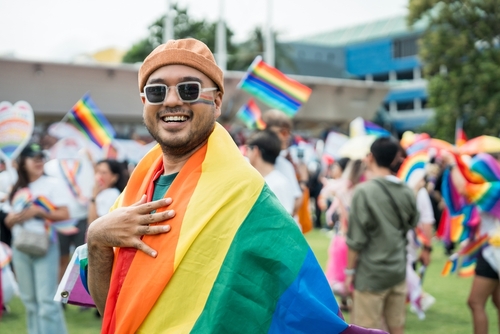
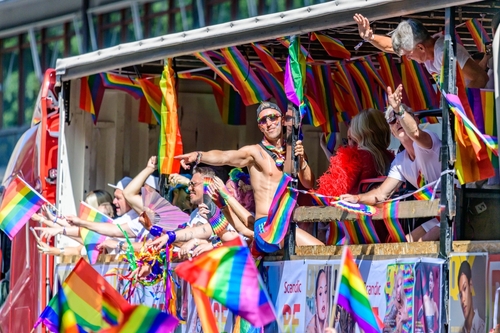
Major US cities like New York, San Francisco, and Chicago are known for hosting massive Pride parades. These events feature colorful floats, music, and community groups marching together. Beyond the large cities, countless smaller towns host local community events, concerts, and marches that bring neighbors together in solidarity.
Educational and Cultural Events
Pride is also a time for learning and reflection. Museums often curate special exhibits focusing on LGBTQ+ history and art. Panels, workshops, and lectures provide spaces for deep discussions on civil rights and community health. Film screenings and local art shows highlight the creative contributions of LGBTQ+ artists.
Digital and Workplace Celebrations
Many celebrations now take place online and in the office. Virtual Pride campaigns allow people to connect globally and share their stories. Inside companies, employee resource groups (ERGs) host internal events to promote inclusive workplace initiatives and educate staff on allyship.
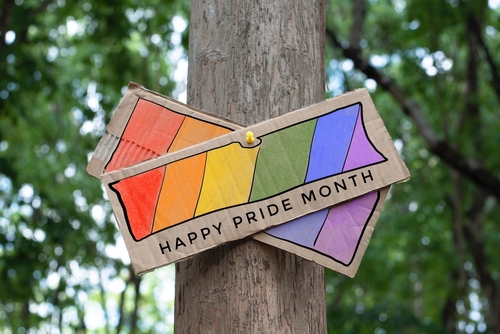
Ways to Support the LGBTQ+ Community During Pride Month
Action is a key component of Pride. There are numerous practical ways to make a positive impact during June and throughout the rest of the year.
Support LGBTQ+-Owned Businesses
Shopping local and supporting LGBTQ+ creators provides direct economic support to the community. Economic visibility is an important part of equality. Choosing to spend your money at these businesses helps them thrive and creates jobs.
Learn From LGBTQ+ Voices
Education is a powerful tool for building empathy. Read books, listen to podcasts, and watch documentaries created by LGBTQ+ individuals. Encouraging ongoing education within your own family or friend group helps spread awareness and correct misconceptions.
Volunteer or Donate
Many organizations rely on community support to operate. Consider donating money or time to LGBTQ+ nonprofits and youth organizations. Local community centers and national advocacy groups frequently need volunteers to help run events or manage crisis support lines.
Practice Allyship Year-Round
True allyship extends well beyond the month of June. Use inclusive language and respect people’s pronouns. Advocate for equality in everyday settings, such as your workplace or local school board. Standing up against discrimination whenever you see it makes a tangible difference.
Common Symbols and Terms Associated With Pride Month
Visual symbols and specific terminology play a large role in how the community expresses itself and connects.
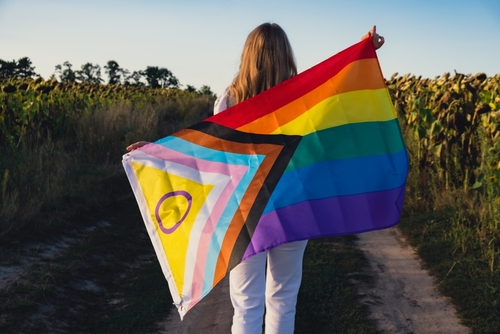
The Rainbow Pride Flag
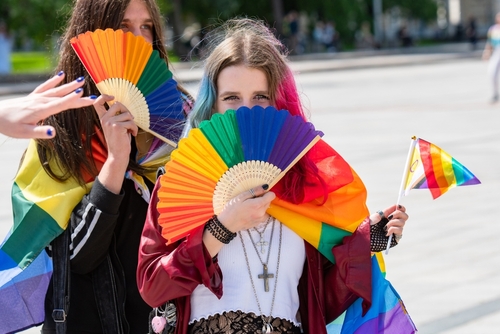
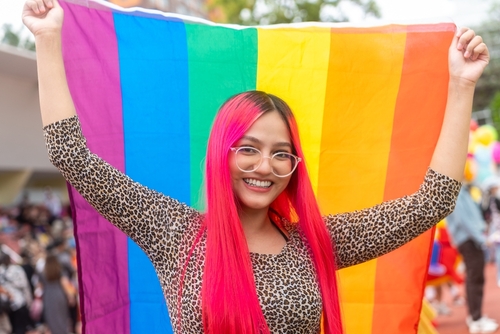
The rainbow flag is the most recognizable symbol of Pride. Designed by artist Gilbert Baker in 1978, each color holds a specific meaning, such as red for life and orange for healing. It stands as a universal sign of hope, diversity, and inclusion.
Other LGBTQ+ Pride Flags
Over time, additional flags have been created to represent specific identities within the broader community. The Transgender Pride flag, the Bisexual Pride flag, and the Progress Pride flag (which includes stripes for marginalized communities of color and transgender individuals) ensure representation across all identities.
Understanding LGBTQ+ Terminology
Language evolves constantly. Understanding and using respectful, updated terminology shows care and respect. Using correct terms for sexual orientations and gender identities creates a welcoming environment for everyone.
Pride Month 2026 Trends and Conversations
As society changes, the focus of Pride Month adapts to address new realities and expectations.
Corporate Participation and Authentic Allyship
Consumers are increasingly holding companies accountable for their actions. There is a clear difference between meaningful support and performative marketing. People expect brands to back up their rainbow logos with inclusive internal policies and financial support for LGBTQ+ causes.
Social Media and Online Activism
Digital platforms remain crucial for organizing and raising awareness. Online activism helps spread information quickly and connects isolated individuals with a broader community. Creator-led conversations often drive the most engagement and push cultural boundaries.
Intersectionality Within the LGBTQ+ Community
Intersectionality recognizes that people hold multiple identities at once. The conversations in 2026 heavily emphasize the diversity of experiences across race, gender, disability, and culture. Acknowledging these overlapping identities ensures that advocacy efforts leave no one behind.
How Families, Schools, and Communities Can Participate Inclusively
Creating a welcoming environment requires effort from all parts of society.
Age-Appropriate Education and Conversations
Parents and educators can encourage understanding and empathy by having open, age-appropriate conversations with children. Books and media that feature diverse families help normalize these concepts early on.
Creating Inclusive Community Spaces
Schools, libraries, and workplaces must actively work to be safe spaces. This involves implementing clear anti-bullying policies, providing diverse educational resources, and ensuring facilities are accessible and welcoming to all gender identities.
Celebrating Respectfully
Participation should always center on respect. Focus on support, inclusion, and community engagement. Listen to LGBTQ+ organizers and follow their lead when attending events to ensure the focus remains on their lived experiences.
Frequently Asked Questions (FAQs)
When is Pride Month 2026?
Pride Month 2026 takes place throughout June in the United States.
Why is Pride Month celebrated in June?
Pride Month is held in June to commemorate the 1969 Stonewall Uprising in New York City.
What does LGBTQ+ stand for?
LGBTQ+ stands for lesbian, gay, bisexual, transgender, queer/questioning, and other diverse sexual orientations and gender identities.
What are some ways to celebrate Pride Month?
People celebrate by attending Pride events, supporting LGBTQ+-owned businesses, learning about LGBTQ+ history, donating to nonprofits, and practicing allyship.
Is Pride Month only celebrated in the US?
No. Many countries around the world celebrate Pride events, although dates and traditions vary.
How can companies support Pride Month authentically?
Companies can support Pride authentically by implementing inclusive workplace policies, supporting LGBTQ+ organizations, and maintaining year-round advocacy efforts.
What is the difference between Pride Month and Pride Day?
Pride Month lasts throughout June, while Pride Day typically refers to specific celebration dates or local events.
Are Pride events family-friendly?
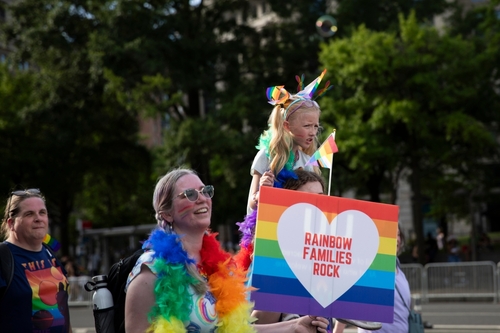
Many Pride festivals and community events are family-friendly and designed for attendees of all ages.
Meaningful Steps Forward
Pride Month 2026 provides a valuable opportunity to celebrate diversity and push for a more equitable world. By understanding the history of the movement and actively supporting the LGBTQ+ community, you can help create spaces where everyone feels safe and respected. Take the time this June to educate yourself, uplift marginalized voices, and commit to practicing allyship every single day of the year.



