

Corpus Christi stands as one of the most significant and spiritually rich feast days in the Catholic liturgical calendar. It is a day dedicated entirely to honoring the Real Presence of Jesus Christ in the Eucharist. For Catholics worldwide, this celebration provides a profound moment to reflect on the core of their faith.
In 2026, the observance of Corpus Christi will bring communities together for worship, prayer, and public devotion. Depending on where you live, you will celebrate this feast on June 4, or Sunday, June 7. This specific timing follows the traditional Catholic calendar, occurring shortly after Trinity Sunday.
Understanding Corpus Christi can help you participate more fully in your local parish events. This guide explains the history, meaning, and modern traditions of this important feast. You will learn what the Real Presence means, why the Eucharist sits at the center of Catholic worship, and how you can meaningfully observe Corpus Christi in 2026.
What Is Corpus Christi?
Corpus Christi is a dedicated time to focus on the gift of the Eucharist. It offers a moment for believers to express gratitude for Christ’s enduring presence.
Meaning of “Corpus Christi”
The term “Corpus Christi” translates from Latin directly as the “Body of Christ.” This name perfectly captures the essence of the feast. It highlights the deeply held Catholic tradition that Jesus is entirely present in the sacrament of Communion.
What the Feast Celebrates
This feast day specifically celebrates the belief in the Real Presence of Christ in the Eucharist. While Holy Thursday also remembers the Last Supper, that day carries the somber tone of Holy Week. Corpus Christi provides a purely joyful opportunity to celebrate the connection to Holy Communion and the Mass.
When Corpus Christi Is Celebrated in 2026
In the universal Catholic calendar, Corpus Christi is traditionally observed on the Thursday after Trinity Sunday. In 2026, this falls on June 4. However, in many countries, including the United States, bishops transfer the observance to the following Sunday. This means most American parishes will celebrate the feast on June 7 2026, allowing more people to attend Mass.
Understanding the Real Presence in Catholic Teaching
The Real Presence is a foundational teaching of the Catholic Church. It provides assurance to believers that they are intimately connected to Christ.
What Catholics Mean by the Real Presence
The Real Presence refers to the Catholic Eucharistic belief that Jesus Christ is truly, physically, and spiritually present in the consecrated bread and wine. It is not viewed as a mere symbol or metaphor. Instead, Catholics believe Christ’s presence is entirely real and substantial.
The Biblical Foundations of the Eucharist
This teaching comes directly from Scripture. During the Last Supper narratives in the Gospels, Jesus takes bread and says, “This is my body.” Additional biblical support comes from the Gospel of John, where Jesus calls himself the “Bread of Life,” and from Saint Paul’s letters, which instruct early Christians on the sacred nature of the Eucharistic meal.
Transubstantiation Explained
Transubstantiation is the specific term used to explain how the bread and wine become the Body and Blood of Christ. According to Catholic teaching, the “substance” or inner reality of the bread and wine changes entirely into Christ. Meanwhile, the “accidents” or outward appearances—such as taste, touch, and smell—remain the same.
Why the Eucharist Is Central to Catholic Worship
The Catholic Church describes the Eucharist as the “source and summit” of Catholic life. Every prayer and ministry flows from this sacrament and directs believers back to it. Spiritual communion and sacramental worship center around the Eucharist because it represents the closest possible union with God.
The History of Corpus Christi
The feast of Corpus Christi has a rich history that spans centuries. It grew from personal devotion into a worldwide celebration.
Origins of the Feast
The feast originated in the 13th century, largely due to the efforts of Saint Juliana of Liège. She had a deep devotion to the Eucharist and reported visions urging the Church to establish a specific feast day for it. Inspired by her dedication, Pope Urban IV officially established the feast of Corpus Christi for the universal Church in 1264.
Eucharistic Devotion Through the Centuries
Following its establishment, the feast quickly gained popularity. The tradition of Eucharistic processions grew, allowing communities to honor Christ publicly. Over the centuries, this devotion heavily influenced Catholic spirituality, inspiring countless works of art, music, and poetry.
Corpus Christi in the United States
In the United States, Corpus Christi maintains a strong presence. Parishes across the country host vibrant celebrations incorporating various cultural traditions. These events remain an important way for modern Catholic communities to connect with their heritage and express their faith openly.
How Corpus Christi Is Celebrated
Catholics observe this feast day through a variety of spiritual practices and community events. These celebrations bring the teachings of the Church to life.
Special Masses and Liturgical Celebrations
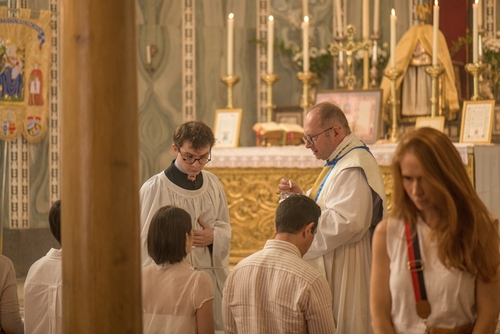
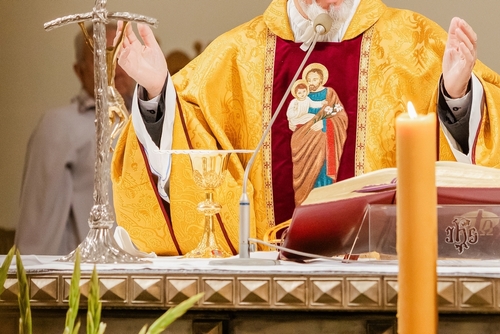
The center of the celebration is the Mass. Priests select specific Eucharistic readings and hymns that focus entirely on reverence and worship. The liturgy is often more elaborate, featuring special prayers composed specifically for the feast.
Eucharistic Processions
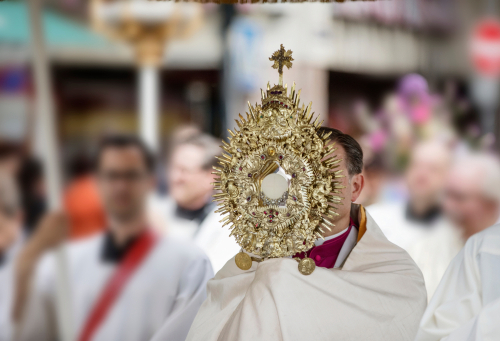
Public processions with the Blessed Sacrament are a hallmark of Corpus Christi. The priest carries the consecrated host in a special vessel through the streets surrounding the church. This practice symbolizes bringing Christ directly into the community and daily life.
Eucharistic Adoration and Prayer
Many parishes offer extended periods of Eucharistic adoration on this day. Believers spend quiet time in prayer before the Eucharist. This provides a peaceful environment for personal reflection and deep devotion.
Parish and Community Gatherings
After the spiritual observances, communities often gather for fellowship. Church festivals and family meals follow the processions. Many parishes also host educational and faith formation events to help members understand the sacrament better.
The Importance of Corpus Christi in 2026
The year 2026 arrives at a time of renewed focus on the Eucharist within the Church. The feast serves as a vital anchor for spiritual growth.
Renewed Interest in Eucharistic Devotion
In recent years, Catholic leaders have emphasized a return to Eucharistic understanding. Corpus Christi 2026 offers a timely opportunity for spiritual reflection and renewal. It encourages believers to deepen their appreciation for this core sacrament.
Strengthening Faith and Community
Shared worship creates parish unity. Participating in the sacramental life of the Church brings people together, fostering a strong, supportive community. This unity is especially important for building resilient local parishes.
Public Witness of Faith
Processions provide visibility for Catholic traditions. Walking through the streets with the Eucharist serves as a gentle, public witness of faith. It allows Catholics to share their joy and devotion with their broader neighborhoods.
Common Symbols Associated With Corpus Christi
Several traditional symbols help elevate the beauty and reverence of the celebration. Each item carries a specific meaning.
The Monstrance
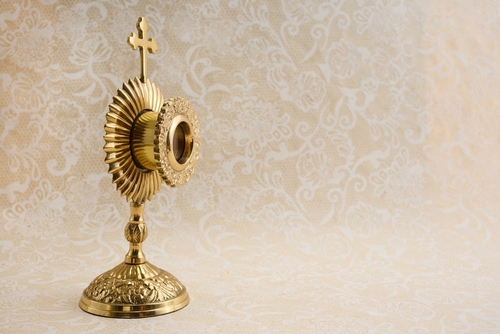
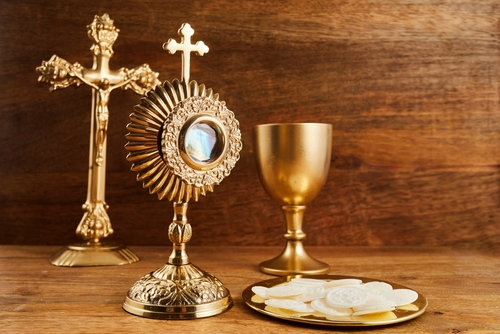
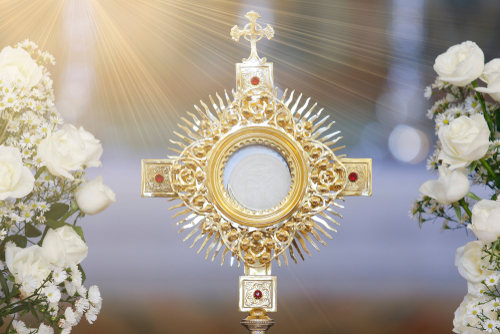
The monstrance is an ornate, often gold-plated vessel used to display the consecrated host. Its primary purpose is to hold the Eucharist safely during adoration and processions, directing everyone’s focus to the Blessed Sacrament.
Bread and Wine
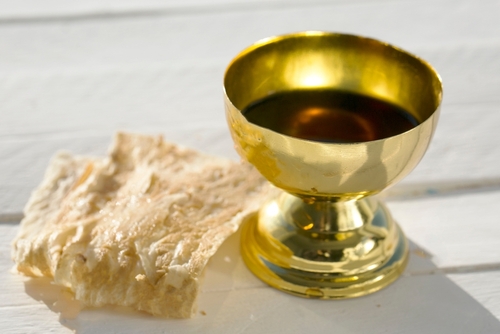
Bread and wine are the central Eucharistic symbols in Christianity. They represent the everyday nourishment that, through the Mass, transforms into spiritual sustenance.
Incense, Bells, and Liturgical Music
During Corpus Christi, priests frequently use incense to signify prayers rising to heaven. Altar servers ring bells to draw attention to the most sacred moments of the liturgy. Traditional liturgical music adds a sense of majesty to the celebration.
Eucharistic Procession Decorations
Communities often decorate the route of the procession beautifully. You will frequently see flower petals scattered on the ground, colorful banners hanging from buildings, and temporary outdoor altar displays set up for prayer.
How Catholics Can Observe Corpus Christi Meaningfully
You can actively participate in this feast day through several simple and impactful practices.
Attend Mass and Eucharistic Adoration
The best way to observe the day is by attending Mass. If your schedule allows, spend an hour in Eucharistic adoration. This quiet time can bring peace and clarity to your week.
Reflect on the Meaning of the Eucharist
Take time to read Scripture at home. Focus on chapters like John 6, which outline Jesus’ teachings on the Bread of Life. Prayer suggestions include reciting the Anima Christi or the Litany of the Holy Eucharist.
Participate in Parish Processions
Join your local community involvement by walking in the parish procession. It is a wonderful way to honor tradition and walk alongside your neighbors in faith.
Teach Children About the Feast
Corpus Christi is a great time for family-centered faith discussions. Explain the Real Presence to your children using simple, clear terms. You can also involve them by having them help create banners or sort flower petals for the procession.
Corpus Christi Traditions Around the World
Because the Catholic Church is universal, Corpus Christi celebrations incorporate many beautiful cultural elements from around the globe.
Celebrations in Europe and Latin America
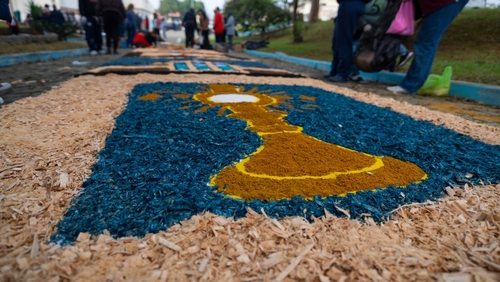
In countries across Europe and Latin America, Corpus Christi is often a public holiday. Cities host massive public processions featuring intricate carpets made of colored sawdust or flowers laid out on the streets. These cultural customs draw thousands of participants.
Regional Traditions in the United States
In the United States, parish-specific observances reflect the country’s multicultural makeup. You might hear hymns sung in multiple languages or see traditional garments worn during the procession, reflecting the diverse heritage of the congregation.
Artistic and Musical Traditions
The feast has inspired centuries of religious artwork and sacred hymns. Famous pieces, such as the hymns composed by Saint Thomas Aquinas specifically for Corpus Christi, are still sung in churches today, connecting modern worshippers to the history of their faith.
Frequently Asked Questions
What is Corpus Christi?
Corpus Christi is a Catholic feast that honors the Real Presence of Jesus Christ in the Eucharist.
What does “Corpus Christi” mean?
“Corpus Christi” is Latin for “Body of Christ.”
When is Corpus Christi celebrated in 2026?
Corpus Christi is traditionally celebrated on Thursday June 4, though many US Catholic dioceses observe it on the following Sunday (June 7).
What is the Real Presence in Catholic teaching?
The Real Presence refers to the Catholic belief that Jesus Christ is truly present in the Eucharist after the consecration during Mass.
What is transubstantiation?
Transubstantiation is the Catholic teaching that the bread and wine become the Body and Blood of Christ while still appearing as bread and wine.
Why is the Eucharist important in Catholicism?
Catholics believe the Eucharist is central to worship and spiritual life because it represents communion with Jesus Christ.
How do Catholics celebrate Corpus Christi?
Celebrations often include Mass, Eucharistic processions, adoration, prayer services, and parish gatherings.
What is a Eucharistic procession?
A Eucharistic procession is a public religious event in which the Blessed Sacrament is carried through the community for prayer and devotion.
Embracing the Feast of the Real Presence
Corpus Christi provides a beautiful opportunity to pause, pray, and give thanks. The traditions surrounding this feast day help ground believers in the core teachings of their faith. By attending Mass, joining a procession, or simply spending time in quiet adoration, you can connect deeply with the Real Presence. Check your local parish schedule for specific times and events, and prepare to celebrate this rich tradition fully in 2026.



