


The main currency in Rarotonga is the New Zealand dollar (NZD). Cook Islands notes and coins also circulate locally, but they are only usable in the Cook Islands. Cards are common at hotels and stores, while cash is still useful for markets and smaller businesses. For Kiwi travellers, the simplest setup is to carry both.
At a glance
- The New Zealand dollar is the main currency in Rarotonga, so Kiwi travellers can arrive with NZD cash.
- Cook Islands notes and coins may turn up in your change, but they are not legal tender outside the Cook Islands.
- Most hotels and stores offer EFTPOS, but keeping some cash handy gives you a backup for markets, smaller vendors, or a card terminal that is unavailable.
- ATMs are available around Rarotonga and Aitutaki, while access is more limited elsewhere in the Cook Islands.

NZD vs. Cook Islands currency: what’s the difference for travellers?
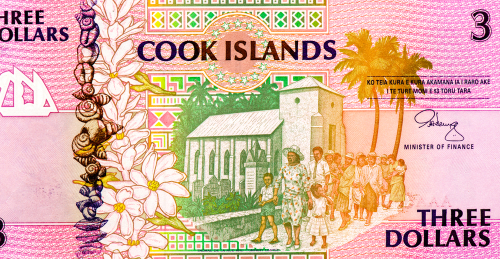
You will see two types of money during a Rarotonga trip: familiar New Zealand dollars and local Cook Islands cash. Cook Islands Tourism confirms that NZD is the local unit of currency and that local notes and coins are not legal tender outside the Cook Islands.
NZD can come home with you and go straight back into your wallet. Cook Islands cash is for local spending, so keep an eye on how much you have left as departure day gets closer.
| Currency | Where you can use it | Before you fly home |
| New Zealand dollar (NZD) | Throughout the Cook Islands and in New Zealand | Keep or spend any leftovers as usual |
| Cook Islands notes and coins | Within the Cook Islands | Spend them locally or keep a small souvenir |
Use leftover local cash for a final meal or market purchase, or keep a distinctive coin as a souvenir. Do not plan on using it back in New Zealand.
How to pay in Rarotonga: cards, cash, and where each works well
Paying in Rarotonga feels fairly familiar for New Zealand visitors. Hotels and many stores offer EFTPOS, and cards are useful for larger purchases such as accommodation, restaurant meals, and organised activities. Cash still earns its place in your wallet, particularly when you are buying from smaller or temporary vendors.
At Punanga Nui Market in Avarua, for example, you are shopping across independent food, produce, craft, and souvenir stalls. Some vendors may accept cards, while others may not, so small NZD notes are a useful backup. The same approach works for roadside stalls and small local businesses.
| Payment method | Useful for | Keep in mind |
| Card | Hotels, stores, restaurants, larger purchases | Acceptance and any surcharge can vary by business |
| NZD cash | Markets, stalls, small purchases, backup | Carry smaller notes where practical |
| Cook Islands cash | Everyday local purchases | Use it before leaving the Cook Islands |
Contactless availability depends on the terminal and your card. Take the physical card, know your PIN, and keep a small cash buffer in case a terminal is unavailable.

What to leave home with
- Some NZD cash, including smaller notes for markets and small purchases.
- Your main debit or credit card, plus the PIN.
- A second payment option, such as another card or extra cash, kept separately.
ATMs and getting cash in Rarotonga and Aitutaki
ATMs are available around Rarotonga and Aitutaki. Current Cook Islands Tourism information also lists ANZ, BSP, and BCI in downtown Avarua, with weekday banking hours of 9am to 3pm. Banking and cash access can be more limited away from Rarotonga and Aitutaki, so plan ahead if you are travelling further.
Before travelling, make sure your card will work, check your bank’s fees, and do not wait until your wallet is empty before looking for cash.
Your first two hours after landing
- Check that you have enough NZD cash for your immediate transport, food, and small purchases.
- If you need more, use an ATM on Rarotonga rather than relying on finding one later on a smaller island.
- Keep your PIN handy and check any daily withdrawal limit that applies to your card.
- If you are heading to Aitutaki or another island, organise enough cash before onward travel and check current banking facilities for that island.

Common money questions NZ travellers forget to ask
Will my New Zealand card charge overseas fees?
It depends on your bank and card. Even though you are spending NZD in the Cook Islands, your card is being used overseas. Check your own bank before travelling. For example, ANZ New Zealand notes that overseas ATM owners can charge their own fees and that charges differ by card type.
Do businesses add card surcharges?
Some businesses may add a card surcharge. Ask about any fee before you pay, then choose cash instead if the business accepts both.
Do I need to tip in Rarotonga?
Tipping is not customary in the Cook Islands. Cook Islands Tourism says visitors are welcome to tip at their discretion, so you can treat it as an optional gesture rather than a standard percentage added to every bill.
What about deposits and refunds?
Tours, accommodation, and rentals have their own deposit and cancellation terms. Before paying, check whether a deposit is refundable, how it will be returned, and whether a card fee applies.
FAQs
What currency is used in Rarotonga?
The New Zealand dollar (NZD) is Rarotonga’s main currency. Cook Islands notes and coins also circulate locally and may appear in your change. NZD can come home with you, while Cook Islands cash is best spent before you leave.
Can I use New Zealand dollars everywhere in Rarotonga?
NZD is used across Rarotonga and the wider Cook Islands, so Kiwi travellers do not need a separate currency before departure. Keep some cash handy because payment options differ between businesses, particularly at markets and smaller stalls.
Are cards accepted in Rarotonga, or do I need cash?
Bring both. Most hotels and stores offer EFTPOS, while cash is useful for markets, independent stalls, or when a terminal is unavailable. A backup card or separate cash reserve also helps if your main card is lost or blocked.
Are there ATMs in Rarotonga and Aitutaki?
Yes. ATMs are available around Rarotonga and Aitutaki. Access becomes more limited elsewhere in the Cook Islands, so organise cash before travelling to a smaller island and check current facilities for your destination rather than assuming an ATM will be nearby.
Can I buy Cook Islands dollars in New Zealand before I fly?
You do not need Cook Islands cash before travelling. Bring NZD and your usual travel payment options. Local Cook Islands notes or coins may then turn up naturally as change during your trip.
Can I use Cook Islands money in New Zealand after my trip?
No. Cook Islands notes and coins are not legal tender outside the Cook Islands. Spend them before departure or keep a small amount as a souvenir. Any leftover NZD can return home with you.
How can I handle travel money for Rarotonga?
Bring some NZD cash, a card you can use overseas, your PIN, and a backup payment option. Check bank fees and card settings before departure, and organise enough cash before travelling beyond Rarotonga or Aitutaki.
Key takeaways
- The New Zealand dollar is the main currency in Rarotonga, with Cook Islands notes and coins also circulating locally.
- Cook Islands cash is not legal tender outside the Cook Islands, so spend it before flying home unless you want a souvenir.
- Cards are widely useful at hotels and stores, while NZD cash remains handy for markets, smaller vendors, and backup.
- ATMs are available around Rarotonga and Aitutaki, but cash access is more limited elsewhere in the islands.
- Before you fly, check your card, PIN, bank fees, and withdrawal limits, and travel with more than one way to pay.
Final checklist before you fly
- Pack some NZD cash alongside your cards.
- Check your PIN, card expiry date, overseas use settings, and any bank fees that apply.
- Take a backup card or separate cash reserve.
- If you are island-hopping, check banking and ATM access before leaving Rarotonga.
- Use up Cook Islands notes and coins before your flight home, apart from any you want to keep as souvenirs.
Planning the rest of your trip? Remitly also has guides to living in Rarotonga, the flight from Auckland to Rarotonga, and the New Zealand dollar.
Last reviewed: November2026