Key Highlights
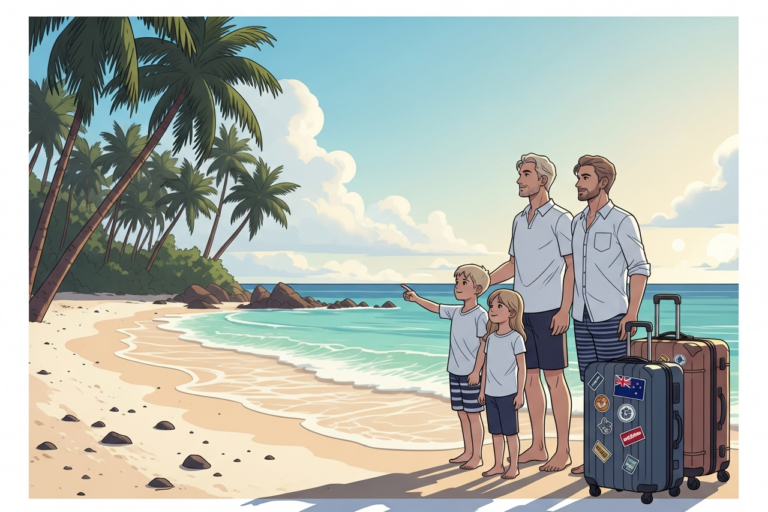
Thinking about leaving New Zealand to move to the Cook Islands? Here’s what you should know if you want to live on the island of Rarotonga.
-
People from New Zealand have their own ways to enter and live in the Cook Islands.
-
Life is more laid-back here. There is a strong sense of community that helps you feel close to others.
-
Prices are different in the Cook Islands. Some things cost less, and some cost more than in New Zealand.
-
Families will find the place friendly, and there are good schools for children.
-
If you want to feel at home, enjoy the local culture and spend time at local markets.
With time, new residents can enjoy the friendly way of life and get to know the island of Rarotonga well.
Introduction
Have you ever wanted to leave the busy life in New Zealand for something easier and sunnier? Many people from New Zealand think about moving to Rarotonga because it feels like a dream. This beautiful island in the South Pacific has a way of life that feels very different. But, it stays closely linked to New Zealand. If you are thinking about starting new in the Cook Islands, this guide is for you. You will find real advice here to help make your move to the south pacific smooth and easy.
Preparing for Life in Rarotonga
Moving to the Cook Islands is not just about what you put in your suitcase. You also need to change how you think and get ready for a new way of living. People coming from New Zealand should sort out the important things, like visas and money matters.
You should also think about getting travel insurance that covers your trip and your first few weeks in the Cook Islands. Here are the main things to do and ways you can get set for this big move.
Essential Things to Know Before Moving
Before you move, there are some things you should know about life in the Cook Islands. Life here is slower. Things might not happen as fast as they do at home. That is part of what makes the place special, but you will need to be patient and ready to change the way you do things.
If you are a new resident, you need to know about how some things are done. You can’t do everything online. For many services, you will need to go into offices and see people face-to-face.
Here are some important things to keep in mind:
-
Entry Requirements: Take time to look up what visa or residency choices you have if you are from New Zealand.
-
Health Checks: A health clearance check could be needed before your application goes through.
-
In-Person Admin: You might need to go to offices yourself when you set up things like power or water.
-
Patience is Key: Everyone gets things done on “island time,” so try to enjoy the slower way life works here.
Adjusting Expectations and Embracing Change
Moving from New Zealand to Rarotonga brings quite a big change in your day-to-day life. The Cook Islands may be near, but the way people live and the Cook Islands culture feels quite different. Life is simpler here. There is more focus on family, faith, and being part of the community. People worry less about keeping up with new things. It’s more about being thankful for what you have.
You will see there is a very strong sense of community in the Cook Islands. People often raise kids together, and neighbours are always happy to help. This can be really good, but if you come from New Zealand where people often do things on their own, it may take some time to get used to.
You will need to get used to not having all the things you’re used to in New Zealand. You might cook at home more often. You may fix and use things for a long time, rather than buying new stuff. The simple way of life can give you a good feeling and more peace. Many people feel happy after making this change.
Arrival and Immigration Requirements
When you get to the Cook Islands, you will need to go through immigration. This is important even if you come from New Zealand. There are some clear entry requirements if you want to stay for a long time. It will help a lot to be organised. Make sure all your paperwork is ready before your arrival. This will make things go much more smoothly.
If you are one of the new residents, you must know the rules for visas, permits, and customs. The process is easy, but you have to do things the right way. Let’s look at what options New Zealand citizens have and what you need to do to settle in the Cook Islands.
Entry Visas and Residency Options for New Zealanders
As a New Zealand citizen, you have a close tie with the Cook Islands. But you can’t live and work there as long as you want unless you get the right paperwork. At first, you can visit as a tourist. But, if you want to stay longer, you need to get a permit.
The main way people work in the Cook Islands is by getting a work permit. Most work permits are connected to a certain job, and many employers use direct recruitment contracts. So your right to stay and work on the island is based on your job.
Here are some main ways to get work or stay in the Cook Islands:
-
Work Permit: This is the normal way if you find a job in Rarotonga.
-
Starting a Business: If you want to start a business and help the local economy, you can try for residency.
-
Residency: You might get long-term residency, but you must live there for some years and meet other rules.
Customs, Documentation, and Settling In
When you get to the island, you will do more than just go through immigration. You need to pass through customs with your things. It is important that you know what items you can bring in and which things you cannot. Make sure you tell them if you have any food, plant, or animal products with you.
After you get through the airport, it is time to look after your important papers. You will probably have to sign up with a few government groups. This can feel a bit old-fashioned, because in many places you will need to show up in person with your papers.
For example, you may have to go to the cook islands statistics office to do some registrations. You might need to see other offices for things like power or water. Keep all your important documents, like your passport and permits, handy at all times. It is a good idea to be patient while you organise your life in the cook islands.
Daily Life in Rarotonga
Daily life on the island of Rarotonga is a mix of the things you are used to, and some that are found only on the island. For new residents and expats, each day is often spent outside, with the community, and at a slower, more relaxed pace than you might have known before.
Cook islanders are very friendly. Being part of the local community feels good and is one of the best things about living here. We will show what a normal day looks like and tell you how you can get to know people in Rarotonga so you can feel right at home.
Typical Routines and Lifestyle for Expats
For many people who move to the Cook Islands, life soon feels simple and lovely. There is no need to rush or be busy all the time. You can start the day with a walk or swim. Then you do your work. In the evening, you spend time with family and friends to relax. People there really care about work and life being in balance, which most people like a lot.
You get to see what it’s like to live with less stuff. When you shop, the store may only have one kind of apple. There are not lots of things to pick from. This helps you enjoy what you can get and often makes you try new ways to cook with local food.
A normal way to live in the Cook Islands might have these things:
-
Going often to local markets to buy fresh food and other items.
-
Doing outdoor things like kayaking, snorkelling, or hiking the track that goes across the island.
-
Having easy meals at home or spending casual time with friends.
-
Taking your time to do daily jobs and not rushing.
The cook islands is a place where you can make the most of each day, use more local food, and visit the many local markets.
Community Integration and Meeting Locals
One of the best things about living in Rarotonga is getting to be part of the local community. Cook Islanders are famous for being warm and friendly, but to really become a part of their world, you will need to put in some effort. The sense of community there comes from strong relationships and showing respect for each other.
Going to community events is a good way to get started. It can be a school fundraiser, a church event, or a sports game. If you go and join in, you have the chance to meet people. Do not worry about starting a chat. Most locals are friendly and want to know you.
Getting to know local families will give you an even better link to the island. Sometimes, you might get asked to an umukai, which is a special, local feast. This is a big honour and a way to see the culture with your own eyes. If you are open, respectful, and ready to learn, you will make strong friendships and enjoy the real sense of community in Rarotonga.
Housing and Accommodation
When you move to the Cook Islands, finding a place to live is very important. The rental market in Rarotonga has lots of choices. There are simple bungalows and bigger homes for families. But it is sometimes hard to get a long-term place, especially if you are overseas.
It helps to know what kind of homes are out there and where you can look. This gives you a good start. Let’s look at the cook islands rental market and share some tips to help you find your new island home.
Rental Markets and Types of Homes
The rental market in Rarotonga is quite different from what you might find on larger search sites in New Zealand. Many properties are rented through word-of-mouth or local real estate agents rather than online listings. You’ll find a mix of housing, from modern builds to more traditional island-style homes.
You’ll find the widest selection of budget accommodation and long-term rentals by connecting with people on the ground. Prices can vary significantly based on location, size, and whether the home is furnished. Homes near the popular Muri Beach area tend to be more expensive than those in quieter villages.
Here’s a look at the common types of homes available:
|
Property Type |
Description |
|---|---|
|
Bungalow |
A small, often one-bedroom home, perfect for singles or couples. |
|
Family Home |
A larger house with 2-3+ bedrooms, suitable for families. |
|
Studio Unit |
A self-contained unit, often part of a larger property. |
|
Modern Villa |
Higher-end properties, often with pools and sea views. |
Finding a Place to Live — Tips and Resources
Finding a place to live in Rarotonga takes some effort and time on the ground. There is not a huge online marketplace like Trade Me out there. Your favourite flight search engine will get you to the island, but you need to look in a different way to find a home.
The local community is the best place to start. Tell people you meet that you are looking for somewhere to live. A lot of local families rent out their homes. Many of them like to rent to people they know about or have met before. Social media groups are useful too.
Here are some good tips for your housing search:
-
Join Rarotonga Facebook groups that talk about long-term rentals and community news.
-
Start talking with other expats and locals when you arrive.
-
Go visit local real estate agents and ask what is on offer.
-
Think about getting a short-term rental first to help you find a place you want to stay longer.
Cost of Living in Rarotonga
One of the biggest things to think about when you plan to move is the cost of living. In Rarotonga, the official money is the New Zealand dollar. You will see that some things cost less, but other things, like items brought in from other places, can be pricier than in New Zealand.
To look after your money well, you need to know where it goes. The price of groceries at local markets, as well as how much you pay for things like power and water, will make up most of your usual costs. Let’s look at what you can expect to spend on in your day-to-day life.
Monthly Expenses and Budgeting
Budgeting for life in the Cook Islands requires a shift in thinking. Your monthly expenses will look different from your budget in New Zealand. While you might save money on entertainment and transport, costs for groceries and power can be higher. The currency is the New Zealand dollar, which makes financial planning a little easier.
Your biggest expense will likely be rent, followed by food and utilities. It’s important to create a realistic budget before you move to ensure you can live comfortably. Many expats find that while individual items can be costly, their overall lifestyle costs less because they are spending less on consumer goods and entertainment.
Here’s a sample breakdown of potential monthly expenses for a couple:
|
Expense |
Estimated Monthly Cost (NZD) |
|---|---|
|
Rent (2-bedroom house) |
$1,200 – $2,000 |
|
Groceries |
$800 – $1,200 |
|
Utilities (Power, Gas) |
$200 – $350 |
|
Internet & Mobile |
$150 – $250 |
|
Transport (Scooter fuel) |
$50 – $100 |
Grocery Prices, Utilities, and Other Costs
Grocery prices are one of the biggest day-to-day costs you will have. Imported items from New Zealand cost more because of the shipping. This is true for things like cheese, some kinds of muesli, and wine. If you want to save some money, shop at local markets. You can get fresh fruit and vegetables for less there.
Utilities can cost more than you might think. Power bills are higher than they are in New Zealand, so be careful with how much you use. Internet is easy to get but can also be slower and more expensive than what you may be used to. The tap water is treated, but many people still boil or filter it before they drink it.
Here are some other costs to think about:
-
Local Produce: Buying from local markets is the best way to get your fresh food and keep costs down.
-
Eating Out: You can get a meal from a food stall for a good price, or you could go to a fancy place if you want.
-
Transport: Having and using a scooter does not cost much, but owning a car and looking after it will be pricey.
-
Healthcare: Some health services get help from the government, but you will still need money to pay for prescription fees and maybe private doctor visits.
Employment Opportunities
Finding work is an important step for people moving to Rarotonga. The job market there is smaller and more focused than in New Zealand. The biggest industries are tourism and hospitality. Expatriate employees often need to have certain skills that are needed in the cook islands.
The business environment also gives people chances to start their own ventures if they have an entrepreneurial spirit. Let’s look at the jobs you can find and what you need to start your own business in the cook islands.
Job Prospects for Foreigners
For expatriate employees, jobs in Rarotonga are mostly in fields that need special skills. The tourism sector is the biggest employer. There are chances to work in hotel management, cheffing, and as a dive instructor. Some jobs are also found in finance, healthcare, and education.
Many of these jobs are filled through direct recruitment contracts. This means an employer gives you a job and helps get your work permit for that role. It is much harder to get a job after you arrive in Rarotonga. So, it is best to get a job before you move. Some jobs with the Ministry of Education and other government areas also come up for overseas people who have the right qualifications.
Key areas with job prospects include:
-
Tourism and Hospitality: The island’s main work area always needs skilled staff.
-
Skilled Trades: Builders, electricians, and mechanics are often needed.
-
Professional Services: Jobs in accounting, IT, and law do come up from time to time.
Business Environment and Starting a Venture
The business environment in the Cook Islands is open and friendly for new residents who want to help grow the economy. You can look at starting a venture as one way to get residency, but you need to plan the process well and have a strong business plan. The government wants investment that helps the community and gives people jobs.
Before you begin, it is important to study the local market. What services or products do people want? Does your business idea add something good or just compete with what’s already there? Be ready for new ways of doing business, as trust and building good relationships are very important here.
Sorting out all the paperwork to set up a company and get the permits required can be hard to figure out. It is best to get legal and financial advice from professionals who live in the Cook Islands. They know the rules and steps for setting up a venture in this country.
Healthcare Services
It is important to know how the healthcare system works if you move to a new country. In Rarotonga, most medical services are at the main hospital in Avarua. This hospital offers general care and emergency services. The health care there is good for a small island nation, but you will not find as many services as you do in New Zealand.
You need to know what is offered at the main hospital and what steps to take if there is an emergency. We will talk more about the medical services on offer and why having health insurance is important for people living there.
Medical Facilities and Accessibility
Rarotonga’s healthcare is mostly centred at the main hospital, Rarotonga Hospital. This hospital is open all day and night with an emergency care team. It has general wards, gives maternity care, and can do some basic operations. When people need very complex care, they often go to New Zealand.
As well as the main hospital, there are private clinics such as the Rarotonga Medical Centre. These clinics see people for general health checks. You can also get dental services on the island, and there are pharmacies like CITC Pharmacy where you can get medicine, with or without a prescription.
Key medical facilities include:
-
Rarotonga Hospital: This is where you go for most public medical and emergency care.
-
Private Clinics: Here, you get regular doctor visits and help if it is not an emergency.
-
Limited Specialised Care: There is an intensive care unit, but people who need more serious help often travel to another place for care.
Health Insurance and Local Health Risks
People living in the Cook Islands get some help with the cost of health care. Still, it is a good idea for all expats and new residents to have full international health insurance. You should have this so you’ll be covered if you get very sick or hurt. A trip to New Zealand for medical care can cost a lot, so the insurance can help pay for this.
The Ministry of Health looks after the public health system there. Residents pay small prescription fees for medicine. But sometimes, the special drugs you might need are not offered. New residents will often have to get a health clearance check. This is to make sure you do not put too much pressure on the local health care.
There are also some things you need to think about for your health. One of these is the chance of mosquito-borne sickness, like dengue fever. These do not happen all the time, but you still need to be careful. Using insect repellent is a good way to keep safe. In the Cook Islands, it’s best to take care of your health and to get good insurance cover.
Adapting to Rarotonga Culture
Moving to Rarotonga lets you be part of the Cook Islands culture. People here value family, respect elders, and feel a close bond with the land and sea. Adapting is not only about dealing with the heat. It is also about learning local customs and showing respect.
A strong sense of community is in everything they do. If you learn about the language, the customs, and local events, you can meet people and start to feel at home.
Language, Traditions, and Community Events
Even though English is used a lot, it means a lot if you take time to learn some Cook Islands Māori. This is one of the official languages in the cook islands. Easy greetings, like “Kia orana” (may you live long), show the heart of cook islands culture. These words help show that you want to connect and respect the people here.
Tradition is a big part of life in the cook islands. People show much respect for elders. It is good to wear modest clothes, especially when you visit villages or churches. A strong Christian faith is also at the heart of cook islands culture. You can see the heart of cook islands culture in everyday life and at many events in the community. These can be local sports games or colourful festivals.
If you want to feel more of the cook islands culture, you can:
-
Learn some Cook Islands Māori phrases.
-
Go to an “island night” to enjoy traditional dancing and music.
-
Visit a church service on Sunday to hear the lovely hymns and see a core part of community life.
-
Take part in or watch local sports like outrigger canoe racing.
Social Life and Recreation
Your social life in Rarotonga usually happens around its beautiful outdoor spots. There are many things you can do outside, like snorkelling with tropical fish or going for a hike in the green hills. So, there is always something happening. The way people meet up is easy-going and local people are at the heart of it.
There are clubs, festivals, and regular gatherings that help you meet others and have a good time. Let’s talk about what you can do for fun and how you can make friends as an expat here.
Clubs, Festivals, and Outdoor Activities
Rarotonga is full of fun things to do, no matter what you like. The Punanga Nui Market on Saturday mornings is more than just a place to shop. The market is a busy spot where people from here and overseas meet for coffee and food. During the year, there are different festivals on the island. These celebrate culture, food, and sport.
People here love getting outside. The lagoon at Muri Beach is a favourite place for kayaking, paddleboarding, and sailing. The reef around the island is great for snorkelling, while the cross-island walk gives you a good workout and beautiful views.
You can also join in by:
-
Joining a sports club, such as paddling, rugby, or lawn bowls.
-
Volunteering for a community or environmental group.
-
Taking part in regular beach clean-ups.
-
Exploring the different walking trails around the island.
Making Friends and Socialising as an Expat
It can be easier to make friends as an expat in a small place like Rarotonga than in a big city. When you live away from your home country, or even if you are from New Zealand, the shared experience helps expats feel close. You may find other newcomers at your work, at school, or in local clubs.
It’s also good to make friends with Cook Islanders. People have a strong sense of community and are open and friendly. You can meet them at events, in the same local café, or by joining a church group. This helps you connect outside the expat crowd.
Don’t worry about taking up invitations. If a local workmate asks you to a family BBQ, or your neighbour wants you to join a Sunday umu (earth oven feast), say yes. These times help you build real bonds and truly be part of the community.
Education for Families
For families who move with their kids, having good schools and education is very important. In Rarotonga, you will find many choices, from early childhood centres to high schools. The Ministry of Education looks after all of these, and the system follows the New Zealand way of teaching.
This helps kids from New Zealand to settle in more easily. Let’s see what kinds of schools are there and talk about how you can help your children fit into the new school life.
School Options for Children
Rarotonga provides a variety of school options to cater for different philosophies and needs. There are public schools, private schools, and faith-based schools. Early childhood education is also available for younger children, providing a great start to their social and educational journey on the island.
The curriculum largely follows that of New Zealand, which is a significant advantage for families who may eventually return. From primary through to secondary school, children receive a solid education in a unique, multicultural environment. Apii Nikao is one of the main public schools, catering for a large number of students.
Here are some of the main school options:
|
School Type |
Examples |
Notes |
|---|---|---|
|
Public Schools |
Apii Nikao, Titikaveka College |
Government-funded, follows NZ curriculum. |
|
Private Schools |
Apii Te Uki Ou, Imanuela Akatemia |
Require fees, often have smaller class sizes. |
|
Secondary Education |
Tereora College |
The main national college for senior students. |
Integrating Kids into the Education System
Helping your children get used to a new school is very important for a smooth family move. The good thing is that the schools in Rarotonga are friendly and open to everyone. The Ministry of Education checks that all schools keep their standards high. Many schools, such as the private Apii Te Uki Ou, have smaller class sizes. This means your child gets more attention from the teacher.
The way local families and expat families mix in these schools is one of the best things about the school system here. Your children will get to know kids from different places. This can be a great experience in life. The outdoor lifestyle gives your children less screen time and more time to play outside.
To help your kids feel happy in their new school:
-
Visit the school with them before their first day. This helps them meet their teacher and see their classroom.
-
Join in school events and be part of Parent-Teacher Associations.
-
Let your children have after-school playdates with new friends, from both local families and expat families.
Transport and Getting Around
Getting around Rarotonga is easy. The island is only 32km all the way around. This means you are always close to where you want to go. People mainly use scooters, cars, and the island bus to travel. Many people who live here just use a scooter for daily trips.
It helps to know the options for public transport and the rules for driving. This will help you get around like someone who lives here. Here is what you need to know about getting around and licences.
Public Transport, Bikes, and Cars
Rarotonga’s main road goes all around the island. This makes it easy to get where you need to go. The scooter, which people here call a “bike,” is what most use to get around. It costs less than other options, and you get to feel the warm air on your skin as you ride. You also get to see the lagoon and coconut palms. This is a great south pacific style ride.
If you need more room, you can hire or buy a car. Cars cost more to run, though. There is a good bus service that goes both ways around the island. So, you can get to most places even if you do not have your own ride.
Your ride options are:
-
Scooters: This is what most people use. It costs less than other ways to travel.
-
Cars: Good with a family or if you need to move more stuff.
-
The Island Bus: It’s cheap, easy to use and goes almost everywhere.
-
Bicycles: You get to see more of the island and get some exercise at the same time.
Licensing and Road Rules in Rarotonga
If you want to drive in Rarotonga, you need a local driver’s licence. You can get this at the police station in Avarua. Just take your New Zealand licence with you. If you want to ride a scooter and your home licence does not cover motorcycles, you must do a quick practical test.
The rules on the road are easy to follow. The speed limit is 50km/h in most places. It drops to 30km/h or 40km/h in towns and around schools. There is one big rule that is good to know. Tourists must always wear helmets on scooters. Locals over 25 do not have to, but it’s safer to wear one anyway.
People drive on the left, like in New Zealand. Watch out for chickens, dogs, and pigs, especially when you take back roads. Life moves slow here, so there is no reason to be in a hurry.
Main Challenges for New Arrivals
Life in Rarotonga can be very nice, but there are some hard things, too, especially for new residents. People from New Zealand who move to the island often need some time to get used to it. If you know about these common issues, you can be ready for them, and your change will be easier.
The way of life here is slower, and sometimes you might feel a bit alone. Knowing about these things early is a good start. Let’s look at some of these challenges and talk about how new residents can get past them.
Common Difficulties Faced by New Zealanders
One thing that many people in New Zealand have trouble with is getting used to “island time.” Life often moves slow here. This easy-going way can feel nice when you are on holiday. But when you want to get things done, it can make you feel annoyed. You need patience while you are here. It is not just a good thing to have, it is something you must have.
There is another hard part, too. Some goods and services are not always easy to get. You may not find what you want right away. This is true for both food and work you might want done. You will get good at making do with what is here, and you learn to be clever.
Some common difficulties include:
-
“Island Time”: Getting used to things moving slow, and not being so urgent about life.
-
Limited Choices: Not having many things to pick from when you shop or want to have some fun.
-
“Rock Fever”: Sometimes, you can feel trapped while living on a small island. Going to the outer islands can help with this.
-
Bureaucracy: Doing things with offices or the government can be slow, and you often have to go in person.
Strategies for Overcoming Obstacles
The best way to deal with the challenges of moving to Rarotonga is to go with the local way of life instead of fighting it. You may need to change what you expect from day to day and find good things about living more simply and at a slower pace. For example, if you have to wait for something, you can use that time to talk with someone or take in the view instead of getting upset.
It is also important to build a strong support network. Try to connect with other new residents who are going through what you are, and also make an effort to get to know the locals. The sense of community here is very strong, and many people will help you if you ask.
Think about why you wanted to move in the first place. Focus on the good things like having more time with your family, having less stress, being more healthy, and feeling part of nature. If you have a really positive attitude and look for support when you need it, you can get through hard times and enjoy your new place to live.
Conclusion
Living in Rarotonga can be a good way for people from New Zealand to find adventure and try something new. If you take time to learn about the local ways, find a place to live, and get work, your move will go much more smoothly. You can enjoy the bright community, see the lovely places on the island, and live a life that is more relaxed and close to nature. You might find some things hard, but these are part of the move. With the right help and way of thinking, you can do well in this amazing place. If you feel ready to start and need more help, you can ask for a free talk to help you make your home in Rarotonga.
Frequently Asked Questions
How easy is it to find suitable housing in Rarotonga?
It can be hard to find a place to live in the Cook Islands when you are not there. The rental market mostly works through word-of-mouth. When you get to the island, it is a good idea to talk to local families and other expats. This will help you find more choices for budget homes and see different types of places to stay.
What are the best ways to adapt to Rarotonga’s way of life?
To fit in, take part in community events and go to island nights. This will help you feel the sense of community in the Cook Islands. Try to learn a few phrases in the official languages. It shows respect for Cook Islands culture. Above all, be patient. It’s good to be open-minded and get ready to slow down. Try living at the island’s pace.
Is Rarotonga a good place to live with children?
Yes, the Cook Islands is a good place for kids. The Ministry of Education looks after great schools. These schools have smaller class sizes and use a curriculum from New Zealand. Kids do well here because it is safe, and they spend a lot of time outside. They soon get to know local families and enjoy a healthy and active childhood.