Key Highlights
-
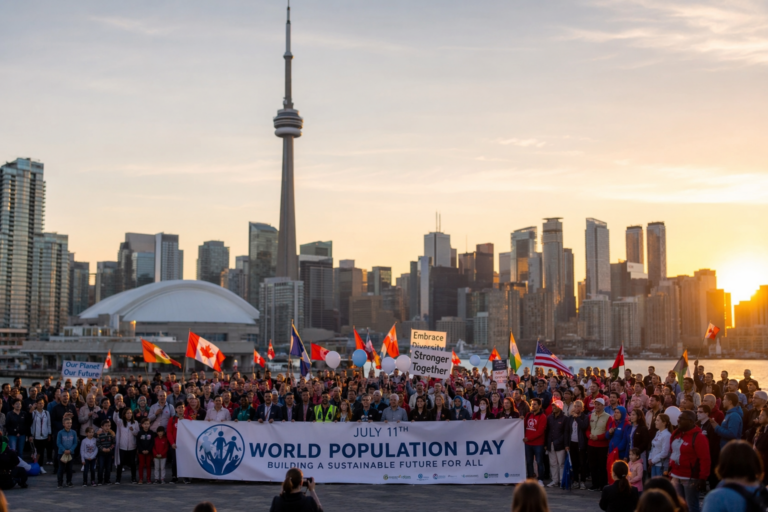
World Population Day is a population day set by the United Nations. The day looks at big trends in the world population.
-
The day asks people to act on things like sustainable development, family planning, and reproductive health for everyone.
-
World Population Day also brings to light new global population data and shares what is in the world population report.
-
In Canada, the day helps open talk about issues to do with the population, what young people need, and making sure people can make informed choices.
-
The event talks a lot now about having control over your own reproductive choices, mainly for young people who face problems and have doubts.
-
This annual event links talks going on in Canada with large challenges that face the global population.
Introduction
World Population Day is set by the United Nations. It asks you to think about the world population in real, everyday ways. This is more than just a day on the calendar. Population day shows how things like having kids, moving from one place to another, staying healthy, and having chances shape life in Canada and other parts of the world. The day also helps you see that problems with the world population connect to choices, rights, and what is fair for all. If you want to know why this annual event matters, you need to look at its purpose, where it started, and why it is even more important now.
Significance and Purpose of World Population Day
The main goal of World Population Day is to help people know about the world population and how it affects our lives. This population day is not just about counting numbers. It’s about seeing the people in these numbers and their real lives. Their lives are shaped by health, education, moving from place to place, and the chances they get.
World Population Day also gives support to sustainable development. It does this in a good way by getting people to pay more attention, by building stronger political will, and by helping those in charge answer better to what people need. When you look at these things, you can see the importance of population issues. These issues affect things like jobs, money, human rights, and what people hope for their families and for themselves.
Why the United Nations Established World Population Day
The United Nations created world population day to help people learn about issues that matter to all of us. It also wanted to get leaders and ideas moving to work on these global problems. The United Nations knew that quick changes in world population shape communities in real and long-lasting ways.
The governing council of the united nations development programme was a big part in starting this special day. Its main goal was to get the world to think to the changing population numbers, and connect these changes with health, economic development, and human dignity. This choice made it so these questions would often be discussed by all people, not just experts or leaders.
The united nations system saw that population change spreads into many parts of life. It matters for social affairs, housing, health care, schools, and work or economic development. By having population day each year, the United Nations wants to make sure these concerns do not stay just with policy-makers or leaders. It believes they should be a part of daily talk for everyone in many countries.
Key Goals and Awareness Initiatives in Canada
In Canada, World Population Day is the time to help people understand more about world population and the changes it brings. The day connects what happens in local areas with larger global population trends. It pushes people to look past what they read in news stories. They start to think about what blocks young people and families from making their own choices in life.
Groups that work with the united nations population fund also talk about some of the same needs. They want people to get good reproductive health information and to have their rights respected. These groups want people to talk openly about family planning and do it in a fair and smart way.
Key awareness goals often include:
-
explaining how global population changes touch health, schooling, and the safety of our money
-
encouraging talk that helps people know more about family planning and reproductive health
-
putting focus on what stops people from making their own choices
-
bringing up issues that matter to youth, like the cost of living and worries about the future
History and Background of World Population Day
If you want to know more about World Population Day, you should start by knowing it is an annual event. This day was made to help people look closer at world population trends and what happens because of them. World Population Day is not just about how many people there are. It is also about what these changes mean for people and their ways of living.
This day is tied to the united nations development programme. It is also part of bigger united nations plans that focus on the world’s biggest problems. As time has gone by, population day turned into a strong way for people to spread awareness, learn new things, and talk about rights, health, and development. It helps make sense of the themes we see today.
Origins of the Day and Its Annual Observance
World Population Day started because many people were worried about how world population change was making things harder for cities, services, jobs, and families everywhere. Many leaders could see that the way population grows and changes affects the future of every place.
The governing council of the united nations development programme made this day official. This put population day and the challenges linked to world population on the international calendar. Since then, it has been an annual event. Every year on this day, people get to learn more and act on big issues such as population growth, fertility, people moving to new places, and getting basic care.
The approximate date for world population day is important as well. It gives everyone a clear time each year, July 11, to think about issues tied to world population. This set day helps us all remember and focus on solving problems, instead of letting them fade after showing up for just a short time in global headlines.
Milestones and Recent Themes Leading Up to 2026
Over the years, World Population Day has evolved from a broad awareness annual event into a more focused conversation about rights, barriers, and future planning. Recent themes have paid closer attention to what people need to build stable lives and families in changing conditions.
The latest messaging also reflects findings from the world population report and related UNFPA material. A major recent theme for 2025 was “Empowering young people to create the families they want in a fair and hopeful world.” Within the compiled information, no theme for World Population Day 2024 is provided, so it should not be assumed here.
|
Year/Reference |
Milestone or Theme |
|---|---|
|
1989 |
UN system established World Population Day through the governing council of the united nations development programme |
|
Ongoing |
World Population Day continued as an annual event on 11 July |
|
2025 |
Theme focused on empowering young people to create the families they want in a fair and hopeful world |
|
Lead-up to 2026 |
Stronger emphasis on reproductive agency, barriers, and sustainable development |
Theme for World Population Day 2026 in Canada
Based on what people have put together, there is no official theme for World Population Day 2026 in Canada yet. So, it is better to not try to guess what it might be. Still, from what we see in the past, the focus for World Population Day has often been about world population issues that deal with rights, choices for young people, and the things that can make family life harder.
For the canadian population, these topics are important. This is because people talk about letting people have control over their lives, the money problems they face, and hopes they have for later. Because there is no set theme for 2024 in the information too, this article only shares facts that are confirmed.
How the 2026 Theme Addresses Canadian Population Issues
We do not have a confirmed slogan yet for 2026, but the way World Population Day is headed says a lot about real Canadian population issues. It brings up the things that help people make choices about being together, having kids, and feeling steady in life for a long time.
When we talk about population dynamics today, it is not only about population growth or population decline. All the info pulled together shows a bigger picture. It shows things like economic insecurity, high housing costs, health barriers, worries about climate change, fighting, and not being sure about the future. All of these play a role in if people feel like they can have the families they want.
This is a big deal for sustainable development in Canada like it is everywhere else in the world. Some of the main global population issues on World Population Day are reproductive freedom, being able to get care, changes in how many kids families have, people moving to cities, moving between countries (migration), and gaps in chances for people. Looking at all these issues with a Canadian view takes wide world population topics and makes them easier for people here to talk about and plan for in a way that works.
Major Organizations and Stakeholders in Canada
World Population Day events are shaped by both talks from other countries and from Canada. Here in Canada, people often talk about world population and connect it with public health, education, and how to reach out in the community.
The united nations population fund is very important for population day. This group leads a lot of the big efforts for awareness and reporting. There is also the united nations system and the world health organization, which help talk about reproductive health and rights, along with important data on these topics. National health systems are a key part of this, since they can make a big change in how people get care.
Key people and groups in world population day include:
-
the united nations population fund, which leads and makes people more aware
-
the world health organization, which focuses on big health needs around the world
-
national health systems, which are about who can get reproductive health services
-
community and advocacy groups, who talk about family planning, the needs of youth, and rights
Global and Canadian Population Issues
World Population Day is about more than just if world population numbers go up or down. Many people talk about a population collapse or fast growth, but the real issue is if people have the chance to make their own choices about family life.
When we talk about global population or look at the topics around population day in Canada, some things often come up. People ask about fertility, moving or migration, living in cities or urbanization, health access, and how money or economic problems play a part. These topics are not new or far away. They shape where people live, the help they get, and how well they can plan for their life and future.
Challenges Highlighted by World Population Day
One strength of World Population Day is that it talks about the real challenges behind the changing population dynamics. The day does not just see people as numbers. Instead, it looks at why the people have problems when they try to shape their own lives and families.
The information shows how world population problems can be tied to economic development, health barriers, and not having the same care as others. It also brings up other concerns like climate change, conflict, job worries, high housing costs, and not enough services. All of these can have an effect on maternal health, gender parity, and decisions about family planning. This is true whether a place is worried about population decline or more growth.
Here are some main problems people face:
-
money stress, childcare expenses, and having work that is not secure
-
problems getting contraception or help with fertility
-
gender inequality and fewer chances for young people
-
worries about climate change, conflict, and what may happen in the long run
Connection to the Sustainable Development Goals (SDGs)
World Population Day is linked to sustainable development in many ways. Issues about world population can affect health, education, fairness, and work chances for people all at the same time. If people do not have a choice or good facts to pick what is right for their family, this can hurt more than one person or home.
The united nations knows these things do not stand alone. That is why population day connects so well with the SDGs. When there is access to reproductive health, people’s rights are respected, and the needs of young people are seen, it helps everyone move forward in life and the economy.
It is easy to see the SDG link in daily life. If people feel economic insecurity, it can make them change their minds about having children. When people can not all get care, it may make things harder for some. If support for people is poor, their choices or hopes for the future can shrink. By caring for the rights of all, trying to be fair, and giving better service, World Population Day makes good, strong, sustainable development. That’s how people and their communities can do well and grow.
Celebrations and Activities Across Canada
In Canada, world population day is an awareness event. It is not held as one set national celebration. The annual event gives people in Canada a chance to talk about the population. There are talks about changing needs and why it matters to make good choices with the right facts.
Around the world, population day is often marked by activities that teach people and support these ideas. Canada does the same. The day is used to build up awareness of population issues. People talk about important topics like reproductive health, futures for the youth, gender parity, and school enrolment. Sharing this information helps groups and communities decide how they want to take part in the event.
How Communities, Schools, and Organizations Participate
People in communities and groups often join in by having talks that help others understand global population and more about what it means. In Canada, this can be about things the public cares about, like how much it costs to live, getting health care, and stress on young people.
Schools and groups for young people can use the day to talk about how changes in the number of people can affect every part of life. The info they gather shows things like school enrolment, if boys and girls get equal chances, and reproductive health. These are good ways for teachers and people who help others to start these talks. When a youth activist speaks up, their voice matters because young people are key to what is talked about now.
Participation may include:
-
public talks or classroom discussions on population awareness
-
youth-led conversations about rights, futures, and reproductive health
-
community events focused on barriers affecting families
-
awareness campaigns tied to global population data and education
-
outreach that connects Canadian concerns with international trends
Ways Canadians Can Get Involved in Population Awareness
If you want to get involved, the first thing to do is learn and share good information. People start to understand more about the global population when they go past short sayings and look at what helps families, and young people, make real choices when life is not sure.
Another good step is to help start talks where people respect the rights of people, making sure all get fair access. The clear message from the facts is that family planning and reproductive health services are not extra services. They are at the heart of how people can make the life they dream about.
You can help out in these ways:
-
reading and sharing reliable updates and reports about the global population
-
supporting talks about family planning and sharing information for choice
-
learning how problems stand in the way of access to reproductive health services
-
listening to young people and sharing their worries about what comes next
Conclusion
As we finish looking into World Population Day 2026 in Canada, we can see that this event is more than just a name on the calendar. It’s a reason to do something that matters. There is a long story behind World Population Day, with big topics at its core. It helps us remember the real issues people all over the world, and here in Canada, face when it comes to world population. The steps taken by different groups show how key it is for people in the community to get involved.
As Canadians, there is a big chance for us to take part in the day and help spread the message. This effort goes hand in hand with the Sustainable Development Goals. It’s time for all of us to work and move toward a better world. If you want to learn more or help out, look for local events and activities that focus on population day. Come be a part of this with us.
Frequently Asked Questions
When is World Population Day observed each year?
World Population Day takes place every year on 11 July. This annual event gives people a time to think about world population issues. These issues often show up in global headlines, like changes in how many children people have, people moving to new places, and how easy it is to get care. The approximate date is set, so people remember and keep talking about it.
How does World Population Day help address global challenges in Canada?
World Population Day helps people learn about world population by connecting what’s happening in Canada to bigger global population trends like births, people moving, who can get health care, and money problems. This is important for sustainable development. When we know more, we can talk about it better, offer better services, and help people and communities make better choices.
What lasting impact does World Population Day have on Canadian society?
Over time, population day can help change the way people talk about population dynamics, rights of people, and how they get support. In Canada, this day brings more awareness to family planning. It also helps connect people to the idea of sustainable development. There is now more focus on having fair talks that put people first and keep everyone informed.