TL;DR: Lohri is a Punjabi winter harvest festival celebrated on January 13, marking the end of winter and the start of longer days. In Canada, Punjabi communities celebrate Lohri with bonfires, bhangra, and traditional sweets, with special significance for newborns and newlyweds. The festival has grown into a vibrant cultural tradition across Canadian cities with large South Asian populations, including Surrey, Brampton, and Calgary.
For many Canadians, January means bundling up against the cold and counting down the days until spring. But for Punjabi communities across the country, January 13 brings something to celebrate: Lohri, a centuries-old harvest festival that lights up the darkest stretch of winter with bonfires, music, and sweets.
Lohri has travelled far from its roots in Punjab, India, and Pakistan, finding a second home in Canadian cities with growing South Asian populations. Whether you’re new to the tradition or have celebrated it your whole life, here’s what makes Lohri such a meaningful occasion for Punjabi Canadians, and how the festival is observed from coast to coast.

What is Lohri and why is it celebrated?
Lohri is a Punjabi winter harvest festival observed on January 13 each year. It traditionally marks the end of the winter solstice season and celebrates the harvesting of rabi crops, like sugarcane and sesame, which hold special cultural significance in Punjab.
The festival is deeply tied to themes of renewal and gratitude. Families gather around bonfires to mark the passing of winter’s coldest days and welcome the gradual return of longer, warmer days. Lohri also carries strong ties to agricultural life, celebrating the fruits of the harvest season and giving thanks for prosperity in the year ahead.
How do Punjabi Canadians celebrate Lohri?
Lohri celebrations in Canada stay rooted in tradition while adapting to community life abroad. Across cities with significant Punjabi populations, celebrations typically include:
- Bonfires: Communities and families gather around a fire, often tossing in sesame seeds, popcorn, and peanuts as offerings while singing traditional Lohri folk songs.
- Bhangra and Giddha: These energetic Punjabi folk dances are central to Lohri festivities, with community halls and gurdwaras often hosting performances and open dance floors.
- Traditional sweets and snacks: Foods like til (sesame) laddoos, gajak, popcorn, peanuts, and gur (jaggery) are shared among family and friends as part of the celebration.
- Community gatherings: Many Punjabi Canadian families celebrate Lohri through larger community events hosted by gurdwaras, cultural associations, or local community centres, especially in cities like Surrey, Brampton, Calgary, and Edmonton.

Why is Lohri especially significant for newborns and newlyweds?
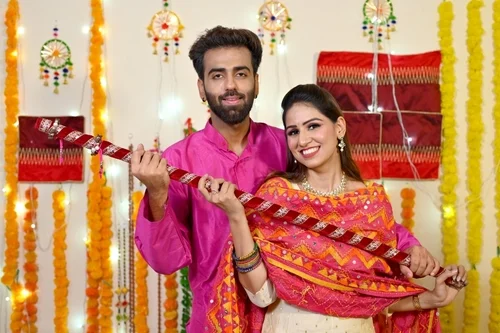
Lohri holds extra meaning for families celebrating a first Lohri after a wedding or the birth of a child. For newlyweds, the festival marks their first winter season as a married couple and is often celebrated with family gatherings, gifts, and blessings for a prosperous life together.
For families with a new baby, the first Lohri after a child’s birth is considered an especially joyous milestone. It’s common for extended family and friends to gather, distribute sweets, and offer blessings for the child’s health and future. In many Punjabi households, this celebration is treated as one of the most important family milestones of the year, second only to events like weddings.
Where are the biggest Lohri celebrations in Canada?
Lohri celebrations have grown alongside Canada’s Punjabi communities, with some of the largest gatherings taking place in cities with significant South Asian populations:
- Surrey, British Columbia: Home to one of the largest Punjabi communities in Canada, Surrey hosts community bonfires, gurdwara events, and cultural programs throughout mid-January.
- Brampton, Ontario: With a large and well-established Punjabi Canadian population, Brampton sees community centres and gurdwaras organize Lohri celebrations featuring bhangra performances and traditional food.
- Calgary, Alberta: Calgary’s Punjabi community has grown significantly in recent years, with local cultural associations hosting Lohri events that bring together multiple generations.
These celebrations often serve as more than cultural tradition. For many immigrant families, they’re an opportunity to pass on heritage to children born in Canada, strengthen community bonds, and stay connected to family traditions from back home.
How Lohri connects Punjabi Canadians to family traditions
For immigrant families, cultural festivals like Lohri often take on added significance. They provide a way to recreate the warmth of extended family celebrations, even when relatives are spread across continents. Many Punjabi Canadians make a point of calling family members back home during Lohri, sharing in the celebration despite the distance.
This blend of tradition and distance is a familiar experience for many immigrant communities in Canada. Cultural festivals become touchpoints that connect generations, helping Canadian-born children understand the traditions their parents or grandparents grew up with, while adults find comfort in rituals that remind them of home.

Celebrating connection, wherever home is
Lohri is a reminder that cultural traditions don’t fade when families move across borders, they adapt, grow, and find new communities to celebrate within. For Punjabi Canadians, the festival remains a cherished way to mark the turning of the season, honour family milestones, and pass tradition on to the next generation.
Whether you’re celebrating your first Lohri in Canada or your fiftieth, the festival’s spirit of gratitude, renewal, and togetherness continues to resonate across the country’s Punjabi communities, bonfires and bhangra included.
Frequently asked questions
When is Lohri celebrated?
Lohri is celebrated annually on January 13, the night before Makar Sankranti.
What is the significance of the Lohri bonfire?
The Lohri bonfire symbolizes the passing of winter’s coldest days and the return of longer daylight hours. Families gather around the fire, often tossing in sesame seeds, popcorn, and peanuts as offerings while singing traditional folk songs.
Why is Lohri special for new parents?
A baby’s first Lohri is considered a significant family milestone in Punjabi culture. Families often host larger celebrations with extended family, distributing sweets and offering blessings for the child’s health and future.
What foods are traditionally eaten during Lohri?
Traditional Lohri foods include til (sesame) laddoos, gajak, gur (jaggery), popcorn, and peanuts, often shared among family and community members during the celebration.
Which Canadian cities have the largest Lohri celebrations?
Surrey, British Columbia; Brampton, Ontario; and Calgary, Alberta are home to some of Canada’s largest Punjabi communities and host prominent Lohri celebrations each year.