Key Highlights
-
Pride Month in Canada is a time when people come together to honour the strength and great things done by 2SLGBTQIA+ communities.
-
The history of pride in Canada started in 1971, when early protests took place. Over the years, it grew into pride celebrations held across the country.
-
The progress pride flag and the rainbow flag both stand for diversity and everyone coming together.
-
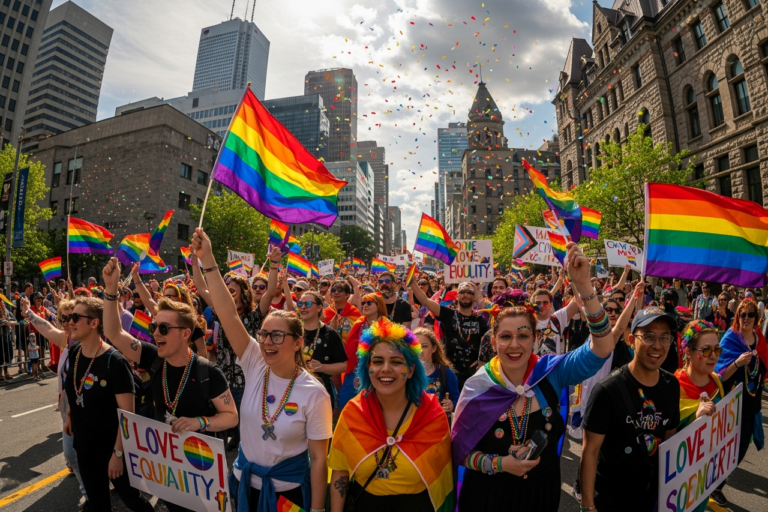
All summer long, cities in Canada, from Vancouver to St. John’s, hold bright pride parades and pride events.
-
You can show your support by being an ally, getting involved with others, and joining local pride events.
-
Pride Month is key in helping to get equal rights and helping more people know about the 2SLGBTQIA+ community.
Introduction
June is the start of Pride Month. Across Canada, this is a time full of colour and meaning. People come together to show support for the 2SLGBTQIA+ communities. We remember their story and the fight for equality and respect. Pride Day and pride celebrations are happening everywhere, from big parades to small groups getting together. These events bring happiness, give people time to think, and show how we stand with each other.
This year, as we get ready for Pride Day and all the pride celebrations in 2026, let’s see how people in Canada are joining in. From one side of the country to the other, Canadians are taking part in this special time.
The Meaning and Purpose of Pride Month in Canada
At its heart, lgbtq pride month in Canada is all about who you are and asking for equal rights. It is a time to look back at where the 2SLGBTQIA+ community started, how far they have come, and the things that still need to be done. The purpose of lgbtq pride month is to let people be seen, be heard, and find joy.
These lgbtq pride month celebrations bring people together. They help make everyone feel like they belong and that they can stay strong. In both small towns and big cities, pride is a chance for people to stand together. Folks can learn what the community has gone through, see how some people’s lives can be different from their own, and try to help make a kinder and more open place for all.
Defining 2SLGBTQIA+ and the Diversity Within
The letters in 2SLGBTQIA+ show the wide range of people in the queer community. “2S” means Two-Spirit. This word is used by some Indigenous Peoples for those who have both a masculine and a feminine spirit. The rest of the letters stand for Lesbian, Gay, Bisexual, Transgender, Queer or Questioning, Intersex, and Asexual. The “+” sign is there to include all the other sexual orientation and gender identity groups that do not fit in the main list.
Knowing what this acronym means helps you understand the queer community better. Every letter points to a different story, view, and way of life. This mix of people is what gives the community real strength. It shows there is not only one way to be in the 2SLGBTQIA+ group.
At pride events, all these identities get to shine. These events let people show who they are. They can meet others who feel the same, and feel welcome. When you accept and respect all parts of the community, you help build a more open and caring world.
Why Pride Month Matters for Canadian Communities
Recognizing Pride Month is important in helping build a welcoming environment in Canada. It shows support to 2SLGBTQIA+ people. It lets them know they are safe and valued. This public show of togetherness helps fight unfair treatment and hate, and it supports human rights for all.
Pride Month also gets people talking about inclusion and diversity. It is a good time for community engagement, learning, and understanding. People can find out about the history and the ongoing challenges faced by the 2SLGBTQIA+ community. Knowing this is how real support starts and how we break down walls between people.
Celebrating Pride makes the whole community stronger in the end. When everyone feels respected and included, life is better for all. We build a happier and closer place to live in. Pride is for everyone who believes in fairness and equal rights in Canada.
The History of Pride Month and Its Evolution Across Canada
The history of Pride Month goes back to protest. It really started to grow after the Stonewall Riots in New York City in 1969. These riots were a big moment for the gay rights movement. Because of what happened, people everywhere began to fight for full equality, and Canada was part of this, too. The spirit that came out of Stonewall pushed people in our country to hold the first big protests for 2SLGBTQIA+ rights.
Since those first days, Pride has changed a lot. What began as protests are now pride events seen all over. Today, these events mix activism and fun. They make space for the community to look back and celebrate its courage and wins. At the same time, the fight for full equality is not over. There is still work to do. The sections that come next will talk about some important moments in the history of pride.
Early Milestones and Activism in Canadian 2SLGBTQIA+ History
The story of lgbtq rights in Canada goes back many years. It started with some important steps. In 1969, the federal government made it legal for two adults over 21 to have private sexual acts. This law change was a big deal then, but it was only the start. People still had much to do for real equality.
The gay liberation movement got a boost after the Stonewall Uprising. More people then started to join in. In 1971, there were large days of protests like the “We Demand” rally in Ottawa and Vancouver. These days were very important. They brought the call for rights out in the open for all to see. They helped the lgbtq community work together and led to more steps in the fight.
By 1973, Canadians in big cities like Toronto, Montreal, and Winnipeg were holding Pride gatherings. These early events showed both strength and unity. They gave people hope and pushed the movement ahead. They made sure that the fight for recognition and a fair chance would stay strong for all the years to come.
How Pride Month Became a National Celebration
The move from small protests to a country-wide celebration took a lot of time and work. It started as a gay pride week in just a few cities. Then, more people came together as more places joined the movement. The first Trans March in Canada was during Toronto Pride in 2009. This was a big moment for making these celebrations open to more people.
In 2017, something important happened. The Canadian Human Rights Act was changed to protect people based on gender identity and how they show it. That year, Prime Minister Justin Trudeau gave an important apology for past treatment of 2SLGBTQIA+ people by the government. This showed how serious the country is about human rights.
Now, the pride season is marked all through the summer in Canada. Toronto’s pride parade is now one of the biggest in North America. The country also made a national monument and started the federal 2SLGBTQI+ Action Plan. These steps show that Canada wants to make these values part of who we are, turning Pride into a true event for everyone from coast to coast.
Iconic Symbols and Colours of Canadian Pride Celebrations
The celebration of LGBTQ pride is full of symbols that mean a lot to people. The rainbow flag stands out the most. This pride flag shows both diversity and unity. It can be seen everywhere—from city halls to crosswalks in the community—during Pride Month and other times. Its many colours let people know that support and inclusion are welcome here.
Another symbol that matters is the Progress Pride Flag. This flag adds new colours to highlight members of the community who face more challenges. These pride flags and symbols are not just for decoration. They show identity, where we come from, and hope for what comes next. Let’s take a closer look at why these and other symbols are so important.
The Rainbow Flag and Its Local Significance
The rainbow flag is a symbol that many people know and use to show Pride. People have seen this flag since the late 1970s. Gilbert Baker made it, and he gave each pride colour its own meaning. All the colours together show the big range of who people can be and the unity in the 2SLGBTQIA+ community. It is a clear and strong way to show hope and that we stand together.
In Canada, the pride flag is used loudly to show support for the community. If a city like Coquitlam raises the rainbow flag at City Hall or paints a rainbow on a crosswalk, it tells others the city values inclusion. These public signs change our streets so more people can see real support for the 2SLGBTQIA+ community.
When pride celebrations happen, you see the pride flag everywhere. People hang it as banners in the parade or wear pins to show they are allies. When you see the pride flag, you know this is a safe place where people can be who they are. The rainbow flag is more than a flag. It brings people together, shows acceptance, and is an important part of what Pride looks like.
Other Key Symbols Representing the 2SLGBTQIA+ Community
Beyond the rainbow flag that many people know, there are other pride symbols for different groups in the LGBTQ community. These symbols give more ways to show who you are, and they help to celebrate many types of gender expression and sexual orientation. The Progress Pride Flag is one well-known example. It has black, brown, light blue, pink, and white stripes. With these new colours, it adds a focus on transgender individuals and racialized people.
Many community groups make their own flags and symbols. This helps people have a stronger sense of belonging and shows that all can be part of something. Symbols like these are very important for being seen and known in the world. Here are some other important symbols you should know about:
-
The Transgender Pride Flag: This flag was made by Monica Helms. It has light blue, pink, and white stripes to show pride for transgender people.
-
The Bisexual Pride Flag: This flag has pink, purple, and blue stripes. It shows someone can be attracted to more than one gender.
-
The Intersex-Inclusive Pride Flag: This is the main Pride Flag for the federal public service of Canada. It has a yellow triangle and a purple circle. These shapes are there to show pride and support for intersex people.
All of these symbols help make sure everyone feels noticed and valued, no matter who they are or who they love.
How Cities Across Canada Celebrate Pride Month 2026
As Pride Month 2026 gets here, cities all over Canada get ready for many pride events. You will find these happening in both small towns and big major cities. Each place brings pride celebrations that show what makes their community special. These events show a mix of advocacy, learning, and having a great time.
You can expect things such as the well-known pride parade and busy festivals. There will also be smaller social events along with workshops to help teach and inform people. These gatherings let the community and their allies come together, have fun, and show support. Keep reading as we look at some big festivals and special activities you can join across the country.
Notable Pride Festivals from Vancouver to St. John’s
Canada’s pride season features an incredible variety of pride festivals, each with its own unique flair. In major cities, these events have grown into massive, multi-day celebrations that attract visitors from all over. Toronto’s Pride weekend, for instance, is one of the largest pride events in North America, featuring a spectacular pride march and street fair.
From the west coast to the east, the spirit of Pride is strong. Vancouver hosts a vibrant festival and parade in the summer, while Montréal’s Fierté festival is a major cultural event celebrating Francophone and diverse communities. Even smaller cities like Saskatoon and Winnipeg have long histories of hosting Pride events, dating back to 1973.
These festivals are the heart of the pride season, offering a chance for the community to come together in a powerful display of unity and celebration. Below is a look at some of the key festivals in major cities.
|
City |
Festival Highlights |
|---|---|
|
Toronto |
One of North America’s largest Pride events, featuring a massive parade, street fair, and Trans March. |
|
Vancouver |
A week-long celebration culminating in a vibrant parade and a festival at Sunset Beach. |
|
Montréal |
Fierté Montréal offers community days, live performances, and a colourful parade. |
|
Halifax |
A summer festival with a family-friendly parade, concerts, and community picnics. |
Unique Events and Activities Coast to Coast to Coast
Besides the big parades, Pride in Canada is full of unique pride events. There is a lot going on because people in the community have many different needs and interests. The activities cover things like education, community health, and art. There are also events for making friends and coming together. You can see that there really is something the people get to enjoy.
Many groups put on social events. These give everyone a safe place to meet and talk. People can go to community barbecues or movies with pride themes. Youth often show their art as well. All of these get-togethers help build strong networks and let everyone feel welcome and part of the group.
On top of that, there are events about learning and keeping well. These often include:
-
Workshops to teach about being a good ally and learning 2SLGBTQIA+ history.
-
Panel talks where you can hear from leaders and people making a change.
-
Wellness events that look after the community’s mental and physical health.
These pride events and social events let more people join in and take part. They help make Pride a true celebration of who we are, our culture, and our support for each other. Community health and a good, strong spirit stand at the centre of it all.
Ways to Participate and Show Support During Pride Month
Being a part of Pride Month is a good way to show support for 2SLGBTQIA+ people. No matter if you are part of this group or an ally, you can join in. There are many ways to take part. You can go to pride events, or you can help by showing kindness and being a good friend every day. When you join in, you help send out a strong message. You show people that you stand for acceptance and being together.
Giving real support is not about just one month. It means you keep learning, listening, and standing up for people all through the year. This Pride Month, think about how you can be more active with community engagement. Try to help build a Canada where every person feels welcome and treated fairly. The next parts will give you easy and helpful ideas for how to do this.
Community Events and Allyship Opportunities
One of the best ways to show you care is to take part in local pride events. You can go to a parade, a festival, or a community barbecue. Taking part in these pride events shows you support equal rights and helps make a fun and positive space. You also get to know more about the community and meet people from many different backgrounds.
But real allyship does not stop at going to events. It means you take time to listen to what 2SLGBTQIA+ people go through. You also learn about the issues they face. It is about speaking up when you see unfair treatment. Helping community groups that fight for equal rights is also a strong way to show your allyship.
You can try these actions to help even more:
-
Volunteer with a local 2SLGBTQIA+ organization or community group.
-
Learn about the history of pride and help others know about different identities.
-
Use words that include everyone and always respect people’s pronouns.
Doing these things every day helps make our world a place where all people feel safe and respected.
How Organizations and Businesses Can Get Involved
Organizations and businesses have an important part in helping the 2SLGBTQIA+ community. This work should not stop with Pride Month—it should happen all year. Using a rainbow in a logo is only a small step. True support comes when you have a real goal to make the workplace open for all and give real help to the community.
One good way to start is by supporting or taking part in local pride events. Doing this can help give money for big community celebrations. It also shows that you stand for diversity and want to include everyone. Inside the workplace, businesses can hold workshops that teach people, check to see if their rules are fair, and build a workplace where people in the 2SLGBTQIA+ group feel welcome and safe.
There is more you can do. Businesses can also work together with or give money to community groups that are close to 2SLGBTQIA+ people. These groups help with community health and stand up for the group as well. Giving money or time to these community groups is one way businesses can help everyone feel strong and safe—this means the help can last after June is over.
Pride Month’s Role in Advancing Rights and Raising Awareness
Pride Month is more than a time to celebrate. It is a strong force for change in society. Pride makes people see and understand the 2SLGBTQIA+ communities. It also helps to move human rights and lgbtq rights forward. This month brings light to current issues and the work left to reach full equality.
There are events and talks in June that help more people learn and grow. People start to question old ideas, which helps build a kinder and more open society. This new awareness can make real changes happen. We can see shifts in lgbtq rights laws and see more people accept others. Now, let’s look at how Pride helps guide this important work.
Visibility, Education, and Social Change
Being visible is one of the strongest ways to help bring social change. When 2SLGBTQIA+ people show who they are in their neighborhoods, it helps others see that there is not just one way to be. This helps break wrong ideas and lets everyone know there are many lived experiences. Pride Month is a time for big, bold visibility. It shows the world all the faces, styles, and stories in the 2SLGBTQIA+ community.
Learning is also a key part of what Pride Month brings. The parades, workshops, and stories shared by the media during this time let people find out more about 2SLGBTQIA+ history. People get to understand what different words and terms mean, and learn about the ongoing struggle for civil rights. This helps people care more and makes it easier for real allies to stand up.
With both visibility and learning, there can be real social change. These things help push away hate. They help people speak up and start talks that could have the country or even the world change laws or how people act. Pride puts a face on those who keep pushing for better days. With this, everyone can move closer to fairness and being seen in their own right.
Addressing Inclusion and Representation in 2026
As we celebrate Pride in 2026, it is important to make sure there is inclusion and real representation within the 2SLGBTQIA+ community. Over the years, the movement has grown to call out and include the different lives and stories of all its people, especially for those who have often been pushed aside, like people of colour, transgender people, and Two-Spirit folks.
To make pride events truly open to all, there needs to be a welcome place where everyone in the community can feel safe and valued. It is good to shine a light on voices that do not always get heard, have a mix of performers and speakers, and plan events that everybody can get to and take part in. Many people now use the progress pride flag as a strong sign of wanting everyone to be seen and included.
Going forward, there is a goal to help the 2SLGBTQIA+ movement show true representation for each one of its members. By making diversity something to work for, the 2SLGBTQIA+ community will become stronger. This will help all of us keep moving toward justice and equality.
Conclusion
As Pride Month 2026 happens, Canada is full of life. The 2SLGBTQIA+ communities are out there showing love and support. There are bright parades, good events, and ways for everyone to join as an ally. People use this time not only for joy, but also to learn and help each other. Canada’s many cities come together, and you see all the colors, the people, and their fight to have equal rights.
Now is the time to take part in local events, talk about why this month matters, and stand with one another. All of us help to make Canada open for all. So, welcome Pride this year. Keep lifting people up. Stand beside everyone in the 2SLGBTQIA+ community. If you want to know how to do more, check out the events near you. Join in and show your support this Pride Month!
Frequently Asked Questions
When is Pride Month celebrated across Canada in 2026?
Pride Month takes place every year in the month of June. People celebrate this time to remember the Stonewall Uprising that happened in New York City in 1969. Even though June is called the official Pride Month, many spots in Canada keep the pride celebrations going all summer long. This makes a “Pride Season” that sometimes lasts until September.
Which Canadian cities are known for the largest Pride parades?
Toronto, Vancouver, and Montréal are known for having some of the biggest and most exciting Pride parades in Canada. These major cities bring in large crowds for their pride events. Most of the time, these events include pride festivals that last a few days and show the strength and diversity of the LGBTQ community.
How can individuals and families support 2SLGBTQIA+ communities during Pride Month?
You can show your support by going to local pride events. It’s good to learn about 2SLGBTQIA+ history and their issues. Try to be an active ally too. You can also help members of the community by giving to or helping out at community groups. This is a great way to give back during Pride Month and all year round.