

Last reviewed: November 2026
To apply for a Nova Scotia health card, complete the MSI application form, gather proof of identity and Nova Scotia residency, and submit your application either in person at an MSI office or Access Nova Scotia Centre, or by mail. New residents may face a three-month waiting period before coverage begins.
Moving to a new province, or even a new country, means figuring out a lot all at once. The Nova Scotia Health Card, issued through the province’s Medical Services Insurance (MSI) program, gives you access to publicly funded healthcare once you’ve settled in Nova Scotia.
This guide from Remitly covers what the MSI card is, who’s eligible, the waiting period many newcomers may not know about, and how to apply in 2026.

Quick Answers
- To apply for a Nova Scotia Health Card, complete the Registration for Health Services Form with proof of your immigration status and address, then apply online or drop it off in person.
- If you’re moving from elsewhere in Canada, your coverage will start on the first day of the third month of your residency.
- Typically, your Health Card will arrive in the mail about four weeks after your submit your application, although there may be delays if there is an error on your form or if MSI needs more information.
What is a Nova Scotia Health Card (MSI card)?
The Nova Scotia Health Card is your proof of coverage under the province’s public healthcare system. With this card, you can visit family doctors, see specialists, receive emergency treatment, and stay in hospital if you have to — all covered by the province.
Your health card also covers some medical procedures, lab tests like blood work or X-rays, and certain maternity and surgical services. It’s an essential piece of documentation for all Nova Scotia residents. Without it, you may need to pay for Nova Scotia healthcare services that would otherwise be covered under insurance.
Your MSI card doesn’t cover everything, though. Routine dental care, eye exams and glasses, some prescription drugs, ambulance fees, and cosmetic procedures fall outside the program. It’s worth understanding how health cards work across Canada before you rely on MSI alone.

Who is Eligible for a Nova Scotia Health Card?
To qualify for an MSI card, you’ll need to meet a few key eligibility requirements. To be eligible, you’ll need to:
- Be a Canadian citizen or hold an eligible immigration status.
- Make Nova Scotia your permanent home. You should consider the province your primary place of residence and intend to live there long term.
- Be physically present in Nova Scotia for at least 183 days each year. This confirms that you live in Nova Scotia for most of the year.
- Be registered with MSI. Your health coverage has to be linked to the Medical Services Insurance program.
If you’re unsure whether you qualify, reach out to MSI directly for clarification before applying. They can make sure you qualify based on your situation.
Eligibility for Newcomers: Permanent Residents, Work Permits, and Study Permits
If you’re not a Canadian citizen, you can still qualify for coverage, but the requirements depend on your status:
- Permanent residents are eligible once they meet the primary residency and presence requirements above.
- Work permit holders qualify with a permit valid for 12 months or longer — see our guide on applying for a work permit in Canada.
- Study permit holders qualify under the same 12-month rule; citizens studying abroad for a full school year are also still eligible.
- Protected persons and Convention refugees are eligible once they can show they’ve applied to IRCC for permanent residence.
If your immigration situation is complex, MSI Resident Services can confirm your eligibility directly — call 902-496-7008, or toll-free at 1-800-563-8880.

Nova Scotia Health Card Waiting Period: What Newcomers Need to Know
Not everyone gets MSI coverage the moment they arrive, which catches many newcomers off guard.
If you’re moving to Nova Scotia from another Canadian province or territory, there’s a waiting period: coverage begins on the first day of the third month after you become a resident, per the Nova Scotia Health Insurance Program — roughly two to three months later, depending on when you arrive. Meanwhile, contact your previous province or territory to confirm that you’re still covered until your new coverage starts. Our guide to accessing public services as a newcomer to Canada covers other useful programs.
If you’re arriving from outside of Canada, the rules are more forgiving: citizens, permanent residents, and their non-Canadian spouses or common-law partners generally have no waiting period, with coverage starting the day you become a resident.
Either way, budget for a possible gap. Many new residents take out short-term newcomer or visitor health insurance to cover potential out-of-pocket costs until MSI coverage starts.
Keep in mind that waiting periods vary depending on the situation, so confirm anything you’re uncertain about with MSI Resident Services.
How to Apply for a Nova Scotia Health Card: Step-by-step
Applying for a Nova Scotia Health Card is straightforward once you have your documents together. In 2026, follow these steps:
- Gather your documents.
- Get the application form.
- Submit the application.
- Wait for your card to arrive.
More detail is provided below.
Step 1: Gather Your Documents
Before you start your application, collect all the required documents to make the process smoother. The required documentation differs based on whether you’re a citizen or an immigrant.
It’s also important to note that MSI asks for copies of the following documents, not originals — keep your originals for your own records.
Proof of Canadian Identity
Canadian citizens will need a copy of one of these documents:
- Canadian birth certificate
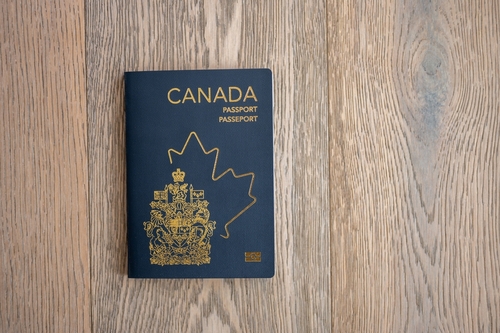
- Valid Canadian passport (or one that expired within the last five years)
- Canadian citizenship certificate or card (both sides)
- NEXUS card
- Registration of birth abroad
- Canadian military ID
- Royal Canadian Mounted Police (RCMP) ID card
- Certificate of Indian status card
Proof of Immigration Status (if applicable)
If you’re not a Canadian citizen, you’ll need to show valid proof of your immigration status with a copy of one of the following:
- Your permanent resident card (both sides of the card)
- Your work permit
- Your study permit
- Proof that you’re a Person in Need of Protection or a Convention refugee, with evidence you’ve applied to IRCC for permanent residence
Proof of Nova Scotia Residency
Regardless of citizenship or immigration status, you’ll need a copy of one of the following to prove you live in Nova Scotia:
- Mortgage documents or a current-year property tax bill
- A rental or lease agreement signed by both the landlord and tenant
- A utility bill (phone, power, cable, satellite, or water) dated within the last six months
- An insurance policy (home, tenant, or auto)
- A valid Nova Scotia driver’s licence or photo ID
- Valid Nova Scotia motor vehicle registration
- A child tax benefit statement
- A bank or credit card statement
- Income assistance benefit statement
- Employment confirmation (recent pay stub or employer letter on company letterhead)
- Most recent Canada Revenue Agency notice of assessment
If you’re a newcomer and don’t have a lease or utility bill yet, reach out to MSI Resident Services for guidance on what alternatives may be accepted.
Step 2: Get the Application Form
There are two ways to obtain the Registration for Health Services Form:
- Download the PDF from the Nova Scotia government’s Health Card page.
- Call MSI Resident Services to request a paper copy to be mailed to you, or pick one up in person at an Access Novia Scotia centre or MSI office.
Step 3: Submit Your Application
Once your form is completed and your documents are ready, there are two ways to submit your application:
- Online: Submit MSI’s online contact form with your name and email address. MSI Resident Services will then email you a secure upload link for your completed form and supporting documents, which you must use within 24 hours.
- Drop it off in person: Submit the application in person at MSI Resident Services in Dartmouth via the secure drop box.
There’s no fee to apply, and MSI Resident Services can help you decide which method suits your situation. No matter how you decide to submit, be sure to sign your form — unsigned forms will not be processed.
Step 4: Wait for Your Card to Arrive
Once it’s processed, your Nova Scotia Health Card is mailed to the address you provided on your form.
While there’s no official processing time, it typically takes the card about four weeks to arrive, though delays happen with missing information or form errors. Your coverage start date is set before the card arrives — contact MSI Resident Services if it’s taking longer than expected.
If you’re moving within Canada, remember the waiting period rules affect your coverage start date.
After You Receive Your Nova Scotia Health Card
Once you receive your card in the mail, sign it immediately — an unsigned card is invalid — and keep it somewhere safe but easy to reach for appointments.
If you move, change your name, or update your contact details, notify MSI. Keeping your information current helps prevent delays and keeps your coverage in place.
About three months before your card expires, MSI Resident Services will send you a renewal notice. Follow these steps to renew your card:
- Use the downloadable renewal form online or request a paper renewal form over the phone.
- Submit your form: you can upload it through the Nova Scotia MSI resident portal, or send it by mail, fax, or use the drop box at MSI Resident Services.
- MSI Resident Services reviews your renewal and mails your new card, usually within about six weeks.
If your card is lost, damaged, or stolen, contact MSI Resident Services right away to request a replacement. Replacement is free if your card would have expired within 12 months; otherwise, there’s a $10 fee.
Frequently Asked Questions about the Nova Scotia Health Card
How do I apply for a Nova Scotia Health Card?
Gather proof of your citizenship or immigration status and Nova Scotia address, and then complete the Registration for Health Services Form. Apply online via MSI’s resident portal, or send your application by mail, fax, or drop it off in person. There’s no application fee.
How long does it take to get a Nova Scotia Health Card?
It usually takes about four weeks for the card to arrive by mail, though delays happen if MSI needs more information. There is no official processing time on applications.
Is there a waiting period for MSI coverage?
If you’re moving from another Canadian province or territory, yes: coverage begins the first day of the third month after you become a Nova Scotia resident. If you’re moving from outside Canada, most citizens, permanent residents, and their spouses have no waiting period.
Can I use my Nova Scotia Health Card in other provinces?
Yes. Canada’s provinces have reciprocal billing agreements, so your card usually means the other province pays your claim directly, similar to Ontario’s health card system. In some provinces, though, you may have to pay up front and claim reimbursement.
What doesn’t the Nova Scotia Health Card cover?
MSI doesn’t cover routine dental care, eye exams and glasses, most prescription drugs, ambulance transport, or cosmetic procedures. Nova Scotia Pharmacare can help some people with prescription costs; otherwise, a private plan or workplace benefits fills the gap.
Can I add dependents to my Nova Scotia Health Card?
Yes, you can register eligible dependents, including children or legal wards under 19, each with their own card. See our guide to the Canada Child Benefit for what eligible families can claim. Tell MSI if your family circumstances change.
What should I do if my card is lost or stolen?
Contact MSI Resident Services right away to report a lost, damaged, or stolen card and request a replacement. It’s free if your card would have expired within 12 months; otherwise there’s a $10 fee. Keep your MSI number safe in case you need care in the meantime.
Key takeaways
Around the same time, it’s worth sorting out other newcomer essentials — our guide to banking in Canada as a newcomer covers what you’ll need to open an account.
- To apply for the Nova Scotia Health Card, first gather proof of your citizenship/immigration status and address, then submit the Registration for Health Services Form online, by mail, fax, or drop it off in person. There is no application fee.
- If you’re moving from another Canadian province or territory, your coverage will start on the first day of your third month of Nova Scotia residency. If you’re moving from outside Canada, most citizens and permanent residents have coverage from day one.
- MSI covers doctors, specialist visits, hospital stays, and emergency care, but not routine dental care, vision care, many prescriptions, ambulance fees, or cosmetic procedures.
- Temporary residents may not qualify for full coverage unless their work or study permit is valid for 12 months or longer, so check your eligibility first.
- Renewal notices go out about three months before your card expires, and renewing takes about six weeks — act on the notice when it arrives. Around the same time, it’s worth sorting out other newcomer essentials — our guide to banking in Canada as a newcomer covers what you’ll need to open an account.