Key Highlights
Here are the key takeaways from our talk about National Indigenous Peoples Day:
-
National Indigenous Peoples Day happens every year on June 21st, which is the summer solstice.
-
The day honours the history, diverse cultures, and heritage of First Nations, Inuit, and Métis peoples in Canada.
-
It started in 1996 as National Aboriginal Day and gives all Canadians a chance to learn and celebrate.
-
The day is for all of Canada to observe, but it is a statutory holiday only in some territories.
-
People mark the day with community events, ceremonies, art, music, food, and things to help you learn.
Introduction
Welcome to our guide for National Indigenous Peoples Day 2026! This day is a time for everyone in Canada to see and honour the special cultures of Indigenous peoples. This includes the First Nations, Inuit, and Métis. Each year, on June 21st, we get to join together on the longest day of the year. People in many places will get to enjoy lively events. It is a good chance to learn about Indigenous history. You can also get to know the things First Nations and other groups have brought to Canada. Take part and see how these traditions help shape this land for so many years.
The Significance of National Indigenous Peoples Day in Canada
National Indigenous Peoples Day is an important day in Canada. On this day, people all over the country celebrate the Indigenous peoples of Canada. We take time to look at their history, their strength, and the great mix of their cultures. Every year on this day, all Canadians are asked to honour the unique heritage and the many contributions of First Nations, Inuit, and Métis peoples.
This day helps people in Canada understand how important these communities are. It asks us to learn, to think, and to join local events that share the traditions and spiritual beliefs passed down over time. The day is a good chance to know more about the history of National Indigenous Peoples Day and why people celebrate it at this time of year.
Origins and Historical Background of the Day
The idea for a national day to honour Indigenous peoples has been around for a long time. Different Indigenous groups brought up this idea many times, hoping to have a day that would celebrate their cultures and all their work.
In 1996, this dream came true. The government made it official with a day called National Aboriginal Day. It happened after a proclamation from the then Governor General of Canada, Roméo LeBlanc. That was an important moment as it helped bring Indigenous history and stories into the minds of people across the country.
Now, the month of June is known as National Indigenous History Month. This means people have the whole month to learn more and take part in events. The day was later changed to National Indigenous Peoples Day. This update was to use words that fit better and show respect for the different First Nations, Inuit, and Métis identities.
Why June 21 Is Chosen as the Day of Celebration
The date for National Indigenous Peoples Day, June 21st, was picked for a good reason. It matches the summer solstice. This day is the longest day of the year in the Northern Hemisphere.
For many Indigenous peoples and First Nations, the summer solstice has been important for a long time. It is a special day for celebrating, holding ceremonies, and spending time with family and community.
By setting indigenous peoples day on this day, the national celebration links to Indigenous traditions that go way back. The choice of June 21st respects the strong tie many Indigenous peoples have with nature and the seasons.
The Role of Summer Solstice in Indigenous Traditions
The summer solstice is not just known as the longest day of the year. For many indigenous peoples, it has a strong spiritual meaning. This day is the true start of summer. Many cultures around the world celebrate it with different traditions and festivals.
In many indigenous cultural traditions, the solstice is seen as a time to renew, show thanks, and connect with the community. People gather for ceremonies, feasts, and dances that honour the sun, the land, and the energy that gives life in this season. These events are tied to spiritual beliefs. Many believe that we are closely linked with nature.
Different indigenous communities celebrate the summer solstice in their own ways. This shows their rich mix of traditions. Still, there is always deep respect for the natural world and for the earth’s rhythms. It is what makes the day such a good time for celebration and for thinking about our place in the world.
Recognizing First Nations, Inuit, and Métis Cultures
National Indigenous Peoples Day is a day to celebrate all Indigenous peoples in Canada. On this day, people across Canada think about and honour the three main Indigenous groups: First Nations, Inuit, and Métis. Even though these groups are all Indigenous, they each have their own special background, spoken languages, and cultural traditions. This day is all about the great mix of cultures and ways people live.
There are diverse cultures in the First Nations communities all over the country. The Inuit in the north have their own traditions. The Métis also have their own history that is important. National Indigenous Peoples Day gives everyone a chance to learn more about these Indigenous groups. This day helps us know what makes each group stand out, what they give to Canada, and the symbols and things that mean a lot in their lives.
Distinctions Among First Nations, Inuit, and Métis Peoples
The term “Indigenous peoples” covers a wide range of different cultures. First Nations peoples live in all parts of Canada. They have their own languages, beliefs, and ways of living. There are over 630 First Nations communities, with more than 50 groups. This shows the big diversity of First Nations.
Inuit are the Indigenous peoples from the Arctic. Their home area is called Inuit Nunangat. It spreads across northern Canada. The Inuit have a culture, language (Inuktitut), and way of life made for the Arctic. They have a unique way of running their society.
The Métis people come from the unions of European settlers and First Nations women. Their roots are mostly in the middle and west of Canada. The Métis have their own special culture, language (Michif), and customs. Their history includes well-known people like Louis Riel. Knowing about these different groups helps us honour their unique heritage and the diverse cultures of the indigenous peoples.
Cultural Contributions to Canada’s Heritage
The contributions of indigenous peoples to Canada are big and help make the country what it is today. For many years, they have cared for the land. They have a deep understanding of plants, animals, and how everything works together in nature. The contributions of First Nations, Inuit, and Métis have helped Canadian society in so many ways. Their work can be seen in art, politics, science, and how people think and believe.
Indigenous languages are a key piece of this unique heritage. It is important to keep and support these languages. They are filled with history, knowledge, and views about the world that you cannot find anywhere else. Because of this, the United Nations said that 2022-2032 will be the International Decade of Indigenous Languages. This will help more people use them all around the globe.
From the amazing Haida art, to the strong voice of Métis leaders in politics, and the way Inuit people live and thrive in the north, the contributions of indigenous peoples keep shaping Canada. National Indigenous Peoples Day honours these achievements. It also reminds us about the ongoing impact of indigenous peoples—even today.
Symbols and Meanings in Indigenous Culture Celebrations
Symbols are important in Indigenous culture. They hold stories and strong meaning for the people. You can see these symbols at celebrations and special days all through the year. They help people stay close to their heritage and history.
A handmade ribbon skirt is one meaningful symbol of identity and strength for many First Nations and Métis women. It is a way to show connection with Mother Earth and is a sign of cultural pride. The red dress is another symbol. It helps people remember and care about Missing and Murdered Indigenous Women, Girls, and 2SLGBTQQIA+ Peoples.
Some other well-known symbols and special days are:
-
The orange shirt for Orange Shirt Day on September 30th. This day honours survivors of residential schools and teaches that “Every Child Matters.”
-
Moccasins get noticed during “Rock Your Mocs” week in November. It is a time when Indigenous peoples around the world use them to show their culture.
-
The Thunderbird means strength and protocol in many First Nations cultures.
These symbols help tell the story of Indigenous peoples. They are a big part of the way every group honours its people and history.
Understanding the National Observance
National Indigenous Peoples Day is a national day and has official recognition. But, when it comes to being a public holiday, things can get confusing. This is a day for all Canadians to honour Indigenous cultures. That does not mean everyone gets a day off work.
How people observe this day changes in different places. Getting clear about this difference helps us see how governments and regions treat the day. Let’s talk about if it’s really a public holiday, the ways governments show support, and how official recognition works for Indigenous Peoples Day in different areas.
Is National Indigenous Peoples Day a Public Holiday?
A lot of people want to know if National Indigenous Peoples Day is a public holiday. The quick answer is that for most of Canada, it is not. It is not a federal statutory holiday right now. This means that most workers under federal rules do not get this day off.
But there are some places where things are different. In the Northwest Territories and Yukon, June 21st is a statutory holiday. People who work in these areas get the day off, so more of them can join in with the celebrations for the national indigenous peoples day.
This is not the same as the National Day for Truth and Reconciliation on September 30th, which is a federal statutory holiday. National Indigenous Peoples Day is mostly a day to observe and celebrate, not a paid holiday in most parts of the country. Many people ask for it to become a holiday everywhere in Canada, but right now, it only counts as a holiday in some regions.
Government Acknowledgment and Support
The Government of Canada helps people welcome National Indigenous Peoples Day. This started in 1996 with the first announcement from the Governor General. Every year, the Prime Minister and other federal leaders share messages that support and celebrate indigenous peoples.
Departments like Crown-Indigenous Relations and Northern Affairs Canada work to make the day well-known. They give money for community events and help create lessons so all Canadians can learn and take part in the Indigenous Peoples Day. This support makes it possible for many gatherings to happen across the country.
The government does more than just talk. They back up indigenous-led plans and give funding for culture-based programs. They also work with First Nations, Inuit, and Métis groups. This makes sure that National Indigenous Peoples Day is meaningful and respectful for their communities.
Official Recognition at Local and National Levels
Official recognition of National Indigenous Peoples Day happens at every level, from national declarations to local events in cities and towns. While it isn’t a national holiday for all, its importance is widely acknowledged. Municipalities, like the City of Burnaby, often host large community celebrations, demonstrating local commitment.
Provincial and territorial governments also play a part. For example, in Ontario, the Ministry of Colleges and Universities encourages post-secondary institutions to recognize important Indigenous dates, including Treaties Recognition Week, showing a broader commitment to Indigenous education and reconciliation throughout the year.
The recognition is part of a larger calendar of significant days. This multi-layered approach ensures that the celebration and acknowledgment of Indigenous heritage are woven into the fabric of Canadian society.
|
Level of Government |
Type of Recognition |
Example |
|---|---|---|
|
Federal |
National day of observance, statements from leaders |
Prime Minister’s annual address, funding from Northern Affairs Canada |
|
Territorial |
Statutory holiday in NWT and Yukon |
Paid day off for workers, territory-wide events |
|
Provincial |
Promotion and support for educational initiatives |
Ontario’s Ministry of Colleges supporting Treaties Recognition Week |
|
Municipal |
Hosting local events and community celebrations |
City of Burnaby’s free family event at Civic Square |
Ways Canadians Celebrate National Indigenous Peoples Day
Canadians from all walks of life can join in National Indigenous Peoples Day. During the month of June, which is known as National Indigenous History Month, indigenous communities invite everyone to come and learn about their culture. They put on many events all over the country. This is a time for non-indigenous Canadians to listen, get to know, and take part in a way that shows respect.
There are activities of all kinds that honor indigenous culture on this day. You will find both quiet ceremonies and fun festivals. In the next sections, you can read more about some classic events, things that people can do across the country, and what you might see during the 2026 celebrations in your area.
Traditional Events and Ceremonies
On National Indigenous Peoples Day, you will see the local communities celebrate with old customs and ceremonies. These events are at the heart of their cultural traditions. People use them to honour their ancestors, the land, and to keep their ways alive. Much of what happens comes from their spiritual beliefs.
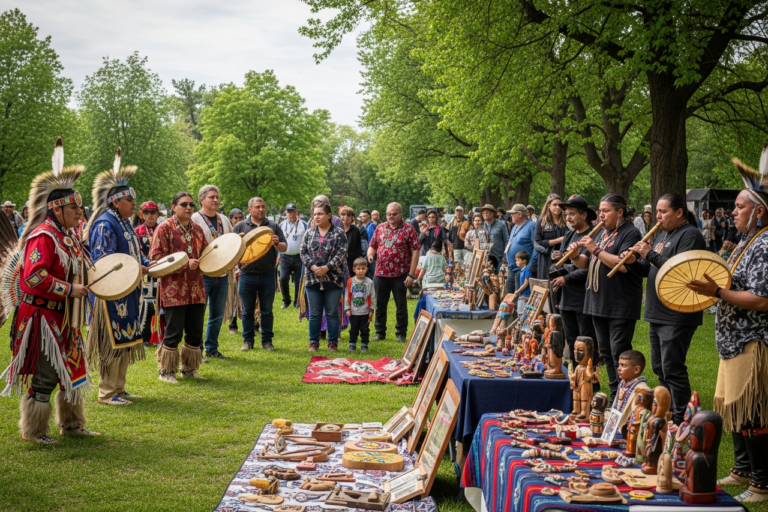
The ceremonies in Indigenous cultures are not the same everywhere. Still, you would often see smudging, prayers, or a fire at the centre of things. Powwows are a big part of the day. People gather together to drum, sing, and dance in their regalia. To them, these ceremonies are more than just shows. They are sacred moments full of meaning, helping their communities stay close and strong.
Some traditional events you might see on Indigenous Peoples Day include:
-
Sunrise ceremonies that mark the longest day of the year.
-
Storytelling where Elders pass on their knowledge and history.
-
Traditional games that show skills and values.
-
Feasts for the whole community, with foods from their culture.
-
Canoe journeys that show unity and how nations connect.
These special moments on the day of the year bring people together and help keep Indigenous cultural traditions alive for all of us.
Participatory Activities Across Provinces and Territories
All over Canada, National Indigenous Peoples Day has many activities where you can join in. You get a chance to take part, have fun, and learn more about indigenous peoples and their cultures.
You will see workshops, markets, and displays that are hands-on. They are made to be good for families and help everyone feel welcome. Both indigenous people and non-indigenous people can join and celebrate in these spaces together.
Here are some things you might find:
-
Artisan markets where you buy items made by indigenous creators right from them.
-
Workshops that show you how to make traditional crafts like beadwork or carving.
-
Interactive games and sports. You might learn soccer drills with groups like Hope and Health.
-
Community art projects. You can help colour designs made by local indigenous artists.
Regional Highlights of 2026 Celebrations
The 2026 National Indigenous Peoples Day celebrations will be lively and different in every part of the country. Each region will show its own unique heritage. The events are made to fit the indigenous groups in that area. This gives a local and real experience.
In the coastal areas, you can see canoe journeys and ocean traditions. On the prairies, there will be grand entry powwows and Métis jigging. For the north, Inuit cultural shows and games will stand out. These events show the many cultures the national indigenous peoples bring to Canada.
When June 21, 2026 gets close, make sure to look at local listings. Municipalities, friendship centres, and Indigenous organizations will share the schedules for their regional celebrations. This way, you can find an event near you to honour and celebrate with the community.
Major City Celebrations and Notable Gatherings
Yes, big cities across Canada hold large events and celebrations for National Indigenous Peoples Day. These city events bring together many people. Both local and visiting Indigenous communities join in. The events show the rich culture and energy of local Indigenous peoples. For many in Canada, these events are the highlight of Indigenous Peoples Day.
You can find a lot going on, from festivals in Vancouver to ceremonies and special plans in Toronto. In Canada’s capital city, there will also be new ways to join in. Each city has events for everyone to take part in and learn more about national Indigenous peoples and their stories. Now, let’s see what some of the biggest cities in the country are getting ready for in 2026.
Vancouver’s Signature Indigenous Events
Vancouver is on the land of the xʷməθkʷəy̓əm (Musqueam), Sḵwx̱wú7mesh (Squamish), and səlilwətaɬ (Tsleil-Waututh) Nations. The city is famous for big Indigenous gatherings. Many events here celebrate the history and culture of the Pacific Northwest.
One of the main highlights every year is the Summer Solstice Indigenous Festival. You get live shows, hands-on workshops, and busy markets. This event shines a light on the art, music, and customs of the local Host Nations. People from other Indigenous groups across Canada come to show their work too.
In cities like Burnaby, there are more community celebrations. These events include things for families to do, music, stories, and a market for Indigenous makers. The goal is to bring people together during the summer solstice, feel closer as a group, and pay respect to the host nations here.
Toronto’s Annual Ceremonies and Community Displays
Toronto has many big events every year for National Indigenous Peoples Day. These show the rich mix of Indigenous peoples living in the city. The day often starts with a sunrise ceremony. This is a special and quiet time to begin the celebrations.
During the day, well-known places like Nathan Phillips Square or Yonge-Dundas Square fill with Indigenous culture. These yearly celebrations have a marketplace where Indigenous vendors sell goods. There are also food stalls and a main stage for music shows, dances, and talks from elders and community leaders.
The city plans these events with help from various Indigenous groups and organizations. These events give space for Indigenous artists, performers, and business owners to share what they do. People from every part of Toronto can come together, learn, and celebrate the strong spirit and contributions of Indigenous peoples in the city.
Events Planned for Ottawa and Montreal in 2026
In Ottawa, the nation’s capital, National Indigenous Peoples Day is a very special day. In 2026, there will be big events close to Parliament Hill. The day will bring together well-known national figures and artists. The Summer Solstice Indigenous Festival is one of the main events, lasting several days. It is a time to celebrate First Nations, Inuit, and Métis cultures in a big way.
Montreal is known for its rich history and lively arts. The city also puts on impressive events for National Indigenous Peoples Day. These usually happen in the Old Port or at Place des Festivals. They highlight the many Indigenous peoples in Quebec, like the Mohawk community of Kahnawake. You will find both old traditions and new music, with lots of art during these celebrations.
Both Ottawa and Montreal will have many activities for National Indigenous Peoples Day 2026. It is a good chance for people living in these cities, and for those visiting, to learn more about Indigenous peoples. Everyone can come together to honour the contributions of Indigenous peoples to our shared past and to our future.
Celebrating with Arts, Music, and Food
One of the best ways to enjoy National Indigenous Peoples Day is to take part in the arts, music, and food shared by indigenous peoples. These things are a big part of why the day is so special. They let people see and feel the traditions from First Nations, Inuit, and Métis communities.
You can listen to strong and moving Indigenous music and watch performances that stay with you. There are also art shows that you will want to see and foods you have to try. Anyone who joins can find something they like. Come with us as we look at concerts, crafts, and tasty native dishes. All of this helps make National Indigenous Peoples Day great for everyone.
Indigenous Performances and Concerts
Indigenous music and performances are a big part of National Indigenous Peoples Day. Stages all over the country are full of the sounds of traditional drumming, rock, folk, and hip-hop. These types of music show the range of Indigenous peoples talent.
You can see spoken word poetry, storytelling, and lively dance groups in Indigenous peoples performances. Groups such as Spakwus Slolem (The Eagle Song Dancers) from the Squamish Nation share their culture through songs and dances. These songs and dances are taught from one generation to the next. They give us a great way to see the living traditions from different and diverse cultures.
All through National Indigenous History Month, and most on June 21st, you can join free concerts and performance shows in parks, squares, and community centres. These national indigenous peoples events are fun and easy ways for people to enjoy and learn about the music and storytelling from the heart of Indigenous history.
Showcasing Traditional Crafts and Art Exhibitions
Art is a strong way for people to show Indigenous culture and their unique heritage. On National Indigenous Peoples Day, there is a lot to see and enjoy. You can look at traditional crafts and new kinds of Indigenous art.
Many events have artisan markets. Here, you can stop by different tables to check out and buy handmade items right from the people who make them. This is a good way to give support to Indigenous artists. You get a piece of art, a piece of jewelry, or clothes that each have their own story. You will see beadwork that is quite detailed, jewelry made by hand, paintings, and even prints to take home.
There is more than just markets on Indigenous Peoples Day. Many art galleries and museums will have special art shows. At places like the Burnaby Art Gallery, you will find exhibitions at other sites and talks with artists, such as Rain Cabana-Boucher. These events are great for getting to know the ways themes and skills show up in art by well-known and new Indigenous artists.
Popular Indigenous Dishes Enjoyed on National Indigenous Peoples Day
No celebration feels complete without food, and National Indigenous Peoples Day is a great time to try some tasty dishes from Indigenous peoples. Food brings people together and lets everyone taste the traditions that have been passed down in their cultures. It helps people connect with the land and each other, making the day even more special for all of us.
At many parties or events, you will see food vendors with many choices from different Indigenous peoples. One of the best-known and loved foods is bannock. Bannock is a type of fried bread that can be eaten plain, with jam, or used in meals like an Indian taco. Its simple and warm taste makes you feel good, and it is served often at big group gatherings.
Some other favourite Indigenous peoples dishes you may find are:
-
Three Sisters soup, which has the main crops—corn, beans, and squash.
-
Smoked salmon or candied salmon, mostly in places close to the coast.
-
Meats from animals like bison, elk, or venison, sometimes cooked in stews or made into burgers.
-
Desserts and teas made with wild berries that show what the land has to give.
When you enjoy these foods on Indigenous Peoples Day, you get to take part in their cultural traditions and share what the day means with others.
How Schools and Educators Can Honour the Day
Schools and teachers have an important role when we talk about National Indigenous Peoples Day. This day gives a good chance to teach about Indigenous history, ideas, and cultures in class. Many school boards and colleges have an Indigenous Education Office or Indigenous Initiatives Office to help with this work.
When schools take time to learn about First Nations, Inuit, and Métis peoples, students can grow to be more aware and respectful. Let’s talk about how teachers can bring Indigenous teachings into their lessons, get ideas for activities, and help students meet and learn from knowledge keepers in their community.
Integrating Indigenous Teachings in the Classroom
Bringing Indigenous teachings into the classroom should not happen only on one day. It is good to include Indigenous peoples’ points of view and ways of thinking in the lessons all year. This helps all students see that Indigenous history is a big part of Canadian history.
When National Indigenous Peoples Day comes, and during the time around it, teachers can spend more time on some Indigenous teachings. For example, students can learn about the medicine wheel. They can see why oral tradition is important. They can talk about how being close to the land is an important part of many Indigenous cultures.
There are many ways to use these ideas with students. One way is to learn some words in the Indigenous languages spoken in the area. This lets students see the variety of languages found in Canada. When teachers add these lessons, it makes school better for everyone. It also shows respect for the wisdom of Indigenous peoples and cultures.
Recommended Activities and Lesson Ideas
In National Indigenous History Month, teachers have many options for hands-on activities in the classroom. These lesson ideas let all students connect with the world of Indigenous peoples and their history.
It is important to make sure the lessons are both fun and full of respect. Some good ways to do this are by making art, doing some easy research together, or listening to stories. With these activities, students can learn more about the strength and gifts of Indigenous peoples.
Here are some useful ideas for lessons and activities:
-
Art Creation: Ask students to make art like the style of well-known Indigenous artists, such as Roy Henry Vickers or Norval Morrisseau.
-
Reading and Discussion: Read books by Indigenous writers. Picture books work well for young children. Teenagers can read poetry or novels.
-
Virtual Museum Tours: Go online and look at exhibits about Indigenous history and art at different museums.
-
Learn About Local Nations: Study the story and ways of the First Nations whose land your school stands on.
These easy lessons are a good way to help everyone learn more and show respect during Indigenous History Month.
Connecting Students with Indigenous Storytellers and Elders
One of the best ways to honour the day is to let students meet with Indigenous storytellers and Elders. These are the people who know a lot about their communities. They share teachings, history, and cultural traditions that have been passed down for many years.
Bringing an Elder or storyteller to the classroom, either face-to-face or online, gives students a real and strong learning experience. Students get to listen to true stories from the past, hear traditional stories, and ask questions in a welcoming space. This helps them get an understanding that books alone can’t give.
This meeting has deep cultural significance. It helps students learn to listen and respect the wisdom of Elders. It also shows that Indigenous cultures and their cultural traditions are still alive and important today, not just something you hear about in history. Meeting with knowledge keepers is a good, simple way to build trust and help create understanding.
Conclusion
As National Indigenous Peoples Day 2026 gets closer, it’s important for us to celebrate the rich cultures that belong to First Nations, Inuit, and Métis peoples. This day means a lot to Indigenous communities in Canada. It gives us all a chance to learn more about their ways and join in.
You can go to events that show both old traditions and new things like art and food. Every person can find something interesting and take part in local activities. This helps us get a better feel for the history and how strong these cultures are.
Let’s come together on June 21st. We can give our support to Indigenous voices right across the nation. To learn more or find out how you can join in, you can always reach out for help.
Keywords: indigenous peoples, indigenous peoples day, national indigenous peoples, first nations, June 21st, indigenous communities
Frequently Asked Questions
Where can I find local events for National Indigenous Peoples Day 2026?
To find events near you for National Indigenous Peoples Day 2026, go to the websites and social media of your town, Indigenous centres, and Friendship Centres. The Government of Canada has a site where you can see an interactive map of events across the country. That map gets updated as the day gets closer.
How can non-Indigenous Canadians respectfully participate and show support?
Non-Indigenous Canadians can support Indigenous people by going to local events. Go with an open mind and a kind heart. Listen to the stories people share. Buy art straight from Indigenous creators. Take time to learn about the history of Indigenous people in your area. You can also help by sharing Indigenous voices on social media. Try to keep learning even after June 21st.
What colours or symbols are appropriate to wear or display on National Indigenous Peoples Day?
There are no official colours for National Indigenous Peoples Day. Instead of picking one colour, you can wear or show art made by an Indigenous artist. You can also wear things like a beaded medallion or a pin from a trusted Indigenous group. This is a good way to show support for National Indigenous Peoples Day and to respect Indigenous culture. It lets people see that you honour Indigenous peoples and what their art means.