Key Highlights
-
National Indigenous History Month is when all Canadians learn about and celebrate the diverse cultures and the contributions of First Nations, Inuit, and Métis peoples.
-
The month of June shows the rich history, strength, and lively traditions found in Indigenous communities throughout Canada.
-
It started when people called for a “National Aboriginal Solidarity Day.” Over time, the name changed from National Aboriginal History Month to what we call it now.
-
National Indigenous Peoples Day takes place on June 21st. It falls on the summer solstice, and there are many cultural events and activities.
-
Get involved by going to local events, working with Indigenous artists, and checking out educational resources to honour Indigenous peoples.
-
The month of June matters to reconciliation. It helps us understand and show respect for the history of Indigenous peoples.
Introduction
Welcome to a time to come together for our heritage and culture. The month of June is National Indigenous History Month in Canada. This is a time to honour the stories, cultures, and contributions of First Nations, Inuit, and Métis peoples. We are all invited to learn more, look back, and value the special stories and strength of Indigenous peoples. During the month of June, we can learn about indigenous history. We can also celebrate the lively First Nations communities and their contributions that help shape our country.
Understanding National Indigenous History Month in Canada
So, what is National Indigenous History Month? It is the time in Canada when we remember and honor the history and the important role of Indigenous people in building the country. This month is set aside for learning about the unique cultures, traditions, and experiences of First Nations, Inuit, and Métis.
This month gives all Canadians a good chance to learn more about this rich history. The time is special and leads up to National Indigenous Peoples Day on June 21. Here, we talk about where this month comes from and why it means so much today.
Origins and Historical Significance
The move to set up National Indigenous History Month started when people wanted it to be seen and known. Back in 1982, the National Indian Brotherhood, now called the Assembly of First Nations, asked for the creation of a National Aboriginal Solidarity Day. This took off even more in 1995 at the Sacred Assembly, which was a big meeting with Indigenous and non-Indigenous people. Elijah Harper led the way, and there, people called for having a national holiday to honour the work and lives of Indigenous people.
After these groups spoke out, the House of Commons named June 21st as National Aboriginal Day in 1996. That was a key move in the journey. Down the road in 2009, the House of Commons passed a motion that made the whole month of June National Aboriginal History Month. This change was made so Canadians could have more time to look into the history of Indigenous peoples.
The name later became National Indigenous History Month so it would match words used today and be more open to all. This month is not just for celebration and joy. It is also a time to remember the history of colonization, the pain caused by residential schools, and the work shown in the national inquiry into Missing and Murdered Indigenous Women and Girls.
Purpose and Importance of the Month
Why is it so important to take part in National Indigenous History Month? This month gives us time to learn and think about the past and present. It lets people in Canada better understand the unique stories, culture, and diversity of First Nations, Inuit, and Métis. This is more than just breaking old ideas. It helps people see and value the real history of Indigenous communities.
The value of Indigenous History Month ties in with the push for reconciliation in Canada. It answers the Reconciliation Commission’s Calls to Action, which say learning is at the heart of getting closer and showing respect for each other. By sharing stories and highlighting Indigenous voices, the month helps Indigenous and non-Indigenous people come together.
Indigenous History Month is a time to:
-
Recognize and respect the rights of Indigenous peoples, as stated by the United Nations Declaration on the Rights of Indigenous Peoples.
-
Help people understand treaties and the history and how Indigenous peoples and the Crown have related both before and now.
-
Celebrate the strength, languages, and lively cultures of Indigenous people. These have survived and grown even with big challenges.
It is a good time for all of us to learn, share, and support Indigenous communities.
When and How National Indigenous History Month Is Celebrated
National Indigenous History Month takes place in the month of June every year. This month is important because it includes National Indigenous Peoples Day on June 21. This day is on or around the summer solstice. The summer solstice is special to many Indigenous communities.
Events go on all over the country, in big and small places. The celebrations happen in many ways. There are festivals, ceremonies, workshops for learning, and showcases of art. All these events aim to show and share Indigenous cultures. Let’s look at some important dates and how people honour Indigenous history this month.
Key Dates and Annual Themes
The entire month of June is dedicated to National Indigenous History Month, but some dates stand out. The most prominent date is June 21, which is National Indigenous Peoples Day. This day is specifically chosen because it aligns with the summer solstice, a time of year that holds deep spiritual and cultural meaning for many First Nations, Inuit, and Métis communities. While it is a day of national celebration, it is not currently a statutory national holiday.
The federal government and various Indigenous organizations often introduce annual themes to guide the celebrations and educational efforts for the month. These themes help focus on specific aspects of Indigenous history, culture, or contemporary issues. For example, a theme might highlight Indigenous languages, the achievements of Indigenous women, or the importance of traditional knowledge.
To keep track, here are the key observances during the month of June:
|
Date/Period |
Observance |
Significance |
|---|---|---|
|
June 1-30 |
National Indigenous History Month |
A month-long opportunity to learn about and celebrate the history and diversity of Indigenous peoples. |
|
June 21 |
National Indigenous Peoples Day |
A day of celebration on the summer solstice, recognizing the cultures and contributions of Indigenous peoples. |
Traditional and Contemporary Celebrations Across Canada
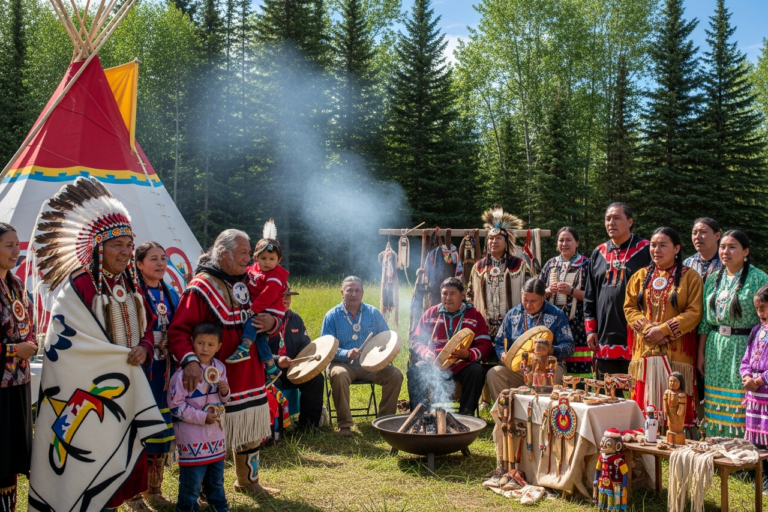
The ways of celebrating this month are as varied as first nations and indigenous cultures. People bring together loved cultural traditions with new ways of showing who they are. Many indigenous communities plan events that remember the past and honour the group’s special background. You may see powwows, old ways of drumming and dancing, meeting to listen to Elders tell stories, or taking part in events like smudging.
In bigger towns and cities, the events mix the past and now. Across Canada, cities and local Indigenous groups team up to run festivals, music shows, art displays, and movie nights. The assembly of first nations and other large groups may help support or talk about these events. Some may be as big as a national conference about important topics for indigenous communities. Others are small get-togethers in your neighbourhood.
If you want to get involved, you can:
-
Attend a local powwow or a cultural festival.
-
Go to an Indigenous art show or a museum display.
-
Take part in an online workshop or watch movies by indigenous creators on places like the national film board of canada.
Honouring First Nations, Inuit, and Métis Peoples
It’s good to remember that the word “Indigenous” is used to talk about many different groups. National Indigenous History Month is for learning about, and honouring, the unique cultures and stories of First Nations, Inuit, and Métis peoples. Each group has its own language, way of life, and way of leading.
During June, people are asked to learn about the special history and ways of these groups. Knowing about their differences helps us understand and respect the Indigenous history on Turtle Island better. In the next parts, you will get to see some of the unique cultures and good things these communities have done.
Unique Cultures and Contributions
The contributions of Indigenous peoples to Canada are big and cover every area, like the arts, science, politics, and care for the land. The diverse cultures that come from First Nations, Inuit, and Métis people have made Canada a richer place for thousands of years. Their traditional knowledge gives us unique perspectives about the earth, and how to live well with it.
To show respect to these unique cultures, we should work to learn about them. You can do this by reading books from Indigenous authors, finding out what different kinds of art mean, or understanding the political and social history of different nations. Places like the University of Alberta have courses and resources that let people find out more about Indigenous studies. This helps everyone understand the contributions of Indigenous peoples.
Some simple ways to learn about and honour these contributions include:
-
Supporting Indigenous-owned businesses and local artisans.
-
Learning the history of the land you are on and which treaties affect your region.
-
Helping speak up for the rights of Indigenous peoples and supporting projects started by Indigenous communities.
Notable Stories and Achievements
National Indigenous History Month is a great time to learn about the stories and successes of Indigenous peoples. The achievements range from talented artists and athletes to strong leaders and smart thinkers. These stories often show us resilience, artistic skill, and their deep link to culture.
Many events and resources help share these high points. You can check out the National Film Board of Canada’s big online selection of Indigenous cinema. These documentaries and films share personal stories of culture. They help us see into the lives and thoughts of Indigenous peoples. They also show how Indigenous women play important roles in their communities.
Here are a few examples of achievements that are often celebrated:
-
The political leadership of figures who have stood up for Indigenous rights.
-
The artistic talents of painters, sculptors, and musicians who show their heritage with their work.
-
The athletic strength of people like Tom Longboat, an Onondaga distance runner and Olympian.
Conclusion
National Indigenous History Month is an important time in Canada. It is for honouring and celebrating the stories, cultures, and ways that First Nations, Inuit, and Métis Peoples have shared. These groups have shaped the country. This month helps all of us think about the many events and people in Indigenous history that built Canada.
People can join local activities or connect with Indigenous communities. We can also learn more about their special stories and experiences. By doing these small things, we grow to understand and respect them more. When we all join in, we share the past and work toward a better future.
If you want to take part during Indigenous History Month, you can look for resources or join in community gatherings. Let’s all use this time in June to honour and highlight Indigenous communities, the contributions of First Nations, and their rich cultures—not just now, but all year long.
Frequently Asked Questions
How can individuals and communities participate in National Indigenous History Month?
You can take part by going to events in your area for National Indigenous Peoples Day. You can buy from Indigenous-owned businesses. Try reading books by First Nations authors. There are also online resources you can look at. Meeting and talking with your local Indigenous communities is a good way to learn more and show your support, not just in Indigenous History Month, but all year.
Are there special events or resources for schools during the month?
Many schools hold special events for National Indigenous History Month. The Government of Canada and other educational groups share toolkits, lesson plans, and other tools. These help students learn about the past and cultures of Indigenous communities. The goal is to make learning about indigenous history interesting for everyone.
Where can I find information about local Indigenous History Month activities?
To find events near you, go to the websites of your city government, local friendship centres, and other Indigenous groups like the Assembly of First Nations. Native Land is another site that can tell you about the first nations in your area. On these sites, you may find local event listings for your community.