Key Highlights
-
Litha is a pagan holiday that comes during the summer solstice. It is the longest day of the year.
-
The wheel of the year marks this as an important time. People honour the power of the sun at its highest.
-
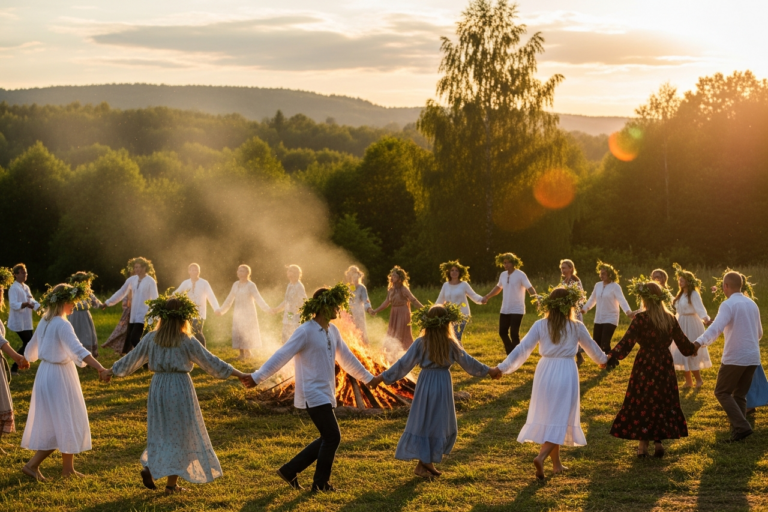
You can feel the joyful energy of Litha by taking part in ancient traditions. Some do bonfires, dancing, or just get close to nature.
-
Many Litha rituals are about honouring the Oak King and the Green Man.
-
To show the energy of Litha, people use bright colours, flowers that grow in the season, and sun decorations.
-
This celebration is also a turning point. After this day, the days start to get shorter.
Introduction
Welcome to the heart of summer. This is when the sun is at its highest point in the sky. Canada’s Pagan and Wiccan groups get ready for Litha. This is the midsummer solstice. The festival is full of light, joy, and plenty. It is not just a party. It is a reverent celebration of nature and the sun’s strong energy.
Are you ready to feel the joyful energy of Litha? You can join in and mark this day in your own way. Let’s step into the light and enjoy the heart of summer together.
Understanding Litha and the Summer Solstice in Canada
Litha is celebrated around June 21st in the Northern Hemisphere. It marks the summer solstice. This is the longest day of the year. We get the most daylight, as the sun is at its peak.
For Pagans and Wiccans in Canada, this day is very important. It is a big moment in the cycle of the year. People come together to honour the summer solstice and the longest day. It’s a way to celebrate growth, good things, and all the bright life around us. The next sections will go into the old roots and strong meanings behind this day.
The Origins of Litha in Pagan and Wiccan Traditions
Litha has deep origins from ancient times. Early European Pagans started these customs. Long before modern times, people knew the sun’s cycle was important. The summer solstice was a day for big celebration and spiritual power. On this day, they honoured the sun, which was at its strongest. These ancient traditions understood that the sun gives life, warmth, and abundance for the harvest coming up.
The word “Litha” is thought to come from an Anglo-Saxon word that means “midsummer.” While many ancient cultures had their own ways to mark the summer solstice, modern Pagans and Wiccans still keep these traditions. They bring back old practices, and the spirit lives on. The history links directly to the earth and sun’s rhythms and does not break that bond.
This festival forms one of the main parts of Pagan belief. People celebrate Litha to mark the peak of the sun’s power. They say thanks for all that nature gives, and they note this turning point in the year’s natural cycle.
The Symbolism of the Midsummer Solstice
The midsummer solstice has a deep meaning. It is the brilliant peak of summer, when the sun shines at its strongest. The summer solstice is also called Litha by Pagans; both names talk about the same day. This day is the longest day and shortest night of the year. It brings a perfect balance, but after this, things start to change.
The solstice is a turning point. We celebrate the sun at its highest, but we know the light will now begin its slow retreat. From this day on, days get shorter and nights get longer. That is the move into the darker half of the year. This mix of joy and knowing change is coming is a big part of what the holiday means.
The energy from the solstice makes it an ideal time for rituals. People use this moment for growth, passion, and change. They try to bring the sun’s bright energy into their lives before it fades away. It is about making the most of good times while you can.
Connection Between Litha and the Wheel of the Year
Litha is one of the eight big festivals on the Pagan and Wiccan calendar, called the Wheel of the Year. The year is marked by the movement of the sun, and the days we celebrate fall on the summer solstice, winter solstice, spring and fall equinoxes, plus days right in between. Litha is the summer solstice, and it sits across from Yule, which is the winter solstice, on the wheel of the year.
This pagan holiday comes after May Day, which is called Beltane, and happens before the first harvest and fall festival. Each festival in this cycle shows a phase in nature and in the story of the God and Goddess. On Litha, the Sun God is at his strongest, and the Goddess is full and expecting, like the earth growing more for all.
Many people have marked the summer solstice for thousands of years. One well-known sunrise celebration still happens at the ancient monument of Stonehenge. Litha is a time for people to honour the season right at its peak, when the year has the most sun, light, and life, before we begin to see the start of autumn.
[summer solstice], [wheel of the year], [pagan holiday], [may day], [ancient monument of stonehenge]
Key Beliefs and Spiritual Meaning Behind Litha
The essence of Litha is about the power of the sun. Litha comes with joyful energy that is more than only a long day. It brings a time where we see the peak of light, life, and abundance in the natural world and in us.
The fundamental aspects of this celebration come from ancient traditions. These practices honour nature and its cycles. At this time, people feel gratitude, think about how they have grown, and make plans for what they want to do in the next months. The next parts will talk about themes of abundance, some main deities, and the meaning of light.
Honouring Nature’s Abundance
A big part of Litha is to show thanks for the natural world. When you look around you, it is easy to see that everything is full of life. There are flowers that have grown everywhere, and there can even be early signs of a fruitful harvest. In Pagan belief, this is the best time to get close to the earth and say thanks for all that it gives. It is the right time to notice the green trees, flowers, and the strong, good energy that you feel in the air.
You can bring these ideas into your life and your family. The main thing is to spend time outside. Go for a walk in the park, take care of your garden, or just sit out in the sun for a little while. Doing these things helps you stay in the moment and be glad for this time of year.
Try these easy ideas to honour the abundance in nature:
-
Go for a walk outside and pick up fallen leaves or flowers (ask if needed) for your altar.
-
Pack a picnic for your family with fresh fruits and vegetables from this season.
-
Look after your houseplants or garden with extra care.
-
Put out water or some seeds for birds or other animals in your yard.
Deities and Spiritual Energies Associated with Litha
Litha is a time when the mythic battle between the Oak King and the Holly King takes centre stage. The Oak King, who has reigned since the winter solstice, is at the height of his power. This leafy figure represents growth, expansion, and the vibrant life of the summer months. He is the ruler of the waxing year, the period from winter to summer when the days grow longer.
However, at Litha, the turning point arrives. The Holly King, ruler of the waning year, challenges and defeats the Oak King, taking the throne. His reign will now oversee the shortening of the days until the winter solstice, when the Oak King will be reborn. This story is a powerful allegory for the sun’s cycle. The festival also honours sun gods from various pantheons, like Apollo and Lugh, as well as fertility goddesses like Gaia and Freyja. The Green Man is another potent symbol of nature’s vitality during this time.
|
Deity/Figure |
Role in Litha |
|---|---|
|
The Oak King |
Ruler of the waxing year, reaches his peak power. |
|
The Holly King |
Ruler of the waning year, defeats the Oak King at Litha. |
|
The Green Man |
A symbol of nature’s untamed vitality and rebirth. |
|
Sun Gods |
Deities like Lugh, Apollo, and Helios are honoured for their connection to the sun. |
|
Goddesses |
Figures like Brigid and Gaia represent fertility and the earth’s abundance. |
Themes of Sun, Light, and Renewal
The main ideas of Litha are the sun, its light, and how they bring renewal. It is the longest day of the year, and the sun’s strength is at its highest. People celebrate this time to honour and use the energy of Litha. The light of the sun is more than just a physical thing. It also stands for happiness, success, clarity, and life.
Litha is about enjoying this time of maximum light before the days start to get shorter. It is a good moment for new beginnings and personal growth. The energy of Litha can help you set clear goals, work hard toward them, and celebrate what you achieve. On this longest day with the shortest night, there’s a perfect balance that feels special and magical.
Many people choose to have handfastings or weddings during Litha. It is a traditional time for expressions of commitment. When you make promises now, people believe they will have strength and last. This is a chance to renew your vows, not just with a partner, but with yourself and your own path.
Traditional and Modern Litha Rituals Practised in Canada
From coast to coast, there are many Canadian Pagans and Wiccans who take part in Litha rituals. They blend old ways from ancient European solstice celebrations with things from our own time. The way people celebrate now shows both modern times and the settings they live in.
The main idea is to use the joyful energy of Litha. People do this through being with others, looking within, and feeling close to nature. Some do these Litha rituals with a group, while others do them alone. These ways of celebrating show respect for the sun at its highest point and all the good things of summer. Take a look at some of the most common customs here.
Bonfires, Dancing, and Sunrise Gatherings
Fire is known as a powerful symbol of the sun, and it makes sense that bonfires play a big part in Litha. The element of fire stands for passion, the act of making things clean, and the sun’s life-giving warmth. For many people, coming together by a big bonfire is a joyful way to celebrate the longest day. At these bonfires, you’ll often hear drumming, singing, and see dancing as people show their respect for the sun at its strongest.
One thing that people also love to do at this time is get up very early and watch the first light of dawn. Meeting with others to look at the sunrise on the longest day of the year can turn into a deep and meaningful experience. It is calm and full of respect. People use this time to think about the power of the sun and to make plans for the time that is to come.
These are some fire and light rituals that people do for Litha:
-
Lighting a big bonfire so the community can come together and enjoy.
-
Jumping over the glowing pieces of wood to get blessings that help clean the spirit and wish for new life.
-
Putting candles, yellow or gold, on an altar to show the sun.
-
Meeting on top of a hill or next to water so everyone can watch the solstice sunrise and see the first light of dawn.
Rituals for Families and Children
Litha is a great time for families to start new traditions that mean something. You can show your loved ones what this holiday is about in a way that is fun and brings everyone close. Let them enjoy nature and the seasons in their own terms. The main things should be joy, coming up with new ideas together, and spending good time outside. You do not need any hard rituals to make memories. The simple things people do, often become the ones they remember.
This sabbat is also a time to mark big moments in life. In the past, it was known for weddings and sacred unions. Today, you can use it to celebrate things like family milestones and say thanks for each other too. Litha is a good time to think about your family, start again if you need, or just share some love when the sun is bright and full.
Here are some easy Litha ideas for families:
-
Make flower crowns together using blooms from this time of year.
-
Have a picnic and bring foods that fit Litha, like honey cakes and fresh berries.
-
Share stories about the sun, the Oak King, and the Holly King.
-
Make suncatchers or sun wheels to put in your windows or in the garden.
Water Magick and Offerings to Nature Spirits
While fire is big at Litha, water is also important. Water helps keep things balanced. People often use water magick to show respect for the balance in nature. You can do this by taking a ritual bath with summer herbs like lavender or rose petals. You might also go to a lake, river, or the ocean. Taking a dip in cool water on a hot day feels good, and it can also help clean you inside, in a spiritual way.
People say that Midsummer is a time when the line between our world and the world of the Fae, or nature spirits, is thin. There are ancient traditions that people use to deal with these spirits, since they can be a bit mischievous. They also wanted to guard against evil spirits. A common way to offer thanks is by leaving little gifts or offerings.
You can put out things like milk, honey, or shiny trinkets in your garden or some other close-by natural spot. Doing this shows that you know and honour the energies of the land. It helps build a good relationship with these spirits, and it is also a way to thank the spirits for everything you get during this time. This can help win their good will for the season.
Decorating Altars and Homes for Litha Celebrations
Decorating for Litha is to bring the bright energy from outside into your home. Your living space and the place you choose to honour Litha should show the season’s abundant blooms and the strong light of the sun. Try to make everything look bright, cheerful, and full of life.
Fresh flowers are something you want for sure. You can put them in vases, weave them into floral wreaths, or wear them as flower crowns. The main goal is to have many things around you that show summer’s beauty and how full of life things can be at this time. Up next, you will find ideas for colours, crafts, and other ways to get your space ready. You will find them helpful to use.
Popular Litha Colours, Flowers, and Crystals
When you set up your altar or home for Litha, think about the sun. Pick colours that are bright, warm, and full of energy. Use yellows, golds, oranges, and reds for the element of fire. Strong greens show how the earth is full of life, and blues let you feel like the clear sky is in your room. It is the ideal time to bring these colours out in your space.
Fresh flowers help catch the spirit of the brilliant peak of summer. Sunflowers, roses, marigolds, daisies, and lavender are great for this. Put them in vases, set loose petals on your altar, or make floral wreaths to hang by your door.
If you want to boost that feel of solar power, add some crystals that go well with the sun.
-
Colours: Yellow, gold, orange, green, blue.
-
Flowers: Sunflowers, roses, lavender, marigolds, daisies.
-
Herbs: St. John’s Wort, chamomile, mint, lemon balm.
-
Crystals: Citrine, sunstone, tiger’s eye, amber, carnelian.
DIY Craft Ideas for Midsummer Solstice
Getting crafty is a great way to connect with the energy of Litha. These easy craft ideas are good for showing off the season’s abundant blooms and let you add your own style. Making decorations with your hands brings your own energy and intent into them.
One of the most well-known Litha crafts is making flower crowns. You can use fresh flowers and greens that are in season. Weave them together to make a pretty headpiece that shows the spirit of midsummer. This is fun for all ages and a nice way to dress up for your celebrations.
Here are a few more easy craft ideas for Litha:
-
Sun Wheels: Weave twigs, grasses, or colourful ribbons into a sun cross shape. Hang it up as a symbol for protection.
-
Suncatchers: Use coloured glass, beads, and crystals to make a suncatcher. When sunlight hits, it brings rainbows into your home.
-
Citrus Ornaments: Cut oranges and lemons into thin slices. Dry them in the oven at low heat. Then string them into garlands to represent the sun.
-
Salt Dough Suns: Make a simple salt dough. Shape it into suns and paint them with bright solar colours to hang around your home.
Music, Chants, and Recipes Shared During Litha
Music and food play a big part in the joyful energy of Litha. At this time, you often hear drumming, singing, and happy words that honour the sun and earth. The music is fast, full of good energy, and gets people to dance. This helps to raise the energy of the group. People often use chants that are easy to say, using just a few words about giving thanks for the sun, light, and life.
Food at Litha shows off the best of this season. Dishes use fresh food full of flavour, and with the warmth of the sun. Honey is popular for its sweet taste, and it stands for the sun’s gift. It is used to make cakes and mead. Fresh berries, the season’s greens, and grilled food are also top choices for the feast at midsummer.
Here are a few things you can add to the energy of Litha in your own way:
-
Music: Put together songs that are lively, folk, or just simple music. Playing drums and singing in person also fit with the old ways.
-
Chants: Try easy words such as “Hail to the sun, the light of the world!” during your ritual.
-
Recipes: You can bake honey cakes, make fresh berry pie, toss a big salad with what’s green and season, or grill food on the BBQ.
-
Beverages: Fresh lemonade, sun tea, or mead made at home
Conclusion
As we get ready for the lively celebration of Litha, it is good to know why this day matters a lot for Pagan and Wiccan people in Canada. Litha, the midsummer solstice, is more than just a fun event. This day is a chance to think about the beauty and gifts of the natural world, feel the spirit all around us, and join in on old customs that help tie us together. When you stand by the bonfire or make your own altar pieces, you can feel the true essence of Litha. This is a time to enjoy light, new beginnings, and peace with the natural world. As you get set for this happy event, take some time to think about what these shared moments mean in your life and for those around you. If you want to know more about Litha or want tips on how to add these events to your family time, this can be your chance to talk and learn more!
Frequently Asked Questions
Can I celebrate Litha even if I’m not part of a coven?
Absolutely! Many modern pagans like to celebrate on their own. Litha is a pagan holiday that can feel very special by yourself. You can choose your own way to enjoy it. You might want to spend time in nature, decorate an altar, cook a special meal, or sit and think about the sun’s power. All of these can help you connect with the happy energy of this time, in your own way.
What foods are traditionally served for Litha in Canada?
Litha feasts in Canada are all about this time’s flowers and the start of a fruitful harvest. People like to use things like strawberries, blueberries, and greens that are new and come from close to home. Some of the favourite foods at these feasts are honey cakes and grilled food cooked on a BBQ. For drinks, many enjoy mead or fresh lemonade.
How do I introduce Litha traditions to my family?
Litha can be a great time for families to enjoy the outdoors and have fun together. You can make flower crowns, go for a picnic in the park, tell stories about the sun, or bake honey cakes with your loved ones. It is a special day to celebrate summer and be with family. Let everyone join in and find their own way to enjoy Litha’s happy feeling on their own terms.