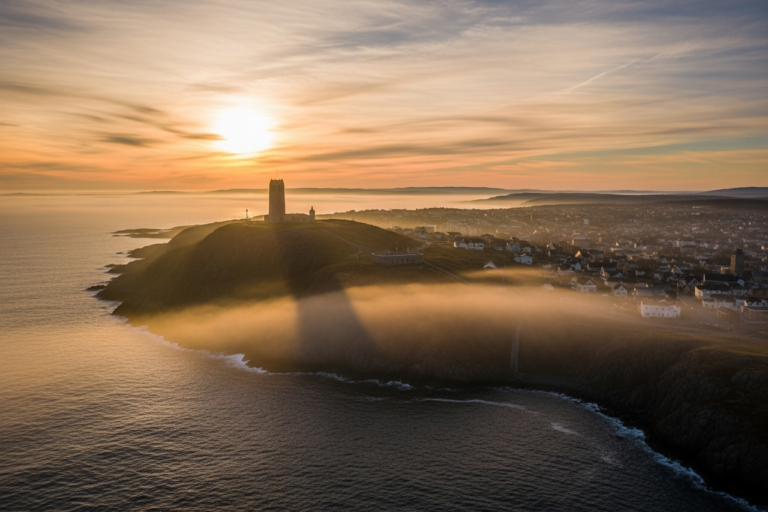
Key Highlights
-
Discovery Day in Newfoundland and Labrador is a June holiday. It started as a way to remember John Cabot’s arrival, but now it is about the province’s long and proud past.
-
Many people get a day off on this statutory holiday. It’s a time to think about Newfoundland and Labrador’s heritage, like the anniversary of the discovery of gold.
-
People in different parts of Canada do things their own way. For example, Yukon has its own Discovery Day in August to remember the Klondike Gold Rush.
-
There are lots of community events, festivals, and classes in Newfoundland and Labrador during the June holiday.
-
People keep talking about what the holiday means. They look at its past and also talk about what it stands for now in Canada.
Introduction
Every year when the weather starts to get warm, people in Newfoundland and Labrador mark a special June holiday called Discovery Day. So, what is this june holiday really about? For many, it is just a good break from work, but the reason for Discovery Day goes far back into the old history of the province and even all of canada. This day lets us think about stories of looking for new places, gold rush times, and changes in the way of life here. Here is a look at what Discovery Day 2026 means for newfoundland and labrador, and how this june holiday stands beside other days people celebrate in canada.
The Origins and Evolution of Discovery Day in Newfoundland and Labrador
Discovery Day in Newfoundland and Labrador goes back many years. At first, it was made to remember when explorer John Cabot came to North America in 1497. For a long time, people marked this day mainly for that reason.
But as the years went by, the meaning of the day changed. Now, it also honours other big moments, like the anniversary of the discovery of gold. This big find started a local gold rush. Because of this, the story of the holiday in Newfoundland and Labrador grew. It’s not just about one event now, but about many times that changed this place. We will look at the events that shaped the holiday and how its name changed over the years.
Historical Events That Shaped the Holiday
The first big event that started Discovery Day was John Cabot’s landing in Newfoundland and Labrador in 1497. People in Canada have seen this as the “discovery” of those lands by Europeans. That idea is what led to the holiday and it made Discovery Day about the start of Europe’s presence in the area.
But the story of “discovery” isn’t the only thing that gets remembered on this day. It is also about the anniversary of the discovery of gold in Newfoundland and Labrador. This gold rush in the province may not be as well-known as the Klondike, yet it was an important part of local history. It helped to shape both the economy and the way people live there.
Both of these histories matter. One comes from European exploration, and the other comes from finding new resources like gold. Together, they made the holiday what it is now. Discovery Day brings people back to those key moments that helped Canada, Newfoundland, and Labrador grow and become what they are today.
How Discovery Day’s Name and Meaning Have Changed Over Time
The name and purpose of this june holiday have changed over time because people see things differently now. At first, it was mostly about Cabot’s arrival, but both the name and how people mark the day have become topics people talk about a lot. More and more, there is a push for a new name that works for everyone and better shows the different peoples and stories in the province.
Because of this, the way people think of the public holiday is changing. The focus is not just on one part of history anymore. Now, people use the day to remember all of newfoundland and labrador’s history, like their Indigenous roots and major events that matter to them. The statutory holiday is held on the monday close to june 24th, and it is still changing.
As people’s thoughts grow and move forward, the meaning behind Discovery Day is still growing as well. More people from different walks of life are part of the conversation now. That means the holiday can mean more to many groups who call newfoundland and labrador home.
How Discovery Day Is Celebrated in Newfoundland and Labrador
On this public holiday in June, people in Newfoundland and Labrador have many ways to take part in observances. The june holiday is a good time for family, friends, and neighbours to come together. Many people use this special day to celebrate their heritage and welcome the start of summer. You can see different traditions and festivals across the province on this day.
The june holiday brings things like community barbecues and local parades. Every celebration shows what makes each town different and special. People don’t just take part in big events, but they also get time to learn and get involved. There are opportunities for everyone to join or find out more. Here’s a look at some of the traditions and learning events you can find during the june holiday.
Traditions, Festivals, and Community Activities
The traditions for Discovery Day in Newfoundland and Labrador are part of the community’s way of life. This June holiday is a time when people in the area get together for festivals and special events. It is a chance for everyone to enjoy, talk about local history, and make the most of the long weekend with friends and family.
Most towns and places set up their own events for this day. The types of celebrations can change from one place to the next. But, many have the same focus—to show the culture, heritage, and spirit of Newfoundland and Labrador. At these events, you will find things to do for people of all ages.
Some things you will often see in the community are:
-
Local parades that let groups show what is special about them and history-themed floats.
-
Outdoor concerts where bands play music for everyone.
-
Picnics and barbecues that are family-friendly and held in public parks.
-
Storytelling and old-time action shows that take you back in history.
-
Fireworks at night to end the june holiday in a bright way.
This is what makes Discovery Day a good time to come together and have fun in Newfoundland and Labrador.
Educational and Science-Focused Events in 2026
While community festivals play a big part in the holiday, Discovery Day gets people across Canada thinking about learning. This is true in Newfoundland and Labrador, too. In 2026, there will be programs made for people of all ages. Many will focus on science and tie into the idea of “discovery.”
Places like museums, science centres, and universities run special events at this time. For example, the University of Manitoba puts on “Discover Days” for students. This event could give ideas to others in different parts of the country. These types of events want to make learning about science and history fun and open for everyone, especially young people.
In Newfoundland and Labrador, you can look for workshops, talks, and hands-on displays. These will teach people about the place’s special geology and its sea history. These learning events are another way to take part in Discovery Day. They help us spark interest in the world and bring new things to know about Canada’s past and present.
Discovery Day Across Canada—Comparisons with Yukon and Other Provinces
While Newfoundland and Labrador marks its Discovery Day on the Monday nearest June 24th, this is not the only spot in Canada with a holiday of that name. Yukon also has its own Discovery Day. But in Yukon, it is about a very different time in the past. Yukon’s holiday remembers the Klondike gold rush. People there celebrate it in August. The day is about the miners who rushed to Dawson City and took part in the gold rush.
This main difference shows how the same name can mean something new in each place. There can be other dates and ways to enjoy Discovery Day, depending on the province. Let’s look at the way people celebrate and what people say about these holidays all around Canada.
Differences in Observance Dates and Regional Customs
The most obvious difference in Discovery Day observances is the date. In Newfoundland and Labrador, the holiday falls on the Monday nearest June 24th. In contrast, the Yukon celebrates its Discovery Day on the third Monday of August, commemorating the 1896 gold discovery that triggered the Klondike Gold Rush.
The customs also vary significantly. Yukon’s celebrations are centered in Dawson City and are filled with gold rush-themed events, like parades and can-can demonstrations. It’s a lively tribute to the prospectors. Elsewhere in Canada, some institutions use the “Discovery Day” name for educational open house events, often held in April, October, or November.
Here is a quick comparison of the two main provincial holidays:
|
Feature |
Newfoundland and Labrador Discovery Day |
Yukon Discovery Day |
|---|---|---|
|
Date of Observance |
Monday nearest June 24 |
Third Monday in August |
|
Historical Commemoration |
John Cabot’s 1497 arrival and provincial history |
Klondike Gold Rush of 1896 |
|
Associated City |
St. John’s and various communities |
Dawson City |
|
Typical Activities |
Community festivals, historical events |
Gold rush parades, arts festivals, races |
Public Perception and the Holiday’s Significance Nationwide
Outside the provinces where Discovery Day is an official public holiday, it does not stand out as much. Most parts of Canada do not treat it as a statutory holiday. The ways people mark the day depend on the region. People also view the holiday in different ways, often based on what they know about local history.
Lately, the name “Discovery Day” has made people talk about history and what stories we tell. Some say the word “discovery” is a problem, because it ignores the fact that Indigenous people have been here for a very long time. Because of this, people are rethinking what this public holiday should mean. Many want their observances to be open to more stories and honor a bigger, shared history.
So, what Discovery Day means is changing. It is not just about one moment in history now. The day is starting to focus on the many stories that shape different parts of Canada. As time goes by, people still talk about how this public holiday should be marked, and what it means for all of us.
Is Discovery Day a Statutory Holiday and Who Benefits?
Yes, Discovery Day is a statutory holiday in Newfoundland and Labrador. The provincial government marks it as an official public holiday. It is always on the Monday in June closest to when Cabot landed. Many workers get a paid day off for this public holiday.
But not all people in the province get to enjoy the long weekend. The day off can depend on what their work is and what is set in their job contract. In this guide, we will show who usually gets this day off and what the effect is on daily life in Newfoundland and Labrador.
Who Gets the Day Off in Newfoundland and Labrador
Discovery Day is a statutory holiday in Newfoundland and Labrador. On this day, many people in the province get a day off work. This holiday is usually on a Monday. Government workers and people in provincially regulated jobs are given the day off. Public schools are closed, so students and teachers get a break too.
Some private businesses also close for Discovery Day. This allows staff to have time with family, join community events, or just enjoy a long weekend. But not everyone will have the day off. People who work in retail, hotels, and other important jobs may still need to work on this statutory holiday.
If you have to work on this day in Newfoundland and Labrador, the law says you should get holiday pay. The first idea for this day came from honouring explorers and miners. Now, it really helps people who work in the province by giving them an official day to rest.
Impact on Businesses, Schools, and Public Life
The impact of Discovery Day as a public holiday is clear in Newfoundland and Labrador. On the Monday nearest June 24th, you can see the change everywhere. Many schools and government offices close for the day. Life gets a bit slower. Many families take this time for short trips or go to local events.
Businesses feel it in different ways. Shops and places for tourists can get busy. Many people go out to eat and shop. Some other businesses close, so their work stops for a day. It is a trade-off that comes with any statutory holiday.
This day gives everyone in the province a break from the usual work and school week. It helps people come together, enjoy the time, and feel good about what makes Newfoundland and Labrador special.
Conclusion
To sum up, Discovery Day is a big part of Newfoundland and Labrador’s story. It helps us see how the area’s way of life and the feeling of togetherness have changed. The celebrations and events on this day do more than just look back at the past. They help people feel like they belong right where they are. When we think about Discovery Day 2026, it’s good to notice that people around Canada mark this holiday in their own ways. These newfoundland and labrador traditions show what matters to each place and how folks feel about it. You can join local events or just stop for a bit to think about why this day is important. Taking part in Discovery Day helps us all know more about Canada’s story. If you want to find out more or get involved, look up events and programs nearby.
Frequently Asked Questions
Why is Discovery Day significant to Newfoundland and Labrador’s history?
Discovery Day matters because it remembers big times in what happened in Newfoundland and Labrador. At first, it was made to remember when John Cabot came in 1497. Now, it also reminds people about things like the province’s gold rush. This lets everyone think about the wide history and strong past of Newfoundland and Labrador in Canada.
Has the meaning of Discovery Day changed in recent years?
Yes, the meaning of the public holiday has changed. People are talking about giving it a new name to make it more open for everyone. The observances for this statutory holiday now often cover more of the province’s history, not just the anniversary of the discovery of gold. This way, the holiday shows more of what the province and its people have been through over time.
Where can I find Discovery Day events or programs in my area?
To know about Discovery Day events in Newfoundland and Labrador, go to your town’s website or look on local community pages. Many towns in Canada put together festivals and other things for people that weekend. Local news usually shares a list of what’s going on in the province for the holiday.