What Is the Cost of Living in Japan on a Canadian Salary? (Quick Answer)
Monthly costs for a Canadian in Japan range from roughly $1,600 CAD in Fukuoka to $3,100 CAD in central Tokyo, covering rent, groceries, transport, and healthcare, at the Bank of Canada’s September 9, 2026, rate of about ¥111 per CAD. The cost newcomers most underestimate is the one-time move-in setup, which can run $3,000–$6,000 CAD before month one even starts.
TL;DR
- Tokyo runs $2,300–$3,100 CAD a month; Osaka, Kyoto, and Fukuoka are roughly 25–40% cheaper.
- Day-to-day costs are often lower than in Toronto or Vancouver, but salaries tend to run lower too.
- The most overlooked factor: one-time move-in fees, which can add $3,000 CAD or more upfront.

Japan vs Canada Cost of Living: How They Compare
Toronto and Vancouver are among Canada’s priciest cities, so comparing them to Tokyo rent for Canadians says more than Canada’s cost of living as a whole.
| Category | Toronto (CAD) | Tokyo (CAD) | Notes |
| Rent, 1-bedroom | $2,009–$2,256/mo | $965–$1,785/mo | Tokyo spans outside-centre to city-centre; Numbeo, Sept. 2026 |
| Daily costs, excl. rent | ~$1,466/mo | ~$1,300/mo | Groceries, dining, transport; Numbeo, Sept. 2026 |
| Average net salary | ~$5,204/mo | ~$4,175/mo | At ¥111 = $1 CAD; Bank of Canada, Sept. 9, 2026 |
| Move-in cost | ~1 month’s rent | Often 3–6 months’ rent | Key money, deposit, agency fees (see below) |
Monthly Cost of Living in Japan by City (2026)
The following monthly budgets are for a single working resident, not a tourist. Figures are from Numbeo (September 2026), converted at roughly ¥111 per CAD. See our Japanese yen guide, since it changes.
Tokyo

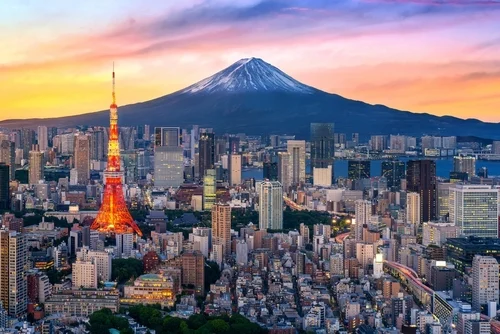
Tokyo is a fast-paced metropolis known for its efficient public transit, food scene, and relatively high housing costs.
- Rent: $965–$1,785 CAD per month, depending on the neighbourhood. Outer wards are generally cheaper than central areas such as Minato or Shibuya.
- Groceries: Part of an estimated $1,300 CAD in combined monthly living expenses beyond rent.
- Dining: Included in the roughly $1,300 CAD estimate; Tokyo offers options ranging from inexpensive neighbourhood restaurants to high-end dining.
- Transport: Included in the estimate above. Japan’s extensive rail network makes living without a car practical.
- NHI: Residents enrolled in Japan’s National Health Insurance (NHI) pay premiums that vary according to factors such as income and household circumstances.
- Miscellaneous: Budget for utilities, mobile service, household purchases, and entertainment in addition to core expenses.
Tokyo may feel expensive by Japanese standards, but its transit system can eliminate many of the costs associated with owning and operating a car; GaijinPot Housing and UR Housing can also be useful starting points for foreign residents looking for accommodation.
Osaka

Osaka, Japan’s third-largest city, combines big-city amenities with generally cheaper housing than Tokyo.
- Rent: Around $723–$997 CAD per month.
- Groceries: Part of approximately $1,088 CAD in other monthly living costs.
- Dining: Included in the $1,088 CAD estimate, with Osaka particularly well known for its casual and affordable food scene.
- Transport: Included in the broader living-cost estimate, with extensive rail and subway connections reducing the need for a car.
- NHI: Premiums depend on factors including income and household circumstances.
- Miscellaneous: Allow extra for utilities, phone service, entertainment, and personal expenses.
Osaka can offer a lower-cost alternative to Tokyo while retaining the transit, dining, and urban conveniences Canadians moving to a major Japanese city may be looking for.
Kyoto

Famous for its temples and cherry blossoms, Kyoto combines historic neighbourhoods with a substantial tourism economy.
- Rent: Around $467 CAD per month outside the centre and closer to $798 CAD for central accommodation, where tourist demand can put additional pressure on prices.
- Groceries: Costs vary according to shopping habits and neighbourhood.
- Dining: Everyday dining can be relatively affordable, although restaurants in heavily visited areas may cost more.
- Transport: Kyoto has rail, subway, and bus services, although getting around can differ from the extensive commuter networks of Tokyo and Osaka.
- NHI: Premiums vary according to factors such as income and household circumstances.
- Miscellaneous: Plan for utilities, mobile service, household goods, leisure, and other personal expenses.
Kyoto’s smaller international community may mean fewer English-language resources than Tokyo, so newcomers may need more Japanese-language support when arranging housing and everyday services.
Fukuoka

Located on the island of Kyūshū, Fukuoka is known for its ramen culture, fresh local produce, and comparatively affordable big-city lifestyle.
- Rent: Approximately $364–$670 CAD per month, making housing notably cheaper than in Tokyo based on the figures above.
- Groceries: Costs vary, with access to fresh local produce and regional food markets providing plenty of shopping options.
- Dining: Fukuoka’s food culture includes inexpensive options such as ramen shops and yatai street-food stalls.
- Transport: The city has subway, rail, and bus networks, while its relatively compact size can make everyday travel manageable without a car.
- NHI: Premiums depend on income, household circumstances, and other applicable factors.
- Miscellaneous: Factor in utilities, telecommunications, entertainment, and household expenses beyond rent and food.
Fukuoka’s lower rents can make it appealing to Canadians looking to reduce their monthly costs, though anyone planning to work remotely from Japan should make sure their immigration status permits their intended work arrangements.

One-Time Costs of Moving to Japan from Canada
Before your monthly budget starts, a move from Toronto or Vancouver to Tokyo typically involves:
- Key money (reikin): 1–2 months’ rent, non-refundable
- Security deposit (shikikin): 1–2 months’ rent, partly refundable
- Agency fee: about 1 month’s rent
- Furniture and basic setup: $800–$2,000 CAD
- Flight from Toronto or Vancouver: $900–$1,800 CAD
- Shipping or storage: $500–$2,500 CAD
You may need a guarantor, deposit, and agency fees when signing a lease. Altogether, a move to Tokyo can cost $3,000–$6,000 CAD upfront, though some platforms, like GaijinPot Housing, list apartments that waive key money.

What Canadians Need to Know Before Leaving: Financial and Healthcare Considerations
Visa paperwork (our guide to visas in Japan) comes first; a few financial and healthcare details are easy to miss:
- Provincial health coverage: rules vary, but Ontario requires 153 days of physical presence in a 12-month period, and an absence over 212 days can end OHIP eligibility.
- Health insurance in Japan: Japanese residents qualify for National Health Insurance (NHI), but non-residents must arrange private coverage. Once you have a Japanese address, you can enrol through your local city or ward office, such as through Shinjuku City’s guide for foreign residents, which explains how the process works in Tokyo. Premiums are income-based, and patients pay 30% of medical costs, with a cap on out-of-pocket expenses.
- Taxes: moving abroad changes your Canadian tax residency; a cross-border specialist can clarify what you owe the CRA and Japan.
- TFSA: you can keep an existing TFSA as a non-resident, but the CRA bars new contributions and taxes any made at 1% a month.
- RRSP: non-resident withdrawals generally face withholding tax; a treaty may adjust the rate, so confirm with the CRA first.
- CPP and OAS: CPP payments typically continue abroad; OAS usually needs 20 years of Canadian residence since age 18 to continue indefinitely.
This isn’t personalized financial or tax advice. A cross-border advisor can confirm how these rules apply to you.
Frequently Asked Questions About the Japan cost of living for Canadians
How much does it cost to live in Japan per month as a Canadian?
Budget roughly $1,600–$3,100 CAD a month, depending on city and lifestyle: Fukuoka and Kyoto sit at the lower end, Tokyo at the higher end.
Is Japan cheaper than Canada to live in?
It depends what you compare. Rent, groceries, and transit are often lower than in Toronto or Vancouver, but salaries and upfront costs run higher.
Do Canadians need health insurance to move to Japan?
Yes. You’ll lose coverage like OHIP once you leave, and Japan’s National Health Insurance usually isn’t available until you have a residence card. Private interim coverage bridges the gap.
What is key money in Japan and do Canadians have to pay it?
Key money, or reikin, is a non-refundable landlord payment, often 1–2 months’ rent, paid at signing. Some foreigner-friendly apartments waive it.
Which Japanese city is the most affordable for Canadians?
Fukuoka is typically the least expensive major city in terms of Japan expat costs, with Osaka close behind. Both have smaller expat communities, so English-language services are scarcer.
Can Canadians use their TFSA or RRSP while living in Japan?
You can keep an existing TFSA, but the CRA bars new contributions while non-resident, and RRSP withdrawals face withholding tax. Confirm your situation with the CRA.
How do Canadians send money home from Japan?
Services like Remitly send yen to a Canadian account, often faster than a bank wire. Our sending money from Canada guide compares rates and fees.
Key Takeaways: Cost of Living in Japan for Canadians
- Monthly costs range from about $1,600 CAD in Fukuoka to $3,100 CAD in central Tokyo, covering rent, food, transport, and healthcare (Numbeo, September 2026).
- Moving from Toronto or Vancouver to Tokyo typically costs $3,000–$6,000 CAD upfront in key money, deposits, agency fees, flights, and shipping.
- Leaving Canada usually means losing provincial health coverage; Japan’s NHI takes over once you’re a registered resident, but a coverage gap often comes first.
- Salaries for common roles tend to run lower than equivalent Canadian pay, even as daily costs run lower too.
- Our budgeting guide can help: aim for 3–5 months of expenses saved before you move.
Conclusion
Japan’s monthly cost of living often comes in below what you’d pay in Toronto or Vancouver, but the upfront cost of moving takes real planning. Map out your first six months of expenses and a way to manage money across both currencies as you go. For the visa side, our guide on how to immigrate to Japan from Canada is a good next stop.
Last reviewed: September 2026