Key Highlights
-
Canadian citizens can go to Japan for a short visit or business. You do not need a visa if you stay less than 90 days.
-
If you want to stay more than 90 days, or need to go for work or school, you must get the right Japanese visa.
-
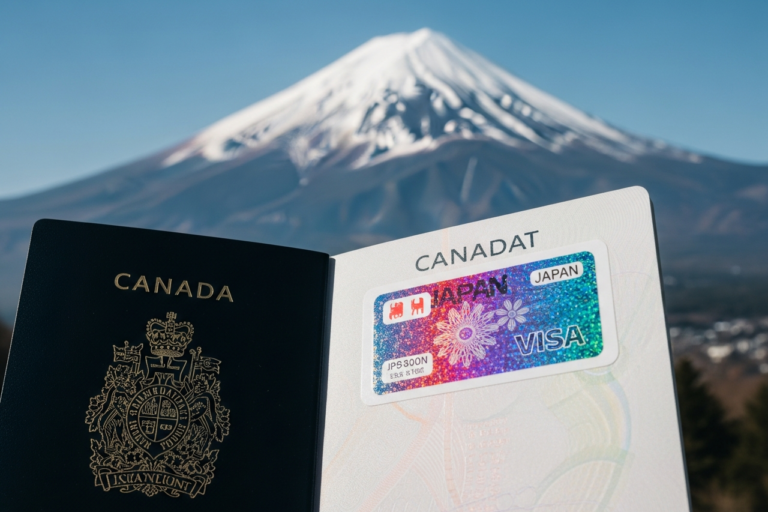
When you apply for a work visa and other long stays, you often have to show a Certificate of Eligibility from Japan.
-
Japan has a few types of visas. These include tourist, business, student, and work visas.
-
What you need to send with your application depends on the visa type. Most times, you must show a valid passport and fill out the application form.
-
It is important to know the visa requirements before you start the application process. This will help things go smoothly.
Introduction
Are you looking to visit Japan and see its busy cities or quiet countryside? If you are from Canada, you might want to know what the rules are to enter. The parts about Japanese visas may seem hard to get, but it can be easy. This simple guide will talk about the visa requirements and the visa application process. It will help you if you want a short trip or plan to stay for a long time. Knowing about your options early is the best way to start your trip to Japan, so let’s get you ready.
Overview of Japanese Visa Options for Canadians
Japan has many visa categories for foreign nationals. Each visa type is made to fit different reasons for coming to Japan and how long you plan to stay. Your status of residence decides what you can do while you are in the country. This could be things like touring, studying, or working.
If you are from Canada, there are options for both short visits and long-term stays. You can get a visa for visiting, working, or family reasons. Picking the right visa type is very important for your trip. Below, we talk about the most common options you will see.
Common Categories: Tourist, Business, and Transit Visas
If you are thinking about a short visit, you will most likely need one of three common entry visas. The tourist visa is for seeing the sights, visiting with friends, or taking some short classes. It is usually for one-time entry, and your period of stay can be up to 90 days. The business visa is for work reasons, like going to conferences, meetings, or doing market checks. You can stay for up to 90 days with this visa as well.
The transit visa is for you if you need to go through Japan to get to another place. Most people won’t need this if they just stay in the airport’s international transit area. Still, if you want to leave the airport, you may have to apply for a transit visa.
Remember, the period of stay on these short-term entry visas is followed closely. You can’t do paid work while you have one of these visa categories. Make sure that you always get the visa that fits what you want to do during your time in Japan.
Long-Term Visas: Work, Student, and Spousal Options
If you want to stay in Japan for a long time, you have some choices for visas. The work visa is made for people who have special skills or know a lot in one area. This kind of status of residence is not for simple jobs. You can get it if you work in places like engineering, teaching, or business management. Every work visa is tied to one field.
If you want to study at a school or university, you should go for the student visa. With this, you can join a Japanese school for your studies. The school needs to sponsor you so that you can get this visa. There’s also a spouse of a Japanese national visa. This is for people who are married to a Japanese citizen. It gives you status of residence and lets you work in many paid jobs with fewer limits.
All these long-term visas have a more detailed application process. You often need a sponsor in Japan to help you with the application process. These visas are usually given for a few months or can last several years. You can also extend them if you need more time.
Understanding Visa Exemptions for Canadians
Good news for Canadian people who want to travel! Canada is one of the more than 60 countries that have a visa exemption with Japan. This means you can visit Japan for a short time without needing a visa. You just come as a temporary visitor. The visa-free entry makes your travel simple. There is no long application process to worry about.
This helps Canadians who want to travel around Japan for fun or for short work trips. But you should still know the rules and limits that come with this visa-free stay. We will talk about these next.
Short-Term Stays Without a Visa
As a Canadian, you can go to Japan for business purposes or to travel without getting a visa. You can stay in Japan for up to 90 days in a row because of this visa-free rule. When you get to a Japan port of entry, like an airport or a place where ships come in, you will get “Temporary Visitor” status.
They will put a new stamp in your passport, which is an important travel document you need. For example, if you want to use a Japan Rail Pass, you need to show your passport with the Temporary Visitor stamp. If you don’t have this on your passport, you can’t get the pass.
Keep in mind, all people visiting from another country, including the ones who came without a visa, need to carry their passport with them at all times when they are in Japan. This is a rule they follow very closely, so always have your travel document with you.
Limitations and Conditions of Visa-Free Entry
When you come to Japan without a visa, it’s easy, but there are some rules. You can’t work and get paid while you are in the country. You have to travel, see people you know, or go to business meetings where you do not get any money. If you want to come to Japan to work and earn, you need to apply for the right visa before you go.
Most people can stay for up to 90 days without a visa. This is the set period of stay, and you cannot stay longer. Canadians do not have the option to make this period longer like people from some countries.
Here are the main things to know about going to Japan without a visa:
-
You can’t take any job to make money.
-
You get up to 90 days only for your period of stay.
-
You must have your Canadian passport for your whole time in Japan.
-
You have to plan to go back home when your visit ends.
Applying for a Japanese Tourist Visa
If you live in Canada and you don’t need a tourist visa for a stay of less than 90 days, that’s good. But, if you live in Canada but come from a country where you must get a visa, or if your trip does not fit the visa-exemption rules, you have to start the visa application process.
You will need to fill out a special application form. Also, you must get all the required documents. You must look at the eligibility rules and the document checklist. Then, you will be ready to move ahead with your visa application. Here is what you need.
Basic Requirements and Eligibility Criteria
To get a Japanese tourist visa, you need to follow some basic visa requirements. It is important to show that your trip is just for tourism. You also have to show proof that you have what you need to go back home after your time in Japan.
You should make sure to fill out the visa application form carefully. There will be a few other papers you have to bring with you. It will be very helpful to prove that you have enough money for your stay. This tells the Japanese officials that you will not be a problem for their country.
Key visa requirements include:
-
You must have a valid passport. It has to be good for at least six more months.
-
You need to show proof that you plan to leave Japan after your visit.
-
You need to show you have enough money for your trip.
-
You should have a clean record with other immigration offices.
If you want to learn more, look at the visa application form before you start. This will help you get everything ready for your tourist visa.
Required Documents for Canadian Applicants
When you want to get a Japanese visa, it is very important to have the right visa application documents. Most of the time, Canadians do not need a visa just to see Japan as a tourist. But if you do, you will send your documents to the Japanese embassy or a consulate in Canada.
The required documents for your visa application may be different depending on the case. For most people, a basic visa application will need you to show personal, travel, and money information. If you get all of your visa application documents ready before you send the visa application form, you can save time and have a better chance of getting your visa.
Here’s what you will usually need:
-
A valid passport that has at least two blank pages in it.
-
The visa application form filled out all the way.
-
A new colour passport photo.
-
Proof of enough money, like your bank statements.
-
A travel plan or a trip schedule for Japan.
-
Proof of where you work or a letter from your boss.
Japanese Work and Long-Term Stay Visa Applications
If you are a skilled professional who wants to work in Japan or stay there for a long time, the application process can be a bit more detailed. Most long-term visas need you to get a Certificate of Eligibility (COE). The Immigration Services Agency in Japan gives this document out before you finish your visa application. The COE helps make the final visa step faster and easier.
Your employer or sponsor in Japan will usually get the COE for you. When you have it, you can go ahead with the visa application at a Japanese embassy or consulate in Canada.
Major Types of Work Visas for Canadians
Japan offers various work visa categories, each tied to a specific professional field and granting a particular status of residence. These visas are designed for skilled foreign professionals, not for simple labour. A university degree or significant professional experience is usually a prerequisite. The “Highly-Skilled Professional” visa, for example, is a points-based system designed to attract top talent who can contribute to Japan’s economy.
Another common category is the “Intra-company Transferee” visa, for employees moving to a Japanese branch of their company. Each visa has distinct requirements and allows work only within its specified field.
Here are some common types of work visas:
|
Visa Type |
Description |
|---|---|
|
Engineer/Specialist in Humanities/Int’l Services |
For professionals in fields like IT, engineering, translation, or marketing. Requires a degree or relevant work experience. |
|
Business Manager |
For individuals starting, investing in, or managing a business in Japan. |
|
Skilled Labour |
For those with specialized skills in foreign cuisine, architecture, sports training, etc. Requires professional experience. |
|
Highly-Skilled Professional (HSP) |
A points-based visa for top-tier professionals offering preferential immigration treatment. |
Application Steps and Necessary Documentation
The visa application process for a long-term stay starts when you are in Japan. Your sponsor, for example, your employer or a school, needs to apply for a Certificate of Eligibility (COE) at the regional immigration bureau. The COE shows that you meet the rules for the visa you want.
When you get the COE, your sponsor will send it to you. You can then finish the visa application process. You must take the COE with all the other required documents to the Japanese embassy or consulate in Canada. The embassy will look over your application and put the visa in your passport if all is good.
Here are the key documents for the final visa application:
-
Your valid passport
-
The completed visa application form
-
One passport-sized photograph
-
The original Certificate of Eligibility (COE)
-
Any other required documents that the embassy asks for
Key Differences Between Short-Term and Long-Term Visas
The main difference between a short-term visa and a long-term visa for Japan is the reason you want to be there and how long you plan to stay. A short-term visa type, such as the temporary visitor permit, is for trips of up to 90 days. With this visa, you cannot do any paid work.
A long-term visa is for people who want to live in Japan for a longer time. This is often for work, study, or to join family. With this visa, you get a specific status of residence. This status tells you what you are allowed to do while you are in Japan. Below, we will look at how each visa type is different in more detail.
Validity Periods and Extensions
The validity period of a visa tells you how long you have to enter Japan. The period of stay shows how long you can stay in Japan after you arrive. For a short-term visa, such as a single-entry tourist visa, the validity period is usually three months from the date it gets issued. With this, you can stay for up to 90 days. Most of the time, Canadians cannot extend these short stays.
Long-term visas let you stay a lot longer, from four months to five years. How long you can stay at first depends on your status of residence and your own situation. Unlike the short-term permit, these visas can be renewed.
If you want to stay in Japan longer than your first approval lets you, you must go to an immigration office in Japan and apply for an extension before your current status runs out. This process is often easy, as long as you follow the rules of your visa and status of residence.
Rights and Restrictions Associated with Each Type
The rights and limits for visa holders depend on their status of residence. You need to have the appropriate visa for what you want to do. If you go against the visa’s rules, this can lead to big problems, such as deportation.
Short-term visitors have few rights. They cannot work at all or take part in anything that would give them money. Short-term visas are only for tourism, going to meetings for work, or visiting family. If you do anything else, it can be counted as breaking immigration law.
Long-term visa holders get more rights, but there are still some rules they need to follow.
-
Work Visas: You can only work in the job type listed on your visa. If you want to try any other job, you need to change your status of residence.
-
Student Visas: You can work part-time, but get permission from the immigration office and stick to the number of hours they allow each week.
-
Spouse Visas: These are the most open. This visa lets you work in any job, and there are usually no limits on the type of paid work you do.
Conclusion
Getting a visa for Japan can be tough for Canadians. It helps to know your options and what you need. This makes your trip go smoother, no matter if you want to visit for a short time or plan to stay longer for work or school. If you take time to learn about the visa categories, who gets an exemption, and how to apply, you will have an easier time. It is good to get ready before you go. That way, you can enjoy Japan more. If you need help or have questions, reach out to someone for support. Have a good trip!
Frequently Asked Questions
What should I do if my Japan visa application is denied?
If your visa application is turned down, you can try again after you look into why it was refused. The Japanese embassy does not often give you the exact reasons for saying no. Look over your application for mistakes. Be sure you meet the status of residence needs. You can also add more documents to your visa application. This can help make your case better.
How long does it take to process a Japanese visa from Canada?
The Japanese embassy or consulate in Canada usually handles a visa application in about five business days. But, this can change if your visa type is different or there are things about your case that slow it down. So, it’s smart to apply early.
Where can I find official guidelines for Japanese visas for Canadians?
For the latest and most accurate rules about Japanese visas, you need to check the websites of the Ministry of Foreign Affairs of Japan (MOFA) and the Immigration Services Agency of Japan. The websites of Japanese diplomatic missions in Canada, like the embassy or consulates, also have a lot of good info for people who want to apply.