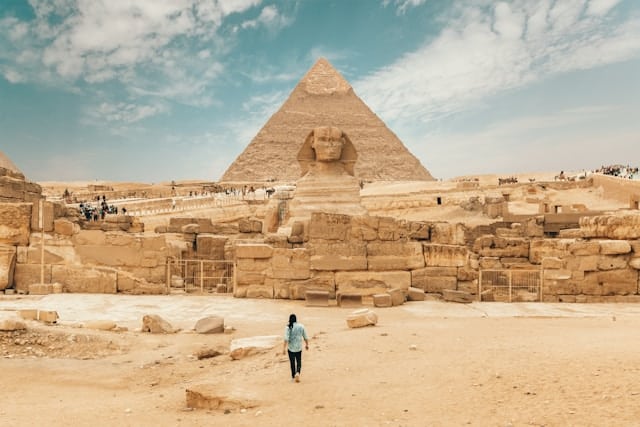

Planning a trip to Egypt from Australia is one of those bucket-list decisions that starts with excitement…and then quickly turns into a thousand browser tabs. Flights, visas, local customs, safety, weather, ancient sites—there’s a lot to figure out. So it’s normal for the planning stage to feel a little overwhelming at first.
At Remitly, we understand what it’s like to plan something meaningful while juggling everyday life. Many of us have been in your shoes, planning big trips and travelling long distances to places we’ve never been before. This Egypt travel guide walks you through the planning process step-by-step so that you’ll feel prepared and eager for the adventure that awaits.
Before you go: sorting the essentials
There’s a bit of planning involved when travelling to Egypt from Australia, but once you’ve ticked off the basics, your thoughts will quickly shift from “Maybe one day” to “Okay, this is actually happening.”
Booking flights from Australia to Egypt
First of all, just getting to Egypt from Australia is definitely a long-haul journey. Most travellers fly out of Sydney, Melbourne, or Brisbane with a stopover in Dubai, Doha, Abu Dhabi, or Singapore. Expect about 20 to 30 hours total travel time, depending on connections.
If you like the idea of turning travel time into a mini bonus trip, a planned long layover can be a fun add-on. Either way, think marathon, not sprint. Snacks, entertainment, and comfort make a huge difference.
Visa requirements for Australians
Visas for Egypt are pretty straightforward. You can apply online for an e-visa before you fly, or get a Visa on Arrival when you land. The e-visa option means you’ll spend less time and brainpower getting your visa on arrival after a long flight.
Best time to visit Egypt
Egypt is warm year-round, but some months are gentler than others. The sweet spot is October to April, when the weather is warm but still comfortable for sightseeing.
If you’re going in 2026, keep in mind that Ramadan is expected from 17th February to 19th March. Tourist sites stay open, but some cafés and restaurants adjust their hours; evenings can feel especially lively and festive.
Helpful tools and smart planning
Once flights, visas, and timing are sorted, the next step is preparing for your experience after you land.
Travel insurance and travel advisories
Travel insurance may not be the most exciting part of holiday planning, but it’s definitely one of the most necessary. It’s best to look for a policy that covers medical care, delays, and lost baggage. Before you confirm everything, a quick check on websites like Smartraveller helps you stay informed.
Useful travel apps
Having the right apps on your phone can make navigating Egypt much easier. Uber and Careem are great for getting around cities, translation apps help with menus and signs, and map apps work well in most areas (although getting lost in a bazaar is almost part of the experience).
Many travellers pick up a local SIM card at the airport or activate an eSIM in advance, just to make things easier from the moment they arrive.
The ultimate 10-day Egypt itinerary for first-time visitors
Now for the fun part: planning what you’ll actually do. Egypt is one of those places where every corner feels like a postcard or a history documentary you suddenly walked into. There’s so much to do and see that you’ll want to be organised beforehand to make the most of your visit.
Here we’ve put together a 10-day itinerary so you won’t miss out on anything.
Days 1–2: Cairo and Giza
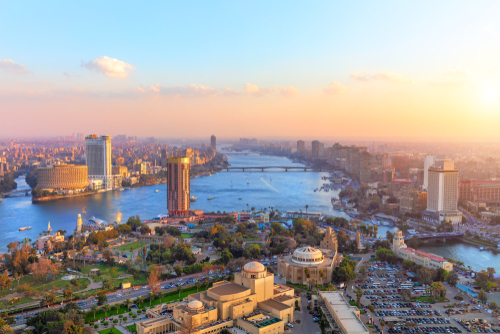
Your first days in Egypt will likely feel surreal in the best way possible. Seeing the Pyramids of Giza and the Great Sphinx up close is usually the moment travellers realise just how ancient Egypt really is.
If you enjoy a bit of atmosphere, consider the evening sound-and-light show. Hearing history narrated with the pyramids glowing behind you is something you’ll remember forever.
Day 3: Cairo museums and Old Cairo
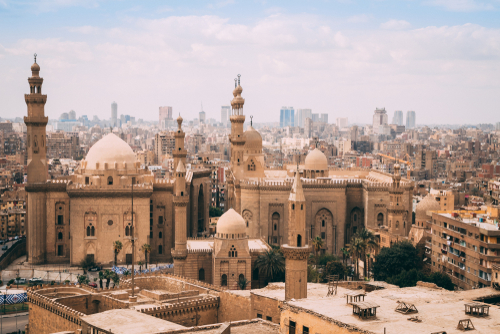
Day three is ideal for museums and wandering the older parts of the city. Depending on when you travel, head to the Egyptian Museum or the newer Grand Egyptian Museum. Both are full of incredible finds, including artefacts from Tutankhamun.
Later, wander Coptic Cairo and then head to Khan el-Khalili, Cairo’s iconic bazaar. You can browse spices, lanterns, perfumes, and souvenirs, or just sit with a mint tea and enjoy the energy.
Day 4: Travel to Luxor + East Bank temples
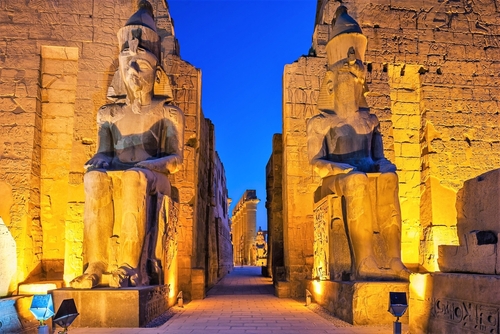 Next, travel south to Luxor, often described as an open-air museum. A short domestic flight is easiest, but the overnight sleeper train is also an option if you like classic travel experiences.
When you get there, the best way to start is at the East Bank. Luxor Temple and Karnak Temple are spectacular, especially in the late afternoon when the light softens and everything feels a little cinematic.
Day 5: West Bank wonders
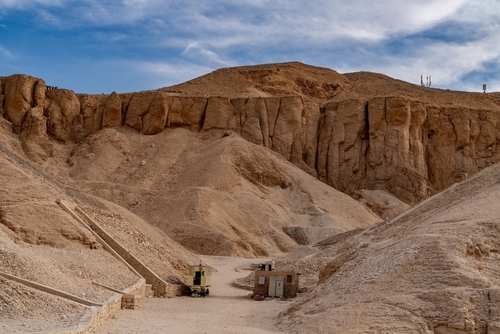
Today takes you to the West Bank, including the Valley of the Kings, where you can see the beautifully preserved tombs. Some travellers like to add Tutankhamun’s tomb for an extra taste of history. Then you can continue on to the Temple of Hatshepsut and finish the day with a quick stop at the Colossi of Memnon.
Days 6–7: Nile cruise to Aswan
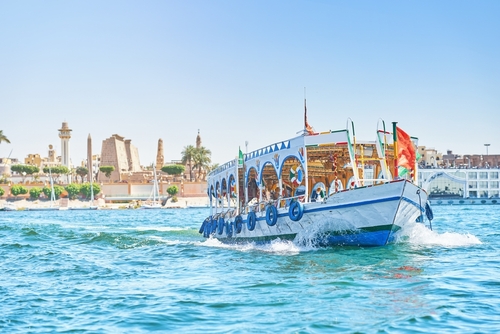
A Nile cruise is a great way to slow down and take in the scenery between Luxor and Aswan. Most cruises stop at temples like Edfu and Kom Ombo along the way. Between sightseeing, you’ll eat well, watch the scenery drift by, and probably take more sunset photos than you meant to.
Day 8: Aswan highlights
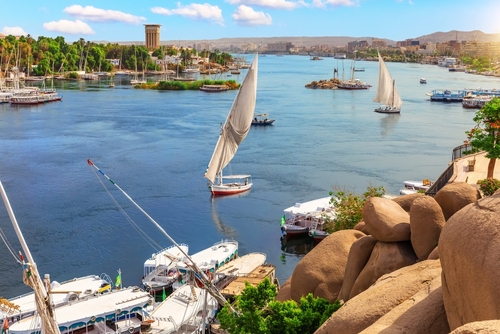
Aswan has a different vibe from Cairo. It’s slower, calmer, and surrounded by even more incredible natural scenery. Most travellers visit the Temple of Philae, then take a boat to a Nubian village for a completely different cultural experience.
You can finish the day with a gentle felucca sailboat ride. It’s one of those peaceful moments you’ll probably remember long after you’re home.
Day 9-10: Abu Simbel and Cairo
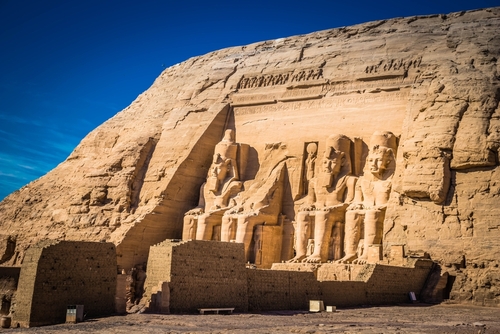
Whether you travel by road or a quick domestic flight, visiting Abu Simbel is absolutely worth the effort. The temples were carved into rock and later moved piece by piece to protect them from flooding, which makes seeing them in person very impressive.
Before heading home, you could spend your last day resting, wandering local shops, or trying any food you didn’t get to earlier. You could even enjoy a local hammam experience, a relaxing way to end the trip before a long flight home.
Money, safety, and logistics
This is the part that isn’t glamorous but makes your trip a lot smoother.
Currency and payment

Egypt uses the Egyptian pound (EGP). While you’re travelling, it’s useful if you have a mix of payment options. Cards are fine in hotels, nicer restaurants, and some shops, but cash is super handy for taxis, markets, small purchases, and tipping, which is common in Egypt. Having a few smaller notes makes things easier, especially in busy areas where bargaining is part of the experience.
If you need to, Remitly can help you manage different currencies while you’re travelling, and avoid unexpected fees or surprises.
Budgeting for your trip
Egypt offers great value for Australian travellers. Food, transport, and accommodation are usually affordable, especially if you’re open to eating locally or joining group tours.
- Budget (AUD $60–$120/day): Hostels or simple hotels, public transport, and local restaurants or street food.
- Mid-range (AUD $150–$300/day): Boutique or mid-range hotels, a mix of restaurants, and possibly a Nile cruise.
- Luxury (AUD $400+/day): Five-star stays, private tours, premium cruises, and fast transfers.
These estimates exclude international flights, but they give a realistic starting point.
Staying connected
Once you arrive, you can pick up a local SIM card at the airport. Data is usually affordable, and having internet makes everything easier, from navigating streets to booking rides or translating menus. You’ll also thank yourself when you want to look up temple opening hours from a café instead of hunting for Wi-Fi.
Safety and scams
Egypt is generally friendly and welcoming. But like many popular travel destinations, you may run into persistent sellers or small tourist scams. If someone tries very hard to sell you souvenirs, tours, or camel rides you didn’t ask for, a calm smile and a simple “La shukran” (no thank you) usually works better than rushing away.
Solo travellers, including women, visit Egypt confidently every year and have great experiences. Simple safety habits can help, like staying in well-lit areas at night, using trusted transport options, and listening to your instincts if something doesn’t feel right.
Respectful and responsible travel
Egypt’s ancient sites have survived thousands of years, so treating them gently is important for locals. It’s best to avoid leaning on structures, touching carvings, or climbing anything that isn’t clearly meant for climbing. In mosques or traditional areas, modest clothing is appreciated and shows respect.
If you’re planning camel or horse rides, try to choose operators known for ethical treatment. The experience, and the photos, feel better when the animals are cared for.
Food and culture in Egypt
Whether you’re grabbing something from a street vendor, ordering dinner at a local restaurant, or sipping tea in a market, food connects you quickly to everyday life here.
Must-try dishes

Egyptian food is hearty, comforting, and designed to keep you going. Koshari is a must-try. It sounds chaotic on paper as it includes lentils, pasta, rice, and crispy onions, but trust us, it works. You’ll also see ta’ameya (Egyptian falafel), shawarma, grilled dishes, and warm stews like molokhia. And if you have a sweet tooth, kunafa and basbousa are worth the detour.
Eating out and food safety
Food in Egypt is delicious and affordable, and eating like a local is a great way to experience the culture. However, to avoid stomach issues while your body adjusts, opt for busy cafés and restaurants where food is clearly fresh and popular. It’s also best not to drink from the tap; stick with bottled water and avoid ice unless you know it’s made with filtered water.
If you love street food but don’t want to gamble with your digestive system on day one, consider trying it later in your trip once you’ve settled in, or join a food tour where vendors are already vetted.
Cultural etiquette
Egyptians tend to be friendly and curious, and small gestures go a long way. Learning a couple of simple phrases like salaam (hello) or shukran (thank you) makes interactions warmer and often brings out smiles. Also, keep in mind that bargaining in markets is normal, and keeping it relaxed makes it more fun.
What to pack for Egypt
Packing for Egypt doesn’t need to be stressful, but it’s worth thinking ahead so you’re comfortable and ready for the weather.
Clothing and comfort
Lightweight, breathable fabrics like cotton or linen are your best friends in Egypt, as the sun can be strong, especially around midday. Most travellers find that loose trousers, midi or maxi dresses, and tops that cover shoulders are comfortable choices. A lightweight scarf is surprisingly useful, as it works for sun, dust, mosque visits, or overzealous air-conditioning.
Egypt isn’t strict everywhere, but dressing modestly in cultural or religious areas is a sign of respect and often makes interactions smoother. If you’re visiting resorts or the Red Sea coast, swimwear is totally fine for the beach or pool areas.
Packing essentials
There are a few things you’ll be glad you packed, and comfortable walking shoes top the list. You’ll probably be exploring large sites with uneven ground, and you’ll regret doing so in cute-but-unsupportive sandals. Sunscreen, sunglasses, and a hat will keep you protected from the sun, especially in southern cities like Luxor and Aswan.
A reusable water bottle is handy for sightseeing all day, too. Another trick is to bring electrolytes or hydration packets. And a universal power adapter means you won’t be scrambling to charge your phone or camera for those photo-heavy days.
The journey begins now
Egypt is a place that stays with you. You’ll remember the sound of the call to prayer at sunrise, the colours of the markets, and the feeling of standing in front of something truly amazing.
With a bit of planning, a curious mindset, and room for spontaneity, your first trip from Australia to Egypt can be one of those unforgettable life chapters. If you need more travel tips, support navigating life between countries, or resources to make international living easier, we’re here for you.
FAQs
Is Egypt safe to visit right now?
Yes, most travellers visit Egypt without issues and feel comfortable exploring major destinations.
Do I need to speak Arabic?
No, English is widely used in hotels, shops, and tourist sites, so you’ll get by fine.
What is the tipping culture (baksheesh)?
Tipping is expected for many services in Egypt, from restaurants to taxis and guided tours. Keeping small notes ready makes things easier and avoids awkward moments.
How much time do I need in Egypt?
Around 10 days is ideal for a first visit and gives you enough time to see Cairo, Luxor, and Aswan at a relaxed pace. If you want to add Red Sea beaches or slower travel days, two weeks is a good bet.
Should I book tours in advance?
Booking major tours and Nile cruises in advance can save time and ensure availability, especially during busy seasons.
Can I drink the tap water?
It’s best to stick with bottled or filtered water while travelling in Egypt. Many hotels provide bottled water, and it’s affordable and easy to find everywhere.