About this guide: this article draws on current Department of Home Affairs visa information and was last reviewed in September 2026.
What is the eVisitor visa for Australia?
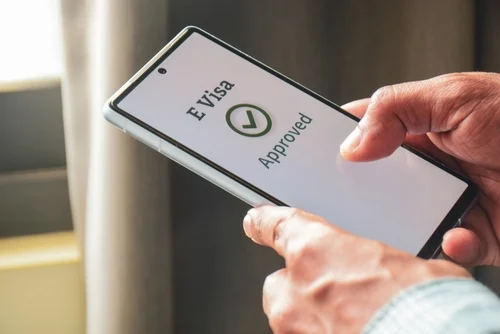
The eVisitor visa Australia (Subclass 651) is a free, electronic visa for passport holders from eligible European countries. It allows multiple entries into Australia over a 12-month period, with each stay lasting up to three months. The application is entirely online, and the visa is linked electronically to your passport details, so there’s no physical stamp in your passport.
At Remitly, we know that working out a new country’s visa system is just one part of getting ready for a trip, so we’ve created this guide, to help you understand the eVisitor Visa, and avoid common pitfalls that might delay your application. For example, the eVisitor visa is often confused with the ETA (Subclass 601) visa, a similar visa for non-European passports. We’ll walk you through each step of the application process, so you can get back to planning your perfect itinerary.
All the facts at a glance
- Free electronic visa for eligible European passport holders (Subclass 651)
- Valid 12 months from grant, multiple entries, up to 3 months per visit
- Apply online through ImmiAccount, with no fee and no embassy visit required
- Typically processed within one to five business days
- Covers tourism, family visits, and business visitor activities, but not paid work or study beyond three months

Who is eligible for the eVisitor visa?
To apply for the eVisitor visa, you’ll need to be a ‘genuine visitor’ with a valid passport from one of the eligible European countries listed below. ‘Genuine visitor’ just means that you plan to leave Australia once your visit is over, and the primary purpose of your trip is for tourism, seeing family, or business visitor activities. You can only apply for the visa from outside of Australia, and you may need to provide extra documents showing that you meet health and character requirements, and that you have enough funds.
If you’re under 18 and travelling without a parent or guardian, extra requirements can apply, so it’s worth checking your specific circumstances with the Department before you apply.
According to the Department of Home Affairs, passport holders from the following countries are eligible for the eVisitor visa (verified as of August 2026):
- EU member states: Austria, Belgium, Bulgaria, Croatia, Cyprus, Czechia, Denmark, Estonia, Finland, France, Germany, Greece, Hungary, Ireland, Italy, Latvia, Lithuania, Luxembourg, Malta, the Netherlands, Poland, Portugal, Romania, Slovakia, Slovenia, Spain, and Sweden.
- Other eligible European countries: Andorra, Iceland, Liechtenstein, Monaco, Norway, Republic of San Marino, Switzerland, the United Kingdom, and Vatican City.
For most standard applications, you won’t need to arrange health examinations or police certificates upfront, as the Department of Home Affairs generally only asks for these if something in your application needs a closer look. Once you’ve submitted your application you can log in to your ImmiAccount and click on the “View health assessment” link in your Application Status. If you need to organise a health examination, there’ll be a link letting you know.
If you have previously failed a health requirement, or if you have a criminal conviction in any country, you’ll need to apply for a Visitor visa (Subclass 600) instead.
You might also have come across the ETA (Subclass 601), a similar electronic visa built for a separate list of mostly non-European passports. Both visas cover short visits and cost little or nothing to apply for, but they’re not interchangeable, so we’ve compared the two below, to help you understand who should apply for which.

eVisitor visa vs. ETA: Which one do you need?
When applying for an Australian tourist visa from Europe, it’s easy to confuse the ETA (Subclass 601) with the eVisitor (Subclass 651). The ETA is built for a separate list of mostly non-European passports, including the United States, Canada, Japan, Singapore, and South Korea. If you hold an eligible European passport, the eVisitor is the visa the Department of Home Affairs expects you to apply for. Choosing the wrong one can end in a straightforward refusal and you’ll need to start over with a new application.
| Feature | eVisitor (Subclass 651) | ETA (Subclass 601) |
| Eligible passports | Eligible European countries (see the list above) | A separate list of mostly non-European countries, including the United States, Canada, Japan, Singapore, and South Korea |
| Cost | Free, when you apply through ImmiAccount | A$20 service charge, paid through the Australian ETA app |
| How you apply | Online, through ImmiAccount | Through the Australian ETA mobile app |
| Processing time | Typically one to five business days, according to the Department of Home Affairs | Usually quick, though the Department of Home Affairs advises checking current processing times before you book travel |
| Maximum stay | Up to three months per visit | Up to three months per visit |
| Validity | 12 months from date granted, multiple entries | 12 months from date granted, multiple entries |
| Permitted activities | Tourism, family visits, and business visitor activities | The same general categories — tourism, family visits, and business visitor activities |
If you’re not sure which list your passport falls under, the Department of Home Affairs’ Visa Finder tool can point you to the right visa before you start an application.

How to apply for the eVisitor visa: step-by-step
Applying for the eVisitor visa happens entirely online, and most applicants can complete it themselves without paying anyone for help. If you do choose to use a third-party service, remember that any fees charged are only paying for their assistance, as the visa itself is free. Here’s what the process looks like, step by step:
- Check your eligibility. Confirm your passport is on the eligible country list above and that your trip fits a genuine visitor purpose — tourism, family visits, or business visitor activities.
- Gather your documents. You’ll need your passport details and a valid email address, and in some cases, evidence of your travel plans or funds to support your stay.
- Create or log in to ImmiAccount. This is the Department of Home Affairs’ official portal for eVisitor applications. You don’t need a third-party website to apply.
- Complete the online form. Enter your passport and personal details carefully. Small mistakes, like a mismatched passport number, are a common cause of delay.
- Submit your application at no cost. The eVisitor visa carries a $0 fee when you apply directly through ImmiAccount.
- Watch your email for a decision. The Department of Home Affairs typically processes eVisitor applications within one to five business days, and your outcome arrives by email.
If you need to contact someone in Australia while you’re waiting for your visa decision, it might help to be familiar with Australia’s country code and regional area codes. If anyone contacts you about your visa from a different country code, it could be a red flag for a visa scam.
Because processing can take up to five business days, it’s worth holding off on booking non-refundable flights or accommodation until your visa is actually granted.

What can you do (and not do) on an eVisitor visa?
The eVisitor visa is built around the idea of a ‘genuine visitor’, someone whose main purpose is tourism, seeing family, or business visitor activities, and who intends to leave Australia again once their visit ends. It’s valid for 12 months from the date it’s granted, and you can use it for multiple trips within that window, as long as each stay is three months or less.
You can:
- Travel around Australia for tourism or leisure
- Visit family or friends
- Attend business meetings, conferences, or negotiations as a business visitor
- Take a cruise that departs from or returns to Australia
You can’t:
- Take up paid work of any kind
- Study for longer than three months
- Work as a professional entertainer or in a paid performance
- Stay beyond three months on a single visit without applying for a different visa
Australia is progressively replacing the paper Incoming Passenger Card with a new Digital Travel Declaration, rolling out at major airports through 2026, so it’s a good idea to check which system applies at your arrival airport before you fly. Once you’ve landed, getting around without a car is entirely possible in most Australian cities, if you’d rather not add a rental to your trip.

Common reasons for eVisitor visa refusal and how to avoid them
The eVisitor application process usually goes smoothly, but refusals do happen, usually for avoidable reasons. Here are the most common ones, along with how to steer clear of them.
- Incomplete applications. Missing details or unanswered questions are one of the most common refusal triggers, so it’s always good to double check every field before you submit.
- Short passport validity. If your passport is close to expiring, renew it first to make sure it covers your planned stay.
- Undisclosed criminal history. Omissions are treated more seriously than the underlying issue itself and failure to answer honestly can affect future applications as well.
- Lack of genuine visitor intent. Be ready to show proof that your trip is temporary, such as return travel plans or ties back home.
- Prior overstays. A previous visa overstay in Australia, even a short one, can count against a new application. It’s better to be upfront about your travel history, rather than try to sweep it under the rug.
If your eVisitor visa is refused, you can usually submit a new application once you’ve addressed the reasons given in your refusal notice. For a refusal you don’t understand, or a more complicated travel history, a MARA-registered migration agent can advise on your specific situation.
Frequently asked questions about the eVisitor visa Australia (FAQs)
Can I extend my eVisitor visa once I’m in Australia?
No, the eVisitor visa can’t be extended from within Australia. If you’d like to stay longer than your current visa allows, you’ll need to apply for a different visa before your eVisitor expires. Planning your travel dates around the three-month stay limit helps avoid this problem altogether.
How long does the eVisitor visa application take to process?
According to the Department of Home Affairs, most eVisitor applications are processed within one to five business days. Processing times can vary depending on your circumstances so it’s worth applying well ahead of your travel dates. Just remember that the 12-month validity starts when the visa is granted.
How much does the eVisitor visa cost?
The eVisitor visa is free when you apply directly through ImmiAccount, the Department of Home Affairs’ official portal. Third-party websites or travel agent may charge their own service fee on top. If you wish to use a third-party service, it’s a good idea to double check their credentials, and be sure you understand the full cost, before committing.
Can I include my family members on my eVisitor visa application?
No — each traveller needs their own separate eVisitor visa application, including children. There’s no option to add family members to a single application, so everyone in your travelling party needs to go through the same process and meet the same eligibility criteria individually.
What’s the difference between the eVisitor and the ETA?
Both are free or low-cost electronic visas for short stays, but they cover different passports. The eVisitor (Subclass 651) is for eligible European passport holders, while the ETA (Subclass 601) covers a separate list of mostly non-European countries. Double-checking which visa your passport falls under before applying avoids unnecessary refusals and excess application fees.
Can I work or study on an eVisitor visa?
The eVisitor visa doesn’t allow paid work in Australia, and study is limited to three months. If your plans include working or studying for longer than that, you’ll need a different visa, such as a working holiday visa or a student visa, depending on your situation, rather than the eVisitor.
What should I do if my eVisitor visa application is refused?
Read your refusal notice carefully, since it explains the specific reason the Department of Home Affairs declined your application. Once you’ve addressed that issue, you can submit a new application. For a refusal that’s unclear or tied to a complicated travel history, speaking with a MARA-registered migration agent can help you understand your options.
Ready to plan your trip to Australia?
The eVisitor visa is an easy way for eligible European travellers to visit Australia for tourism, family visits, or business, without an application fee or a trip to an embassy. Once you’ve confirmed you’re eligible, you can open an ImmiAccount and apply right away. If you’re still unsure, you can use the Department of Home Affairs’ Visa Finder tool. Before you book your flight back home, it’s worth comparing airline options for the journey back to Europe ahead of time.
Many itineraries also include a side trip across the Tasman, if that’s part of your plans, consider checking how long the flight between Australia and New Zealand actually takes before you book your connections.
Key takeaways
- The eVisitor visa (Subclass 651) is a free, electronic visa that lets eligible European passport holders visit Australia multiple times over 12 months, staying up to three months per visit.
- You apply online through ImmiAccount, the Department of Home Affairs’ official portal — there’s no government fee, though a third-party agent may charge its own service fee if you use one.
- The Department of Home Affairs typically processes eVisitor applications within one to five business days, and it’s valid for 12 months from the date it’s granted.
- The eVisitor allows tourism, family visits, and business visitor activities, but doesn’t permit paid work, or study beyond three months.
- Common refusal reasons include incomplete applications, short passport validity, and unclear travel intent. Addressing the specific issue named in your refusal notice before reapplying improves your chances of success.