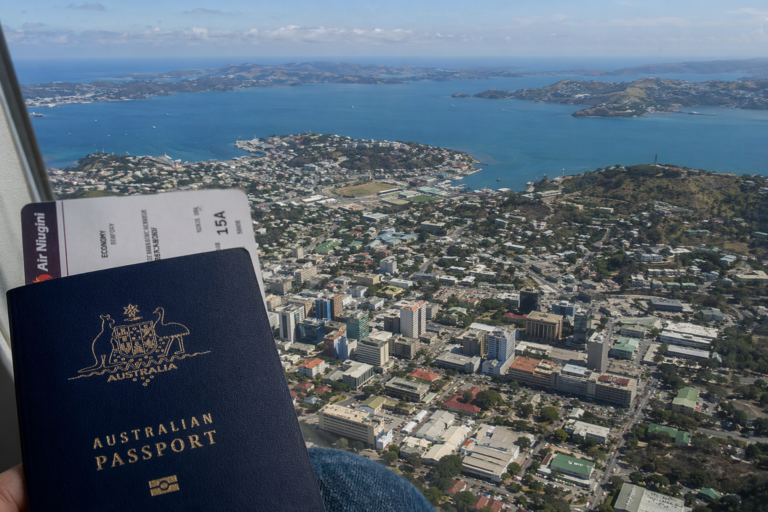
Key Highlights
-
Australians need to check the latest Papua New Guinea visa requirements before they book a trip to New Guinea or Port Moresby.
-
You must have a valid passport for every Papua New Guinea visa application.
-
Some of the common types of visas are the tourist visa, business visas, transit visas, and options connected to a work permit.
-
Some people can use the online system to apply, while others may need to fill out paper forms.
-
The application fee and service fee can change, and it depends on the type of visa, if you need an extension, or if you want to change your details.
-
Visitor visas usually be for a single entry stay of up to 60 days.
Introduction
If you want to go from Australia to Papua New Guinea, you should first check the visa requirements. These rules can depend on why you are travelling, how long you will stay, and if you apply online or with paper forms. Some people call Papua New Guinea “New Guinea,” and it has more than one way to get a visa. If you know the basics from the start, you can make your travel plans easier and will be less likely to run into hold-ups.
Understanding Papua New Guinea Visa Requirements for Australians
For people in Australia, the visa requirements for Papua New Guinea change based on why you want to go and the visa type you pick. If you are travelling to Port Moresby for a holiday, to see family, or for business, you need to check which option matches your travel plans before you apply.
You will need a valid passport. Papua New Guinea could then ask for more information to show you can get the visa and that you plan to leave when your stay is over. The next parts will explain these Papua New Guinea visa rules in a simple way.
Who Needs a Visa to Enter Papua New Guinea?
If you’re asking, “Do I need a visa to visit Papua New Guinea if I am an Australian citizen?”, the safe answer is yes. You should expect to meet the visa requirements either before you travel or when you arrive through an approved process. Papua New Guinea has rules based on your nationality, visa type, and if you can use the online or arrival processing.
In real life, foreign nationals, including people from Australia, can’t just enter without anything arranged. You need a valid passport, and you might have to show you are a true visitor and that you plan to leave Papua New Guinea after your trip.
This is important if you are going to Papua New Guinea for a holiday, sightseeing, to see friends or family, or for any other social reasons. Because the new guinea visa arrangements can change, you should check the current ICA options before you leave. This way, you know your visa plans are up to date and you won’t have any problems at the border.
Common Entry Requirements for Australian Citizens
For Australian citizens, the main things you need to enter Papua New Guinea depend on why you are going and the visa you want. If you plan to visit new guinea for fun or to see friends and family, you must have the right entry visa or an approved electronic visa option. This will be based on if you are eligible for it or not.
You also need to be able to show that your reason for travel fits with your entry visa. Papua New Guinea wants to see that people who travel there are true visitors and that they will go back home once their time is up.
Here are some common things you will need to enter Papua New Guinea:
-
a passport that can be used for travel
-
an application for the correct entry visa category
-
extra details to show that the purpose of your visit is true
Before your trip, check if you can use the eVisa portal or if you must use a paper application. Doing this can help you save time and avoid trouble when you check in or land in Papua New Guinea.
Passport Validity and Travel Documents
A valid passport is at the heart of the application process for any Papua New Guinea visa. You must have it, or your tourist visa request will not go forward. The details on your travel papers also need to match the reason you give for going to Papua New Guinea and how long you plan to stay.
If you are applying to visit, ICA might ask for proof to back up your situation. What you need to show can change from case to case. Your documents must show you are a real visitor and that you will leave Papua New Guinea at the end of your stay.
You may need to prepare:
-
a copy of your passport or its details
-
travel paperwork supporting your trip
-
information linked to your planned time in the country
Because what you need can change depending on who you are, you should check the official application page before you hand in anything. If your papers are missing something, it could slow things up.
COVID-19 Related Entry Policies
If you are asking about COVID-19 and today’s entry rules, there are no active COVID-19 visa stops for Papua New Guinea in the latest list. This means you should not use old travel advice or think things are the same when you make your travel plans to New Guinea.
It is better to check Papua New Guinea immigration updates through ICA before you fly. The rules can change at any time, and health rules may change even if visa rules do not. New rules might come in for extensions, or in new digital systems.
Before you travel, take a look at:
-
current Papua New Guinea immigration notices
-
any new public notices on the ICA website
-
new arrival updates that could impact your plans
This is most important if your trip to Papua New Guinea is coming up soon. If you check these updates, you can make sure you follow the latest rules for Papua New Guinea immigration. This quick step keeps your travel plans and arrival on track, and you do not get caught out when you get there.
Types of Visas for Papua New Guinea
Papua New Guinea has a few visa types for people coming to the country. If you are from Australia, you will find a tourist visa for holidays or to visit family. Business visas are for people who need to come for work reasons. There is also a work visa if you have a job waiting for you or you are being sponsored to work here.
You can get a transit visa or use other special options, depending on what you need. The right visa for you will depend on why you want to go to Papua New Guinea and how long you plan to be there. You will find more about each main visa type below. This helps people from Australia pick the right one before they send in an application.
Tourist Visa Options for Australians
If you are an Australian and want to go to Papua New Guinea for a holiday, to look around, or to visit your friends and family, the main visa type for this is the Visitor visa. This visa is for new guinea trips that are about fun or seeing people–not work or staying there for a long time.
The Visitor visa is for people who can show they are real tourists or real visitors. You also need to plan to leave Papua New Guinea when your approved time is up. Sometimes, they might ask for a few papers to help show your reason for the visit.
Most of the time, you can get a single entry Visitor visa that lets you stay up to 60 days from the day you come in. That is good for short travel plans. If your travel plans change, and you need more time, you might be able to ask for more, but it depends on the visa and your own situation.
Business Visa Categories and Purposes
If you are going to Papua New Guinea for work, but you are not working as an employee, you might have to get a Papua New Guinea business visa or some other visa type made for business activities. The information given shows that “Conduct Business” has its own option in the system for Papua New Guinea. This makes it clear that it is different from a holiday trip.
This is important because the purpose of your visit will decide the visa type you have to pick. If you choose the wrong option, it can slow things down or you might have to answer extra questions when they process your application.
If you are doing business, your application could need:
-
a visa type matched with approved business activities
-
an invitation letter or some other business paper
-
details about why you are visiting Papua New Guinea
Before you send in anything, you should look at your plans and compare them with the visa options on the official website. If you want to do more than meetings or only a short business trip, you might have to check other visa types, like the employment category.
Work and Long-Stay Visas Explained
If you want to work in Papua New Guinea, you need a work visa. This is not the same thing as a visitor or business visa. The new guinea visa requirements for work are strict. This comes from the way their system uses sponsors and has rules for people who want employment visas.
Lots of jobs need either a work permit or something showing your work is linked to your employer. If you have a sponsoring company, that is part of the process. Papua New Guinea gives out updates that say some people must get employment visas, and there are even changes in how sponsors apply. This shows they watch these work visa application steps very closely.
If you are from Australia, this means you can’t just get a visitor visa if you want to work and get paid. If there is an international employer or you have a sponsoring company, make sure you check the current steps for getting an employment visa. Do this before you book your trip or begin your application.
Special Purpose and Transit Visas
Not every trip falls under a usual holiday or business stay. Papua New Guinea also has options for special situations. These include special purpose visas or other types of visa classes. The type you need depends on why you want to go.
Transit visas are needed when Papua New Guinea is not where your trip ends. If you are only stopping for a short time on your way to another place, and you need permission to enter, this is important. The right type of visa will depend on your nationality, your full plan, and the hours or days you are in transit.
The main thing to remember is this: always pick the type of visa that is right for your trip. If you want to go for a sportsperson visit, filmmaker work, or any other special reason shown by the ICA, do not pick a standard visitor choice. Look at the official list of types of visa for Papua New Guinea and New Guinea before you send your form.
Papua New Guinea Visa Application Process for Australians
Australians who want a Papua New Guinea visa have a few ways to apply. You can use the online system if you meet the rules. If not, you will need to fill out a paper application form instead.
Papua New Guinea immigration gives you some handy tools too, like the digital arrival card and the eVisa portal. While you do your application, check if there is any service fee for things like changes, extensions or when you update your details. The next sections show what happens at each step of the visa application process for Papua New Guinea.
How to Apply for a Papua New Guinea Visa Online
If you want to get a Papua New Guinea visa online, first check if your passport is one that can use the electronic system. The rules say that if people from your country are allowed to get a visa when they arrive, you can use the online application on the eVisa portal.
The whole application process goes through the official ICA system. People sometimes call this the Citizenship Services Authority or talk about immigration too. You can fill in a digital arrival card on the internet up to 72 hours before you go. This is not the same as your visa, but it helps when travelling.
When you apply online for a Papua New Guinea visa, you should:
-
check that your nationality can use the online application process
-
go to the right eVisa or online application portal
-
fill out the digital arrival card if you need it for your travel
If you are not able to use the online system or do not want to, you can still use the paper application form on the official website.
This is the way to get your visa for Papua New Guinea sorted, whether you use the online application or the old form.
Applying Through Papua New Guinea Diplomatic Missions in Australia
Some people in Australia may want to apply without using the online system. If that sounds like you, the information given points to a paper form you can download and hand in. This is a good option when you are not able to get a Papua New Guinea visa on arrival, or if you do not want to use the electronic portal.
The paper-based application process might mean you have to go through a diplomatic mission, or another approved channel in Australia. It depends on how things are set up at the time. It’s best to use the latest official document from the ICA website instead of an old copy from somewhere else.
If your travel plans are taking you to Port Moresby or any other spot in Papua New Guinea soon, leave enough time for document checks and any extra steps you might need to follow. Using a paper application can work well when the usual digital application process does not fit your case, but you still need to make sure everything is right from start to finish.
Step-by-Step Guide for Completing the Application Form
Getting ready to fill out the application form will be much easier if you have your details ready first. You can use the online portal or a paper form. The aim is to give clear personal information and make sure your answers suit the real reason for your trip.
Take care when you type in your dates, passport details, and travel plans. If what you write on your form is not the same as what shows on your other documents, ICA might ask more questions or hold up your application.
Before you send everything in, make sure you have:
-
right and clear personal information
-
a copy of the passport or the right passport details
-
travel plans that fit the visa you want
Spend some time to go over all your answers. Even a small problem in your name, passport number, or the dates you plan to travel can cause trouble later in the process.
Tips for a Smooth Application Experience
Getting ready before you start is key for a smooth application process. Papua New Guinea immigration might ask you for other documents, depending on your case. It is better to collect your information early, not when you already send your form.
The timeliness of this information is also important. Visa rules, public notices, and parts of the tech system can change often. It is a good idea to check the official portal for papua new guinea close to when you want to travel.
Here are some practical tips to help you with new guinea applications:
-
always use the latest form or the newest online portal
-
check if your nationality can use the eVisa
-
keep copies of every official document you use or send in
-
look on ICA for further information if your case is not usual
If something in your details or plans changes, let ICA know right away. The change could affect your visa for papua new guinea, and you may need to pay another service fee.
Required Documents for a Papua New Guinea Visa
The documents you need for a Papua New Guinea visa change based on your visa type and your own situation. But there are some things that you need for nearly all visas. These can be a valid passport and a filled-in form or a simple online application with the right travel details.
Sometimes, the ICA could ask you to show an official document, an invitation letter, or proof that explains why you want to go there. The next parts will show what paperwork people from Australia should get ready for tourist, business, work, and family visa options.
New Guinea is great to visit or work in, but it’s good to be sure you have all you need before you go.
Essential Paperwork for Tourist Visa Applications
For a tourist visa, the most important thing is to show that you are really a visitor. You might be asked for proof to support your application, especially if ICA wants to check why you are coming or if you plan to go back after your visit.
You must have a valid passport. Make sure all the details on your form are the same as the ones on your travel papers. Depending on your case, the people looking at your paperwork might look at other information during the process.
Some usual things you may need for a tourist visa are:
-
a valid passport
-
the right application form or official document
-
evidence, such as proof of sufficient funds if they ask for it
Document requests may change, so get ready early and always look at the current visitor visa page before you send your forms. Simple and matching papers help your application go better.
Supporting Documents for Business and Work Visas
Business visas and work-related applications for Papua New Guinea usually need different proof than a holiday visit. The official process has separate paths for business and work, so your documents must match the reason you are coming to Papua New Guinea.
If you are coming for business in Papua New Guinea, an invitation letter can explain why you are there. If you apply with the work permit process, you may also need sponsorship papers or records linked to your employer.
Here are some supporting documents you may need:
-
an invitation letter from the host or sponsoring company
-
papers related to the work permit process
-
documents showing the purpose of your business visit
Only use the latest forms and instructions from ICA. The rules about employment and sponsors in Papua New Guinea can change. If you miss a needed document, your business visa or work permit may be held up, even if you have sent everything else in.
Additional Requirements for Minors or Family Applications
Family applications often need more care, especially if there are children. The information you get may not give a full checklist just for kids. It does show that ICA can ask for more proof, depending on your situation. So, the best thing for your family is to be ready for more checks.
For children, travel papers have to be right. All details must match the rest of the family’s application. If you need to show how you are all related, get records that cover this.
You may need to get ready with:
-
travel documents for each person
-
a birth certificate for the child, if asked
-
any further information ICA needs when they check your case
The smartest thing is to read the latest official advice before you try to apply. Family bookings can be more detailed. If you start early, it gives you more time, and helps you not run into sudden problems for anyone in your group.
Proof of Onward Travel and Accommodation
Papua New Guinea wants people who apply to visit to plan to leave when their stay ends. Because of that, proof you are leaving, like a ticket out of the country, can help your case—especially if the ICA wants to see you are only going for a short time.
It’s also good to show where you will stay while in Papua New Guinea. A place to stay shows your trip is organised and real. These papers should match the dates you put on your form and also match what’s in your valid passport.
Helpful items for your application may be:
-
proof of onward travel
-
where you will stay (accommodation) in new guinea or papua new guinea
-
clear travel plans that line up with your visa application
Not everyone will be asked for the same things, but it’s a good idea to get these papers ready anyway. They can make your visitor application stronger and help stop extra questions after you put your file in.
Papua New Guinea Visa Fees and Processing Times
Papua New Guinea visa costs and processing times are not given as one simple list. Instead, you need to check the Migration Services Fee Schedule to find the most up-to-date application fee, service fee, extension charges, and any other update costs.
Processing times for a Papua New Guinea visa can change. It depends on the visa type and your own case. Your Papua New Guinea visa might get sorted quickly or take more time. This can be because of the visa class, the papers you give, how long you plan to stay (duration of stay), or if there is something in your personal details that they need to check again.
Always look at the Fee Schedule to know what you need to pay for your new guinea visa and stay up to date with the times.
Costs of Different Categories of Papua New Guinea Visas
If you are asking how much a Papua New Guinea visa costs, the official answer is that the amount depends on the visa category and the action being taken. The compiled information does not give fixed dollar figures, but it clearly says travellers should check the Migration Services Fee Schedule.
That is important because fees may apply not only to new applications, but also to extensions or updates when your circumstances change. In some cases, a migration service fee may be charged.
|
Visa types / request |
Fee guidance |
|---|---|
|
New visa application |
Check the current application fee in the Migration Services Fee Schedule |
|
Visa extension |
Fee may apply; confirm current amount with ICA |
|
Update of details or changed circumstances |
A service fee or migration service fee may apply |
|
Other visa-related services |
Refer to the latest official fee schedule |
Before you pay, always confirm the latest figures on the official website. Fees can change, and older screenshots or third-party pages may be out of date.
Payment Methods Accepted for Visa Fees
The information here tells you where you can find details about visa charges. But it does not give a full list of payment methods. So, you should look at the payment screen on the website or check the latest official document about your visa before you guess which options you can use.
If you apply online, you will usually see what payment methods are open to you as you fill out the form. For paper forms or other ways, the payment steps often show up on the form or in the fee guidance.
When you check payment methods, see:
-
if you can use a debit card online
-
how a service fee shows up if there is one
-
what the official document or fee schedule says
Do not guess how to pay for your visa. Always use the way listed on the portal or in the form. If you pay the wrong way, your application can take longer to get looked at or sent out.
Average Application Processing Timeframes
There is not one set time for how long it takes to get every Papua New Guinea visa. If you want to know how long the application process will be, the timing can change. It depends on what kind of new guinea visa you go for and what your own situation is.
If you have all your paperwork ready for a simple visitor request, it may go at a different speed than a work or sponsorship one. Things like updates to your details, missing documents, or checks on your eligibility can also make the process longer.
Because of this, it’s best to send in your Papua New Guinea visa application well before you want to travel. Try not to leave your visa request to the last minute. Giving yourself time means you can sort out things if ICA asks for information or if the system is slow.
Expedited Visa Solutions for Urgent Travel
If you need to go to Papua New Guinea soon, you might ask if there is a quick visa option. Right now, the information found does not show that there is a special fast way to get a visa. You should not think that urgent travel will always mean faster processing times.
What you can do is use the right way to apply, put in all your documents, and make sure everything is filled out the right way. If your papers are correct and complete, this helps your application get checked faster.
For fast trips, look at the latest advice from ICA before you pay for things that you can’t get your money back on. If there is a faster way or urgent help, papua new guinea immigration will share that on their official website or in new public updates. If you don’t see this, it is better to expect normal new guinea processing times rather than hope for faster results.
Visa on Arrival and Electronic Visa (eVisa) for Australians
Papua New Guinea gives two ways to get a visa. You can get a visa on arrival, or you can use the eVisa. This is for people who hold certain passports. For Australians, it is not only about having these choices. It is also about meeting the right rules at the time you want to travel.
The official news puts together the countries that can get a visa on arrival and links them with the online website. So, it is a good idea to check what you need to do in New Guinea before you leave. This is even more important if you plan to have a short duration of stay and want the fastest and easiest process.
Can Australians Get Visa on Arrival in Papua New Guinea?
People in Australia often want to know if they can get a visa when they land in Papua New Guinea. The information we know says that Papua New Guinea gives visa on arrival to some passport holders from different places. But the full list of allowed countries is not shown here.
So, can people from Australia use the visa on arrival option? You should always look this up on the official ICA site before you travel, and don’t just trust tips from the past. Who can get a visa on arrival in Papua New Guinea depends on who is on their updated list.
It is a good idea to check because the same official info says travellers from the countries that can get a visa when they land in new guinea and Papua New Guinea can also ask for one online through the electronic visa portal. So it’s best to see if Australians are on the list now and pick the option you find better.
Eligibility Criteria and Process for Papua New Guinea eVisa
The Papua New Guinea eVisa system is made for people who have a passport from a country that is on the allowed list. The information says that people from countries that can get a visa on arrival can use the online visa portal to apply.
So, the first thing you need to do in the application process is check if you are able to use the online way. If you are, the portal can be good if you only want to have a short visit to new guinea.
The eVisa process is simple. You need to:
-
make sure your passport matches the eligibility criteria
-
use the official online application process
-
send in the details they ask for before you go to Papua New Guinea
If you do not fit the criteria, you have to use the paper form instead. This is important because, if you use the wrong method, you might waste time and might not get the result you want for your trip.
Important Differences Between Visa on Arrival and eVisa
Visa on arrival and eVisa are similar, but they are not the same thing. In Papua New Guinea, visa on arrival often links back to the electronic portal. This shows that some travellers who get approved may use an online pre-travel choice instead of sorting everything at the airport in New Guinea.
The big difference is when you get things done. You finish your eVisa application online before you go. Visa on arrival means you look after it when you get there, but it depends on what rules Papua New Guinea has for your country right now.
Here are the key things to know:
-
With eVisa, you do the online part before you leave.
-
Visa on arrival depends on who can get it in Papua New Guinea right now.
-
Both choices mean you must follow the right application process.
For Australians, the safest way is to always check which one is open and use the way that the ICA says is right for your passport and the reason you are travelling.
Staying Compliant with Papua New Guinea Immigration Rules
Getting a visa for Papua New Guinea is just the first step. When you get there, you still need to follow Papua New Guinea immigration rules. All visa holders have to stick to the rules set for how long they can stay.
It’s important you respect the set duration of stay. If anything changes for you, make sure your travel details stay right. You need a valid passport and the right visa type for what you will be doing in Papua New Guinea. The next two parts will talk about how to extend your stay, renew your visa, or change your visa type when you are already in the country.
Visa Extensions and Renewals in Papua New Guinea
If you want to stay in Papua New Guinea longer, they might let you extend your visa without leaving the country first. This will depend on things like the type of visa you have, why you are there, how much time you have already spent in New Guinea, and how long you want to stay after that.
There is no rule that says you can get an extension or renewal just because you want more time. It will be up to Papua New Guinea and what applies to your visa type.
The best thing to do is get in touch with ICA before your current approved duration of stay runs out. If you wait too long to ask, you could have problems that are easy to avoid. If you can get an extension, ICA will tell you what to do and if you have to pay for it, based on your type of visa.
Changing Visa Types During Your Stay
Sometimes, you might have to change your travel plans after you get to Papua New Guinea. If this happens, you may be able to change your visa type. But what is clear is that you have to tell ICA if you have any changes in your situation during the application process or after your visa is given.
This is important because any change can affect if you can keep your current visa type. It could also lead to a service fee, depending on what has to be looked at or updated.
So, if you need to do something different from your first reason for coming, under the Papua New Guinea immigration rules, don’t just stay in your old visa category. Get in touch with ICA at once, say what has changed, and follow the new steps the officials give you to get on the right visa type if this is allowed.
Conclusion
To sum up, getting a visa for Papua New Guinea as an Australian can be easy if you have the right information. It helps to know about the different visas, what you need to get in, and how to apply. This will make planning your trip to new guinea go a lot smoother. If you are going for a holiday, for business, or want to work there, make sure you have all the right papers and everything you need to know. That way, your trip will go well. Keep an eye on any changes to the rules to get into papua new guinea, especially because health rules can change. If you want to know more or need help, get in touch and book a free chat with us. Have a safe trip!
Frequently Asked Questions
Is it possible to visit Papua New Guinea without a visa as an Australian?
Australians should not think they can get into Papua New Guinea without a Papua New Guinea visa. The entry rules can change, and they depend on the system that is being used. Sometimes, people from Australia can get a visa on arrival or use an eVisa. But it is best to check the official rules before you lock in your travel plans, even if you just want a tourist visa for New Guinea.
What should I do if my Papua New Guinea visa is delayed or rejected?
If your Papua New Guinea visa takes longer to come through, or if it is turned down, go back and look at how you filled out your application. Check to see if ICA has asked you for any further information or another official document. Make sure all your visa requirements for Papua New Guinea were met. If you still do not know what to do, contact ICA through the official channel to find out the next steps.
Where can I access official, up-to-date Papua New Guinea visa information?
For the latest info about Papua New Guinea visas, go to the official Papua New Guinea immigration and ICA website. It has everything on eVisa, the digital arrival card, and fees. You can find the newest official document or any new notice there. If you need more, check the advice from the Citizenship Services Authority or talk to the right diplomatic places.