Key Highlights
-
Safar is known as the second month of the Islamic calendar. It comes right after Muharram in the Hijri calendar.
-
In the UAE, people say Safar 2026 will likely start on 14 July 2026, but this can change with the moon sighting.
-
The Islamic calendar is based on the moon, so the start of any Islamic month can be different depending on the country.
-
In early Arabic, people talk about Safar as a word related to emptiness and travel.
-
According to Islamic teachings, Safar is not seen as a bad omen or an unlucky month. It is just another month in the year.
-
During Safar, many focus on worship, reading the Quran, making dua, showing gratitude, and working on their spiritual growth.
Introduction
The month of Safar is the second month in the Islamic calendar. It also plays a big part in the Hijri calendar. For Muslims in the UAE, Safar is a time to look back at Islamic history, think about your faith, and be patient. Some people once linked Safar with superstitions, but Islamic teachings say to trust Allah and keep to worship. If you learn about the month of Safar, you can follow the Islamic calendar better and see its spiritual meaning more clearly.
Start Date of the Islamic Month of Safar 2026 in the UAE
Safar 2026 in the UAE will likely begin around 14 July 2026. This date comes from the lunar Hijri calendar. The exact start of this islamic month can change. People wait to see the moon to know for sure when Safar begins.
Safar comes right after Muharram. So, its start depends on when the last month ends. In the UAE and in other muslim countries, the official date might be a bit different from what early calendars say. That is why looking for the moon is important to know the right beginning of Safar in the hijri year.
How the Islamic calendar determines the beginning of Safar
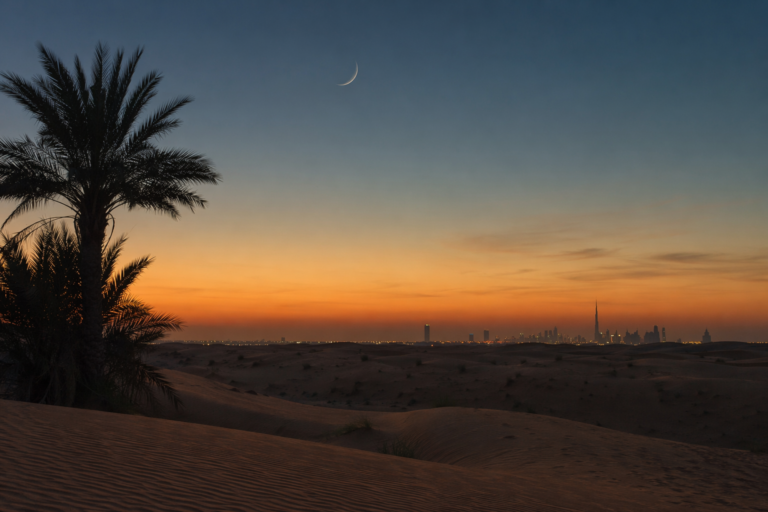
The islamic calendar works with lunar months, not the solar year. Each new month starts when people see the new moon. The month of safar comes after muharram ends, and after the next phase of the moon is seen.
In the hijri calendar, a month can be 29 or 30 days long. Because of this, you cannot know for sure when safar will start until the moon is seen. Sometimes you can see an expected date on a calendar, but the real start day may be different. It all depends on the new moon.
For muslims in the UAE, this way keeps the hijri calendar tied to what you see in the sky. So, if you want to know how the month of safar begins in the hijri calendar, it’s simple. It starts when people see the new moon after muharram. This is how lunar months go.
Safar 2026 predicted start date in the UAE
Based on the lunar cycle and the shifting pattern of the Hijri calendar, Safar 2026 is expected to begin in the UAE around 14 July 2026. This is a forecast, not a final declaration. The official start date of the Islamic month will depend on moon sighting.
Here is a simple text table to help you see the expected position of Safar in the UAE calendar:
|
Item |
Details |
|---|---|
|
Islamic month |
Safar |
|
Hijri position |
Second month of the Islamic calendar |
|
Expected UAE start date |
Around 14 July 2026 |
|
Final confirmation |
Subject to moon sighting |
The start date of Safar can differ in various countries because moon visibility is not always the same everywhere. Some places may begin the month a day earlier or later. In the UAE, as elsewhere, official religious authorities announce the confirmed date after reviewing the lunar observation.
Variations in Safar’s start date across different countries
The Hijri calendar is the same for all Muslims, but Safar can start on different days in every country. This is because the islamic calendar uses the moon to set months. The moon may be seen at different times in every place.
So, one country might say it’s Safar even if another still has one more day in Muharram. This does not change the meaning of the month. This is just how the hijri calendar works.
-
Moon sighting is not the same everywhere and depends on what people can see.
-
Some countries start Safar a day before or a day after others.
-
Official dates come from their local religious leaders.
If you live in the UAE, you should check what the local experts say as the date and not just go by a calendar you find online, to make sure your hijri calendar is right.
Meaning and Significance of Safar in the Islamic Calendar
Safar is the second month of the Islamic calendar. It has an important place in the Hijri year for Muslims. There is both a deep historical meaning and a spiritual worth to this month. During Safar, many Muslims find time to think about their faith and their past trials. They also look for lessons from Islamic history.
The word Safar is often tied to the idea of emptiness. People say it started long ago when homes would be empty because some went out to travel or look for food. But this month is not just about the name. It asks you to pause and think about patience, your strength, and how you trust Allah. Safar is a good time to grow your resilience and learn more about your connection with Him.
Linguistic roots and meanings of ‘Safar’
The word ‘Safar’ comes from old language about being empty. In the past, in Arabic, people used this word when houses were left empty as people went out to find food or travel. Some people say ‘safar’ is also about travel and moving from one place to another.
This meaning shows how the month has a connection to real life many years ago. In islamic history, the names of months in the islamic calendar often showed how people lived, what was happening with the weather, or how people moved around. Safar makes that old way of life easy to see.
The real meaning of this month in the islamic calendar is not about fear or stories. It asks you to think and remember. If you look at where ‘Safar’ comes from, you will see that the month is part of a bigger story from islamic history. It asks people to slow down, be patient and see how the islamic calendar talks about history through language and belief.
Safar’s role in the sequence of Islamic months
Safar comes right after Muharram. It is the second month in the islamic calendar. This order matters because all months make a hijri year, and this year is based on the moon, not the sun.
The months go like this: Muharram, Safar, Rabi’ al-awal, Rabi’ al-Thani, Jumada al-awal, Jumada al-Thani, Rajab, Sha’ban, Ramadan, Shawwal, Dhu al-Qidah, and Dhu al-Hijjah. Safar has an early spot in the year for muslims.
If you want to know where Safar goes in the islamic calendar, it is easy. It comes second, right after Muharram. Safar makes a step in the flow that carries worship, memory, and thinking all through the year in islam.
Why Safar is important in Islamic tradition
Safar has an important place in Islam as it helps Muslims remember their faith at hard times. It tells people to be patient, trust Allah, and think about the trials they have in life.
This month is also special because of some historical events from the life of Prophet Muhammad ﷺ and the early Muslims. These events show people how to be strong, how to keep going, and give up their comfort for what is right. Even though there are stories from history tied to Safar, it is not seen as bad luck in Islam.
The true value of Safar is in what it brings out in you—more worship, more gratitude, and stronger faith. Safar has meaning in the Islamic calendar through all its memories and the guidance it gives. This is the reason why Muslims see Safar as an important and respected month in Islam.
Key Historical Events and Remembrances During Safar
The month of Safar is known in islamic history for many important historical events that happened during the Prophet’s time and when the early muslims lived. People remember these times and this makes the month of safar a special period. It leads many to think more deeply about sacrifice, travel, and having strong faith.
There is no set ritual for the month of safar, but its place in the islamic calendar is still important. The historical events from those days teach about patience and loyalty. This lets you see that safar is more than just another month in the year for muslims.
Notable events from the Prophet’s era that took place in Safar
Safar is remembered for many historical events in Islamic history. These events matter because they show big changes, sacrifice, and what the early Muslim community went through with the Prophet.
Some of the best-known things people remember are:
-
On the 27th of Safar, Prophet Muhammad ﷺ and Abu Bakar started their trip from Mecca to Medina.
-
On the 28th of Safar in 11 Hijri, the Prophet ﷺ became sick before he passed away the next month.
-
On the 28th of Safar in 50 Hijri, Imam Hassan, the grandson of the Prophet ﷺ, was martyred.
These historical events tell us that Safar is connected to real and important times in Islamic history. The month does not make people afraid. Instead, it gives a chance to remember, think, and learn about these moments with the prophet.
Lessons from Safar’s significant happenings for Muslims in the UAE
For Muslims in the UAE, the historical events of Safar can teach you some helpful things for daily life. These old stories tell us that struggle, moving ahead, and not knowing what will happen were a part of the early Muslim journey. Remembering this can help us build more strength inside and can make you calm when life gets tough.
Another lesson is the value of patience. The events of Safar show how important it is to give up things for a reason and to stay strong, not to live in fear. This matters now because some people still talk about Safar as an unlucky month. But the facts show it is a time of meaning and not something to worry about.
Safar can also help with your spiritual growth. Families, friends, and groups in the UAE can use this month to stop and think, feel gratitude, and help each other. So, Safar can make us strong as people and bring the community together with faith.
Common Beliefs and Misconceptions about the Month of Safar
Many people say the month of Safar brings bad luck or is an unlucky month. There are old stories and superstitions about it, and some still believe in these things. But, in Islam, these ideas are not true or right.
Islam teaches us to keep faith in Allah, not to fear any months or dates. This is why it is good to know the difference between such beliefs and what Islam really teaches before making a decision about the month of Safar.
Popular beliefs related to Safar in Muslim communities
In some Muslim groups, people have linked the month of Safar with old stories about hard times, bad luck, or a bad omen. These thoughts usually come from superstitions passed down from long ago, and they do not come from clear Islamic teaching. Because of this, some ask people to avoid some things during the month of Safar.
You may hear people say things like:
-
Safar is an unlucky month.
-
You should not make major decisions during Safar.
-
There is more trouble in this time.
People say these things often, but saying the same thing many times does not make it right. One key thing to know about Safar is that it is just the second month in the Islamic calendar. The value of this month is in your remembrance, worship, and thinking about life. Muslims should not follow superstitions based on fear. They should hold on to trust in Allah and not let fear guide them.
What Islamic teachings say about the month of Safar
Islamic teachings say it clear: Safar is not a month of bad luck or a bad omen. The Prophet Muhammad ﷺ said there is no bad omen in Safar. He also said that fears based on signs, hamah, or other ideas people connect to events do not have a real basis.
This teaching asks you to trust Allah fully. It helps take away other false fears too. For example, worrying that a contagious disease or a transitive disease happens without Allah’s will. These teachings help people move away from anxiety, and guide them to faith and a good, balanced way of life.
There is no special ritual from the Quran only for Safar. But it is good to worship more, reflect, make dua, and do good deeds in this month. This is the right way to follow. The Prophet taught to not have fear, but instead use the time of Safar to do good deeds, pray, and make a stronger bond with Allah. Follow these teachings for a better life.
Recommended Acts of Worship and Reflection During Safar
Safar gives you a good time to do more worship and get back to habits that make your faith strong. Even if there are no special acts just for this month, you still feel its spiritual significance. You can pray, read the Quran, help others with good deeds, and spend time thinking about your life.
This month is also a chance to focus on good deeds and caring for people in your community. If you go through Safar with gratitude and trust in Allah, it turns into a time for spiritual growth, not a time for worry or old fears.
Acts of worship encouraged during Safar
Safar is a good time to start again with your worship and to do more good deeds. You can use this month to grow near to Allah and work on acts of worship that also help you every day. These actions are not just for Safar, but they can give you more rewards and meaning in this special month.
You can try these things:
-
Do your prayers at the right times and make heartfelt dua. Ask Allah for patience, for His help, and for Him to accept your deeds.
-
Read the Quran every day even if it is a small part. Take time to think about what the Quran is saying and how you can use it in your life.
-
Give charity and look for ways to help people around you.
It is also good during Safar to fast on the White Days, which are the 13th, 14th, and 15th days of the month. These White Days are for extra fasting each month and bring special blessings.
When you pray, read Quran, fast, and give charity, you make Safar a time full of worship, a calm mind, and true focus for your heart and soul.
Spiritual growth and community reflection in the UAE
In the UAE, Safar is a good time for you to work on spiritual growth, both for yourself and with the people around you. This month gives you a space to think about hard times, give thanks, and put more trust in Allah. It helps you slow down, look at your reasons for things, and get better at worship every day.
It’s also important to think together as a group. The information put together shows how good it is to spend time with loved ones, join in community things, and support each other. These simple acts build a warm place where faith and how you feel get strong side by side.
Safar points out to the UAE community that you get more resilience when you are together. When families and neighbours come for worship, charity, or remembering good things, you can see gratitude more clearly. There really is important community reflection linked with Safar, especially when everyone uses this month to come closer together and show care.
Frequently Asked Questions (FAQs)
People often ask about the meaning of the month of Safar in the islamic calendar. Many want to know what makes this islamic month stand out. There are questions about why some see this month of safar as an unlucky month or if it is meant to be a time for good deeds and acts of worship. People also wonder about the historical events linked with safar and how muslims can deal with superstitions. They look for ways to focus more on worship, spiritual growth, and heartfelt dua during this time. By learning about safar, muslims can find new ways to show resilience and gratitude in their journey of faith.
When does Safar 2026 begin in the UAE?
Safar is one of the islamic months in the hijri calendar. Safar 2026 will likely start in the UAE around 14 July 2026. But, since the hijri calendar is based on the moon, the real start date for Safar will be set after the moon is seen. The official date can change a bit from the first predictions.
Are there specific religious practices or events during Safar?
There are no special religious rules that are only for Safar. But it is a good time to focus on worship. You can read the Quran every day, make dua, give charity, and doing some voluntary fasting like the White Days is also helpful. It is best to spend Safar with faith, thinking deeply about life, and doing good deeds.
Is there any special significance for the UAE community during Safar?
For Muslims in the UAE, Safar is a month for spiritual growth. You can use this time to build your faith, be with your family, and think with your community. The meaning of Safar is all about patience, gratitude, and keeping together as one group. These days, most people do not hold on to old superstitions. Instead, they try to make their worship stronger and help others.
Conclusion
As the Islamic month of Safar comes closer in 2026, it brings to mind the deep history and traditions found in the Islamic calendar. The month of Safar is a time for Muslims to slow down, think, and grow in their faith. People are asked to do acts of worship and remember the big events that have formed the faith. By learning about the importance of Safar, knowing where the name comes from, and understanding the beliefs people have about it, you and your community can feel more close to your roots. As we get ready for this Islamic month, let us use this time to grow and to think together as a group. If you have any questions about acts of worship, or what Safar means for us in the islamic calendar, please reach out.