Key Highlights
-
Tisha b’av is a day of mourning in jewish tradition. People see it as the saddest day in the jewish calendar.
-
This day happens on the 9th day of the hebrew month called month of av, so the date changes each year in the civil calendar.
-
The jewish people think about the destruction of the first temple and the second temple on this day.
-
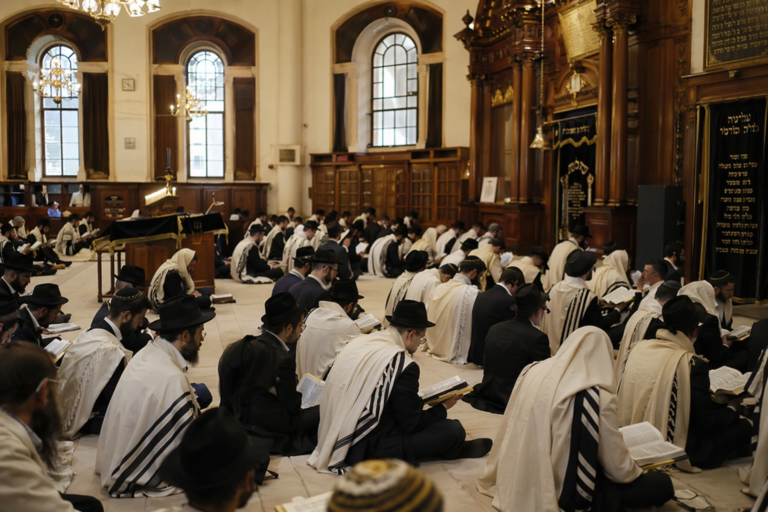
Fasting, prayer, lamentations, and different mourning practices are some of the ways people observe tisha b’av.
-
For many, it is also the time to reflect, remember, and come together.
Introduction
Tisha b’av is an important day in jewish history and jewish tradition. It is not a happy event, but a time for grief and thinking back. This day is not about joy. If you are in the UAE and want to know what tisha b’av means in 2026, it is good to learn about both its history and how people keep it.
The destruction of the temple is at the center of this day. There are special prayers, fasting, and quiet acts. Tisha b’av connects sorrow, identity, and remembrance in a strong way for many people.
The Significance of Tisha B’Av in Jewish Tradition
Tisha b’av is a very important day in the jewish calendar. For the jewish people, the day of mourning is about thinking of big losses in jewish history. Many people think first of the destruction of the Temples in Jerusalem.
In jewish tradition, the day means a lot to each person and to the whole jewish community. The day is not just about the past. It talks about exile, pain, strength, and memories that people share. To see why tisha b’av matters, people need to know about where it started, how the day is mourned, and how it shapes jewish identity over the years.
The Origins and Meaning of Tisha B’Av
Tisha b’av is the ninth day of the month of Av in the Jewish calendar. The day is special, but it is not a holiday. Instead, it is seen as a day of mourning. This is important because the meaning of tisha b’av is to feel grief, remember, and think deeply.
The day comes from Jewish history. In Jewish tradition, people believe that the First Temple and the Second Temple were destroyed on tisha b’av. King Solomon built the first temple, but later, the Babylonians destroyed it. The Romans destroyed the second temple many years after that.
Because of this, tisha b’av became known as the greatest day of mourning in the Jewish calendar. The day is not just about losing buildings. It is about losing a big part of Jewish life, worship, and what kept the people together.
Why Tisha B’Av Is Known as a Day of Mourning
A lot of people say tisha b’av is the saddest day in jewish tradition. This is because the day is full of memories to do with loss, national disaster, and pain. The destruction of the temple was a big blow for the jewish people and to the heart of jewish life.
This day of mourning has clear mourning practices. Instead of things that make people happy, there are many acts to show loss. The customs help people see, feel, and understand the sadness on the day right in their life.
-
A full fast happens, starting at sundown and ending at sundown the next day.
-
People stay away from things that give comfort or pleasure.
-
The book of lamentations and kinnot are read in services.
-
Some people sit on low stools or on the floor to show they are sad.
All of these things help everyone see and share the deep sorrow of tisha b’av in a way that has meaning for their own life.
The Lasting Impact on Jewish Identity
Tisha b’av has helped shape the identity of the jewish people for more than just one day on the calendar. It keeps the big losses from jewish history close to the memory of all, and brings earlier generations together with people who are living now. This strong link is one reason the day is still so important.
For many, the day is not just about mourning the Temple. The day gives people time to think about losing home, how hard it is to be sent away, and how jewish life keeps going through many years and places. These deep feelings are about community, belonging, and trying to survive in a changing world.
Even if you are not religious, you can still find some meaning in the day. Tisha b’av can help you remember family stories, national memory, and how the jewish people keep going strong. In this way, there is always a close tie between sorrow and who we are.
Determining the Date of Tisha B’Av in 2026
Tisha b’av does not fall on the same day in the Gregorian calendar every year. This is because it follows the Hebrew calendar instead of the regular calendar used in the UAE and most of the world. The date of tisha b’av is set on the 9th day of the Hebrew month of Av.
How do you know the date for tisha b’av in 2026? The way is to match the 9th day of the Hebrew month of av with the local calendar dates in the UAE. The next parts will show you the timing more clearly.
The Hebrew Calendar and Tisha B’Av Timing
The jewish calendar is known as the hebrew calendar. Tisha b’av is set using this system. It always happens on the ninth day of the month of av. That date always stays the same in the jewish calendar.
But when you look at the civil calendar, the date moves. The hebrew calendar and the Gregorian calendar don’t match up, so tisha b’av comes on a different day each year in UAE. You need to check the conversion each year to know the right date.
The day starts in the evening. Like many jewish days, tisha b’av begins at sundown and goes until the next night at sundown. So you have to check both the evening and daytime for the observance.
When Does Tisha B’Av Fall in 2026 in the UAE?
In the UAE, tisha b’av in 2026 is observed according to the hebrew calendar and local sundown timing. Since the fast begins in the evening and ends the following evening, people usually note both the start and end dates in practical planning.
For readers looking for a simple answer, the observance in 2026 begins at sundown on 22 July 2026 and continues until nightfall on 23 July 2026 in the UAE. Local community schedules may vary slightly by prayer times and location.
|
Item |
UAE Date / Detail |
|---|---|
|
Jewish observance |
Tisha b’av |
|
Hebrew calendar basis |
9th day of the jewish month of av |
|
Start in the UAE |
Sundown, 22 July 2026 |
|
Main daytime observance |
23 July 2026 |
|
End in the UAE |
Nightfall, 23 July 2026 |
|
Who may observe |
Members of the jewish community and others reflecting on the day |
Annual Changes and Observance in Different Years
Each year, tisha b’av is always during the month of av in the jewish calendar. This means the religious date does not change, but the civil date can be different. If you use the gregorian calendar, you might see the day fall in a new spot each year.
Even if the date moves on the regular calendar, the day of mourning still means the same thing. The fast, the readings, and the serious mood stay important. The way people mark the day stays the same, even when july or august changes.
If you are in the UAE, looking at the hebrew calendar is the best way to know when tisha b’av is coming. You can also check community notes, synagogue times, and when sundown happens in your area to help you observe the day.
Major Historical Events Remembered on Tisha B’Av
Tisha b’av brings together some of the most painful times in jewish history into one day. The day is about the destruction of the temple, as well as losing the first temple and the second temples, and the destruction of jerusalem.
As the years went by, the day also started to mark other sad times faced by the jewish people. That is why tisha b’av is not only about one thing. The day remembers many stories of loss, exile, and pain that have happened to the jewish people through the years.
Destruction of the First and Second Temples
The destruction of the First Temple is one of the main reasons people mark tisha b’av. King Solomon built the Temple and it stood at the site of the Temple in Jerusalem. The loss of the First Temple changed jewish history in a deep way.
The destruction of the Second Temple happened centuries after. The Romans attacked and had a siege of Jerusalem, and this was the second big loss. The day, tisha b’av, holds so much pain because of both these events in jewish history.
Losing the Temple was not only about the damage done to a building on the Temple Mount. It also meant losing a spiritual and shared space. For many, the loss felt like being sent out from home, living in a new place, and losing their way of life and their people’s unity.
Key Tragedies Commemorated Throughout History
As jewish memory grew, tisha b’av started to mean more than just the loss of the Temple. The day became a bigger way to remember other bad things that hit jewish groups in many countries and times.
This bigger idea is why the day is felt so strongly even now. It mixes old pain and newer losses. The day is one time for everyone to remember together.
-
The crushing of the Bar Kokhba revolt by the Roman Empire.
-
The destruction of the city of Betar and the killing of many Jews.
-
The ploughing under of the site of the temple and nearby places.
-
The expulsion of the Jews from Spain under Queen Isabella and King Ferdinand.
-
Later remembrance of tragedies including World War II.
All these stories, along with the destruction of Jerusalem and the suffering of the population of the kingdom of Judah, make the day even harder and bigger in meaning for the people.
Reflecting on Collective Memory and Lessons Learned
Tisha b’av is a hard day, but it still has meaning. In jewish tradition, taking time to remember loss is a way the jewish community holds onto its shared memory. The day helps people stay close to the past, even if the history is tough.
Many people get meaning from this. Stopping to mourn helps people say who they are as jews. It is also a way to see how the group keeps going through exile, hurt, and starting over. When you remember, it links now to what happened before.
Some people call this finding hope inside sadness. The day does not tell anyone to be happy. It helps meaning grow from being open, being together, and holding onto memory. So, tisha b’av brings both the pain of grief and the strong heart of the jewish community.
Core Rituals and Customs Observed During Tisha B’Av
Tisha b’av is marked by many traditional practices that set a serious and quiet mood for the day. The fast stands at the center of the day, but it is not the only thing people do. Mourning practices shape the way people pray, sit, study, and spend time together.
In jewish life, these customs help people see history as something real. The day does not feel like any other day. It feels different and stands apart from daily life. To know how people keep the day, it is good to look at the fasting rules, the meaning behind each action, and how the whole community takes part.
Fasting and Prohibitions Explained
Fasting on tisha b’av goes for about 24 hours. It starts at sundown the night before and goes on until sundown the next day. This fast shows grief and feels very serious. It is one of the easiest ways to see the day is not a happy one, but a day of mourning.
Along with fasting, there are other rules that cut down on comfort and how good you feel. These come from traditional mourning practices for tisha b’av. They make the day of mourning stand out and help people feel the weight of the loss, not just follow the usual way.
-
You do not have any food or drink during the fast.
-
You stay away from washing for pleasure.
-
Leather shoes are not worn on the day.
-
Using lotions, perfumes, and having marital relations is also avoided.
These mourning practices are here for a reason. They take away comfort so people can really get the strong feeling of tisha b’av.
Mourning Practices and Symbolic Acts
Besides fasting, tisha b’av also has signs that show the mood of mourning. In jewish tradition, these acts be simple but strong. They help people see that the day is not like any other day and call everyone to stay quiet and think.
A lot of traditional practices are set to let out grief by the way people sit, pray, or study. Every place might do these things a bit different, but everyone keeps the mood quiet and soft.
-
People may sit on low stools or on the floor.
-
Services focus on lamentations and tragic memory.
-
Torah study is limited, except for distressing texts.
-
The tone of prayer remains sombre throughout the day.
These signs help people get into the meaning of tisha b’av, so they can think better and show their true feelings.
The Role of Community Gatherings and Reflection
Tisha b’av is a time when many people come together in a group, not just by themselves. People in the synagogue and at community events join to mourn with each other, listen to the same words being read out, and follow the same slow pace for the day. Being with others makes the day feel deeper and more important.
For the jewish community, joining in this way helps everyone remember the past and feel like they belong. It brings together people who may have different levels of faith. Still, all come for things that matter to them all, like thinking back, dealing with loss, and keeping things going. This means a lot to people everywhere, even in the UAE.
The day lets people have quiet moments to think on their own as well. Some use the time to think about family or what happened before. Others think about exile, loss, or coming together. This shows how traditional practices help both the group and the person remember and reflect at the same time.
Special Prayers and Readings for Tisha B’Av
Tisha b’av services have readings and prayers that fit the sadness of the day. The Book of Lamentations, or the Book of Eicha, is the most well-known. People also say kinnot, which are special poems that tell about pain and loss.
These prayers set the feeling for this solemn day. They do more than just talk about the past. They let people use words for pain, memory, and hope. The next parts will show the main readings, how Nachem fits in, and what people find in them.
Book of Lamentations and Kinnot
The Book of Lamentations holds a key place on tisha b’av. People also call it the Book of Eicha. It gets read at night and during the day. The words in the book tell stories about sorrow, loss, and feeling left alone. This tone matches the feeling of the day.
Kinnot is another big part of what happens at tisha b’av. These poems share sad stories from the hard times in history. They focus on the pain and troubles the jewish people faced. The way they are written is sad, thoughtful, and made for the group.
There is a rule about learning, too. On tisha b’av, torah study is mostly not done because it is seen as too joyful. It is alright to read troubling texts about the day, though. This helps people stay sad and think about the pain and memories that come with the day.
Nachem and Other Unique Prayers
Among the special prayers in tisha b’av services is Nachem. This prayer brings comfort when the day is full of mourning. It shows that jewish tradition has more than just sadness. Even when there is grief, there is still some hope and words to help people feel better.
There are other readings as well that be part of the services. You will find special Torah portions and Haftarah readings for the morning and afternoon. Eicha is read again and again. Kinnot are said too.
These prayers and readings help shape the day. They lead people from feeling deep pain to remembering in a quieter, caring way. If you join tisha b’av services or listen closely, you will see how the wording, pacing, and themes work together. The day is very serious, but it is made to be full of meaning and thought.
Themes of Hope Amidst Sorrow
Tisha b’av is a day of deep sorrow, but many people still feel that it matters a lot. This day means a lot because it is about being honest, remembering, and not letting go of the past. In jewish tradition, showing sadness can become a way to honour people and things that were important and are now gone.
For the jewish people, to find hope even when there is sadness does not say we have to look away from pain. It is about holding on to the memory of these hard times with respect. The prayers, the fast, and the readings are there to help people see that loss is real. But it also shows everyone that to keep going and to not give up is real too. The community remembers together and that is a part of what tisha b’av is about.
That is the reason why even when people are not religious, some can still feel close to tisha b’av. They might not see it in a religious way, but they feel it through their history, their family, their talk about identity, and feeling as one. For many, meaning grows from remembering these moments, from knowing, and from having a place to belong.
Conclusion
Tisha B’Av is a special day that shows us the hard times and strength of the Jewish community. This day helps people look back at their shared story, take part in special customs, and get support from their beliefs. As we get close to Tisha B’Av in 2026, it is good to know why the day matters and how it still helps shape who we are now. You can fast, join with others, or think on your own during this time. All these things help you feel close to both the past and today. If you want to know more about how Tisha B’Av is marked in the UAE, you can reach out for help and advice.
You can read more on tisha b and the jewish community.
Frequently Asked Questions
How Do People in the UAE Observe Tisha B’Av in 2026?
In the UAE, tisha b’av in 2026 is based on the jewish calendar and local time when the sun goes down. The jewish community may fast on this day. People also go to services, read sad poems, and follow mourning ways. This event starts in the evening and goes on through the next day.
What Are the Differences in Sephardic and Ashkenazi Traditions?
Both Sephardic and Ashkenazi groups mark tisha b’av in the jewish tradition. They do it with fasting, prayer, and mourning. The main differences come in things like melodies, how they say prayers, and other traditional practices. Sephardic groups may add a special look back at history shaped by Spain, North Africa, and the Middle East.
Can Non-Religious Individuals Find Meaning in Tisha B’Av?
Yes. Many people who are not religious still feel close to tisha b’av through jewish history, family stories, and the story of the jewish people. For these people, the day is about remembering together, being strong, and who they are, not just about what they believe. The day gives a time to think about loss and how the jewish community keeps going.