Key Highlights
-
The Fast of Tammuz is on the seventeenth of Tammuz in the Jewish calendar. It is one of the known fast days.
-
People also call it the fast of the fourth. This is because Tammuz is the fourth month when counting from Nissan.
-
The day makes people remember many tragic events from Jewish history, like the breach of the walls of Jerusalem.
-
The fast also starts a period of mourning that leads up to Tisha B.
-
In the UAE, this fast begins at the break of dawn and goes until nightfall.
-
The customs on this day ask people to reflect, pray, and remember the loss of the temple.
Introduction
The fast of Tammuz is a key date in the Jewish calendar. It is one of the fast days that many people in Jewish communities know about. This day marks sad times in Jewish history. It also starts a time when people think about these events.
If you live in the UAE and want to know when the Fast of Tammuz comes, what the day is for, and how people follow it, you will find the details are easy to understand. This guide gives you a simple look at the day, its history, and what people do.
The Fast of Tammuz: Significance and Historical Background
In Jewish history, the Fast of Tammuz is a day that remembers some tragic events. This day happens in the month of Tammuz. On this day, people think about the loss for the nation, when things went wrong for the spirit, and the long way that brought the destruction of the temple.
Some of the events that people look back on include when Moses broke the tablets of the ten commandments after the golden calf. It also includes when people broke into Jerusalem, which later led to its destruction. If you want to know why the Fast of Tammuz is so important, you need to think about its purpose and the main events like these that are part of Jewish history.
What Is the Fast of Tammuz and Why Is It Observed?
The fast of Tammuz, which people also call the fast of the 17th, is one of the jewish fasts that people follow during the year. This day comes on the seventeenth day of the jewish month of Tammuz. In Zecharia, you may hear it called the fast of the fourth since Tammuz is the fourth month when people start with Nissan.
People observe this day for many reasons. The main purpose of such fasts is to remember very sad events that stand out in jewish history. Through time, this date has been tied to troubles that hurt the jewish people. This makes it a day for people to stop, think, and hold back on pleasures.
But, it is not only about one fast day. The fast of the 17th starts the annual period that people call the Three Weeks. During this time, the focus is on mourning for Jerusalem and the destruction of the Holy Temple. That is why this day feels special in both a historic and a deep emotional way for the jewish people.
Major Events Commemorated on the 17th of Tammuz
Jewish tradition says the seventeenth of Tammuz is known as a historic day of calamity. This is because of five tragic events in Jewish history. These events show times of spiritual and national crisis for the people.
Among the main events people remember are:
-
Moses broke the tablets of the ten commandments when he saw the golden calf.
-
The daily sacrifice was stopped during the siege of Jerusalem.
-
There was a breach of the walls of Jerusalem.
-
Apostomus burned a Torah scroll.
-
An idol went into the sanctuary of the Temple.
Some people say the broken city walls link to the Roman siege. Others talk about the Babylonian time and the loss of the first temple. Still, this date stands out for being a time of great loss for the people. It stays strong in their memory.
Observance of the Fast of Tammuz in the UAE
For people in the UAE, the fast of tammuz uses the jewish calendar, not the usual Gregorian one. Because of this, the civil date is not always the same every year. Like other fast days, it starts at break of dawn and goes on until nightfall.
So, it’s important to check the local time when you follow jewish holidays. If you want to plan for work, school, or prayers, you need to know both the 2026 date and what customs there are for the day. The next parts will talk about those important things in a clear way.
2026 Date and Timing of the Fast in the United Arab Emirates
In the jewish calendar, this fast takes place on the seventeenth day of the month of tammuz. Because the jewish calendar does not match the Gregorian calendar exactly, the civil date changes each year. So yes, among fast days, the Fast of Tammuz will be seen on different dates in different years.
In the UAE, the practical observance still follows the same basic rule: the fast starts at break of dawn and ends at nightfall. Local communities usually check area-specific times before the day begins, since fast timing is based on location.
|
Item |
UAE Observance Detail |
|---|---|
|
Fast name |
Fast of Tammuz / Fast of the 17th |
|
Jewish date |
17 Tammuz |
|
Calendar basis |
Jewish calendar |
|
Start time |
Break of dawn |
|
End time |
Nightfall |
|
Changes each year? |
Yes, in the Gregorian calendar it shifts yearly |
|
Local check needed? |
Yes, because exact times depend on location in the UAE |
Customs, Prohibited Activities, and Who Is Required to Fast
The Fast of Tammuz is one of the minor fasts. On this day, people do not eat or drink from early morning to night. Like other jewish fasts, people take this day in a serious way. It is the start of the Three Weeks. It reminds us of sad events about Jerusalem, the Temple, and times of some jewish kings.
Common customs and things people do not do are:
-
No food or drink during the hours of the fast.
-
Many stop cutting hair or shaving after the mourning time starts.
-
Many do not listen to music.
-
Weddings are usually not held in this period.
-
Some people do not do risky things or travel unless they must.
Who has to fast? Notes about the rules say that people who are sick, pregnant, or nursing might not have to fast. They should ask a rabbi. If you have questions on what you must do, it is good to ask a rabbi about your situation.
Practices and Traditions During the Fast
The main things people do on this day are fasting, remembering, and worship. On fast days, people don’t just stop eating and drinking. They also think about big losses in jewish history and try to set a quiet mood for the day.
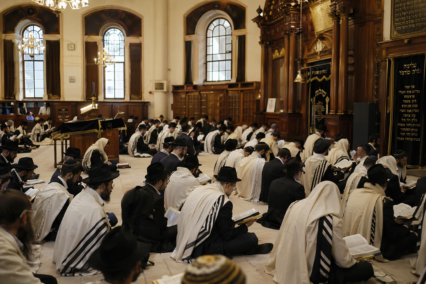
When people are in a synagogue, they say special prayers, do rituals, and listen to torah reading. The day also starts a time when people remember past losses together, so these traditions help bring together our own self-control with everyone’s memories of Jerusalem. The next parts will talk more about these practices.
Special Prayers, Rituals, and Religious Readings
Yes, there are special prayers and synagogue rules that go with this fast. The day is not just about not eating. For those who keep it, the focus is on memory, repentance, and thinking as a group.
Some things people do this day are:
-
Say special prayers that are for fast days.
-
Have a Torah reading while in the synagogue.
-
Read and talk about parts of Jewish history.
-
Look at study material that is in the talmud.
-
Talk about the fast in Masechet Taanit.
All these actions help shape the day and make it stronger for the people. The material people learn from shows that Masechet Taanit helps people know why the fast day is kept and which sad things people remember. So, prayer and study both help people get more from the day.
The Connection to the “Three Weeks” of Mourning in Judaism
The Fast of Tammuz marks the start of the Three Weeks. This is a period of mourning in Judaism. The period begins on the seventeenth of Tammuz and goes until Tisha B. It is a time that is linked to loss, siege, breach, and the steps that led to Jerusalem’s fall.
During this period of mourning, many Jewish people take on certain customs. For example, they may not get haircuts, shave, listen to music, or get married. Some people also try not to travel or do anything risky. These limits become stronger when the month of Av starts and keep going until Tisha B.
Why do these weeks matter so much? The Three Weeks lead straight to the memory of the destruction of the Holy Temple. So, the Fast of Tammuz is not just about one day. It is the start of a bigger journey with grief that many people feel together, and a time to look back at history and remember.
Conclusion
As we get close to the Fast of Tammuz in 2026, it is good to think about what this day means and the things people do during this time. The Fast is a clear reminder of the big events on the 17th of Tammuz. It helps people feel close to their culture and their faith. In the UAE, people mark this day with special ways to pray and remember together.
You might choose to not eat, or you may take part in other ways that join people on this day. Taking part helps you know more about jewish history and what it means to be part of this group. If you want to know more, or have something to ask about the Fast of Tammuz, please get in touch!
Frequently Asked Questions
How long does the Fast of Tammuz last and what are the start/end times in the UAE?
The Fast of Tammuz goes on during the daytime hours. In the UAE, like other fast days in the jewish calendar, it starts at the break of dawn. It ends at night, on the seventeenth day of the month of tammuz. You should check the exact local times before the fast.
Are children, travellers, or those unwell required to fast on the 17th of Tammuz?
The Fast of Tammuz is one of the minor fasts. Not everyone has to observe it the same way. People who are sick, pregnant, or nursing may not need to fast. If you have questions about Jewish law or your own case, talk to a rabbi.
Will the Fast of Tammuz in 2026 fall on a different date in other countries?
The fast of the fourth is based on the jewish calendar, so the Jewish date is always 17 Tammuz, no matter where you are. But, the civil date changes from country to country. The exact timing for dawn and nightfall can also be different for every place. This is the reason why people in other countries check their own schedules for fast days about when to start and end the fast.