Key Highlights
Here are the main points from our guide about Yiddish phonology:
-
The Yiddish language comes from a Germanic language base, and it got shaped by contact with Slavic languages and Hebrew. This gives its sounds a rich mix.
-
Yiddish dialects, like Eastern and Western Yiddish, have clear ways of saying words. These differences grew deeper as people moved from place to place.
-
The syllabic /n/ sound stands out in Yiddish words. It makes its own syllable with no vowel, and the way it sounds can change by the letter right before it.
-
When you say many Yiddish words, the sounds shift to be more like the ones right next to them. This is called assimilation.
-
If someone wants to speak like most Yiddish speakers, knowing these sound rules really helps. It makes the way they talk feel more smooth and right.
-
The way Stress and intonation work in Yiddish is also important. They give the language its beat and change the meaning of what people say.
These points can help you get better at the Yiddish language, whether you want to focus on Western Yiddish, other Yiddish dialects, or are just interested in how it uses Slavic languages.
Introduction
Welcome to the world of Yiddish sounds! The yiddish language is one of the most important jewish languages. It has special and lively sounds that show where it comes from. Long ago, it was the primary language for Ashkenazi Jews. With time, it picked up sounds from german, hebrew, and slavic languages. In this guide, you will find all the sounds you need to know to speak yiddish. The steps here will help you learn how it works and show you how to say the words in a better way.
Origins of Yiddish Phonology
The sounds of the Yiddish language are a mix of many language stories. Its main base comes from Middle High German, which is a kind of West Germanic language. This base gave Yiddish most of the main ways it sounds. Later on, as Jewish groups grew in eastern Europe, the language picked up parts of Slavic languages and some from Hebrew, too. That is how Yiddish got the sound mix we hear now.
All this language contact is why the yiddish language stands out from other jewish languages. Over time, the language of the Ashkenazim took many forms. This led to different yiddish dialects, with each having its own way of saying many words. We will now look at how its story shaped its sounds, what made its pronunciations special, and how people moving to new places helped change the yiddish language into its different kinds.
Historical Development
The story of Yiddish phonology starts in the 10th century. It grew from Middle High German. Yiddish is a West Germanic language, so it got many of its sounds from this root. But Yiddish was not just a part of German. From early on, it started to become its own language, mostly used in Jewish communities.
This change happened because of language contact. Ashkenazi Jews moved around Europe and picked up parts from other languages on their way. These new pieces did not just change the words but changed the sounds and rules of how to say them, too. This was mostly true for sounds from Semitic and Slavic languages.
Now, Yiddish is a mix that is both Germanic and special to Jewish people. Other Jewish languages are mostly Semitic, but Yiddish stands out because it rests on a Germanic base. Over time, it has been shaped by mixing with new sounds and words. You can still hear this history in how the words and sounds come together today.
Key Influences on Pronunciation
The way people say words in Yiddish shows its mix of cultures and history. Yiddish started with a base of High German, but you can find parts of other languages in the way it sounds. These different influences helped make a sound system that is not the same as what you hear in its language cousins.
The way Yiddish words are said changed the most because of three things. People in Eastern Europe often spoke with each other, and this brought in many ways to make sounds and use the voice from Slavic languages. Also, Hebrew and Aramaic were very important in Jewish life, and they brought in some sounds from Semitic languages, especially for Hebrew words that stayed in Yiddish.
Here are the main things that shaped Yiddish:
-
Germanic Base: The building blocks from Middle High German gave Yiddish its first sounds for vowels and consonants.
-
Slavic Languages: Being in Eastern Europe meant that Yiddish picked up new consonant sounds and different ways people talked with rhythm and tone.
-
Hebrew-Aramaic Component: This brought certain consonants and made a big impact on how some Hebrew words are pronounced when they are used in Yiddish.
Evolution Through Migration
As the Yiddish speakers moved from Central Europe to Eastern Europe and later to places all around the world, the way they spoke changed too. These changes in how the words sounded were mostly driven by people moving. This is how we got different Yiddish dialects, with each one shaped by where the people were living and the language around them. When these groups were split up, they each had their own changes in sound.
The biggest difference was between Western and Eastern Yiddish. When the speakers went east, their way of speaking picked up influences from the Slavic languages. But the people who stayed in the west or went back to Western Europe kept the way they spoke, which was different. In the 1800s and 1900s, a lot of Yiddish speakers moved to different parts of the world.
Because Yiddish speakers spread across the globe, the language kept changing:
-
United States: In the United States, language contact with English started to change how the new generation of Yiddish speakers pronounced words.
-
South Africa: In South Africa, a smaller group of Yiddish speakers formed, but they still developed their own special way of talking.
-
Other Regions: There were also Yiddish-speaking groups in places like South America and Australia. In these places, how people spoke shifted because of the languages and people they were around.
These shifts show how the movement and language contact kept shaping Eastern Yiddish in eastern Europe and around the world.
Dialectal Diversity Across Regions
The path of the Yiddish language through different regions has given us a mix of dialects. There are two main types of yiddish dialects. One is called western yiddish, and the other is eastern yiddish. Western yiddish was found in places like Germany and the Netherlands. However, people do not use it much now. Eastern yiddish grew in eastern europe and became the most used form. This made it the base for standard yiddish.
Eastern yiddish is not all the same. It splits into three main kinds. These are northeastern (lithuanian), southeastern (ukrainian), and central (polish). Each of these varieties of yiddish has its own sound for vowels and consonants. This means there is significant phonological variation between them. The way people say even one vowel can change a lot depending on the branch.
This big range of how people speak makes the yiddish language special. To really know the language, you have to know about these differences. They show the history and places of life for ashkenazi jewish people across europe. The different types of eastern yiddish are a living memory of these journeys.
The Structure of Yiddish Sounds
The sounds of the Yiddish language have a pattern, and you can expect them to follow set rules. These rules come from its own special way of using sounds. There are different yiddish dialects, but Standard Yiddish is used as the main example to help people understand the yiddish words and the way they sound. The way sounds come together in yiddish words follows a set of rules that have changed over a long time.
In the yiddish language, the sounds called consonants and vowels are put together in a way that helps people understand each other well. There are also rules about how these sounds are mixed and how they might change if one is right next to another. In the next sections, you will learn how the main sound system of the yiddish language works. You will also see the main types of sounds it uses and why this set-up matters so much.
Overview of Phonological System
The phonological system of the Yiddish language brings together sounds from Germanic roots with ones from Hebrew and Slavic languages. This system helps people know which sounds are important in Yiddish and shows how they go together. If you want to speak the Yiddish language the right way, you need to learn how these sounds work and know what makes them unique.
A big part of Yiddish phonology is its simple set of consonants, which are much like the ones you find in German. But Yiddish also uses sounds from Hebrew, like the “kh” sound. When it comes to vowels, the vowel system in Standard Yiddish is known for being easier than in Slavic languages. There are not as many vowel qualities to learn, so this helps when you first start out.
The phonological system is not just about sounds. There are also clear rules for how these sounds change and act together. For example, there are many times when a sound will change to be more like one near it. This is called assimilation, and it happens in ways that you can count on. Paying attention to these rules will help you when you speak and listen to real Yiddish.
Basic Sound Inventory
The basic sound inventory of the Yiddish language consists of a set of consonants and vowels that form the building blocks of its words. This inventory varies slightly across dialects, but the core sounds are consistent in Standard Yiddish. The consonantal distinctions are largely familiar to speakers of other Germanic languages.
The vowel qualities, however, are a defining characteristic of Yiddish phonology. Standard Yiddish has a relatively small set of pure vowels, which simplifies its vowel system compared to German. The language also makes use of diphthongs, which are combinations of two vowel sounds within a single syllable.
Here is a simplified table of some core Yiddish sounds. Note that the pronunciation of some consonants, like the syllabic /n/, can change based on context.
|
Sound Category |
Examples |
|---|---|
|
Consonants |
/p/, /b/, /t/, /d/, /k/, /g/, /f/, /v/, /s/, /z/, /m/, /n/, /l/, /r/, /kh/ (as in khutzpah), /sh/ |
|
Vowels |
/a/ (as in father), /e/ (as in bed), /i/ (as in machine), /o/ (as in go), /u/ (as in rule) |
|
Diphthongs |
/ey/ (as in hey), /ay/ (as in buy), /oy/ (as in boy) |
Significance of Sound Structure in Communication
The sound pattern of the Yiddish language is not just something that people talk about in college classes. It plays a big part in how people talk and understand each other. The way Yiddish puts together consonants and vowels, along with having clear rules for how to say the words, helps to make yiddish words clear and easy to understand for everyone. This system also helps make the yiddish language something you can learn and use in real life.
If you are learning to speak, it is important to know the sound rules in standard yiddish. For example, it helps to know how a certain /n/ sound changes because of the sound that comes before it. These small details make your words sound right to people who grew up with the language. If you say these sounds the wrong way, people might not understand you. Your speech could even sound not quite right to their ear.
There is more to it, though. Learning about yiddish sound patterns is important for people who study spoken sounds and how people say words. The yiddish language is interesting because it comes from Germanic, Slavic, and Semitic roots. This mix shows how different languages can affect each other. There are clear rules for how yiddish words change sounds, so people who study languages like to look at standard yiddish as a way to see how sound changes work in real time. This makes yiddish a good example for people learning about language contact.
Interaction Between Spoken and Written Forms
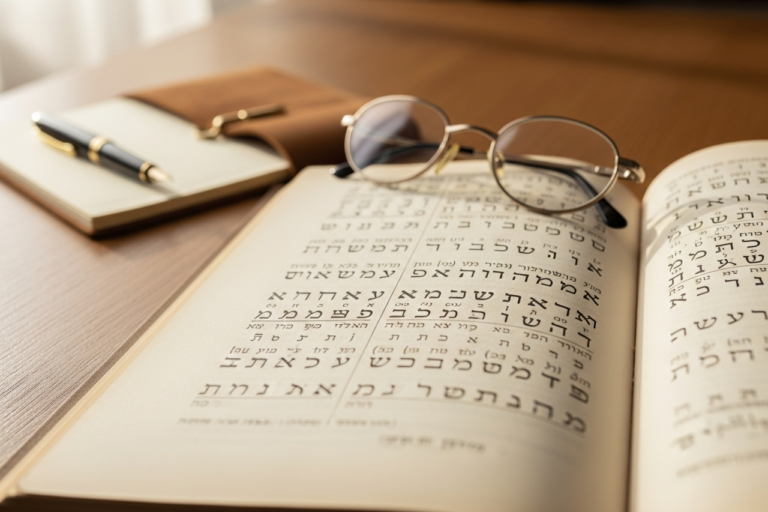
In the Yiddish language, the link between how words sound and how they are written is strong, especially in modern Standard Yiddish. It uses the Hebrew alphabet. But, in Yiddish, every letter stands for one sound, whether it is a consonant or a vowel. This makes it simple and phonetic.
Because of this, if you know the Hebrew letters and the sounds they make, you can read Yiddish words out loud just by looking at them. For example, the letter פּ stands for the /p/ sound, and ב stands for /b/. But, you should know there are some small important rules as well.
One thing about Yiddish is how some sounds are spelled. For example, the common ending “-in” (־ין) for some words is spoken only as a /n/ sound, and you do not say the written vowel. Also, when you see the letter ן (nun) at the end of a word, you will notice its sound can change, based on the last consonant before it. This bit is not shown in spelling, but it is important when speaking the Yiddish language.
If you want to learn yiddish words, or to know more about how to read Standard Yiddish, it helps a lot to first learn all the Hebrew letters.
Vowel System in Yiddish
The vowel system is one of the main parts of Yiddish language sound rules. If you compare it to its parent, High German, Yiddish language has made its vowel choices simpler. This means there are not as many different vowel qualities. The vowel phonemes of Standard Yiddish are easy to use, and this helps with the pronunciation of vowels for people who are learning.
In Eastern Yiddish, this system does not have vowel length distinctions. This is important in German but it is not found here. The system is simpler, and this is a big way Yiddish is different. Now, we will see how many vowel sounds there are, what they are like, and how they match with other languages.
Number of Vowel Sounds
Standard Yiddish is known for having only a few vowel sounds. The main vowel sounds in Standard Yiddish are the five to six basic ones—these are /a/, /e/, /i/, /o/, /u/, and sometimes /ə/ (the one called schwa). There are not many compared to languages like German or English which have a lot more. This is true when talking about vowel qualities and vowel phonemes of Standard Yiddish.
This came from the way the Yiddish language changed over time. In the past, Middle High German had both short and long vowels. But Yiddish got rid of this gap. So where High German might have a short /a/ and a long /a:/, Standard Yiddish just keeps one /a/.
Having fewer vowels makes the vowel system regular. It also makes learning Yiddish easier for many people. Yiddish has some diphthongs, like /ay/, /ey/, and /oy/, but the main group of pure vowels stays small. This is a big part of Standard Yiddish phonology.
Central Yiddish Vowel Characteristics
Central Yiddish is one of the main Eastern Yiddish dialects. It has its own vowel sounds that make it different from standard Yiddish and other Yiddish language varieties. These special vowel qualities and the way people say them help set this dialect apart. People who spoke Central Yiddish mostly lived in Poland. The vowel system in this dialect can sound very different from the Northeastern or Southeastern Yiddish dialects.
A common feature in Central Yiddish is that people often add a schwa sound (/ə/) in some words. This is called schwa insertion. It changes how words sound and how their parts fit together. This is a big part of how the dialect stands out.
The way people in Central Yiddish say some vowels can also change. For example, in standard Yiddish, a vowel might sound like /o/, but in some parts of Central Yiddish, it might sound more like /u/. These changes in vowel qualities show why the Yiddish language is so varied and interesting.
Comparison with German and Hebrew Vowels
When you look at the vowel system in the Yiddish language and compare it to German and Hebrew, there are a few main differences you can spot. Yiddish is a Germanic language, but it has made its vowel sounds more simple. Also, the way people spoke Yiddish changed how Modern Hebrew sounds.
One big way Yiddish is not like High German is in the sound and use of vowels. In German, there are long and short vowels. For example, Stahl means ‘steel’ and Stall means ‘stable.’ These vowels sound different because one is long and the other is short. You don’t see this much in Yiddish dialects. This makes the Yiddish vowel system smaller and more direct.
If you compare Yiddish to Modern Hebrew, there are some clear differences, too:
-
Vowel Inventory: Standard Yiddish has more vowel sounds, while Modern Hebrew usually has only five vowels.
-
Origin of Vowels: The vowels in the Yiddish language come from the Germanic roots. For Modern Hebrew, the sounds come from the way Sephardic Jews spoke, but early Israeli speakers also brought their Yiddish mother tongue with them, so that changed things, too.
-
Pronunciation of Hebrew Words: In Yiddish, people keep the Ashkenazi way of saying Hebrew words. This is not the same as how people say these words in Modern Hebrew.
Now you can see how the vowel sounds in standard Yiddish
Effects of Vowel Reduction
Vowel reduction happens a lot in Yiddish. In this process, vowels in parts of words that are not stressed get weak or almost disappear. This makes the pronunciation of vowels easier when people talk fast or link words together. Vowel reduction is an important thing about how Yiddish words sound. Most of the time, this changes the vowel to a schwa sound (/ə/).
The biggest thing this does is change the rhythm and sound of Yiddish. Vowel reduction often makes it hard to tell how long a vowel is because vowels that are not stressed do not get said as clear or as long as the stressed vowels. Because of this, many long Yiddish words are easier to say and go smoother when you talk.
You can see how vowel reduction works in a few main ways:
-
Unstressed Suffixes: These word endings get reduced very often. For example, the last vowel in a word can sound like a short, not-clear schwa.
-
Conversational Speech: When people talk with each other, vowel reduction gets stronger. This helps make talking quicker.
-
Silent Vowels: Sometimes, a vowel gets so weak it does not get said at all. For example, the written “yud” in the feminine ending “-in” (־ין) is not said.
yiddish words, pronunciation of vowels, vowel length distinctions
Consonant Features Unique to Yiddish
While many of the Yiddish language consonants are like those in other Germanic languages, there are things that make the Yiddish language stand out. It has some strange consonant differences that are not found in all other languages, and the language even uses sounds taken from Hebrew and Slavic languages. For example, the way voiceless stops are said in Yiddish is not the same as in German.
One sound you will often hear in Yiddish words of Hebrew origin is the voiceless uvular fricative. This sound is shown by the letter ח (khes) in Yiddish. The next sections will show a full list of Yiddish consonants. There will also be details on how some of them are special or different, plus a look at how Hebrew and Slavic languages helped shape these sounds.
Inventory of Consonant Sounds
The Yiddish language has a strong set of consonant sounds. Most of these come from its Germanic roots, but the language has added some of its own. In standard Yiddish, you have stops, fricatives, nasals, and also approximants. But, it’s important to know that the way these sounds are said can change in different Yiddish dialects.
One key thing in the Yiddish language is how it uses voiceless stops like /p/, /t/, and /k/. In German, you might hear a puff of air after these sounds at the start of words. But in Yiddish, there is usually no puff of air when you say these. This small change is important in telling Yiddish apart from German.
The consonants in standard Yiddish are:
-
Stops: /p/, /b/, /t/, /d/, /k/, /g/
-
Fricatives: /f/, /v/, /s/, /z/, /ʃ/ (sh), /ʒ/ (zh), /χ/ (kh)
-
Nasals: /m/, /n/, /ŋ/ (ng)
-
Approximants and Others: /l/, /r/, /j/ (y), /h/
This group of sounds is used in all of the Yiddish language.
Unusual Consonantal Distinctions
Yiddish phonology has some rare consonant sounds that make it different from other languages near it. These parts of the language often come from mixing its German roots with things from Semitic and Slavic languages. One well-known part is the voiceless uvular fricative /χ/. This is the “kh” sound, like in the word lakhn, which means “to laugh.” You will find this sound in German, too, but in Yiddish, it gets used more and stands out.
Yiddish has another good feature. Some dialects have both a “plain l” and a “palatal l,” where the tongue moves up closer to the roof of your mouth. This is not very common in Standard Yiddish, but it is found among Northeastern Yiddish speakers. This idea most likely comes from nearby Slavic languages.
Here are some more important differences found in various types of Yiddish:
-
Palatal Consonants: Some dialects let you hear a difference if /l/ or /n/ is palatalized. This means they get said with the tongue touching the hard palate above your mouth. This shows the strong effect of Slavic languages.
-
Lack of Aspiration: Another point is the lack of extra puff of air (aspiration) on voiceless stops like /p/, /t/, and /k/. This trait is seen often in Yiddish and helps set it apart from German.
These features show why
Influence of Surrounding Languages
The consonant system in the Yiddish language shows a lot about what happens when people speak more than one language. Even though its base comes from a Germanic language, many years of living with other European languages, and especially with Slavic languages, have really changed how Yiddish sounds. The pronunciation rules and which consonants people use in Yiddish changed because of all this contact.
This isn’t just about adding new words like some languages do. It is also about using new sounds and rules for putting those sounds together. For example, in some Yiddish dialects, the way consonants are palatalized—meaning how sound is made by bringing the tongue near the roof of the mouth—comes from talking with people who spoke Polish and Russian where this happens a lot.
Key influences include:
-
Slavic Languages: These gave Yiddish some palatalized consonants and helped shape how people say some fricatives and affricates.
-
Hebrew-Aramaic: Added the voiceless uvular fricative /χ/ (kh) and some other Semitic sounds that are now part of how people speak Yiddish.
-
Germanic Base: Gave the main group of consonants that Yiddish started with, but over time Yiddish changed how some of them sounded, like dropping some of the breathy (aspirated) sounds.
This all shows how language contact with european languages, especially Slavic languages, shaped the yiddish language we know
Role of Voicing and Place of Articulation
In Yiddish sounds, voicing and place of articulation are two important ideas. These two ideas help us know what a consonant sound is. Voicing is about if the vocal cords move when you make a sound. For example, /b/ is voiced because the cords move, but /p/ is voiceless because they do not. This difference matters a lot for Yiddish. It helps make pairs like briv (letter) and priv (test).
Place of articulation tells us where in the mouth you make a sound. For example, /p/ and /b/ are made with both lips, so these are called bilabial. On the other hand, /k/ and /g/ are made at the back of the mouth when the tongue goes against the soft part on the roof. This is called velar. This idea is very important in standard yiddish when we want to know about how sounds can change together.
One clear rule you can see in standard yiddish is about the syllabic /n/. The way you say the last “-n” sound changes its place to match the sound that comes before it. After a lip sound like /b/ in shraybn (to write), the “-n” is said with the lips. This shows that these basic ideas are at the center of how the language sounds work.
Syllabic Consonants and Schwa Insertion
Two interesting things in the sounds of the Yiddish language are using syllabic consonants and putting in a schwa. In a lot of Yiddish words, a consonant like /n/ can be the main part of a syllable. It works as the main sound without a vowel. This is a special thing that you can find in most Yiddish dialects.
On the other hand, adding a schwa happens most in Central Yiddish. With this, a short and weak vowel sound, called a schwa (/ə/), is added in some places. These two ways—one taking away a vowel and one putting one in—show how the Yiddish language and its sounds can change. This helps explain why yiddish words and different yiddish dialects can sound the way they do.
Syllabic /n/ and Its Function
The syllabic /n/, shown as ן (nun) at the end of many Yiddish words, is important in the yiddish language. It makes a new syllable but does not add a vowel sound. The /n/ becomes the main part of the syllable, and in phonetics, this is written as /n̩/. You see it often in plural nouns like *gasn* (streets) and in verb forms like *redn* (to speak).
This feature is hard for people whose first language does not use syllabic consonants much. They might try to pronounce the last “-n” with a vowel sound by mistake. Instead of saying the final “-n” as its own syllable without a vowel, they could say [re.dən] when the correct form is [redn̩].
Learning how to say the syllabic /n/ is very important for sounding like a native speaker of the yiddish language. This sound changes the rhythm and how people speak. Its pronunciation follows clear rules based on the consonant before it. The syllabic /n/ stands out and is one of the most important sounds to know when using yiddish words.
Central Yiddish: Schwa Insertion Explained
Schwa insertion is a sound change found in Central Yiddish, which is one of the main Yiddish dialects. It means adding a weak vowel, called a schwa (/ə/), between some groups of consonants. This happens in Central Yiddish, but not in standard yiddish or other yiddish dialects. In those, the consonants are usually said together without a vowel in between.
This makes saying words feel easier for people using this dialect, since it splits hard consonant pairs. But, it’s not done at random. It follows certain rules based on how the sounds go together. For instance, it happens where other dialects might use just a consonant as a syllable.
Here are some things you need to know about how schwa insertion works in Central Yiddish:
-
Breaking up Consonant Clusters: Instead of using a syllabic /n/ for a word like redn (to speak), someone from Central Yiddish might say [re.dən].
-
Context-Dependent: The schwa is put in where the rule says, usually after a consonant at the end of a word.
-
Dialectal Marker: This is a main sign that separates Central Yiddish from other jewish languages and yiddish varieties.
Assimilation Processes
Assimilation is a basic part of how sounds work in the Yiddish language. It happens when one sound changes to be more like the next sound that is right next to it. This makes it easier for people to say yiddish words. In Standard Yiddish, this sound change happens in a regular way and you can see it in a lot of yiddish words. It is one of the main rules you need to know in order to speak the yiddish language in a smooth and natural way.
The clearest case of this rule is when you have the syllabic /n/ at the end of a word. How you say this final “-n” depends on the sound of the letter right before it in the word. This is not only something that happens when talking fast, but is a real rule in the language.
Here is how yiddish language does this with the syllabic /n/ (־ן):
-
After /p/ or /b/: You say it as a syllabic [m̩]. For example, shraybn (write) sounds like [shraybm̩].
-
After /k/, /g/, or /kh/: The /n/ becomes a syllabic [ŋ̩], which is like the “ng” sound. For example, lakhn (laugh) sounds like [lakhŋ̩].
-
**After /f/ or /v/:
Common Patterns in Everyday Speech
In everyday talk in the Yiddish language, you can hear sound patterns that are not so clear just by looking at the words. These patterns are about how sounds get easier and quicker in speech. They help you to really get how Yiddish sounds when people speak it day to day.
One sound change that happens a lot is when the “n” sound at the end of some yiddish words blends in so much that it sounds like “ng.” You will hear people say shraybm instead of shraybn (write) and trogn (carry) with that “ng” sound as the end. This is normal for many who speak Yiddish, no matter their dialect.
Other things you can find often in how people speak Yiddish:
-
Vowel Reduction: Vowel sounds that are not stressed turn into a fast “uh” sound (schwa). This makes how they talk move quicker and sound more smooth.
-
Contractions: People like to shorten words, especially prepositions and articles. For example, mitn replaces mit dem (with the). You also hear the special use of the “n” sound here.
-
Dialectal Variations: Your yiddish words may sound a little different depending on the dialect. Speakers can use different vowel qualities, and they can say some consonants in other ways.
Hearing and using these features can help you sound more natural in yiddish language and understand
Prosody in Yiddish Phonology
Prosody is an important part of how the yiddish language works. It includes the way stress, rhythm, and intonation sound when you speak. These parts make the yiddish language sound musical and help people show meaning and feeling. These features cover whole words and groups of words, not just single sounds.
Knowing about yiddish prosody is as important as knowing about its vowels and consonants. Where you say the stress in a word can change what it means. The way you use intonation can show if you are asking a question or making a statement. In the next parts, we will talk about the main parts of the sound and style of spoken yiddish.
Stress Placement Rules
Stress in the Yiddish language follows some basic rules. These rules help with the way you say and understand yiddish words. In most yiddish words that come from German, the main stress is usually on the first part of the word. This first part is the root of the word. Many times, it is also the first syllable.
But yiddish language takes words from many other languages. Because of this, stress in some words might be different. If a yiddish word comes from Hebrew or Slavic, then it often uses the stress patterns from those languages. So, you need to know where the word is from to know where the stress will be.
Here are some common rules for stressing yiddish words:
-
Germanic Words: Put stress on the first syllable of the root (for example, lerern, ‘teacher’).
-
Hebrew-Aramaic Words: Often, the last syllable has the stress (for example, shabes, ‘Sabbath’).
-
Slavic Words: The stress moves more, but usually follows how the source language does it.
Knowing these basic rules helps you get better at speaking and understanding yiddish language.
Intonation Patterns
Intonation means how the voice goes up and down when people speak. It is a big part of the yiddish language. It helps show feeling, grammar, and what the speaker wants to say. Intonation makes talking in Yiddish feel lively and fun. The way people use their voice is easy to notice in Yiddish.
In yiddish language, intonation can change a statement into a question. This happens even when the word order stays the same. For example, just ending a normal sentence with a rising voice turns it into a question. Many languages do this, but the style in Yiddish sounds different.
Key intonation patterns in the yiddish language include:
-
Statements: Most of the time, the voice falls at the end.
-
Yes/No Questions: The voice goes up sharply.
-
WH-Questions: The voice often falls, much like in statements.
These patterns are needed to show all the small details when people talk in Yiddish.
Rhythm and Speech Flow
The way the Yiddish language sounds has a lot to do with its rhythm and speech flow. Yiddish is what we call a “stress-timed” language. The beat in Yiddish comes from the time between the stressed parts of words, not from how many syllables the word has. Because of this, spoken Yiddish gets a steady beat.
This “stress-timed” thing is stronger because unstressed parts of yiddish words, like vowels, get squeezed and can even drop out. Sometimes, Yiddish uses spots in words where the only sound is a consonant, like /n/. These tricks help keep the rhythm steady and make the words flow nicely together.
Some things help create Yiddish rhythm:
-
Stress-Timing: The stressed parts of words come at pretty even times.
-
Vowel Reduction: Unstressed vowel sounds are quick or shortened. This keeps speech moving.
-
Syllabic Consonants: Sounds like syllabic /n/ become their own part in a word without needing a full vowel. This also shapes the rhythm.
People who use yiddish language notice the smooth timing of the language, and these parts make yiddish words sound like they do.
Emphasis in Conversational Yiddish
In everyday conversations in the Yiddish language, emphasis helps speakers underline important information, show strong feelings, or point out differences. People put extra stress on certain words in a sentence. This tells the listener what part to focus on. Using emphasis in this way is a big part of how the Yiddish language shows feelings.
Where you place the emphasis depends on what you want to say and the situation. For example, in the sentence “Ikh hob gezen a groysn hunt” (I saw a big dog), you can stress “groysn” (big) if size matters most, or say “ikh” (I) louder if you want folks to know it was you who saw the dog, not someone else. You do this by saying the word a bit stronger and at a higher pitch.
This way of using stress is part of how people speak the yiddish language. It opens up lots of ways for people to share meaning, which makes speaking Yiddish lively and full of feeling. Learning how to use emphasis helps you get more than just the basic meaning, so you better understand what a speaker truly wants to say.
Dialectal Variations
The yiddish language is made up of many dialects. It is not just one type of speech. There are big differences in how people say words. The two main groups are eastern yiddish and western yiddish. Eastern yiddish also has several main varieties of yiddish in it. These different ways of talking came from Jewish groups moving all over Europe. Each group used the local language where they lived.
You can really see this in how vowels are spoken. For example, one word can sound totally different in northeastern yiddish (Litvish), southeastern yiddish (Ukrainish), and central yiddish (Polish). The next parts will talk more about these interesting changes in the yiddish language.
Eastern vs. Western Yiddish Phonology
The main way Yiddish dialects are split is between Western Yiddish and Eastern Yiddish. These two have different ways of using sounds. Western Yiddish used to be spoken in Central and Western Europe. It is the older form of Yiddish. Now, very few people speak it. Eastern Yiddish started in Eastern Europe and became used by most people who speak Yiddish.
Their biggest difference is in how they use vowels. Western Yiddish kept vowel length distinctions from Middle High German and High German. This means it had more vowel sounds. Eastern Yiddish lost these differences. So, it has fewer vowel sounds.
Here are some main differences in speech:
-
Vowel Systems: Western Yiddish keeps long vowels. Eastern Yiddish mixes long vowels with short vowels.
-
Vocabulary and Pronunciation: The words that both forms share often sound different, showing how each changed over time.
-
Geographic Spread: Western Yiddish was spoken near areas where people speak German. Eastern Yiddish is spoken in eastern Europe and is shaped a lot by Slavic languages.
Many Yiddish speakers today use Eastern Yiddish. The split between dialects shows how different places and languages, like Middle High German and Slavic languages, helped shape Yiddish’s growth.
Major Subdialect Differences
There are three main types of eastern yiddish dialects. Each one sounds different, and it has its own way of using vowels. These are Northeastern Yiddish (Litvish), Southeastern Yiddish (Ukrainish), and Central Yiddish (Poylish). The thing that stands out the most is how the vowels change. This is called “vocalism.”
A common way to show this is by the way people say the vowel in words like brot (bread). Northeastern Yiddish uses an /ey/ sound. Central Yiddish uses /oy/. Southeastern Yiddish uses /u:/. When you hear this vowel, you know just where someone comes from.
Here are some key things to know about the different eastern yiddish dialects:
-
Northeastern (Litvish): It is known for something called “sabesdiker losn.” The “sh” sound in Hebrew words is often said as “s”. There is no difference made between long and short vowels.
-
Southeastern and Central (Southern Yiddish): These two are often called Southern Yiddish. They have some things in common, but they each have their own vowel sounds. This makes them different from each other and also from the Northeastern dialect.
Geographic Influences
Geography has always shaped the way the Yiddish language sounds. As Jewish groups moved to different parts of Eastern Europe, their way of speaking was changed by the languages in each area. This made new Yiddish dialects. The place where people lived left a mark on the sounds they used when they spoke Yiddish.
Southern Yiddish (Southeastern and Central) spoke in parts where Slavic languages like Ukrainian and Polish had a strong impact. This brought things like palatalized consonants into the Yiddish language. Northeastern Yiddish, on the other hand, was changed by languages such as Lithuanian and Belarusian.
When Yiddish speakers moved to the United States and other places in modern times, the language kept changing. Meeting English and other languages caused new ways of speaking for young people. The sound of the Yiddish language is always shaped by where you find it.
Modern Changes in Urban Centers
In modern times, the way people speak the Yiddish language is always changing. This is happening more in big cities where there are many yiddish speakers, like new york and jerusalem. In these places, different yiddish dialects mix together, and the main language in the city, like english or modern hebrew, changes how yiddish sounds.
One big thing is that the strong differences between old yiddish dialects are going away. People from different places talk with each other in the cities, so a new type of yiddish comes out. This mix, or more even way of talking, is seen a lot in younger yiddish speakers in hasidic communities.
Also, in cities like new york or jerusalem, yiddish pronunciation is being shaped by english or modern hebrew. New sounds show up, and the way people say words might change to fit the local language pattern. These big cities now are places where the future of yiddish language is being made.
Yiddish in Comparison with Neighboring Languages
Comparing the yiddish language to other languages around it shows that it has a unique way of using sounds. The yiddish language is a germanic language. It grew up in a place where people spoke Slavic languages. It uses some sounds from Hebrew, too. Because of this mix, yiddish phonology is a good example of language contact. Its sound system uses parts from all three language groups.
Looking at yiddish and modern hebrew is also interesting. Early israeli speakers often used yiddish to help guide how they said words in modern hebrew. Even so, the two now have very different sound systems. The next parts will talk about how they are alike and how they are different. This will help us see where yiddish fits in with other languages around the world.
Distinctions from Modern Hebrew
While the yiddish language and modern hebrew are both important in jewish culture, they sound different in many ways. Yiddish language comes from German, while modern hebrew is a Semitic language. This means they have different sounds, stress rules, and how words flow when spoken.
Standard yiddish has more vowels and diphthongs than modern hebrew, which uses a five-vowel system. Even common words from the “holy tongue” have different sounds. Yiddish language uses the Ashkenazi way of saying these words, but the language of israel uses a way called Sephardic pronunciation.
Key distinctions include:
-
Stress: Yiddish language can stress different parts of a word. It often starts with a stress on the first syllable for German words and puts the stress at the end for hebrew words. Modern hebrew usually stresses the last or second-to-last syllable.
-
Consonants: Standard yiddish does not use some of the deep throat sounds found in hebrew. The /χ/ (kh) sound is used in a different way.
-
Vowels: Standard yiddish has more vowels and diphthongs like /ey/ and /oy/, which are not in modern hebrew.
The yiddish language and modern hebrew are easy to tell apart by their sound and how they use stress and vowels in their words. Both are key to jewish culture but show their roots in different ways.
Adaptations from Slavic Languages
The Yiddish language has taken in many things from different Slavic languages. This made the sounds in Yiddish richer. Because of this, Eastern Yiddish now has special sounds and ways of saying words. These help set it apart from its German roots. For example, the voiceless stops found a lot in Yiddish often come from the voices in Slavic languages. These sound changes make the Yiddish language grow with new words.
These changes also show how, over time, different people came into contact with each other. Many Jewish people moved across Eastern Europe, which helped shape the many versions of Yiddish spoken today. You can still hear these touches in the Yiddish dialects spoken by today’s Yiddish speakers, both in Eastern Europe and in the United States.
Germanic Roots and Differences
The history of Yiddish is strongly linked to its German roots. The language is shaped by middle high german and high german. Many things in its sound and structure are like west germanic languages. Still, it is different in how some vowels sound and the way some consonants are spoken. For example, it uses voiceless stops and has changes in vowel qualities and vowel length distinctions. Yiddish grew out of long years among Jewish people in eastern europe. The language is full of culture and meaning.
Influence on Israeli Phonological System
The way people speak Hebrew today is shaped by Yiddish sounds. This is seen most in modern Hebrew. Those who have Ashkenazi roots often use Yiddish ways of saying words when they speak Hebrew. For example, vowels in Yiddish can change how vowels sound in modern Hebrew. This can make vowel length distinctions and quality different. Some consonant sounds, like the voiceless uvular fricative from Yiddish, can be heard when some Hebrew speakers say certain letters. This mix of sounds shows how Yiddish and Hebrew blend together in Jewish language.
Practical Guide to Yiddish Pronunciation
When you speak standard Yiddish, clear pronunciation can help its sounds stand out. Start by listening to the vowel phonemes of standard Yiddish. These sounds tell people if a vowel is long or short, or how it should sound. If you know these differences, you can find the syllable nuclei in each word. This skill can help Yiddish speakers talk better and understand each other.
There are some things to look out for. Pay close attention to voiceless stops and the voiceless uvular fricative. These may sound very different from what you find in other languages. If you practice using these, you can speak in a way that feels real and natural. This will help you feel sure of yourself as you use this new language.
How to Pronounce Common Sounds
Saying common Yiddish sounds can be fun but may also be hard at first. Start with the vowels. Try to listen for short and long sounds because this can change the meaning. The way you say consonants in Yiddish has some special rules. For example, there is a sound called the voiceless uvular fricative that you do not hear often in English. Try to make the “z” sound, and also the “kh” sound, which is like clearing your throat.
Listen to fluent Yiddish speakers to get used to these sounds. Make it part of your daily practice if you want to get better with Yiddish. There are various Yiddish dialects, and each one can have its own way to say these sounds. Try to listen to yiddish speakers from different places to hear new things about how they talk. This will help you learn the different parts of Yiddish that are out there.
Tips for Accurate Pronunciation
Mastering how to say words right in Yiddish helps you talk better with Yiddish speakers and enjoy the language more. Pay attention to the way vowels sound and the special consonants, like voiceless stops and the voiceless uvular fricative. Listen to native speakers through audio recordings or go to Yiddish events. This lets you pick up on what makes the sounds unique. Practice with different Yiddish dialects to get used to the way people say things in various places. Get into the rhythm and feeling of the language. This helps you connect with its rich past and strong culture.
Overlooked Features and Pronunciation Pitfalls
Pronunciation in Yiddish can be hard. This is because the language has some sounds that most people do not know about. One thing to watch for is vowel length distinctions. If you ignore these, you may not understand what people say. Yiddish also has a voiceless uvular fricative. This is not common, so it can be tough to say. Native speakers often switch between dialects. This makes their pronunciation change, and can confuse new learners. If you pay close attention to these small things, you will get better at using and understanding Yiddish. This helps you feel more a part of the culture and the language.
Conclusion
Learning about Yiddish phonology helps us understand more about the language and the rich Jewish culture it comes from. Yiddish is a living language. It has grown from many different places and traditions. It mixes Slavic, Germanic, and Hebrew words and sounds. This makes it unique for Yiddish speakers across the world.
This language has special vowel qualities and ways of speaking that help people show their feelings and ideas in a lively way. When we respect its past and see how it is used today, we feel closer to this beautiful language. This also encourages the next group of Yiddish speakers to keep its rich heritage strong and alive.
Frequently Asked Questions
What makes Yiddish phonology unique compared to German or Hebrew?
Yiddish phonology stands out because it mixes sounds from Germanic, Slavic, and Hebrew. The way the vowels and consonants are spoken in Yiddish is not the same as in German or Hebrew. These special sounds make Yiddish unique and show the mix of language backgrounds in it.
Are there any sounds in Yiddish that are particularly difficult for English speakers?
Yes, people who speak English often find it hard to say some Yiddish sounds. This is true for the deep throat “kh” sound and the “oy” sound. It can also be tough to tell the difference between voiced and voiceless sounds. If you get to know these different ways to say words, your pronunciation will get better.
How does schwa insertion impact word pronunciation in Yiddish?
Schwa insertion in Yiddish often changes how the syllables sound. It helps make words smoother and easier to say. This change can also move the stress to a new part of the word, which can change what it means. Knowing about this is important if you want to say and understand yiddish words the right way.