Key Highlights
-
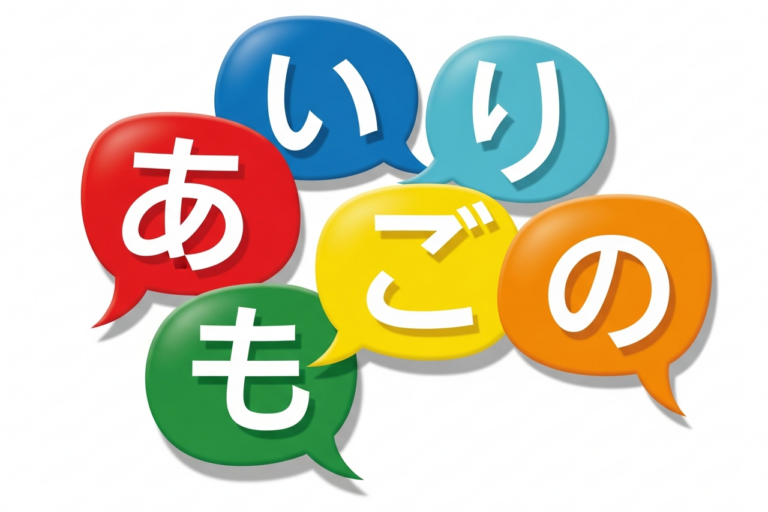
The Japanese language has five main vowel sounds. These are あ (a), い (i), う (u), え (e), and お (o).
-
Getting Japanese pronunciation right is very important. The pure vowel sounds are the same all the time, and they make up every syllable in Japanese.
-
You can write each Japanese vowel in one of two ways. Use hiragana for words that are native to Japanese and katakana for foreign words.
-
The International Phonetic Alphabet (IPA) shows learners how to say every vowel sound in a clear way.
-
Knowing about both short vowels and long vowels is a must. This is because how long you hold a vowel can change the meaning of a word in Japanese.
Introduction
Welcome to your easy guide for the Japanese language vowels. If you want to start with Japanese, it is good to first learn the five simple vowel sounds. These sounds are a core part of all Japanese pronunciation. The good news is that they are not hard to learn. In this article, you will see steps on how to say and write each vowel in Japanese. You will also understand how each vowel works in words. Let’s begin your journey to better Japanese pronunciation and a strong base in the language.
Japanese Vowels Overview
In the Japanese language, vowels are at the center of how words sound. There are five main vowel sounds. They are not like English vowels. In Japanese, these sounds stay the same every time, so they are clear and strong. Nearly every Japanese syllable ends with one of these vowels, even when it has a consonant sound before it. This simple rule helps make Japanese phonology easy for most learners.
For native speakers, vowel phonemes do not change. This stays true in almost all words, which is good for you. Once you know the five main vowel sounds, you will be able to say many Japanese words the right way. We will look at what these five vowels are, and talk about why Japanese uses just these five.
japanese language native speakers japanese phonology vowel phonemes consonant sound japanese vowel english syllable learners phonology
The Five Core Vowels: あ, い, う, え, お
The base of Japanese pronunciation is made up of five main vowels. Each of these has a hiragana character: あ (a), い (i), う (u), え (e), and お (o). Every character always has the same sound. This helps make the learning process much easier than in English.
This is how to say them: あ (a) is like “a” in “father.” い (i) sounds like the “ee” in “see.” う (u) is said like the “oo” in “flute.” え (e) is the same as the “e” in “get.” お (o) is just like the “o” in “go.” All of these sounds are called vowel phonemes. They are the core for nearly every Japanese syllable.
In Japanese, these sounds stay steady and don’t change because of nearby consonants. It is not like English, where a vowel sound can shift a lot. If you learn how to say these five high vowels well, you will boost your Japanese pronunciation. This will make you sound much more like a native speaker and help you pick up words better. Mastering these simple vowel sounds is the first step to understanding and using Japanese like those who have spoken it all their lives.
How Many Vowels Are in the Japanese Language?
The Japanese language uses only five vowel sounds. These vowel phonemes are /a/, /i/, /u/, /e/, and /o/. This is the full set of vowels you will hear in standard Japanese. It is small and simple, which makes the japanese language easier for new learners. In english, there are many more vowel sounds. That can confuse people starting out.
Because there are only five vowels, each one is clear. There are no sounds that are hard to guess or kind of in-between. Each of these short vowels has one set way to say it. The pronunciation does not change from word to word.
Having just five vowels impacts japanese phonology a lot. With such a small set, the sound system of the language is easy to follow. Every syllable in japanese, except ん ‘n’, must end with one of these five vowels. This rule helps shape the rhythm and flow of the japanese language. That makes the sound of japanese very regular and built around these vowel sounds.
Japanese Vowel Pronunciation Fundamentals
Getting good at Japanese pronunciation starts with learning how to make every vowel sound the right way. In Japanese, each vowel is clear and simple, not like in English where vowels can change and often mix with each other. The way your tongue moves and the shape of your mouth help you get these sounds right. For example, sometimes your tongue should be close to your upper teeth, and other times it needs to be farther back in your mouth.
You need to make sure your pronunciation is not only right, but also stays the same. No matter if the vowel is at the start of a word or used with Japanese consonants, the vowel sound does not change. If you focus on these things, you will get a better pitch accent. Plus, native speakers will have a much easier time understanding you, even if you are just saying a place name. In the next part, we will talk about a tool that can help with this and see how the sounds are different from English.
International Phonetic Alphabet (IPA) Representation
The International Phonetic Alphabet (IPA) is an invaluable tool for any language learner. It provides a standardized symbol for every sound in human speech, removing the guesswork from pronunciation. For the pronunciation of the Japanese language, the IPA helps you see exactly how each vowel is supposed to sound, free from the inconsistencies of English spelling.
Using the IPA allows you to understand the precise articulation of each Japanese vowel. It helps distinguish them from similar-sounding English vowels, which is a common hurdle for beginners. By learning these simple IPA symbols, you gain a clear, technical understanding of the sounds you’re trying to make.
Here is a simple table showing each Japanese vowel, its hiragana character, and its corresponding IPA symbol. This will serve as a reliable reference as you practice.
|
Hiragana |
Romaji |
IPA Symbol |
|---|---|---|
|
あ |
a |
[a] |
|
い |
i |
[i] |
|
う |
u |
[ɯ] |
|
え |
e |
[e] |
|
お |
o |
[o] |
Comparing Japanese vs. English Vowel Sounds
One of the hardest parts for people who speak English and want to learn Japanese is to stop using their English vowel rules. The English alphabet has the same five vowel letters, but each letter can mean many sounds. In Japanese, there are just five vowel sounds. Each one always keeps the same sound, and it does not change.
This is very important to know. In English, the letter “a” does not always sound the same. It can be like the “a” in “cat,” “father,” or “late.” In Japanese, the letter あ (a) always sounds just like the “a” in “father.” This way of keeping every sound the same helps people get better at japanese pronunciation.
Here are a few main things to keep in mind for [japanese pronunciation]:
-
Purity: Japanese vowels sound clear and simple. They do not glide or change like English vowels do. For example, the English word “ice” has the “i” sound changing as you say it.
-
Consistency: Every Japanese vowel sound always stays the same. For example, い (i) is always said like “ee.” In English, the “i” in “sit” does not sound the same as “i” in “site.”
-
Tension: You do not move your mouth as much for Japanese vowels. They are quicker and stronger than in English.
-
The ‘u’ Sound: The Japanese
Writing Japanese Vowels in Hiragana and Katakana
Japanese writing uses three main scripts: hiragana, katakana, and kanji. The vowels you are learning have their own letters in hiragana and katakana, which are both sound-based scripts. Hiragana has round shapes. People use it for native Japanese words as well as for grammar. Katakana has sharp, straight lines. It is used when you write foreign words, foreign names, or when you want to show something is special.
You can start with romaji, which shows Japanese using the Roman alphabet. But to read and write Japanese in the right way, you need to learn both hiragana and katakana. Now, let’s see how the five vowels look in each script and how they are used in japanese writing.
Hiragana Symbols for Each Vowel
Hiragana is usually the first script that people who want to learn the Japanese language start with. There are 46 hiragana symbols, and each one goes with a syllable sound in the language. When you start to learn Japanese, you need to pick up the five vowel characters first. Each kana character looks different with its own easy and flowing lines. This set of symbols is used to write words, particles, and verb endings that come from Japanese.
You must know these five hiragana vowels. There are a lot of words that use them, like when you say “hi” in Japanese or when you write a name. These five characters sit as the first line in the traditional gojūon chart, which is how students put hiragana in order.
Here are the five vowel symbols in hiragana:
-
あ (a): This is a curvy symbol, and you write it with three strokes.
-
い (i): There are only two simple lines. The left line is a bit longer and turns at the end.
-
う (u): You use one small stroke at the top, then a bigger, curved stroke under it.
-
え (e): This has one line going across the top and then a bumpy line that goes down and to the right.
-
お (o): First you draw a line going across, then a straight line that has a loop, and last a short mark on the side.
Katakana Representation and Uses
Katakana is the second sound-based writing system in Japanese. It has the same sounds as hiragana. But its letters look sharper and have straight lines and angles. Most of the time, katakana is used for foreign words and loanwords that you see a lot in modern Japanese. You can also see katakana when people want to stand out text, much like when you use italics in English. It also shows up in manga and anime to show sound effects, and you find it in words for science.
When a word comes from a language other than Japanese, people will change it to match the Japanese way of saying things. They will then write it in katakana. As an example, “computer” is turned into コンピューター (konpyūtā). Knowing katakana is a big help for getting around in Japan every day. You see it on menus, at stores, and all in the places connected to pop culture. Katakana is not like kanji, there are just 46 basic symbols to pick up.
Below are the katakana signs for the five vowels:
-
ア (a): Made with two simple, sharp lines.
-
イ (i): Has one line that goes at a tilt, and one short line that is straight through the middle.
-
ウ (u): Made with three lines that come together to make a “roof” shape.
-
エ (e): Made from three straight lines, kind of like
Vowel Length in Japanese
In Japanese, how long you say a vowel sound can change the meaning of a word. This is called vowel length. There are short vowels and long vowels. A long vowel should be held about twice as long as a short one. This is an important part of Japanese pronunciation. People just starting to learn Japanese need to get this right or they may not be understood.
This idea comes from something called a mora. A mora is a unit that measures the timing of a sound. One short vowel is one mora. A long vowel is two mora. Double consonants work in a similar way. A little pause for double consonants also adds a mora. This small change can even make a word mean something else. Now, let’s see why this is such a big deal and check some good examples together.
What Is Vowel Length and Why It Matters
Vowel length is very important in the Japanese language. It changes how words sound and what they mean. In Japanese, a long vowel lasts for two beats, which is called two mora. A short vowel only lasts for one beat. If you don’t pay attention to this, you can mix up words, just like if you say “ship” when you want to say “sheep” in English. The meaning changes a lot.
If you use the wrong vowel length, it can cause confusion. People may not get what you mean, or you might say something that sounds funny or rude. For instance, you might call their grandmother (おばあさん, obāsan) their aunt (おばさん, obasan) by mistake. That can be a little embarrassing. So, getting the vowel length right really matters for good communication.
In Japanese, vowel length also connects with the pitch accent. This can make the pronunciation seem even harder. It’s best to learn how to use long vowels and short vowels from the start. Doing this will help you talk more clearly and feel more natural when you speak Japanese.
Examples of Long vs. Short Vowel Sounds
When you see the difference between long and short vowel sounds in real Japanese words, you can understand why it matters. A long vowel sound in romaji is shown by either a line over the vowel (like ā) or by writing the vowel two times (aa). When written in hiragana, it is made by adding another vowel character.
What looks like a small change in the vowel length can actually make two totally different words. This is not just a small detail. It is a clear rule in the language. Getting the vowel length wrong is a mistake that many people make. This makes it hard for native speakers to get what you are trying to say, even when you use a simple place name.
Here are a few word pairs that show how the vowel length can change the meaning:
-
おばさん (obasan) – aunt vs. おばあさん (obāsan) – grandmother
-
ゆき (yuki) – snow vs. ゆうき (yūki) – courage
-
え (e) – picture vs. ええ (ee) – yes (informal)
-
ここ (koko) – here vs. こうこう (kōkō) – high school
-
とり (tori) – bird vs. とおり (tōri) – street
Tips and Tricks for Remembering Japanese Vowel Sounds
Memorizing new sounds can be hard, but you can use many good ways to help you remember them. For Japanese vowels, one of the best ways for learners is to use pronunciation mnemonics. This means you link the new sounds to simple words that you already know in your own language. These mental tricks turn the strange sounds into something you can understand. They help you remember them better when you talk.
Other than mnemonics, you also need to use active listening and do a lot of repetition. Listen closely to how Japanese people say these vowels. Try to say them the same way they do. The more you hear and use the sounds, the better your Japanese pronunciation will get. You will start to sound more natural with time.
Pronunciation Mnemonics for あ, い, う, え, お
Using pronunciation mnemonics is an easy way to remember the five basic Japanese vowel sounds. These memory tools join each Japanese vowel with an English word or sound you know, so you have a strong link to help bring back the sound in your head. The most important thing is to choose a word where the English vowel sound really matches the clear Japanese vowel sound.
Many people find that making up their own mnemonics works well, but there are many common ones that have helped a lot of beginners learn Japanese. While you keep practicing, you will not need the mnemonics as much. Still, they help a lot when you are just starting out on your japanese language journey. As you work with hiragana, like ku and ke, you put these vowels together with consonants.
Here are some of the popular pronunciation mnemonics for each vowel sound:
-
あ (a): Think of the “ah” sound that comes out when you see an awesome sunset.
-
い (i): Think about hearing the “ee” sound in a queen’s edict.
-
う (u): Picture how the “oo” sound is in the word “soon,” just say it with lips not rounded.
-
え (e): Remember the short “e” sound you say in the word ” egg.”
-
お (o): Think about the long “o
Common Mistakes Beginners Make with Japanese Vowels
When you start to learn Japanese pronunciation, you might run into a few common problems. This is true for many English speakers. Knowing about these mistakes is the first thing you can do to avoid them. It also helps you sound more like a real Japanese speaker. Most of these mistakes come up because people try to say Japanese words the same way they say English words.
One big problem is with vowels. In Japanese, each vowel should be short, sharp, and simple. English speakers sometimes change the sounds. For example, they might try to say お ‘o’ like “ow.” This is not right for Japanese. Another mistake is when a vowel is at the end of a word. In fast speech, some vowels might sound quiet or get missed, but learners should work hard to say them.
Here are some mistakes to look out for with japanese pronunciation:
-
Pronouncing う (u) with rounded lips: The Japanese ‘u’ sound needs your lips to stay relaxed. Do not push them forward like when you say “oo” in English.
-
Making vowels into diphthongs: Do not put a “w” or “y” sound at the end of ‘o’ or ‘e’. Keep these vowel sounds pure.
-
Inconsistent pronunciation: The sound of a vowel will always stay the same. It does not change no matter where it is in the word.
-
Blending separate vowels: In a word like あおい
Conclusion
To sum up, learning Japanese vowels well is very important if you want to speak the Japanese language the right way. When you know how the pronunciation, writing systems, and length work, you can be more sure of yourself and sound much better. You will see your skills get better with steady practice and the right steps. Knowing the common mistakes and working to fix them can also help you a lot. Keep in mind, learning a language like Japanese takes time and hard work. If you want to know more about Japanese language and culture, you can get in touch for a free talk with us. We are here to help you on your road to learning!
Frequently Asked Questions
Why is correct pronunciation of Japanese vowels important for learners?
Getting the vowels right is very important in the Japanese language. If you say a vowel the wrong way in japanese pronunciation, it can change what you mean. This makes it hard for native speakers to know what you are trying to say. For learners, knowing how to use the right vowel sound helps you be clear when talking with others. It also gives you a good base to get fluent in Japanese.
Are Japanese vowels nasalized or devoiced in conversation?
In Japanese phonology, vowels do not usually sound nasal unless they come after nasal consonants. But the high vowels い (i) and う (u) can get very quiet or whispered in fast speech. This happens when you find them between two voiceless consonants. While this is part of natural Japanese pronunciation, learners should make sure to say all vowels clearly at first.
How do Japanese vowels appear in borrowed words and loanwords?
In Japanese, foreign words are changed so they fit the five main vowels. These words are written in katakana. People break each word into parts that always end with one of the five vowels in Japanese. For example, “milk” changes to ミルク (mi-ru-ku). This uses the vowel sounds in Japanese to be close to the way people say the word in English.